



The term “Farm-to-Table” has become a buzzword in culinary circles and among conscious eaters in recent years, but its true meaning is much more complex than just a trendy label. In essence, farm-to-table refers to a food movement that prioritizes sourcing food directly from local farms and producers, ensuring the shortest possible distance between the source and the consumer’s plate. While this idea is celebrated worldwide, it takes on distinct nuances depending on the cultural context. From Italy’s traditional slow food philosophy to Japan’s meticulous cultivation of ingredients, farm-to-table means different things in different cultures, each embracing the local ecosystem, sustainability, and authenticity in unique ways.
1. The Roots of Farm-to-Table: A Global Overview
The idea of farm-to-table is not a new one. Long before industrial agriculture dominated the global food system, people relied on local farms and small-scale producers for their daily meals. However, as food systems evolved with urbanization and industrialization, food production became more centralized, and people began losing touch with where their food came from. The modern farm-to-table movement seeks to reverse this trend, reconnecting consumers with their food and the land that sustains it.
At its core, farm-to-table is about a commitment to local sourcing, sustainability, and seasonality. It aims to minimize the environmental impact of food production, reduce food miles (the distance food travels from farm to plate), and support local economies. But how does this movement take shape in different parts of the world? Let’s explore the cultural interpretations of farm-to-table, taking a closer look at Italy, Japan, the United States, and beyond.
2. Italy: The Slow Food Movement and Regional Cuisine
In Italy, the concept of farm-to-table is deeply embedded in the country’s food culture, and its interpretation goes hand in hand with the “Slow Food” movement. Founded in 1986 by Carlo Petrini in response to the rise of fast food chains, Slow Food emphasizes local, sustainable food practices and the importance of preserving traditional food cultures. The movement advocates for quality over quantity, encouraging consumers to enjoy food in a mindful, unhurried manner.
For Italians, farm-to-table is not merely about buying food from local farmers; it’s about celebrating the regionality of food. Each of Italy’s regions boasts its own unique culinary traditions and ingredients, many of which are deeply tied to the land and its history. In the Tuscan countryside, for instance, you may find olive oil, fresh vegetables, and handmade pasta—ingredients sourced from local farms and often prepared with generations-old recipes. In Piedmont, the prized white truffles are harvested from the forest floor, a testament to the region’s deep connection to its natural environment.
Italian farm-to-table is a celebration of seasonality. The country’s climate allows for a diverse range of produce, and the Italian approach to cooking is deeply rooted in what is available at any given time of the year. Whether it’s the summer tomatoes from Sicily or the autumn chestnuts from Tuscany, each dish tells a story of the land and its seasons.
3. Japan: Precision, Tradition, and Respect for Nature

Japan’s interpretation of farm-to-table is marked by an almost spiritual reverence for nature and the natural world. Japanese cuisine, or washoku, is built on the principles of seasonality, balance, and respect for ingredients. In Japan, the term “farm-to-table” often aligns with the philosophy of “shun,” which emphasizes eating foods at their peak season for both flavor and nutritional value.
This deep connection to the land is especially evident in traditional Japanese dishes like sushi, tempura, and kaiseki (a multi-course dining experience). In sushi, for example, chefs meticulously select the freshest fish from local waters, respecting both the ingredients and the methods of production. Japanese farmers, too, often adhere to sustainable practices that emphasize harmony with nature, using minimal pesticides and chemicals.
Farm-to-table in Japan also manifests in the form of “community-supported agriculture” (CSA), where individuals subscribe to receive fresh, seasonal produce directly from local farms. There is a growing movement in urban areas like Tokyo to support small-scale, organic farming, with consumers actively seeking out locally grown food at farmers’ markets or through direct purchasing schemes.
In addition, Japan has a long tradition of foraging for wild foods, a practice that contributes to the farm-to-table culture. Whether it’s wild mushrooms, bamboo shoots, or edible flowers, Japanese chefs and home cooks alike integrate these wild finds into their seasonal menus.
4. The United States: A Diverse and Evolving Farm-to-Table Landscape
In the United States, the farm-to-table movement gained momentum in the 1980s and 1990s, particularly in California. What began as a grassroots effort to reconnect people with local farmers and promote sustainable agriculture has now become a mainstream trend, embraced by both fine-dining restaurants and home cooks alike.
In California, where the weather supports year-round farming, farm-to-table means fresh, local produce in abundance. Many renowned chefs, like Alice Waters of Chez Panisse in Berkeley, are credited with championing the farm-to-table movement in the U.S. Waters, a pioneer of the slow food and local food movements, focused on highlighting the quality and flavors of local, seasonal ingredients rather than relying on industrially produced food.
Farm-to-table in the U.S. also takes on regional flavors and ingredients. In the South, for example, farm-to-table dining might feature collard greens, cornbread, and locally raised pork, reflecting the cultural heritage of the region. In the Pacific Northwest, diners may enjoy fresh seafood and berries, which are abundant in the area. New York City, known for its vibrant food scene, has a plethora of farm-to-table restaurants that source ingredients from nearby farms in upstate New York.
However, in the U.S., farm-to-table has also become a term that is frequently used in marketing, sometimes losing its authenticity. While the movement continues to advocate for local sourcing and sustainability, it has been co-opted by larger-scale operations that may not fully embody the values of the original farm-to-table philosophy. The challenge lies in ensuring that the term is used with integrity, and that consumers can trust that they are truly supporting local farmers and sustainable practices.
5. France: Terroir and a Deep-Rooted Tradition
In France, the farm-to-table concept is not a new movement but rather an extension of a deeply ingrained cultural philosophy known as “terroir.” Terroir refers to the unique qualities of a place, including its soil, climate, and traditions, and how these factors shape the flavors and characteristics of local food and drink.
French cuisine has always been tied to the land, with each region boasting its own distinct specialties based on the ingredients that thrive there. Whether it’s the wine of Bordeaux, the cheeses of Normandy, or the herbs of Provence, farm-to-table in France is a natural extension of the country’s longstanding reverence for its agricultural heritage.
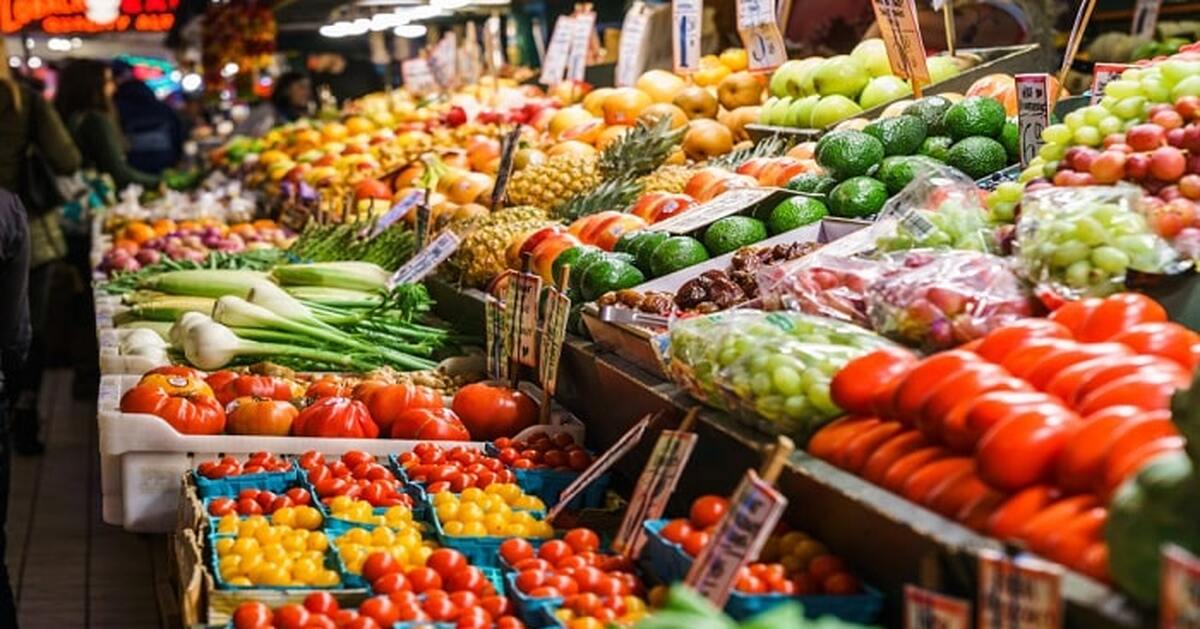
Many French chefs and farmers alike work to preserve the integrity of terroir by focusing on small-scale, sustainable farming practices. In rural areas, it’s common for people to buy fresh produce, meats, and dairy from local markets, often directly from the producer. In urban centers like Paris, farm-to-table restaurants emphasize the use of seasonal, locally sourced ingredients, often celebrating the connection between food and place.
Additionally, France’s emphasis on local food and wine has resulted in a system of certification, such as the AOC (Appellation d’Origine Contrôlée) for wine and cheese, which ensures that certain products are produced in specific regions according to traditional methods. This system helps preserve the authenticity of regional foods and provides a clear link between the land and the table.
6. The United Kingdom: From Paddock to Plate
The farm-to-table movement in the United Kingdom has been shaped by a renewed interest in British food culture and a desire to support local farmers and sustainable practices. The UK’s food scene has become more diverse in recent decades, but the farm-to-table philosophy still holds a special place in British culinary traditions.
In the UK, many chefs emphasize the importance of “paddock to plate,” which refers to sourcing meat and produce directly from local farms. This philosophy has gained traction with the rise of farm shops, farmers’ markets, and direct-to-consumer schemes. British chefs like Fergus Henderson of St. John Restaurant in London have been instrumental in championing nose-to-tail dining, a concept that promotes the use of the whole animal in cooking and minimizes food waste.
Like Italy, the UK’s farm-to-table culture is rooted in the idea of “seasonality.” British cuisine has long celebrated seasonal ingredients like root vegetables in the winter, asparagus in the spring, and strawberries in the summer. Chefs work with local farmers to ensure that their menus reflect the bounty of the seasons, and there is a growing awareness of the environmental impact of food production, prompting many to seek out organic and sustainably grown produce.
7. Latin America: A Celebration of Biodiversity and Heritage
In Latin America, farm-to-table takes on a vibrant and diverse meaning, deeply connected to the region’s rich biodiversity and cultural heritage. From Mexico to Peru to Brazil, the food culture is heavily influenced by indigenous practices and ingredients that have been cultivated for centuries.
In countries like Mexico, farm-to-table is rooted in the milpas system, an ancient method of farming that involves growing a variety of crops—such as corn, beans, and squash—together in the same field. This agro-ecological approach not only supports biodiversity but also enhances the nutritional value of the food produced. Mexican chefs today emphasize the use of heirloom varieties of corn, native beans, and seasonal vegetables, all sourced from small-scale, sustainable farms.
In Peru, farm-to-table dining is synonymous with the concept of “pachamama,” or mother earth, which underscores a deep respect for the land and its offerings. Peruvian cuisine, famous for dishes like ceviche and quinoa-based recipes, is heavily influenced by the high-altitude farming practices of the Andes, where indigenous farmers cultivate potatoes, corn, and other native crops that are unique to the region.
Farm-to-table dining in Brazil often highlights the diverse ingredients of the Amazon rainforest, from açaí berries to wild fish. In many Brazilian cities, restaurants are increasingly sourcing ingredients from small, local farms that practice agroforestry, preserving the environment while providing fresh, sustainable food.
Conclusion: Farm-to-Table as a Universal Value
While the specific practices and interpretations of farm-to-table may differ across cultures, the core principles remain the same: a commitment to quality, sustainability, and a deeper connection to the land. Whether it’s Italy’s slow food philosophy, Japan’s seasonal respect for ingredients, or the United States’ embrace of local farmers, farm-to-table dining speaks to a universal desire to reclaim our food systems and nourish ourselves in harmony with the environment.
In the end, farm-to-table is more than just a trend—it’s a way of life that honors the past while looking toward a sustainable future. No matter where you are in the world, the concept invites us to slow down, appreciate the flavors of the land, and reconnect with the source of our food.