




In the intricate web of cultural identity, food plays a significant role in shaping and expressing who we are. While its primary purpose is nourishment, food, especially traditional food, can serve as a powerful medium for preserving and asserting cultural values. Beyond its place in daily life, traditional cuisine has the potential to be an act of resistance, a silent but effective form of defiance against political, social, or cultural forces that attempt to suppress or erase indigenous practices and identities. This article explores how traditional food can be a form of resistance, its connection to cultural preservation, the politics of food, and how it serves as a vehicle for asserting autonomy.
1. The Politics of Food and Identity
Food has long been a tool of control and power. Colonial powers, for instance, often imposed their culinary traditions on colonized nations, erasing indigenous food practices in the process. By altering diets and agricultural practices, colonizers aimed to reshape the cultural fabric of colonized societies. Food became not just a source of nutrition but a way to assert dominance, control labor, and influence daily life.
In response to these forces, many cultures have used food as a form of resistance, striving to preserve their unique food traditions as a means of asserting their identities. A meal isn’t just sustenance; it’s a declaration of heritage, a refusal to let cultural annihilation take place under the weight of globalization or colonial influence.
In the modern context, food as resistance can take many forms. From the revival of ancient grains to the insistence on local, organic produce, food choices can challenge global corporations that attempt to monopolize food systems. In this light, traditional food becomes more than a nostalgic return to the past—it becomes a conscious, deliberate act of resistance against the homogenizing forces of modernity.
2. Traditional Food as a Cultural Fortress
At its core, traditional food carries the essence of a culture’s history, values, and way of life. When colonization, modernization, or globalization threatens to erase or modify a culture’s identity, food becomes a method of preservation. Take the example of the indigenous peoples of the Americas: their diets, based on maize, beans, and squash—collectively known as the “Three Sisters”—were deeply rooted in their agricultural practices and worldview.
When European settlers arrived, they not only brought new foodstuffs but also new agricultural systems. The introduction of non-native crops and livestock displaced indigenous farming practices, along with the knowledge and rituals surrounding food preparation. However, indigenous communities resisted the erosion of their food traditions, continuing to cultivate traditional crops and prepare meals as they had for centuries. In doing so, they were preserving not just their food, but their culture, language, and ways of life.
Similarly, the African diaspora across the Americas has used food as a form of resistance. Enslaved Africans brought with them culinary practices that survived, adapted, and thrived in the New World. Dishes like gumbo, jambalaya, and jerk chicken became vehicles for resistance, carrying with them African flavors, cooking methods, and histories in the face of forced assimilation.
Food, then, serves as a fortress of culture, protecting against cultural erosion. By continuing to prepare and share traditional meals, communities assert their right to exist on their own terms, in defiance of external pressures.
3. Reclaiming Autonomy Through Traditional Food
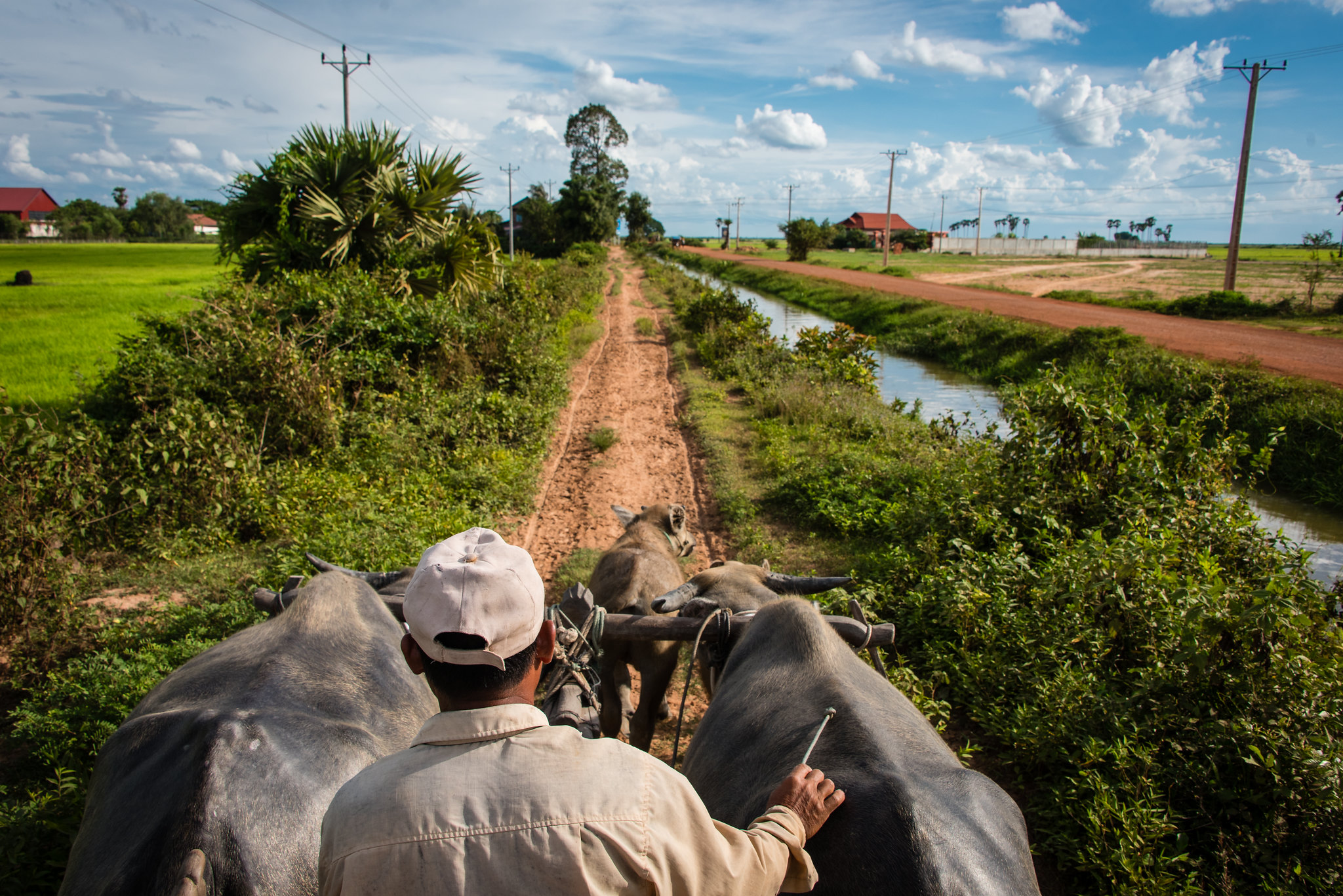
The fight for food sovereignty—control over the food systems that sustain a community—is another avenue through which traditional food can serve as resistance. Global food systems, dominated by multinational corporations, often impose monocultures and exploitative labor practices. In this context, traditional food practices become a reclaiming of autonomy. They provide a way for communities to break free from the control of corporate agriculture and the global food chain.
For example, in Latin America, movements like the “Zapatista” in Mexico have embraced traditional farming methods, fighting against the introduction of genetically modified crops and the privatization of natural resources. By returning to small-scale, sustainable farming practices, they resist the forces of globalization and the homogenization of food. Their traditional agricultural knowledge, which has been passed down through generations, is an act of rebellion against the corporations that seek to monopolize food production.
In the United States, food sovereignty movements among Native American tribes also emphasize the importance of traditional foods like bison, wild rice, and indigenous corn varieties. These foods not only represent a link to the past but are also a statement about the importance of self-determination in food production. When tribes fight to reintroduce traditional foods to their diets, they are also advocating for the right to control their land, their resources, and their cultural legacy.
Food sovereignty movements are a reflection of a larger fight for political and cultural autonomy. In this context, traditional food becomes a symbol of resistance to the forces that seek to standardize diets and dictate the terms of sustenance.
4. Resisting Cultural Homogenization
In the age of globalization, food has become increasingly standardized. Fast food chains, processed snacks, and industrial agriculture have spread across the globe, often at the expense of local food traditions. The dominance of Western food brands and consumption patterns threatens to erase local culinary practices and diets, homogenizing global food culture.
Traditional food acts as a counterpoint to this trend. It resists the globalizing forces that attempt to make the world’s foodways uniform, encouraging a return to local, region-specific cuisines that celebrate diversity. A prime example is the global resurgence of interest in fermenting, an ancient culinary tradition that has been revitalized in response to the over-processed, artificial nature of modern food systems. Fermented foods, like kimchi, sauerkraut, and miso, are being embraced as not only healthier alternatives but also as acts of defiance against the industrialization of food.

Moreover, many food movements today emphasize the importance of local food networks. The farm-to-table movement, which champions locally sourced, seasonal ingredients, not only supports local economies but also resists the global food supply chains that often exploit workers and degrade the environment. By choosing to support traditional food practices, people are making a political statement that resists the corporate-driven, industrial food complex.
5. Food as a Form of Protest
Food can also be a direct tool of protest. Throughout history, there have been instances where food was used explicitly as an instrument of resistance. In the context of social movements, hunger strikes have been a powerful form of protest. By refusing food, individuals or groups force attention to their cause, often risking their lives to make a statement.
One of the most famous examples of food as protest is Mahatma Gandhi’s use of fasting during India’s struggle for independence from British rule. Gandhi’s hunger strikes were designed not only to draw attention to political issues but also to symbolize the resilience of the Indian people against foreign rule. In this case, food—both its consumption and denial—became a potent symbol of resistance.
Similarly, during the Civil Rights Movement in the United States, African Americans used food as a means of challenging segregation. The “sit-ins” at lunch counters were not only protests against racial discrimination but also a challenge to the norms that dictated who could eat where. The act of sitting down at a segregated lunch counter and ordering food was a small but powerful act of resistance, asserting the right to equal treatment and dignity.
Food protests also occur in the context of labor rights. Workers in the agricultural and food industries have long struggled for better conditions and pay. Strikes and protests by farmworkers, such as those led by Cesar Chavez in the 1960s, used food as a form of resistance against exploitation. By refusing to work or by organizing boycotts of certain food products, farmworkers brought attention to the injustices they faced.
Food protests, whether through fasting or boycotting, highlight the power of food as a medium for social and political change. It can draw attention to issues of injustice, inequality, and human rights, serving as a rallying cry for resistance.
6. Traditional Food as a Vehicle for Education
Finally, traditional food can also serve as a form of resistance through education. As global food systems continue to displace local food cultures, educating younger generations about traditional food practices becomes an essential form of resistance. Schools, community centers, and culinary schools have begun to offer programs that teach the importance of local and traditional foods.
In some Indigenous communities, elders pass down traditional cooking techniques, sharing knowledge of native ingredients, preparation methods, and cultural stories through the medium of food. This process of intergenerational knowledge transfer not only preserves culinary traditions but also strengthens cultural identity.
By teaching young people to cook and appreciate traditional foods, communities resist the cultural erasure that comes with the homogenization of global food culture. This process fosters pride in cultural heritage and encourages the younger generation to view their culinary practices as an essential part of their cultural legacy.
Conclusion
Traditional food is much more than a means of sustenance; it is a powerful tool of resistance. Whether through the preservation of culinary traditions, the reclaiming of food sovereignty, or the use of food as a form of protest, food plays a central role in asserting cultural identity and resisting external forces that seek to erase or homogenize it. In a world that increasingly prioritizes industrialization, commercialization, and globalization, traditional food remains a symbol of resilience, autonomy, and defiance. By continuing to prepare, share, and celebrate traditional food, we resist not only the erosion of cultural practices but also the forces that seek to dominate and standardize our ways of life.