



Herbs are the unsung heroes of the culinary world. Whether sprinkled atop a warm soup, tucked into a salad, or mixed into a sizzling stir-fry, they bring vibrancy and depth to dishes. Fresh herbs, in particular, can transform a simple recipe into something extraordinary. But the problem is, fresh herbs don’t have a long shelf life. If you’ve ever bought a bunch of parsley or cilantro with the best of intentions only to watch it wilt in the fridge, you know how frustrating it can be to use them before they spoil. So, what’s the solution? Can you freeze fresh herbs without losing their flavor?
In this article, we’ll explore the ins and outs of freezing fresh herbs, from how to do it correctly to the impact it has on flavor and texture. We’ll break down which herbs freeze well, which don’t, and how you can preserve their vibrant flavors long after they’ve been harvested.
Why Freeze Fresh Herbs?
Before diving into the technicalities of freezing, let’s take a moment to understand why you might want to freeze fresh herbs in the first place.
- Long-Term Preservation: Freezing herbs extends their shelf life for months, giving you the flexibility to use them when you need them without worrying about spoilage.
- Convenience: Freezing allows you to store bulk herbs from your garden or farmer’s market purchases. You won’t have to buy fresh herbs every time you cook or throw away leftovers.
- Flavor Intensity: While fresh herbs have a short shelf life, their flavor is undeniably strong. Freezing can help preserve this potency, especially when used correctly.
- Cost-Effective: Buying fresh herbs in bulk can get expensive. Freezing them lets you make use of your purchases, reducing waste and saving money in the long run.
Will Freezing Fresh Herbs Affect Their Flavor?
The answer depends on the herb. In most cases, freezing herbs will result in a minor change in texture and some flavor loss, but overall, their aromatic qualities can still be retained. Let’s break it down by herb type.
Herbs That Freeze Well
These herbs are more resilient to freezing and retain much of their flavor and aroma:
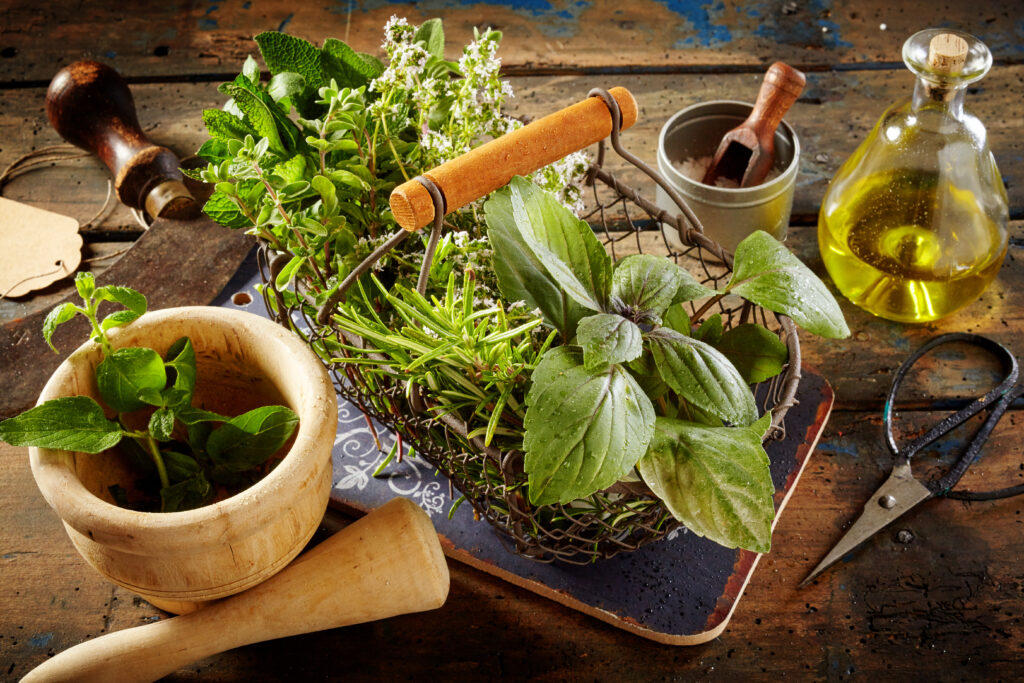
- Basil: Basil tends to lose its crispness when frozen, but its flavor remains strong. The key is to freeze it in an oil-based form, either chopped or whole. This helps prevent it from becoming overly mushy once thawed.
- Chives: Chives freeze very well because they’re primarily composed of water and have a mild flavor. The freezing process doesn’t cause significant loss of taste or texture, making them perfect for freezing.
- Thyme: This herb holds up wonderfully when frozen. Whether you use it fresh or frozen, thyme retains its aromatic, slightly lemony flavor. Simply chop it or leave it whole before freezing.
- Oregano: Like thyme, oregano freezes very well without sacrificing too much flavor. If you have an abundance of fresh oregano, freezing it can be a great way to keep it on hand for months.
- Rosemary: Rosemary is another herb that freezes without much flavor loss. However, because rosemary needles are tough, it’s best to freeze them whole and use them directly from the freezer.
- Mint: Mint freezes well, but it’s better suited for certain uses, like in drinks or desserts. The texture changes slightly, but the flavor remains vibrant.
- Sage: Sage can also be frozen without a noticeable loss in flavor, especially if you freeze whole leaves. However, it’s best used in cooked dishes where the texture change won’t matter much.
Herbs That Don’t Freeze Well
While freezing can help extend the shelf life of herbs, some simply do not hold up to freezing. These herbs tend to lose their flavor, texture, or color after freezing:
- Cilantro: Cilantro is notoriously tricky to freeze. While its flavor isn’t completely lost, it becomes limp and soggy after freezing. If you absolutely must freeze cilantro, consider freezing it in an ice cube tray with water or oil, though it will still lose some of its bright green appearance.
- Parsley: Parsley freezes decently but can lose some of its flavor and texture, especially when not frozen properly. It’s better to chop and freeze it in ice cubes for easier use later.
- Lemongrass: Lemongrass is another herb that does not freeze well. It tends to become fibrous and dry when frozen, resulting in a diminished flavor.
- Dill: Dill can lose its fresh aroma and flavor when frozen, and its delicate leaves may turn limp. If you do decide to freeze it, it’s best used for cooked dishes where the texture changes are less noticeable.
- Tarragon: Tarragon has a delicate flavor that doesn’t hold up well to freezing. After being frozen, it tends to lose its punch and may even become somewhat bitter.
How to Freeze Fresh Herbs: Step-by-Step Guide
Now that you know which herbs are better suited for freezing, let’s take a look at how to freeze them correctly to preserve the maximum flavor.
Step 1: Choose Your Herbs
Start by selecting fresh, healthy herbs. Choose herbs that are not wilted or damaged, as these will not freeze well. If you’re using garden-fresh herbs, try to freeze them the same day they’re picked for the best results.

Step 2: Wash and Dry the Herbs
Before freezing, give the herbs a good rinse under cold water to remove dirt or debris. Pat them dry with a paper towel or use a salad spinner to ensure they’re as dry as possible. Excess moisture will form ice crystals that can damage the herb’s texture when frozen.
Step 3: Decide on Freezing Method
There are a few methods for freezing herbs, depending on the type of herb and your preference:
- Freezing Whole or Chopped Herbs: For herbs like thyme, rosemary, and oregano, you can freeze them whole or chopped. Simply spread them out on a baking sheet in a single layer and place them in the freezer. Once frozen, transfer them to airtight containers or freezer bags.
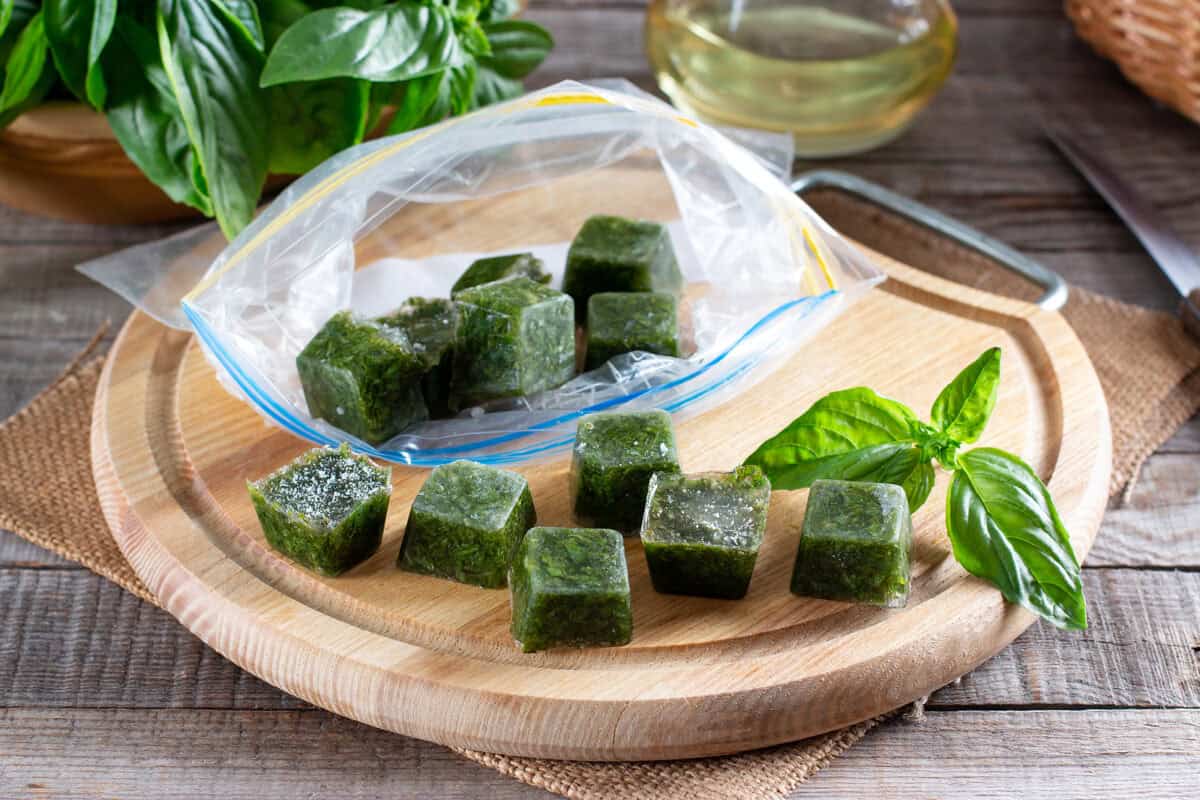
- Freezing in Ice Cube Trays: For herbs like basil, parsley, and cilantro, chop the herbs and place them in an ice cube tray. Add olive oil or water to cover the herbs, then freeze. The oil helps preserve the flavor, and the cubes are perfect for popping into a pot of soup or a stir-fry.
- Freezing Herb Paste: If you have a large amount of soft herbs (like basil or mint), blending them with olive oil or butter to create a paste is an excellent method. Once blended, you can freeze this paste in an ice cube tray or silicone molds.
- Freezing Herb Butter: Mix chopped herbs with softened butter, roll into a log, and wrap tightly in plastic wrap or parchment paper. Freeze for easy use in cooking.
Step 4: Label and Store
Label your bags or containers with the type of herb and the date it was frozen. This will help you track freshness. Store the herbs in airtight freezer bags or containers to prevent freezer burn.
Step 5: Use the Herbs
When you’re ready to use the frozen herbs, simply remove them from the freezer. For most herbs, you can add them directly to your dish without thawing. If you’re using them in a cooked dish, the heat will rehydrate the herbs and bring out their flavors.
Tips for Maximizing the Flavor of Frozen Herbs
To get the best possible flavor from frozen herbs, consider these additional tips:
- Use Olive Oil: As mentioned earlier, olive oil helps preserve the freshness of many herbs, especially delicate ones like basil. Freezing herbs in olive oil or butter prevents them from becoming too soggy.
- Don’t Over-Chop: For herbs that are going to be frozen, it’s often better to leave them in larger pieces. Smaller, chopped herbs can turn into mush after freezing.
- Freeze at the Peak of Freshness: Freezing herbs right after picking or purchasing them ensures they retain the most flavor. The longer they sit around before freezing, the more flavor they lose.
- Use within 3-6 Months: While frozen herbs last for up to 12 months, they are best used within 3 to 6 months to enjoy peak flavor. After this period, herbs may start to lose their potency.
Final Thoughts
Freezing fresh herbs is a great way to preserve their flavor and make them last longer, but not all herbs freeze equally well. Some herbs, like basil and rosemary, retain much of their taste and aroma, while others, like cilantro and tarragon, don’t fare as well in the freezer. With the right preparation, however, you can extend the shelf life of your favorite herbs and have them on hand whenever you need them, without sacrificing too much of their unique flavors.
Whether you choose to freeze herbs in ice cube trays, as a paste, or simply as whole sprigs, there’s a freezing method to suit almost every herb. Just make sure to follow the proper steps, and you’ll have a flavorful stash of herbs ready for any culinary adventure.