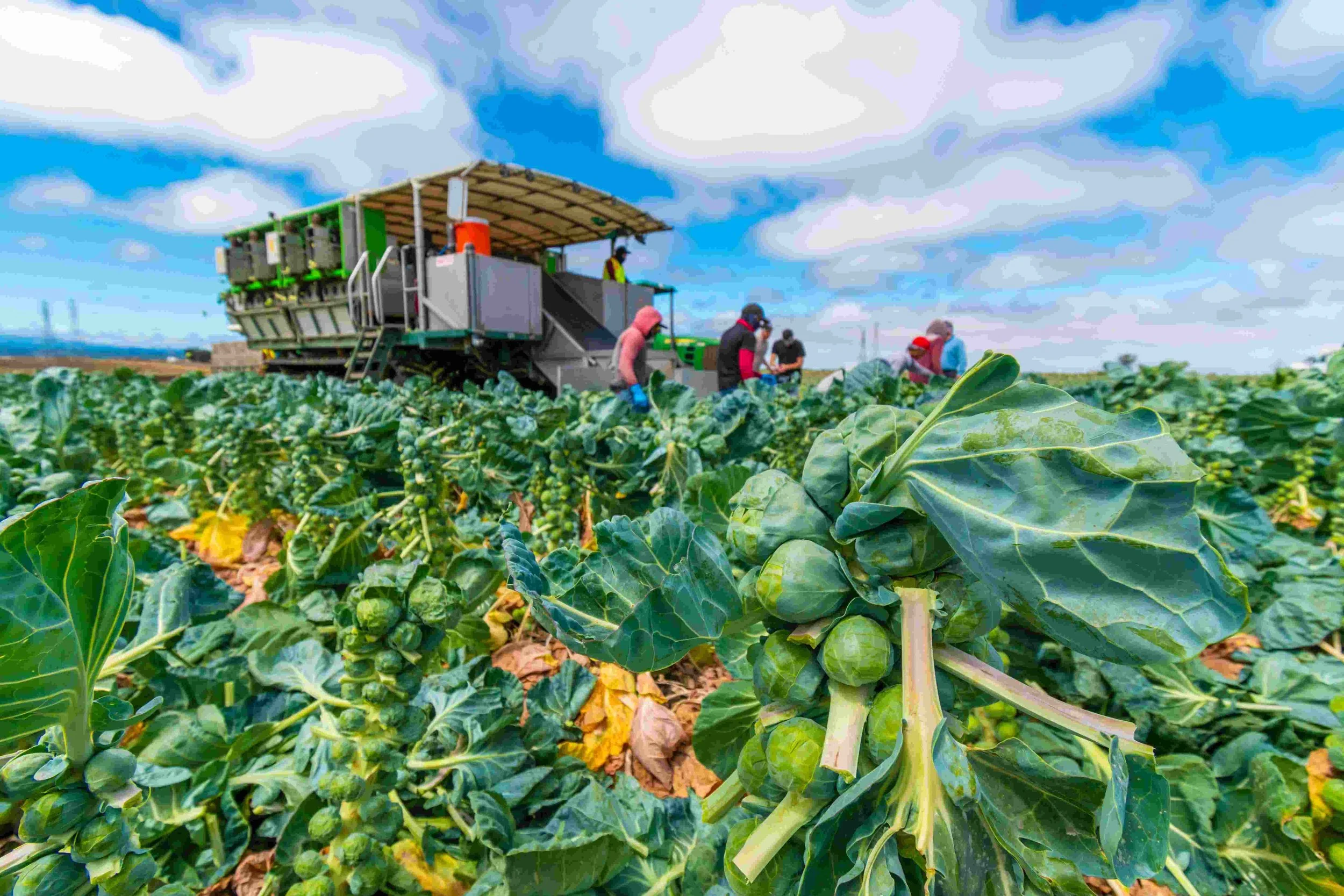




Locally sourced ingredients have become a hallmark of quality and flavor in the modern culinary world. From farm-to-table restaurants to home cooks seeking the freshest produce, the idea that local food tastes better has gained widespread acceptance. But is there scientific evidence to support this belief, or is it just a product of trendy marketing? This article will dive deep into the reasons why locally sourced ingredients might taste better, from freshness to environmental factors, and even the impact of cultural and psychological elements.
1. Freshness: The Key to Flavor
The most obvious reason locally sourced ingredients taste better is freshness. When ingredients are harvested or produced nearby, they spend less time in transit, reducing the window between picking and consumption. This means that fruits, vegetables, meats, and even dairy products retain more of their natural flavor compounds, which can degrade over time with transportation and storage.
For example, tomatoes that have been grown locally are often picked at the peak of ripeness. Unlike supermarket tomatoes, which are often harvested before they’re fully ripe to withstand long transport times, locally grown tomatoes can develop fuller flavor profiles with higher concentrations of sugars and acids. Similarly, greens like spinach or lettuce lose flavor as they wilt, so getting them fresh from a local farm can make a noticeable difference.
Faster Harvest-to-Plate Time
Locally sourced ingredients can make their way from the farm to your table in hours or days, rather than weeks. This rapid transition helps retain the ideal balance of flavor, texture, and nutritional value. The key factor here is that time equals flavor, and local ingredients simply don’t have the luxury of sitting around and losing their peak flavor potential.
2. The Role of Soil and Climate Conditions
The soil and climate in which a food is grown can have a profound effect on its taste. Local farming operations tend to grow crops suited to the specific regional environment, including soil quality, water availability, and local microclimates. These environmental factors play a key role in the flavor development of various crops.
For instance, the minerals and nutrients found in soil vary from region to region. A tomato grown in the rich, volcanic soils of California will taste different from one grown in the sandy soils of Florida. The local climate, whether it’s cooler, warmer, or experiences a higher level of humidity, also plays a critical role in how a plant develops its flavor. Grapes, for example, are heavily influenced by their growing conditions, which is why wines from different regions have such distinct profiles.
Moreover, when ingredients are grown locally, they are typically bred or selected for optimal compatibility with the specific environmental conditions of that area. This means that local produce will often have developed flavor profiles that harmonize well with local culinary traditions.
Local Adaptation
Plants that have adapted to local environmental conditions may have developed unique characteristics, such as higher sugar content, better acidity, or a richer fragrance, all of which contribute to an enhanced taste experience. These subtle yet significant differences might go unnoticed when consuming mass-produced, globally sourced foods that may not be grown with such precision.
3. Smaller Scale, Higher Quality
Locally sourced ingredients are often produced on a smaller scale than those found in large-scale industrial agriculture. Smaller farms and producers tend to focus more on the quality of their products than on maximizing yield or cutting costs. This allows for a more careful and hands-on approach to farming, harvesting, and processing.
Many small-scale farmers avoid using harmful pesticides, genetically modified organisms (GMOs), or synthetic fertilizers, which can affect the taste of food. Instead, they rely on organic and sustainable farming practices that prioritize the health of the soil and the surrounding ecosystem. This can result in produce that is not only healthier but more flavorful.

Farm-to-Table Ethos
Locally sourced ingredients are often tied to the growing farm-to-table movement, which emphasizes the importance of sustainable agriculture and direct relationships between consumers and farmers. This connection between farmer and eater often results in products that are not only fresher but also cultivated with care and attention to quality, rather than quantity.
In contrast, industrial agriculture focuses on mass production, using practices like monocropping and over-fertilization that can degrade the taste and nutritional quality of ingredients. As a result, products from large-scale operations may lack the depth of flavor and texture that smaller, local operations prioritize.
4. Fewer Food Miles: The Environmental Impact
The concept of “food miles” refers to the distance food travels from its point of production to the consumer. Locally sourced ingredients, by definition, travel fewer miles, which means they can be harvested and consumed much faster than foods that have to travel thousands of miles across countries or continents.
Longer transportation times can result in food losing both nutritional content and flavor, which happens as fruits and vegetables ripen during the journey and begin to deteriorate. Moreover, industrial transport often involves refrigeration and storage methods that can alter the chemical structure of the food, further diminishing its taste.
Sustainability and Taste
Locally sourced ingredients often come from sustainable farming practices that emphasize soil health, water conservation, and biodiversity. By avoiding long transport times, not only does the food taste better, but the environmental impact is lower, making it a win-win for both the consumer and the planet. Local ingredients often come from farms that use organic or low-impact methods, which protect both the land and the flavor of the crops grown.
5. Psychological and Emotional Impact on Taste
There’s something about knowing where your food comes from that can enhance its flavor. Studies have shown that people tend to rate food as tasting better when they know it is locally sourced, possibly because of the positive associations with supporting local economies and sustainable farming.

The sense of connection to the land and the community can evoke a psychological response that makes the food taste better, even if the ingredients themselves are identical to non-local alternatives. When we eat local food, we often feel a sense of pride and satisfaction, which can enhance our overall experience and perception of taste.
Cultural Connections
Eating local also creates a deeper connection to local culture and culinary traditions. Food is an integral part of cultural identity, and many local recipes are developed to highlight the flavors of the region’s ingredients. Whether it’s the rich spices of an Italian summer tomato sauce or the earthy flavor of a locally raised beef steak, food that is sourced from nearby farms tends to tie us to the land in a more meaningful way, heightening our sensory experience.
6. Variety and Diversity of Local Ingredients
The diversity of locally grown and raised ingredients often surprises people, especially in regions where small-scale farmers embrace heirloom varieties and heritage breeds. These unique varieties are often tastier and more flavorful than the mass-produced counterparts you’ll find in big-box grocery stores. For example, heirloom tomatoes, with their varied shapes, colors, and flavors, offer a complexity that is often missing in more commercially standardized versions.
Local food systems tend to embrace diversity, including unusual and specialty crops that might not have the commercial viability to make it to global markets. This wide range of choices enhances not only the variety of flavors available but also the culinary creativity that can flourish when different types of ingredients are used in cooking.
Exploration and Discovery
In regions with a rich agricultural history, people may find new and interesting ingredients they have never encountered before. These ingredients often provide a more exciting and vibrant taste experience than those that are widely available, allowing for a broader and more diverse culinary palette.
7. The Power of Seasonal Eating
Seasonal eating, which is a key component of locally sourced ingredients, can also enhance flavor. Produce that is harvested during its natural growing season often has better flavor, color, and texture than that which is grown out of season in controlled environments or transported long distances.
For example, strawberries grown in June, when they are in season, are typically much sweeter and juicier than strawberries harvested in winter and shipped from distant lands. Eating locally sourced, seasonal food means you are consuming ingredients at their peak flavor and nutritional value.
Supporting the Rhythm of Nature
Seasonal eating also connects us to the natural rhythms of the earth, encouraging a more mindful approach to food consumption. By adjusting our diets to reflect what’s available locally and seasonally, we are not only enhancing our culinary experience but also helping to preserve local ecosystems and support sustainable agriculture.
8. Locally Sourced Ingredients in the Modern Culinary Landscape
The shift towards local sourcing in restaurants and at-home kitchens is part of a broader trend towards more conscious and sustainable food choices. In an era where consumers are increasingly interested in knowing where their food comes from, local sourcing represents a return to the roots of food culture — a time when meals were created from ingredients that were grown close to home, prepared with care, and enjoyed in a community setting.
Chefs and home cooks alike are rediscovering the importance of sourcing ingredients from nearby farms and artisanal producers. As part of this movement, many restaurants now feature dishes that highlight local ingredients and seasonal flavors, helping to educate consumers on the benefits of eating locally.
A Taste Revolution
Ultimately, the decision to prioritize local ingredients goes beyond simply taste. It’s about creating a food system that values sustainability, community, and quality over speed and mass production. Locally sourced ingredients offer a more holistic and satisfying eating experience, one that supports the environment and our local economies while delighting our senses with fresh, vibrant flavors.