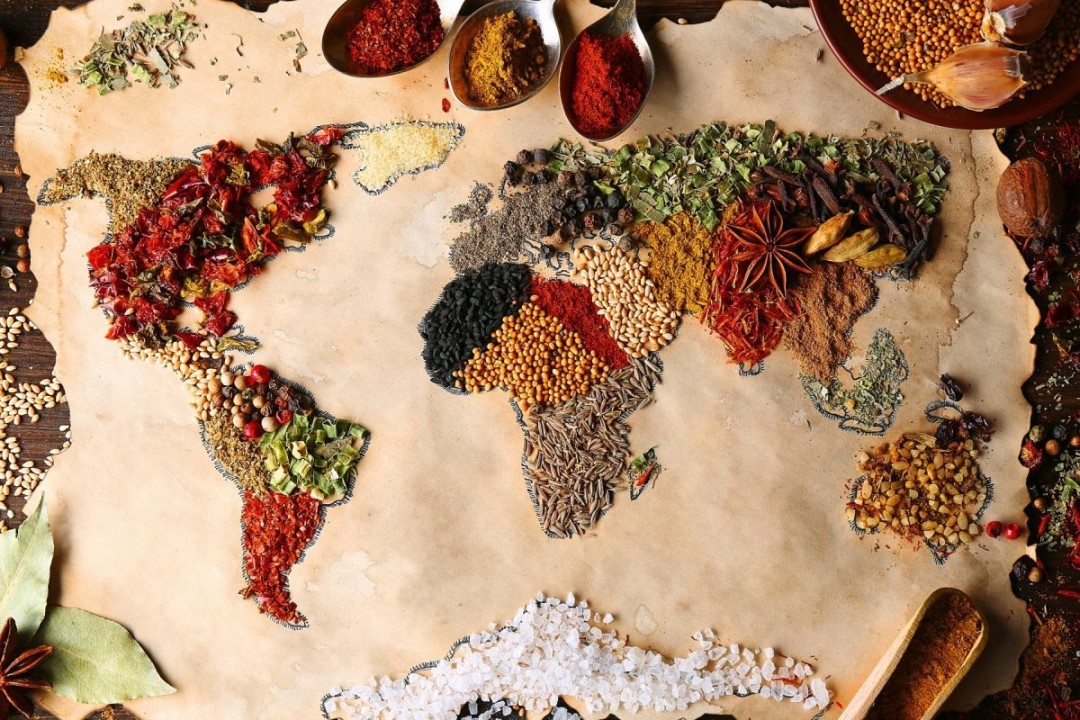




When we think about a region’s history, we often first consider its architecture, monuments, and written records. Yet, a far more nuanced, intimate perspective can be found in the food people eat. Local cuisine isn’t just about taste—it encapsulates centuries of cultural exchanges, climate adaptations, agricultural practices, and even the struggles and triumphs of a community. In many ways, a region’s food tells the story of its past more vividly than any textbook ever could. From the trade routes that spurred new ingredients to the social movements that shaped eating habits, food is deeply intertwined with history.
1. The Historical Roots of Cuisine: A Fusion of Cultures
Historically, local cuisine is often the product of a series of influences: invasions, migrations, trade routes, and colonialism. These events leave their mark on the food of a region, weaving a complex tapestry of flavors, ingredients, and cooking techniques that are as much about survival as they are about identity.
For instance, consider the culinary heritage of Italy. Beyond pasta and pizza, the country’s regional dishes tell the story of centuries of foreign influence. The Venetians brought spices from the East, while the Arabs introduced citrus fruits and rice. The influence of the Romans is still seen in their use of olive oil, honey, and wine, which were staples of the ancient Mediterranean diet. Each region in Italy has its own distinct flavors and preparation methods, reflecting a particular set of historical influences, often from a specific period.
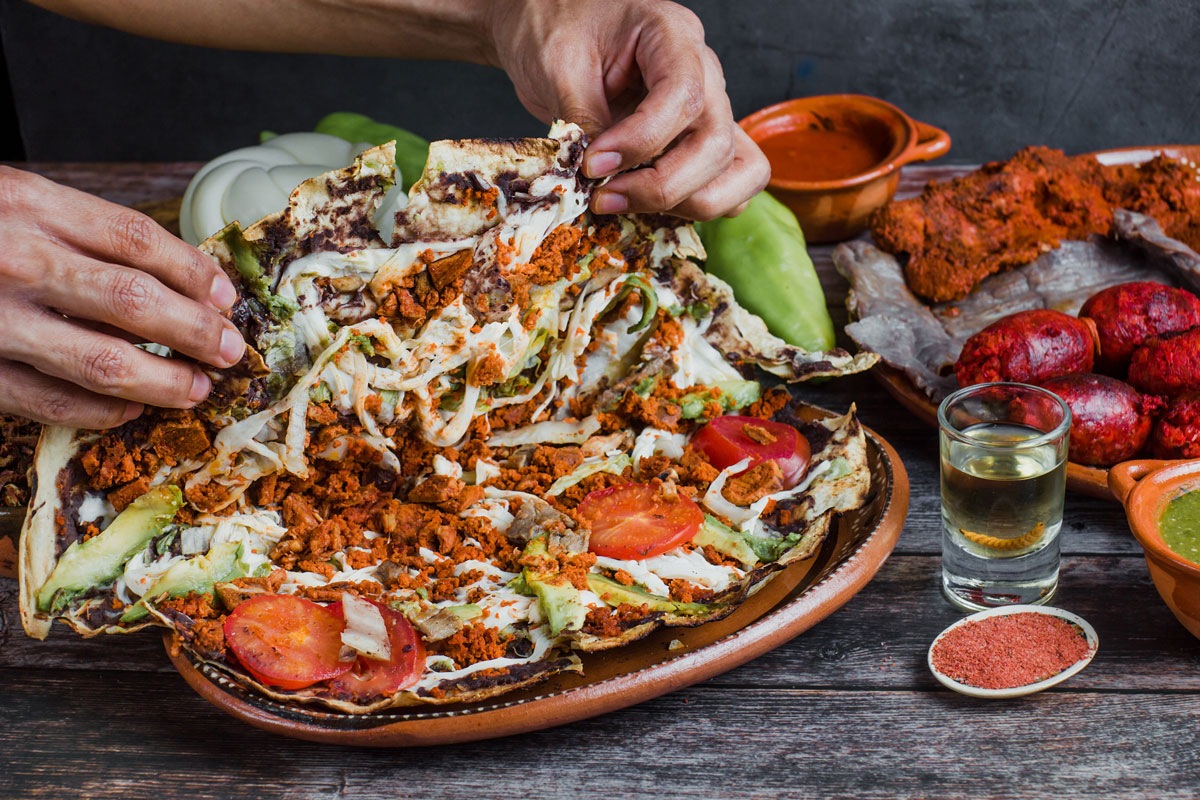
Similarly, the cuisine of Mexico is a melting pot of pre-Columbian traditions and Spanish colonial influence. The indigenous people of Mexico had already mastered the art of using native plants and animals, such as corn, beans, chili, and squash. However, when the Spanish arrived in the 16th century, they brought with them new ingredients like pork, beef, and dairy, which blended seamlessly into Mexican food culture. This fusion of native and colonial ingredients is still visible in many traditional Mexican dishes today.
2. Cuisine as a Reflection of Geography and Climate
Geography and climate play a fundamental role in shaping local cuisine. In areas with a hot, arid climate, such as the Middle East and parts of North Africa, food must be designed to preserve nutrition while using minimal resources. These regions rely heavily on grains, dried fruits, legumes, and dairy products, all of which can be stored for extended periods. Spices like cumin, coriander, and cinnamon are often used not only for flavor but also for their preservative qualities.
On the other hand, regions with abundant rainfall and fertile soil, like parts of Southeast Asia or the Mediterranean, produce a different array of ingredients. In these areas, food is often fresh, lighter, and more plant-based. Rice, for example, is a staple of Southeast Asian cuisine, where lush rice paddies are plentiful. Similarly, in the Mediterranean, seafood, fresh vegetables, and olive oil dominate the local diet.
Even the seasons play a critical role. In Scandinavian countries, where winters can be long and harsh, preservation techniques like pickling, smoking, and curing have evolved over centuries to ensure a stable food supply during the dark months. In contrast, tropical regions near the equator have an abundance of fresh fruits and vegetables year-round, and their cuisine tends to be more vibrant and varied, with an emphasis on spices and herbs.
3. Cuisine and Colonialism: The Shaping of Identity
Colonialism has profoundly influenced global cuisines, often in ways that are still felt today. When European powers colonized vast regions of the world, they not only claimed territory but also introduced new foods, cooking methods, and agricultural practices. In many cases, these influences fused with indigenous traditions to create entirely new food cultures.
Take the Caribbean as an example. The region’s cuisine is a reflection of its colonial history, where African, European, and indigenous influences blend to create a unique culinary identity. Enslaved Africans brought with them their food traditions, including the use of okra, yams, and rice, while European colonizers introduced sugar, spices, and cattle. Over time, these various culinary traditions melded into a vibrant and diverse food culture, with each island having its own variations of key dishes.
The same is true in parts of Africa, where colonial powers introduced new crops such as cassava, maize, and potatoes. These ingredients often replaced traditional staples, but their incorporation into local cooking created new ways of preparing and combining foods. In many African countries today, dishes like “jollof rice” in Nigeria and “bunny chow” in South Africa are examples of how indigenous, colonial, and modern elements blend to form new food identities.
4. The Role of Food in Social Movements
Food can also be a powerful vehicle for social change, acting as both a tool for resistance and a reflection of societal shifts. Take, for instance, the American Civil Rights Movement. The fight for equality wasn’t just about politics and social justice—it also had a culinary dimension. African American food traditions, deeply rooted in the experiences of slavery and segregation, became symbols of resistance against oppression. Dishes like fried chicken, cornbread, and collard greens were more than just meals—they represented pride, culture, and survival in the face of adversity.
Similarly, in India, the anti-colonial struggle led by Mahatma Gandhi was not only fought with words and action but also through food. Gandhi’s famous “salt march” was a protest against the British monopoly on salt production, but it also highlighted the importance of local food autonomy. By promoting the use of locally sourced, non-processed foods, Gandhi’s movement sought to break free from the colonial stranglehold on India’s food system.
In more recent history, movements like farm-to-table, organic eating, and food justice continue to reshape our understanding of food’s role in society. These movements are responses to the global industrialization of food production, which often prioritizes profit over sustainability and health. By advocating for local, sustainable, and ethical food systems, these movements not only aim to change the way we eat but also the way we think about the relationships between food, politics, and identity.
5. Food as a Cultural Memory
Food is also an important part of cultural memory, carrying the stories of a region’s past from one generation to the next. Through cooking traditions passed down through families, communities maintain a tangible connection to their history. Whether it’s the recipe for a grandmother’s secret sauce or the way a dish is prepared during a cultural festival, food plays an essential role in preserving cultural heritage.
Take the Japanese tea ceremony as an example. It’s not just about drinking tea; it’s a cultural practice steeped in centuries of tradition, symbolizing harmony, respect, purity, and tranquility. The types of tea used, the preparation method, and the accompanying sweets all reflect Japan’s history and spiritual values. In this way, food isn’t just fuel—it’s a living history, continuously passed down and shared.
Similarly, in countries like Greece and Turkey, many families still cook recipes that have been handed down for generations, each meal carrying a piece of history. Dishes like moussaka and baklava are not just food; they are culinary representations of centuries of Byzantine, Ottoman, and local Greek influence. When a family gathers to share these dishes, they aren’t just enjoying a meal—they are participating in an ongoing conversation with their ancestors.
6. The Globalization of Local Cuisine
In the modern era, globalization has led to an increased exchange of culinary traditions. Foods that were once confined to specific regions are now enjoyed worldwide. Sushi, tacos, and pizza are just a few examples of dishes that have become global phenomena, enjoyed by people from all walks of life. While this has led to the spread of local cuisines, it has also raised questions about the authenticity and commodification of traditional food.
In many ways, globalization has resulted in the dilution of some culinary traditions, as dishes are adapted to suit the tastes of a broader audience. But at the same time, it has allowed regional foods to gain international recognition, leading to a renewed interest in preserving local food practices. This has sparked movements to protect food heritage, such as the slow food movement, which advocates for the preservation of traditional food methods and local agricultural practices.
Conclusion: Food as a Portal to Understanding History
Local cuisine is more than just something we eat—it is a window into the soul of a region. It reflects the struggles and triumphs of its people, the influences of other cultures, and the relationship between humans and the environment. By exploring the foods of a region, we can gain a deeper understanding of its history, values, and identity. Whether we’re tasting a dish that has been passed down through generations or learning about the historical events that shaped its ingredients, food connects us to the past in a way that no other medium can.
As we continue to share and celebrate the food traditions of the world, it’s important to remember that each dish has a story to tell. The next time you sit down to enjoy a meal, think about the history behind it. From the land it was grown on to the people who first prepared it, local cuisine is indeed the key to understanding the rich, complex history of a region.