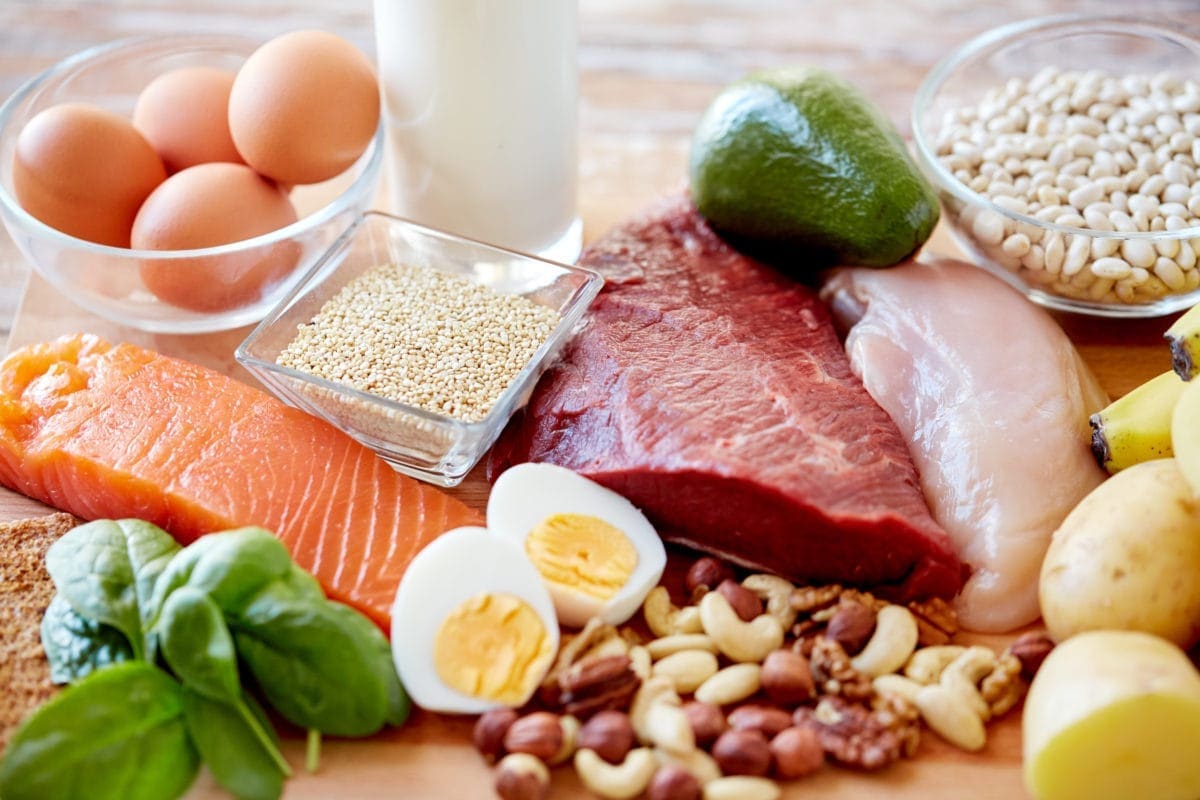




In the age of health-conscious living, the term “superfood” has become a staple in our dietary vocabulary. It conjures images of nutrient-packed powerhouses that can heal, energize, and transform our health. From kale to quinoa, acai to chia, these foods are celebrated for their high nutritional value and purported ability to support overall well-being. But what truly makes a superfood… well, super? Let’s dive into the science and semantics behind this buzzword and discover the criteria that elevate certain foods from ordinary to extraordinary.
What is a Superfood?
The term “superfood” doesn’t have a precise, scientifically recognized definition, but it generally refers to foods that are nutrient-dense and packed with vitamins, minerals, antioxidants, and other beneficial compounds. They are often natural and minimally processed, and many claim to deliver a wide range of health benefits. A “superfood” is essentially a food that offers more than the sum of its parts, delivering exceptional nutritional value relative to its calorie content.
However, it’s important to note that the concept of superfoods is as much marketing as it is science. The term has no regulatory standard, meaning that food manufacturers can attach the label to almost anything. So, when we talk about superfoods, we’re usually referring to foods that pack a powerful punch when it comes to nutrients and potential health benefits.
Nutrient Density: The Superfood’s Superpower
At the heart of every superfood is nutrient density. This refers to the amount of nutrients a food provides in relation to its calorie content. Nutrient-dense foods deliver a high concentration of vitamins, minerals, antioxidants, fiber, and other beneficial compounds without contributing excessive amounts of calories or unhealthy fats. Think of nutrient density as a measure of how much “bang for your buck” a food gives you.
For example, dark leafy greens like kale are often considered superfoods because they are incredibly low in calories but high in fiber, iron, vitamin K, calcium, and antioxidants. Similarly, berries such as blueberries and acai are packed with antioxidants, which help protect the body from free radicals and oxidative stress, all while being low in sugar and calories.
This focus on nutrient density is what differentiates superfoods from typical foods in your average diet. A cup of kale provides more vitamins, minerals, and fiber than a cup of lettuce, making it a better choice in terms of delivering health benefits for fewer calories.
Antioxidants: Nature’s Defense Mechanism
One of the key reasons why superfoods are celebrated is their rich antioxidant content. Antioxidants are compounds that help neutralize free radicals, which are unstable molecules that can damage cells and contribute to aging and diseases like cancer, cardiovascular disease, and diabetes.
Foods like acai berries, goji berries, and dark chocolate are often touted for their high antioxidant content. For instance, acai berries contain anthocyanins, a type of antioxidant that not only gives them their vibrant purple color but also supports brain health and fights inflammation. Likewise, the flavonoids in dark chocolate are linked to heart health and improved circulation.
The presence of antioxidants in superfoods is often one of the most significant contributing factors to their reputation as health-boosting foods. These compounds help reduce the oxidative stress in the body, making them essential for long-term health.

Fiber: A Key Player in Digestion and Heart Health
Another standout feature of many superfoods is their fiber content. Fiber is a non-digestible carbohydrate that is essential for maintaining healthy digestion, regulating blood sugar, and lowering cholesterol levels. While most people think of fiber in relation to digestive health, its benefits extend far beyond that.
Foods like oats, chia seeds, and legumes are not only high in fiber but also offer a host of additional nutrients, including plant-based protein, healthy fats, and a range of vitamins and minerals. The fiber in these foods helps maintain a healthy gut microbiome, promotes satiety, and can help manage weight and reduce the risk of chronic conditions like heart disease and type 2 diabetes.
The fiber in many superfoods is soluble, which means it can absorb water and form a gel-like substance in the gut. This slows down digestion and promotes a feeling of fullness, helping to regulate appetite and prevent overeating.
Healthy Fats: The Right Kind of Fat
When it comes to fats, the key to making a food super is the type of fat it contains. While saturated and trans fats can contribute to cardiovascular disease and other health problems, unsaturated fats are beneficial for heart health and overall well-being. Superfoods rich in healthy fats, such as avocados, walnuts, and olive oil, have been linked to lower cholesterol levels, better cognitive function, and reduced inflammation.
Avocados, for example, are an excellent source of monounsaturated fats, which are heart-healthy fats that can help lower bad cholesterol (LDL) while increasing good cholesterol (HDL). In addition to healthy fats, avocados are loaded with fiber, vitamins, and minerals like potassium, which help support healthy blood pressure and overall cellular function.
Similarly, chia seeds and flaxseeds provide omega-3 fatty acids, a type of polyunsaturated fat that has been shown to support brain health, reduce inflammation, and protect against heart disease. These fats are essential for the body and cannot be produced by it, which is why it’s important to obtain them from your diet.
Phytochemicals: Plant-Based Power
Phytochemicals are naturally occurring compounds found in plants that have protective or disease-preventing properties. These compounds, which include flavonoids, carotenoids, and polyphenols, can offer various health benefits, including anti-inflammatory effects, cancer prevention, and improved immune function.
Superfoods like sweet potatoes, tomatoes, and turmeric are rich in phytochemicals like beta-carotene (which the body converts into vitamin A) and curcumin (found in turmeric), both of which are potent antioxidants with anti-inflammatory properties. The bright orange color of sweet potatoes signals the presence of beta-carotene, while the yellow pigment in turmeric contains curcumin, a compound that has been extensively studied for its potential to fight cancer and support brain health.

Phytochemicals found in many superfoods work in synergy with other nutrients to promote overall health. They contribute to the vibrant colors and distinct flavors of fruits, vegetables, and spices, and offer a wide range of health benefits beyond basic nutrition.
The Role of Superfoods in Disease Prevention
While eating superfoods alone cannot guarantee a disease-free life, their rich nutrient profiles can certainly support disease prevention. Consuming a diet rich in superfoods helps the body fight inflammation, reduce oxidative stress, and support the immune system—all of which play key roles in the prevention of chronic conditions.
For example, studies have shown that consuming foods rich in antioxidants like berries, green tea, and turmeric can reduce the risk of heart disease by lowering blood pressure, improving cholesterol levels, and reducing inflammation in the arteries. Similarly, the high fiber content of superfoods can reduce the risk of colon cancer by promoting healthy digestion and preventing constipation.
The concept of disease prevention is often at the forefront of superfood marketing, but it’s crucial to remember that a balanced, diverse diet that includes a variety of nutrient-dense foods is the best way to reduce the risk of chronic diseases and maintain optimal health.
Are Superfoods a Cure-All?
Despite their impressive nutrient profiles, it’s important to manage expectations when it comes to superfoods. No single food can provide all the nutrients your body needs, and simply adding a few superfoods to your diet won’t guarantee instant health benefits. True health is the result of an overall healthy lifestyle that includes a balanced diet, regular physical activity, proper sleep, and stress management.
Superfoods should be considered as part of a well-rounded diet, not as magic bullets that can cure diseases or replace medical treatments. The key to reaping the benefits of superfoods is consistency—incorporating them into your daily meals in combination with other nutrient-dense foods.
The Power of Whole Foods: Superfoods vs. Supplements
When it comes to reaping the benefits of superfoods, it’s always better to focus on whole, natural foods rather than supplements. While supplements can help fill in nutritional gaps, they lack the synergistic effects of whole foods. The combination of vitamins, minerals, fiber, and phytochemicals found in real food works together in ways that supplements cannot replicate.
For instance, a handful of walnuts provides more than just omega-3 fatty acids; it also delivers fiber, protein, vitamins, and minerals that work together to enhance health. Taking an omega-3 supplement, on the other hand, doesn’t provide the same holistic benefit.
Conclusion: Superfoods Are Only Super When Part of a Balanced Diet
So, what makes a superfood truly super? It’s the combination of high nutrient density, rich antioxidants, healthy fats, fiber, and phytochemicals that support overall health and well-being. Superfoods are not magic foods that will instantly transform your health, but they are a powerful addition to a balanced, nutritious diet.
The key to a healthy diet is diversity—eating a wide variety of foods to ensure that you’re getting all the nutrients your body needs. Superfoods play a valuable role in this, but they should be viewed as part of a larger dietary strategy. Focus on consuming a range of nutrient-dense whole foods and avoid relying on any single food to “save” you. True health comes from variety, balance, and a lifestyle that promotes physical and mental well-being.
By incorporating superfoods into a holistic approach to health, you’ll be doing your body a favor—helping it perform at its best and supporting long-term vitality.