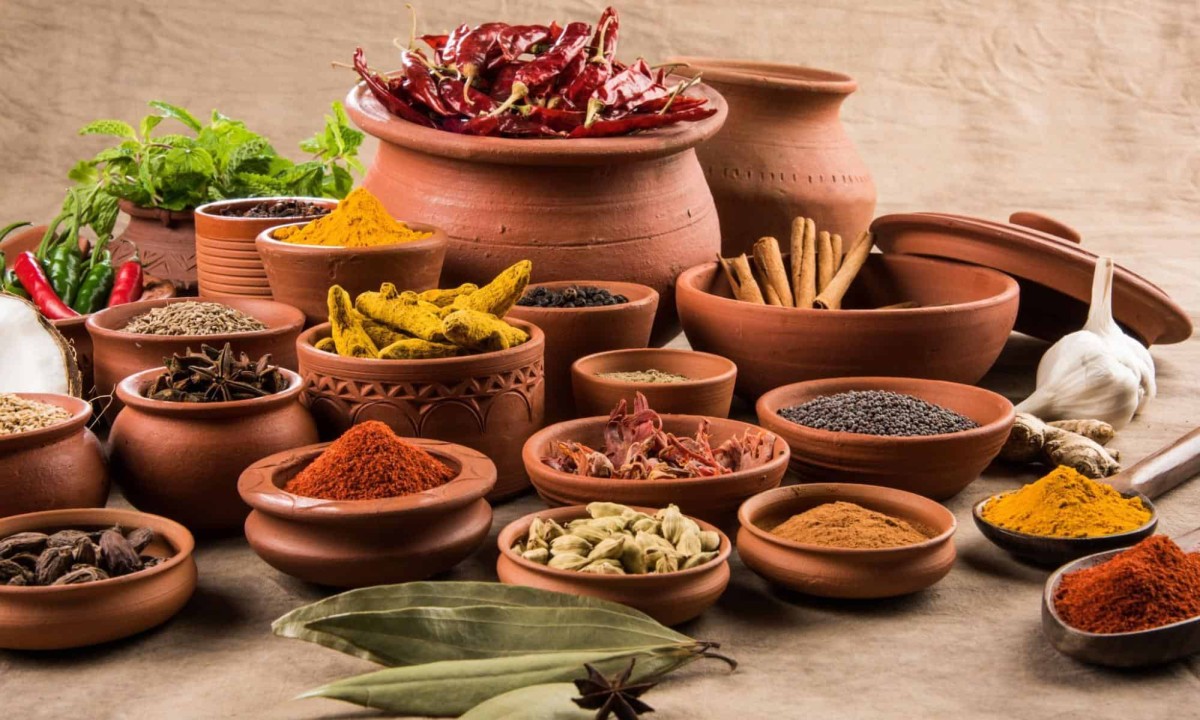




In the age of modern medicine and technology, it’s easy to forget that the wisdom of our ancestors—especially when it comes to food and health—has been passed down through millennia. Ancient civilizations understood the power of plants, herbs, and spices long before we had the scientific methods to study their effects. Today, we are beginning to rediscover the health benefits of these ancient ingredients, many of which have been used for thousands of years in different cultures across the globe.
From the warm glow of turmeric in Ayurvedic medicine to the spicy kick of black pepper in traditional Chinese remedies, these ancient spices are making a comeback in modern health practices. In this article, we will explore how some of these long-forgotten spices can unlock modern health secrets, offering not only a burst of flavor to your meals but also a wealth of benefits for your body and mind.
1. Turmeric: The Golden Spice of Healing
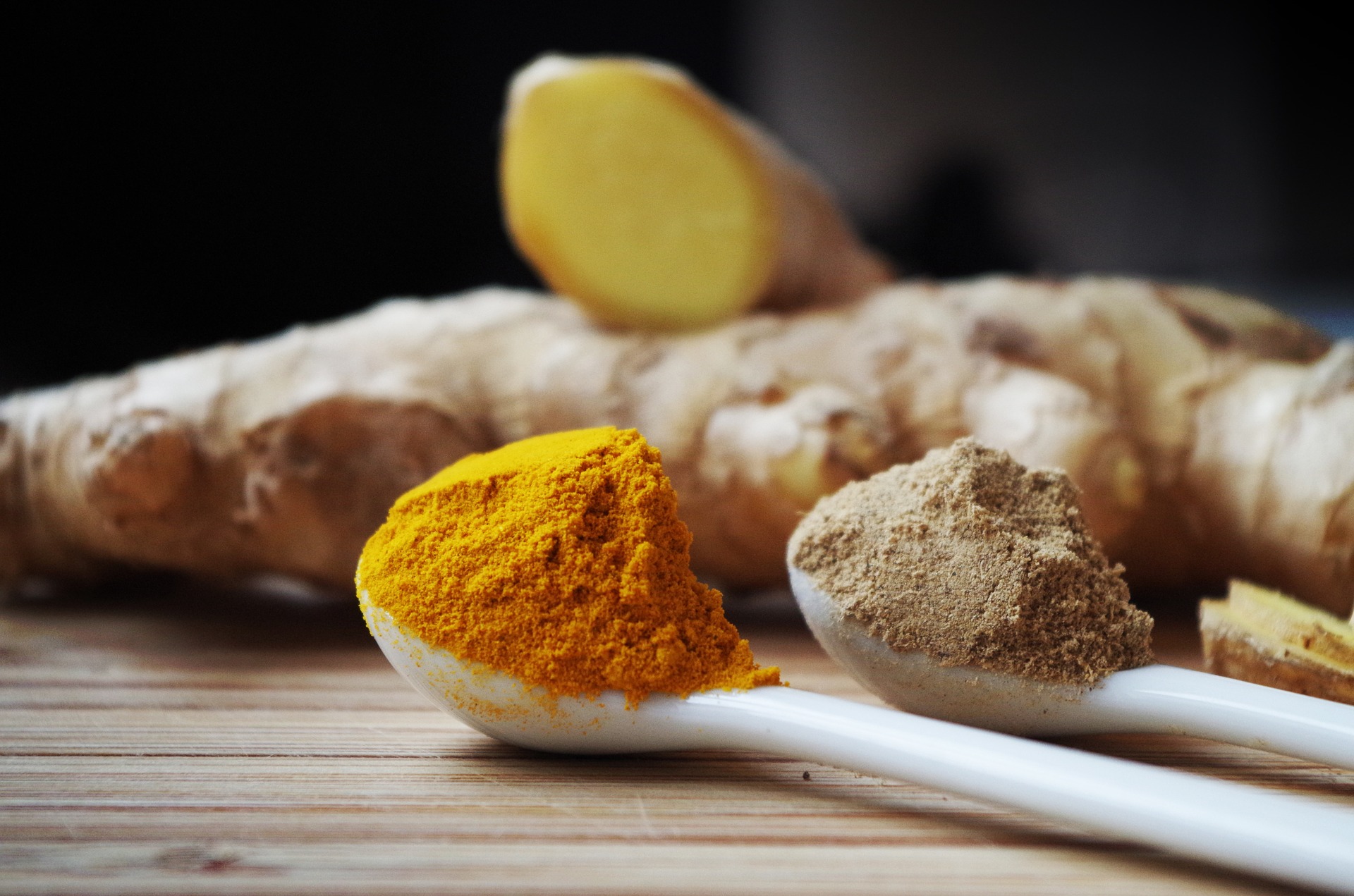
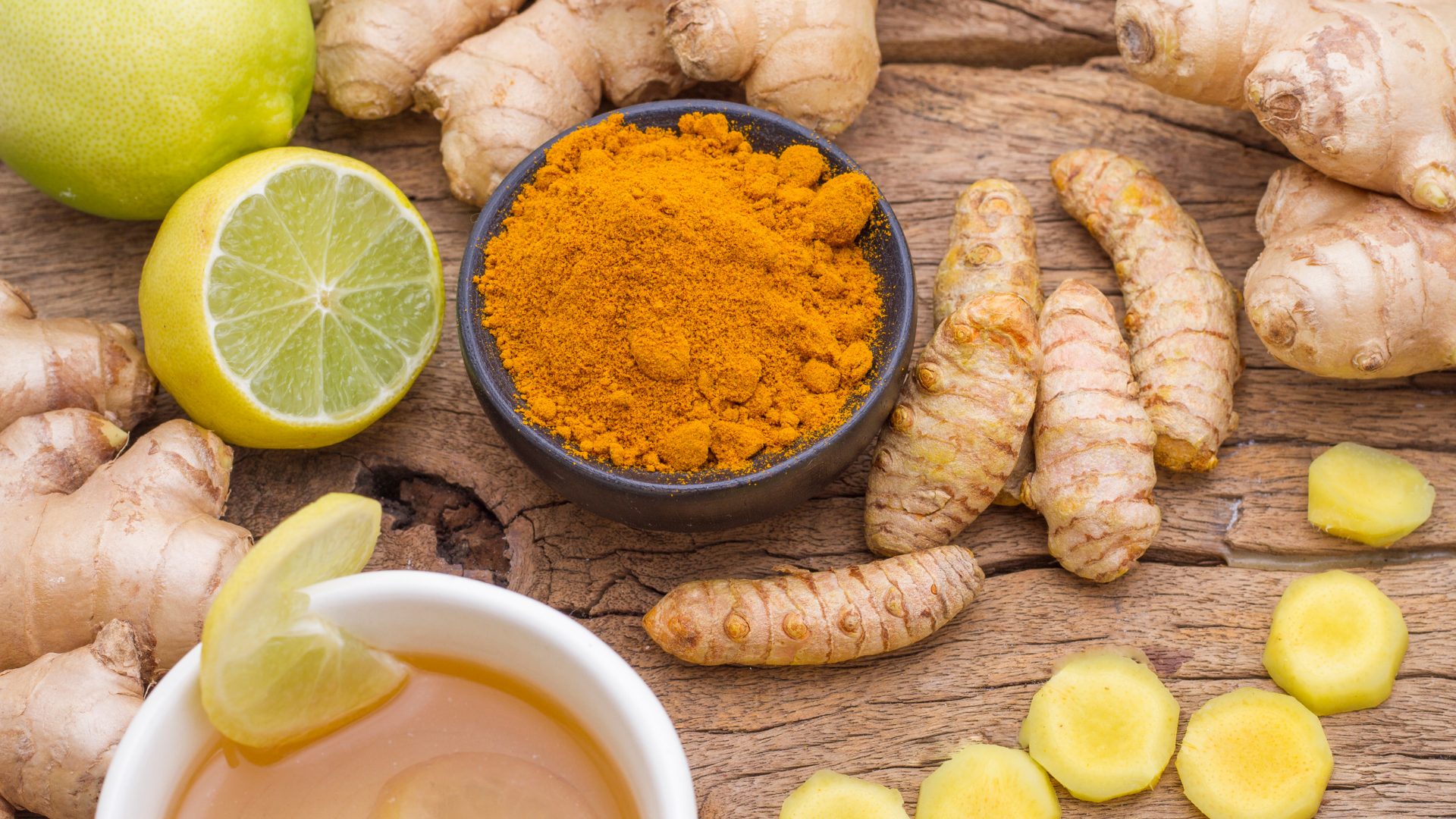
Turmeric, often referred to as the “golden spice,” has been used for over 4,000 years, especially in India and Southeast Asia. Known for its vibrant yellow color, turmeric is a key ingredient in many curries, but its true value lies in its active compound, curcumin.
Curcumin is a powerful antioxidant with strong anti-inflammatory properties. Modern science has confirmed its ability to fight inflammation at the cellular level, which is important for managing conditions like arthritis, heart disease, and even certain cancers. Research also shows that turmeric may play a role in boosting brain health by reducing the risk of neurodegenerative diseases such as Alzheimer’s.
Besides its anti-inflammatory and neuroprotective effects, turmeric is also believed to have antimicrobial, detoxifying, and digestive benefits. It’s no wonder that this ancient spice has become a modern-day health powerhouse.
How to Use Turmeric:
- Golden Milk: A warm, comforting drink made with milk (or plant-based milk), turmeric, black pepper, and honey.
- Curries and Stews: Add turmeric to your savory dishes for an earthy flavor and health boost.
- Smoothies: Blend a teaspoon of turmeric into your morning smoothie for an antioxidant-packed start to the day.
2. Ginger: A Spice with Ancient Roots and Modern Relevance
Ginger has been a beloved spice for thousands of years in various cultures, from the ancient Chinese to the Egyptians. Its sharp, zesty flavor has made it a favorite in both savory and sweet dishes, but its medicinal uses are where the real power lies.
Ginger contains bioactive compounds like gingerol, which have potent anti-inflammatory and antioxidant effects. Studies suggest that ginger can alleviate nausea, reduce muscle pain, and even lower blood sugar levels. For people suffering from motion sickness or morning sickness during pregnancy, ginger is often recommended as a natural remedy.
One of ginger’s most exciting modern uses is its potential to support metabolic health. Recent research indicates that ginger may help regulate cholesterol levels and improve insulin sensitivity, making it an excellent addition to a heart-healthy and diabetes-friendly diet.
How to Use Ginger:
- Fresh or Dried: Add it to smoothies, teas, stir-fries, or use it as a spice in baked goods.
- Ginger Tea: Steep a few slices of fresh ginger in hot water for a soothing beverage that also supports digestion.
3. Cinnamon: A Sweet Spice with Surprising Benefits
Cinnamon is another spice that has stood the test of time. Historically, it was so valuable that it was once traded like gold, and its uses ranged from flavoring foods to serving as a medicinal remedy. Today, cinnamon continues to be prized for its health benefits.
Cinnamon contains compounds like cinnamaldehyde, which give it its distinctive flavor and smell, but also contribute to its potent antioxidant and anti-inflammatory properties. Research has shown that cinnamon can help lower blood sugar levels, making it particularly useful for people with Type 2 diabetes. Additionally, cinnamon may help regulate cholesterol levels, support brain function, and even act as an antimicrobial agent.
Cinnamon’s ability to stabilize blood sugar is one of its most compelling modern uses, as it helps prevent spikes and crashes that can lead to energy slumps and cravings.
How to Use Cinnamon:
- Sprinkle on Oatmeal or Yogurt: A quick and easy way to incorporate cinnamon into your daily routine.
- Cinnamon Tea: Boil a stick of cinnamon in water for a calming, blood sugar-balancing drink.
- Baked Goods: Add it to your baked goods for a burst of flavor and added health benefits.
4. Garlic: The Ancient Antibiotic
Garlic has been used for both culinary and medicinal purposes for thousands of years. Ancient civilizations, including the Egyptians and Greeks, believed garlic to have magical properties, and modern research is starting to support their beliefs.
Garlic contains allicin, a sulfur compound that is responsible for its distinct smell and powerful antimicrobial, anti-inflammatory, and antioxidant properties. Studies have shown that garlic can help lower blood pressure, reduce cholesterol, and improve cardiovascular health. It’s also been found to have potential anticancer effects, making it a powerful ally in disease prevention.
Beyond its cardiovascular and anticancer properties, garlic is well known for boosting the immune system. It’s no surprise that garlic has remained a staple in home remedies for colds and flu.
How to Use Garlic:
- Raw Garlic: Crushing or chopping fresh garlic and allowing it to sit for a few minutes helps release allicin. Add it to salads or dressings for an immune-boosting punch.
- Roasted Garlic: Roasting garlic softens its sharpness, making it perfect for spreading on toast or adding to roasted vegetables.
- Garlic Supplements: For those who dislike the strong taste, garlic supplements are widely available.
5. Saffron: The Royal Spice with Healing Powers
Saffron, the world’s most expensive spice by weight, has been used since ancient times in both cooking and medicine. Its rich history dates back to Persia, Egypt, and Greece, where it was prized for its vibrant color, distinctive flavor, and health benefits.
Saffron contains a variety of bioactive compounds, including crocin and safranal, which are known for their antioxidant, anti-inflammatory, and mood-enhancing properties. Research suggests that saffron may help improve mood, reduce symptoms of depression, and support cognitive function. It has even been studied for its potential to treat premenstrual syndrome (PMS) and reduce anxiety.
In addition to its mood-boosting effects, saffron has been shown to have anti-cancer properties, and may even help improve eye health by protecting against age-related macular degeneration (AMD).
How to Use Saffron:
- Saffron Tea: Steep a few threads of saffron in hot water to enjoy its calming effects.
- In Cooking: Saffron can be added to rice dishes, soups, or sauces to enhance flavor and add a touch of luxury.
- Saffron Supplements: For those looking to reap the benefits of saffron without the cost of the spice itself, saffron supplements are available.
6. Cardamom: The Spice That Soothes
Cardamom, often called the “queen of spices,” has been used for centuries in traditional medicine across cultures in Asia, the Middle East, and even Scandinavia. This aromatic spice, with its warm, citrusy flavor, is often used in both sweet and savory dishes.
Cardamom contains essential oils with anti-inflammatory, antioxidant, and antimicrobial properties. Studies show that cardamom can help regulate blood sugar levels, improve digestion, and even support weight loss. In Ayurvedic medicine, cardamom is also prized for its ability to soothe the stomach, reduce bloating, and alleviate nausea.
Cardamom’s ability to balance blood sugar and support digestion makes it an excellent spice for overall gut health and metabolic function.
How to Use Cardamom:
- Add to Coffee or Tea: Cardamom is a common addition to coffee in the Middle East and India. Try adding a pod or two to your morning cup for a fragrant twist.
- Baked Goods: Cardamom is a key ingredient in many Scandinavian pastries and Indian sweets.
- Spiced Curries: Add cardamom to your curry for a unique, aromatic flavor.
7. Black Pepper: The King of Spices
Black pepper is often referred to as the “king of spices” and is one of the oldest and most traded spices in the world. Ancient Egyptians, Greeks, and Romans used black pepper not only to season their food but also as a form of currency.
The active compound in black pepper, piperine, has been shown to enhance the bioavailability of other nutrients, including curcumin from turmeric. This is one of the reasons why pairing black pepper with turmeric can increase the effectiveness of both spices. In addition to its role in enhancing absorption, black pepper is also an antioxidant and anti-inflammatory agent.
Black pepper has been studied for its potential to improve digestive health, support weight loss, and reduce the risk of chronic diseases such as heart disease and cancer.
How to Use Black Pepper:
- Add to Almost Everything: Black pepper is versatile and can be sprinkled on vegetables, meats, salads, and soups.
- Peppercorns: Freshly grinding whole peppercorns ensures that you get the most potent flavor and health benefits.
Conclusion: A New Chapter for Ancient Spices
Ancient spices are not just flavorful additions to our meals—they are potent tools for improving our health and well-being. From turmeric’s anti-inflammatory powers to ginger’s digestive benefits, these spices are unlocking the secrets to better health in the modern world. As we continue to explore the potential of these ancient ingredients, we may just find that our ancestors knew more about wellness than we ever imagined.