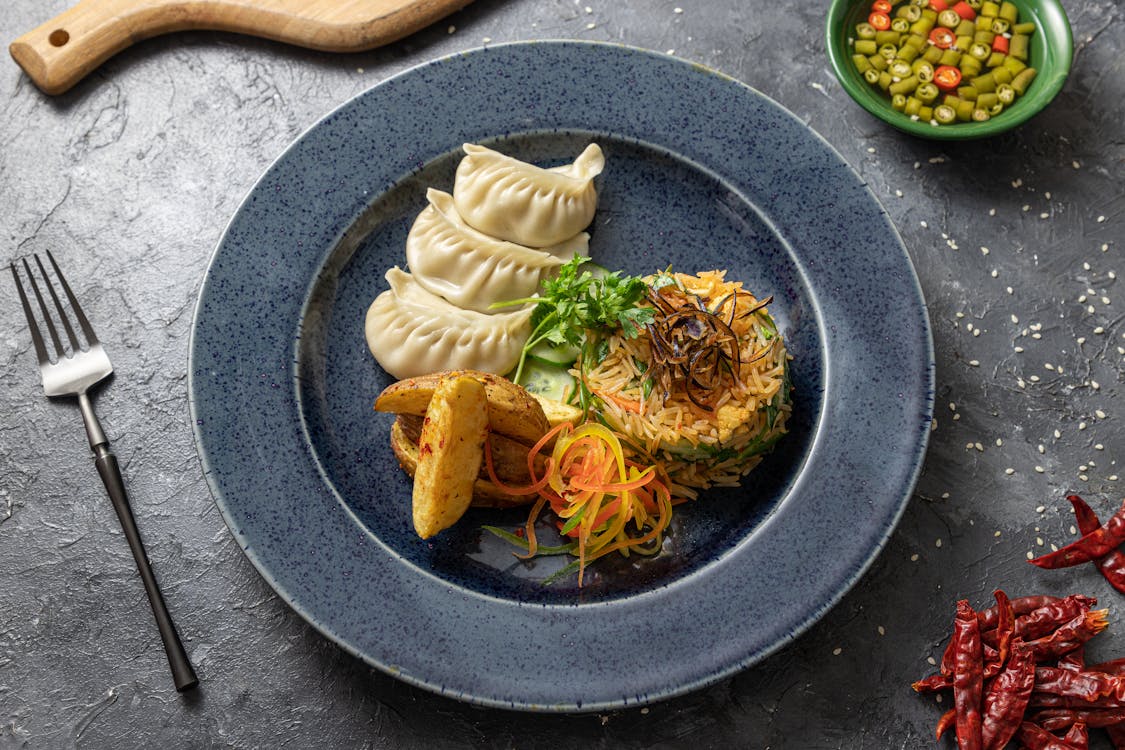




Fusion cooking, the blending of culinary traditions and techniques from different cultures, has gained significant traction over the last few decades. It’s no longer just a trend; it’s a movement that is reshaping the landscape of gourmet dining. As chefs worldwide experiment with new ways to combine the familiar with the exotic, the possibilities are as endless as the palates they aim to satisfy. But is fusion cooking truly the future of gourmet dining?
This article will explore the concept of fusion cuisine, its impact on the food industry, and its potential to redefine the future of gourmet dining. From the evolution of food to its cultural significance, we’ll delve into why fusion is more than just a passing craze.
The Origins of Fusion Cooking
At its core, fusion cooking is about breaking down the barriers between different culinary traditions and experimenting with new combinations of ingredients, flavors, and techniques. It’s not a new phenomenon—people have been combining elements of various cuisines for centuries. The history of fusion cooking can be traced to early trade routes where spices, herbs, and cooking methods were exchanged between cultures.
In the modern sense, fusion cuisine began to take shape in the 1970s and 1980s, particularly in cosmopolitan cities like New York and Los Angeles. Celebrity chefs such as Wolfgang Puck and Roy Yamaguchi were pioneers in blending French techniques with Asian ingredients, leading to the birth of “California cuisine” and the rise of fusion dishes.
What makes fusion cuisine unique is its ability to mix seemingly disparate culinary traditions in an innovative way that respects both their individual heritage and their potential for transformation. For example, combining the delicate, subtle flavors of Japanese sushi with the rich, bold tastes of Latin American tacos gives rise to dishes like sushi burritos—an iconic symbol of contemporary fusion.
The Rise of Fusion Cooking in Gourmet Dining
In the past, gourmet dining was often seen as a strict discipline of classical techniques and carefully curated, high-end ingredients. French haute cuisine ruled supreme, with Michelin stars given to establishments that followed centuries-old traditions. However, as dining culture has evolved, so too has the concept of “fine dining.”
Today, many of the world’s top chefs are embracing fusion cooking to break free from culinary constraints and push the boundaries of what fine dining can be. Consider the rise of restaurants like Narisawa in Tokyo, which blends Japanese flavors with European techniques, or Momofuku in New York, which infuses Asian-inspired elements into classic American comfort food.
The world of fusion cooking has moved beyond novelty. It’s now seen as an essential tool for culinary innovation. With globalization, chefs have access to a broader range of ingredients and flavors, and diners have become more adventurous in their tastes. As a result, fusion cooking has become a significant player in the high-end dining space.
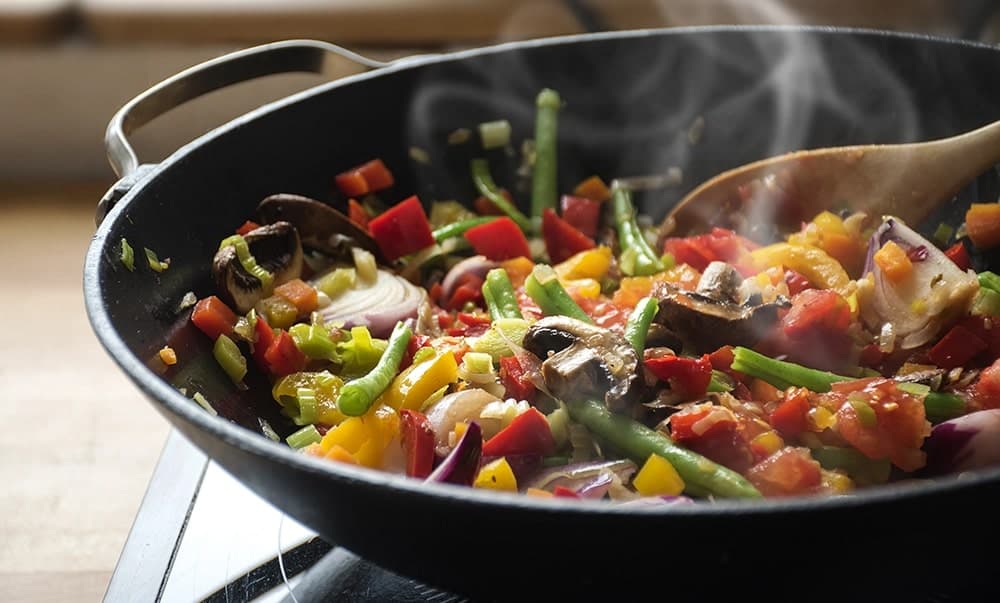
How Fusion Cooking is Redefining Gourmet Dining
The true beauty of fusion cooking lies in its ability to challenge and redefine what it means to create “gourmet” dishes. No longer constrained by traditional regional boundaries, chefs are free to experiment with a combination of ingredients and techniques from across the globe. This not only broadens the flavor palette but also pushes the limits of creativity in the kitchen.
- Global Influences Meet Local Ingredients
One of the driving forces behind fusion cooking’s rise in gourmet dining is the blending of global influences with locally sourced ingredients. Chefs are increasingly embracing the idea of “localization” in fusion dishes. For instance, a Korean barbecue taco may use locally raised meats, fresh local vegetables, and homemade tortillas, but the flavors and preparation methods will be distinctly Korean, adding a unique flair to the dish.
This dynamic blending allows for a greater exploration of regional flavors while maintaining a connection to the local community. It also gives chefs the opportunity to showcase indigenous ingredients in entirely new forms, creating a fusion of global techniques and local pride.
- Innovative Technique and Presentation
Beyond flavor, fusion cuisine allows chefs to explore innovative techniques and presentation styles that are central to gourmet dining. The techniques themselves can be borrowed from different parts of the world, allowing chefs to reimagine classical dishes through a more global lens. The cooking methods might range from sous-vide to molecular gastronomy, adding complexity to the dishes while maintaining the integrity of the ingredients.
In terms of presentation, fusion dishes are often visually striking. With the use of elements like edible flowers, microgreens, and artful garnishes, fusion cuisine becomes an experience that tantalizes both the taste buds and the eyes. The visual appeal of fusion dishes often encourages diners to see food as not just a meal but a form of artistic expression.
- Breaking Cultural and Culinary Boundaries

Fusion cooking represents more than just an exploration of new flavors. It embodies the breakdown of cultural barriers and the democratization of cuisine. In the past, high-end dining establishments were often rooted in European culinary traditions, but fusion cuisine has created a new narrative. By borrowing from Asian, Latin American, African, and other culinary traditions, fusion chefs are creating dishes that speak to the diversity of global food culture.
For instance, Korean BBQ meets American burgers, or French pastries take on an exotic twist with Middle Eastern spices. Fusion cooking invites diners into a world where the best of many traditions come together to create something new and exciting.
- Sustainability and Ethical Eating
Another important aspect of fusion cooking in modern fine dining is its potential to drive sustainability and ethical eating practices. Many fusion chefs are increasingly adopting sustainable sourcing practices, making use of organic, seasonal ingredients and minimizing food waste. The fusion approach allows for a broader spectrum of ingredient possibilities, some of which may be more sustainable or ethically sourced than others.
As the world’s population grows and resources become more scarce, fusion cooking has the potential to incorporate alternative proteins (such as plant-based or lab-grown meat) into high-end dishes, making fine dining both innovative and responsible. It’s a fusion of flavors and future-facing practices that reflect the concerns of a global, environmentally conscious community.
Why Fusion Cooking is Here to Stay
While there will always be a place for traditional gourmet dining, fusion cooking is shaping the future of culinary exploration. It reflects the interconnectedness of the world today, where culinary traditions are no longer isolated but rather constantly evolving. The rise of food blogs, social media, and travel has exposed people to a wide variety of cuisines, and as our palates expand, so does our willingness to embrace innovation in the kitchen.
Moreover, fusion cooking offers a unique way for chefs to express themselves, transcending the rigid structure of traditional culinary schools and embracing the freedom to explore new ideas. As long as chefs continue to experiment and push boundaries, the future of fine dining will be defined by a blend of old and new, East and West, tradition and innovation.
The Challenges and Controversies
Despite its popularity, fusion cuisine is not without its detractors. Some critics argue that it dilutes the authenticity of traditional dishes and diminishes the cultural heritage of the cuisines being fused. Others worry that it risks over-simplifying complex culinary traditions for the sake of novelty.
The key to successfully navigating these challenges lies in respect for the original culinary traditions and an understanding of the cultures from which these techniques and flavors are borrowed. When done thoughtfully, fusion cooking doesn’t erase tradition—it enhances it. Instead of simply adding exotic ingredients to a dish, the fusion chef should honor the spirit of the original cuisine while presenting it in an innovative, contemporary context.
Conclusion: The Future of Gourmet Dining
As the world becomes more connected, food will continue to evolve into something more fluid and dynamic. Fusion cooking is undoubtedly a major force in this transformation. It challenges culinary norms, brings together the best of different traditions, and encourages chefs to think outside the box.
The future of gourmet dining lies not in rigid adherence to tradition but in the freedom to experiment, adapt, and innovate. Fusion cuisine, by nature, is a reflection of our globalized society, where boundaries are constantly shifting and cultural exchanges are commonplace.
The fusion of flavors, techniques, and ingredients from around the world is creating a new era of culinary experiences that are not just about food but about storytelling, creativity, and connection. Whether we’re savoring a plate of truffle-infused sushi or digging into a taco made with Thai flavors, one thing is clear: Fusion cooking is the future of gourmet dining.