



When it comes to choosing the right kind of meat, a lot of people are faced with a choice that might seem simple at first glance—grass-fed or grain-fed? At first glance, they may both seem like just cuts of beef, lamb, or pork, but the truth is, the type of feed an animal consumes can make a surprising difference in taste, texture, and nutritional profile.
This question has intrigued both chefs and food enthusiasts, leading to debates and discussions about the real impact of the diet on the final product. Some claim grass-fed meat is far superior, while others argue that grain-fed options are the tastier choice. But can you truly tell the difference in taste? Or is it all just hype? Let’s break it down in a detailed, but fun and engaging way.
Understanding the Basics: Grass-Fed vs. Grain-Fed
Before diving into the taste differences, let’s first clarify the two types of meat. Both refer to the diet that the animal receives before it’s processed, and that diet directly influences the final product.
Grass-Fed Meat
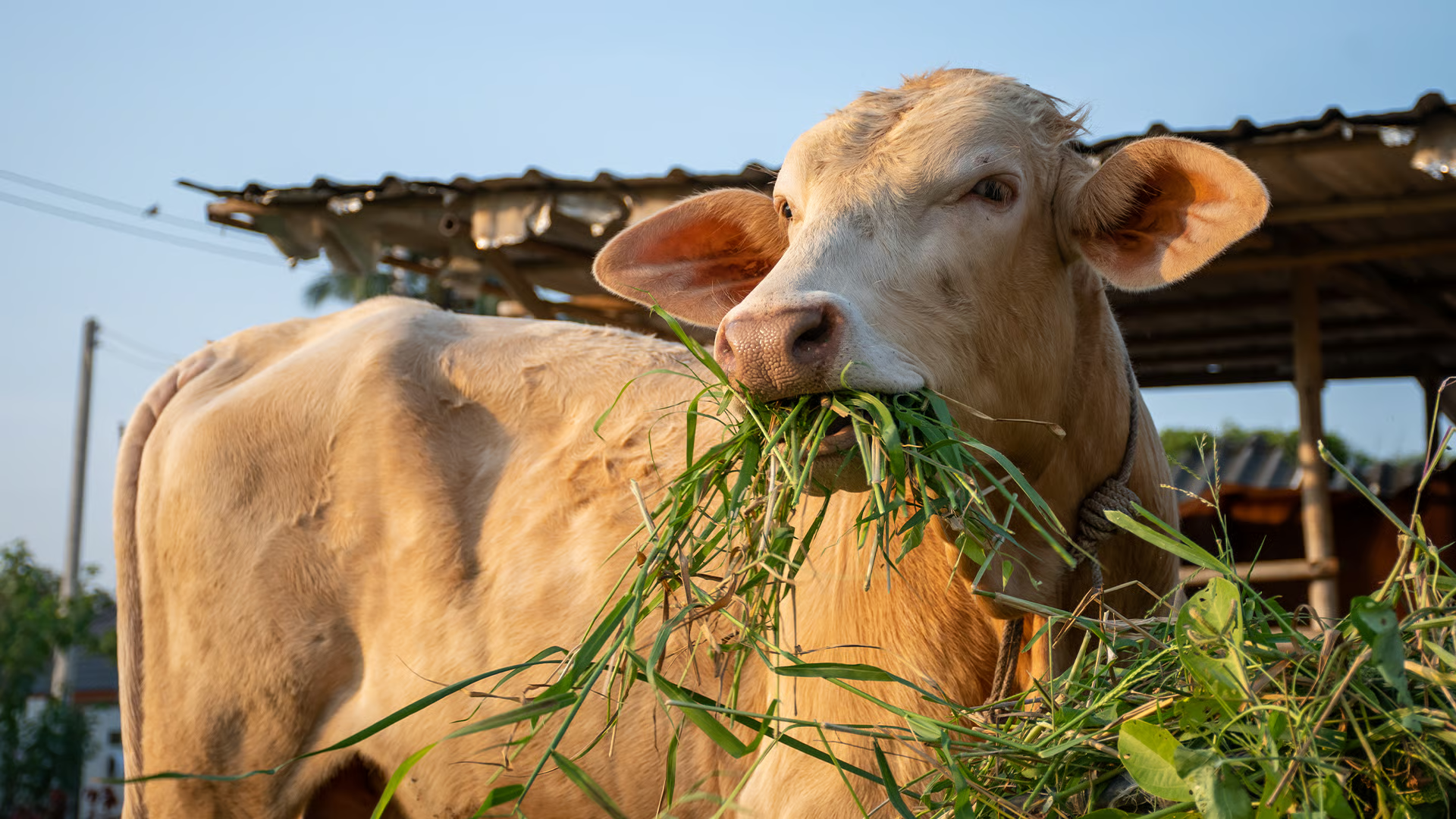
As the name suggests, grass-fed animals (usually cattle) are raised on a diet primarily consisting of grass, hay, and other forage that they graze on. This is the diet they would naturally eat in the wild. These animals are typically raised in open pastures, where they roam freely, which is a stark contrast to their grain-fed counterparts.
Key Characteristics of Grass-Fed Meat:
- Diet: Grass, forbs, and hay.
- Texture: Leaner with a firmer texture.
- Flavor: More earthy, often described as “gamey.”
- Fat content: Lower fat content compared to grain-fed meat.
- Omega-3s: Higher omega-3 fatty acids, which are considered beneficial for heart health.
- Conjugated Linoleic Acid (CLA): Higher CLA levels, which are associated with various health benefits.
Grain-Fed Meat
Grain-fed animals are usually fed a diet that includes grains such as corn, soy, and other cereal crops. These animals are often kept in feedlots, where they’re confined and fed to fatten them up quickly for market. The primary goal with grain feeding is to increase weight gain in a shorter period, making the meat more tender and fatty.
Key Characteristics of Grain-Fed Meat:
- Diet: Grains, corn, soy, and sometimes supplements.
- Texture: Tender, with more marbling (fat between the muscle fibers).
- Flavor: Milder, often sweeter.
- Fat content: Higher fat content, which makes it juicier.
- Omega-3s: Lower omega-3 levels compared to grass-fed meat.
- Marbling: More visible fat, which leads to a more tender and juicy steak.
The Taste Test: Is There Really a Difference?
Now that we understand the basic differences in the animal’s diet, let’s get into the all-important question: can you really taste the difference between grass-fed and grain-fed meat?
Grass-Fed Meat: Stronger, Bolder Flavors

Grass-fed meat is often described as having a more intense, earthy flavor that some people love, while others might find it a bit too strong. This distinct flavor comes from the natural grasses the animals consume and the leaner nature of the meat itself. The less fat means fewer of the juicy, fatty flavors that some consumers might expect from a steak. The taste is often considered “gamey,” similar to wild venison or other game animals.
Many chefs and foodies describe grass-fed meat as having a more complex flavor profile. The animals’ natural diet can introduce subtle hints of the plants they graze on, which varies depending on the season, location, and the specific types of grass they eat. Some aficionados say that the flavor of grass-fed beef can taste “cleaner,” but the gamey quality might take some getting used to, especially for those who are accustomed to grain-fed meat’s milder taste.
Grain-Fed Meat: Tender and Mild
On the other hand, grain-fed meat is generally known for its mild, sweet flavor. The grains used in the animal’s diet are rich in starch, which influences the taste, making the meat much more tender and juicy. The added fat that comes from a grain-fed diet also plays a significant role in the flavor. That marbling (fat within the muscle) is what makes grain-fed beef so desirable to those who prefer a rich, juicy steak. The fat melts during cooking, adding to the overall mouthfeel and making each bite moist and flavorful.
The flavor is often described as less complex, but many people prefer this smoother, softer taste, especially for cuts like ribeyes, where tenderness and juiciness are the most desired qualities. For many consumers, this milder flavor is a key selling point, as it’s familiar and often perceived as more “delicious” because of its juicy texture and mouthfeel.
Can You Really Tell the Difference?
If you were to conduct a blind taste test, the answer depends on who’s tasting and what they prefer. Many people, especially those who are more accustomed to grain-fed meats, might not immediately notice a dramatic difference in taste, but there are certainly distinct qualities. If you’re someone who enjoys a leaner, more earthy flavor and you appreciate a less tender, more robust bite, you might find yourself leaning toward grass-fed meat. However, if you’re someone who prefers tenderness, juiciness, and a milder flavor, then grain-fed meat could be the better choice.
The Role of Marbling in Taste and Texture
One of the most noticeable differences between these two types of meat is marbling—the small streaks of fat within the muscle fibers. This marbling is more prominent in grain-fed meats, giving them a higher fat content. This fat contributes not only to the texture but also to the flavor. When the fat melts during cooking, it makes the meat tender and juicy. This is why steak lovers often seek cuts like ribeye or T-bone, where marbling plays a key role in providing a richer, more indulgent eating experience.
Grass-fed meat, being leaner, has less marbling, which means that while it might be more flavorful in terms of complexity, it can be tougher and less juicy. For some people, the leaner texture is a deal-breaker, while others enjoy the firmer, “chewier” nature of grass-fed meat.
Nutritional Differences: Does the Taste Match the Health Benefits?
While taste is often subjective, there’s a growing interest in the nutritional differences between grass-fed and grain-fed meat. Many proponents of grass-fed meat claim that it’s not only healthier but also more nutritious. But is this true?

Grass-Fed Meat: Healthier and More Nutrient-Dense
Grass-fed meat tends to have a higher concentration of beneficial nutrients like omega-3 fatty acids, antioxidants, and vitamins. This is largely due to the animals’ diet, which includes a variety of grasses, herbs, and other plant matter that are naturally rich in these nutrients.
- Omega-3 Fatty Acids: Grass-fed meat has significantly more omega-3 fatty acids, which are essential for brain function, heart health, and reducing inflammation. Omega-3s are a hallmark of the Mediterranean diet, and they’re considered a “good” fat, unlike the omega-6 fatty acids commonly found in processed foods.
- Conjugated Linoleic Acid (CLA): Grass-fed beef has higher levels of CLA, a type of fat that’s thought to have potential health benefits, including improving metabolic function and reducing body fat.
- Vitamins and Antioxidants: Grass-fed meat is also richer in certain vitamins, like vitamin E and beta-carotene, due to the animals’ diet of nutrient-dense plants. These antioxidants can help combat oxidative stress and promote overall health.
Grain-Fed Meat: More Calories, Less Nutrition
While grain-fed meat tends to be higher in fat, it also tends to be higher in calories and lower in the healthy omega-3s and other beneficial nutrients found in grass-fed alternatives. This makes grain-fed meat a more calorically dense option, but one that doesn’t offer as many of the health benefits touted by proponents of grass-fed products.
That said, the higher fat content of grain-fed meat still provides a rich source of energy, and for many people, the taste of the meat alone is enough to outweigh the nutritional differences.
Cooking Tips: Preparing Grass-Fed vs. Grain-Fed Meat
Because of the differences in fat content, grass-fed and grain-fed meats require slightly different approaches when it comes to cooking. Understanding how to prepare each properly can help you get the best possible flavor and texture from both types of meat.
Grass-Fed Meat: Slow and Low
Since grass-fed meat is leaner and lacks the same level of fat as grain-fed meat, it can become tough if cooked improperly. To get the best results, it’s important to cook grass-fed meat over low heat to retain its tenderness and prevent it from drying out. It’s also a good idea to marinate the meat before cooking, which can help add flavor and moisture.
Grain-Fed Meat: High Heat, Quick Cooking
Grain-fed meat, with its higher fat content, benefits from quicker cooking at higher temperatures. Whether you’re grilling, pan-searing, or broiling, the fat will melt quickly, giving the meat a juicy texture. Just be sure not to overcook it, as too much heat can cause the fat to break down, making the meat greasy and less enjoyable.
Conclusion: Which One Wins?
Ultimately, the choice between grass-fed and grain-fed meat comes down to personal preference. If you value a rich, juicy, and tender steak with a milder flavor, then grain-fed meat might be your go-to choice. On the other hand, if you prefer a leaner, more complex flavor with a slightly firmer texture, then grass-fed meat may be worth the extra cost and effort.
Both types of meat have their own merits, and each provides unique culinary experiences. The best way to decide? Try both! Your taste buds will tell you which one reigns supreme.