



Over the past few years, bone broth has surged in popularity, transitioning from a humble kitchen staple to a trendy health elixir in homes and restaurants across the globe. Its rich, nourishing properties have captured the attention of health enthusiasts, athletes, and those seeking natural remedies to common ailments. But why has bone broth become such a hot topic in health-conscious kitchens? Is it just a passing trend, or is there more to this ancient culinary tradition than meets the eye?
In this article, we explore the reasons behind the growing popularity of bone broth, its health benefits, and why it’s earning a permanent spot in kitchens worldwide.
A Glimpse Into Bone Broth’s Ancient Origins
Bone broth isn’t a new discovery—it’s a practice that dates back thousands of years. Civilizations such as the Egyptians, Chinese, and Romans utilized animal bones, skin, and connective tissues to create hearty broths, believing them to be nourishing and restorative. Early cultures recognized the healing properties of these broths, especially for digestive health and joint pain.
For centuries, bone broth was a staple of home cooking, made with scraps and bones that would otherwise go to waste. However, in modern times, it has reemerged as a health food, touted for its myriad benefits, from joint support to skin rejuvenation. So, what makes this ancient drink so relevant in today’s health-conscious world?
The Rise of Bone Broth in the Modern Wellness Movement
The revival of bone broth is closely tied to the modern wellness movement, which emphasizes holistic health, natural healing, and conscious eating. As consumers increasingly seek food that nourishes the body in a sustainable, whole-food manner, bone broth fits seamlessly into this paradigm. It’s not just a passing trend—it’s rooted in principles that have been valued for centuries, offering a blend of taste, nutrition, and versatility.
With the growing popularity of diets such as Paleo and Whole30, bone broth aligns perfectly with the emphasis on high-protein, nutrient-dense foods that promote healing and regeneration. These diets, which favor foods that are free from refined sugars and processed ingredients, have paved the way for bone broth to step back into the spotlight as a superfood.
What Makes Bone Broth a Health Powerhouse?
Bone broth is more than just a flavorful addition to soups and stews. Its health benefits are at the heart of why it’s being embraced by so many health-conscious individuals. Let’s break down the key nutrients and elements that make bone broth a nutritional powerhouse.
1. Rich in Collagen and Gelatin
One of the primary reasons people turn to bone broth is its high collagen content. Collagen is the most abundant protein in the human body, found in connective tissues, skin, and bones. As we age, collagen production naturally decreases, which can lead to joint pain, wrinkles, and weakened bones.

Bone broth is an excellent source of collagen, which, when cooked, transforms into gelatin. Gelatin has been shown to support joint health, improve skin elasticity, and enhance gut function. The bioavailability of collagen in bone broth is also higher than in other forms of collagen supplementation, making it an effective and accessible option for those seeking to support their joints and skin.
2. Gut-Healing Properties
Bone broth contains amino acids like glutamine, proline, and glycine, which play a vital role in supporting gut health. These amino acids help repair the intestinal lining, reduce inflammation, and promote better digestion. For individuals with gut issues such as leaky gut syndrome or irritable bowel syndrome (IBS), bone broth can be a valuable addition to their diet.
Additionally, the gelatin in bone broth aids in the digestion of foods by supporting the stomach’s ability to break down proteins and other nutrients, leading to improved nutrient absorption.
3. Mineral-Rich
Bone broth is an excellent source of essential minerals such as calcium, magnesium, potassium, and phosphorus, all of which play crucial roles in maintaining bone health, muscle function, and overall vitality. The process of simmering bones over an extended period allows these minerals to leach into the broth, making them readily available for absorption by the body.
For those looking to support their bones and joints, this mineral content is particularly beneficial, as it helps fortify bones and maintain healthy cartilage.
4. Supports Joint Health
The collagen and gelatin found in bone broth are particularly helpful for joint health. These compounds help maintain the integrity of cartilage and the fluidity of joints, which can reduce inflammation and ease discomfort associated with joint pain or conditions like osteoarthritis.
Additionally, the amino acids found in bone broth, particularly glycine and proline, are essential for the repair and rebuilding of tissues, further supporting joint function and mobility.
5. Promotes Skin Health
Many skincare products are infused with collagen to support skin elasticity and hydration, but the most natural and effective way to boost collagen production is through dietary sources. Bone broth is rich in collagen, and consuming it regularly can help improve the appearance of skin by promoting elasticity, reducing wrinkles, and improving skin hydration.
The glycine in bone broth also supports the body’s natural production of antioxidants, such as glutathione, which protects skin cells from oxidative stress and environmental damage.
6. Improves Immune Function
Bone broth can also play a role in strengthening the immune system. Its amino acids, like arginine and glutamine, support the immune response and help reduce inflammation. These amino acids work together to promote gut health, which is closely tied to immune function, as a significant portion of the body’s immune system resides in the digestive tract.

The Bone Broth Trend in the Culinary World
Beyond its nutritional benefits, bone broth has made waves in the culinary world for its versatility and depth of flavor. It is being used as a base for soups, stews, and sauces, as well as a cooking medium for grains and vegetables. In addition to traditional uses, innovative chefs have begun incorporating bone broth into everything from smoothies to coffee, giving it a modern twist that appeals to contemporary tastes.
Restaurants and cafes around the world now serve bone broth as a standalone drink, often as a warming, savory alternative to coffee or tea. Its rich, umami flavor and health benefits make it a sought-after beverage for those looking to nourish their bodies with each sip.
In fact, bone broth is often marketed as a “gut-healing elixir,” and it has found a niche in wellness-focused eateries, which cater to customers seeking functional foods with therapeutic properties. Whether it’s a bowl of chicken bone broth or a decadent beef broth-based ramen, the versatility of bone broth allows it to adapt to a variety of culinary applications.
How to Make Bone Broth at Home
Making bone broth at home is a simple process, but it requires patience. The key is to simmer the bones slowly over an extended period, allowing all the nutrients to be extracted. Here’s a basic recipe to get started:
Ingredients:
- 2-3 lbs of bones (chicken, beef, or pork)
- 1 tablespoon apple cider vinegar
- 1 onion, halved
- 2 carrots, chopped
- 2 celery stalks, chopped
- 2-3 garlic cloves (optional)
- 1-2 bay leaves
- Salt and pepper to taste
- Water (enough to cover the bones)
Instructions:
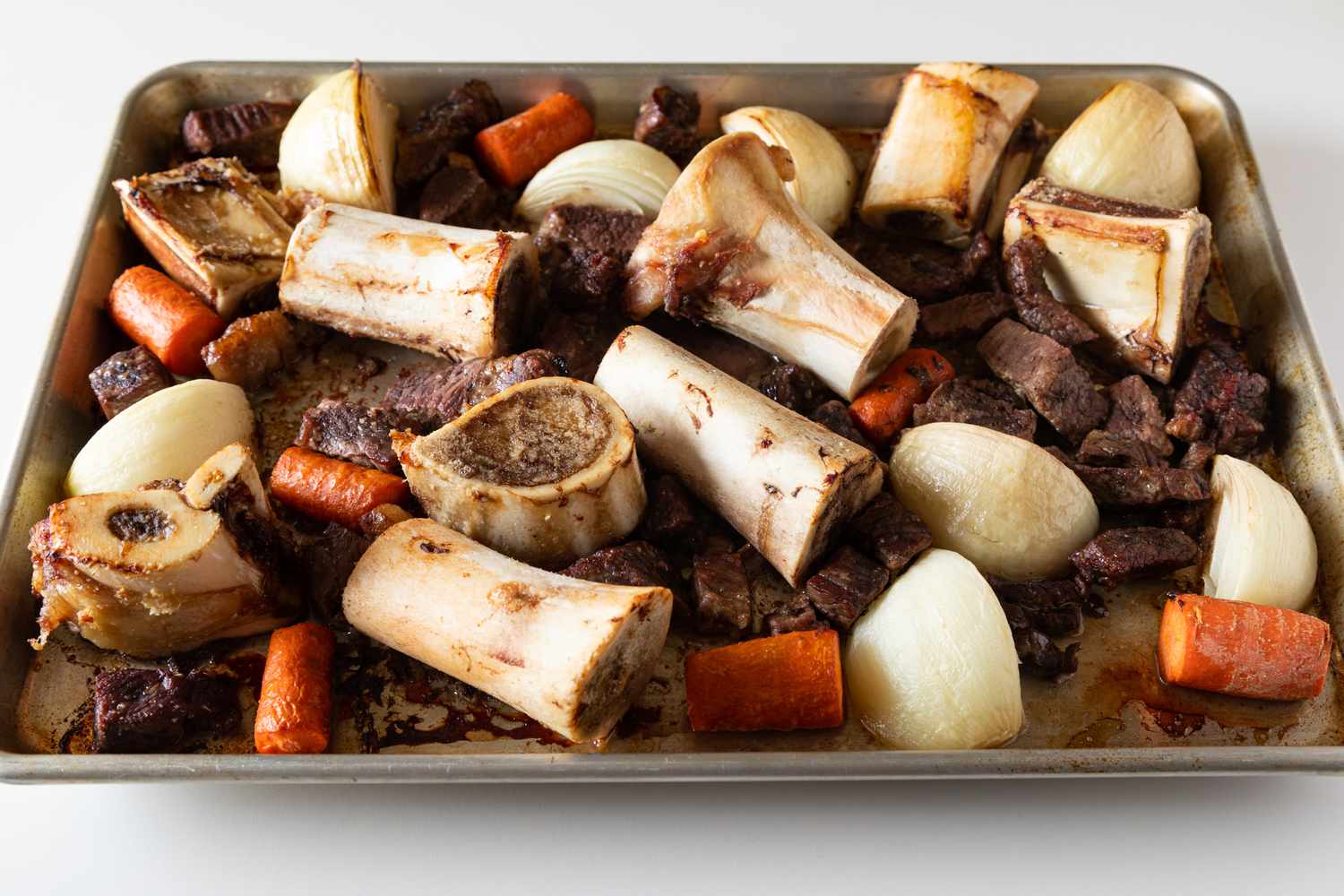
- Prepare the bones: If using beef bones, you may want to roast them in the oven at 400°F for 30 minutes to enhance the flavor.
- Simmer: Place the bones in a large stockpot or slow cooker. Add the vinegar, vegetables, and any seasonings you like. Cover with water.
- Cook: Bring the mixture to a boil, then reduce the heat and simmer for 12-24 hours (the longer, the better). Skim the broth occasionally to remove impurities.
- Strain: Once the broth has cooked down and become flavorful, strain it through a fine mesh sieve.
- Store: Cool the broth and store it in the refrigerator for up to five days or freeze for longer storage.
The Environmental Impact: Bone Broth and Sustainability
In an era where sustainability is a growing concern, bone broth also shines as an eco-friendly food choice. By using bones and scraps that would otherwise be discarded, bone broth reduces food waste and ensures that every part of the animal is put to good use. In a world where conscious eating is becoming more important, bone broth offers a way to utilize overlooked parts of animals, making it a sustainable addition to the kitchen.
Final Thoughts: Is Bone Broth Here to Stay?
With its myriad health benefits, culinary versatility, and alignment with sustainable eating practices, bone broth is more than just a passing trend. It has earned its place as a staple in health-conscious kitchens, offering a blend of tradition, nourishment, and modern-day practicality.
Whether you drink it as a warm beverage, use it as a base for soups and stews, or incorporate it into various recipes, bone broth provides a wholesome way to support your body’s healing processes, boost immunity, and promote overall wellness. As more people embrace the benefits of whole, nutrient-dense foods, it’s clear that bone broth’s popularity isn’t likely to fade anytime soon.