



Sweet and savory are often presented as opposites: dessert versus dinner, sugar versus salt, indulgence versus sustenance. Yet some of the most memorable foods in the world live precisely in the space between these two poles. Think of honey glazed vegetables, fruit paired with cheese, or sauces that whisper sugar while delivering depth and umami. The question is not whether sweet and savory can coexist, but how to intentionally design a dish where they enhance each other rather than compete.
This article explores the philosophy, science, and technique behind creating a truly harmonious sweet–savory dish. We will move from flavor theory to ingredient selection, from cooking methods to plating aesthetics, and finally arrive at a complete, original dish concept that demonstrates these ideas in practice. The goal is not just to give a recipe, but to give you a way of thinking—one that allows you to invent endlessly within this delicious intersection.
1. Understanding the Sweet–Savory Spectrum
Sweet and savory are not rigid categories. They are ends of a spectrum shaped by culture, biology, and expectation.
Sweetness is primarily associated with sugars and signals energy-rich foods. Savory, often described through the concept of umami, is linked to amino acids, minerals, and cooked depth. In real cooking, however, few ingredients are purely one or the other. Carrots are sweet, but undeniably savory when roasted. Tomatoes contain natural sugars and glutamates. Onions begin sharp and sulfurous, then turn sweet and mellow as they cook.
A successful sweet–savory dish acknowledges this spectrum and uses it intentionally. Instead of “adding sugar to a salty dish” or “adding salt to a dessert,” the cook shapes a gradient of flavors that feels natural and inevitable.
2. Why Sweet and Savory Work So Well Together
From a sensory perspective, sweet and savory enhance each other through contrast and balance.
- Contrast keeps the palate engaged. Sweetness can soften sharp or bitter notes, while savory elements prevent sweetness from becoming cloying.
- Balance creates completeness. Salt enhances sweetness, and sweetness rounds out saltiness.
- Complexity emerges when multiple taste receptors are activated at once, creating a fuller flavor experience.
From a psychological standpoint, sweet–savory combinations feel both comforting and intriguing. They trigger familiarity while offering surprise, which is why they appear so often in celebratory meals and comfort foods across cultures.
3. Cultural Perspectives on Sweet–Savory Cooking
Many culinary traditions have embraced sweet–savory cooking for centuries, often without labeling it as such.
- In East Asian cuisines, sweetness is frequently used in savory dishes through ingredients like fruit, root vegetables, or naturally sweet sauces.
- Middle Eastern cooking balances dried fruits, nuts, and spices with grains and proteins.
- Mediterranean traditions pair honey or fruit with cheese, vegetables, and herbs.
- Latin American cuisines often combine sweet fruits with chilies, acids, and savory bases.
These cuisines teach an important lesson: sweet–savory balance is not a novelty. It is a foundational approach to flavor, refined over generations.
4. The Science of Flavor Pairing
To create a dish that genuinely combines sweet and savory, it helps to understand what happens at a molecular and sensory level.
4.1 Taste vs. Flavor
Taste refers to basic sensations—sweet, salty, sour, bitter, umami—detected by the tongue. Flavor includes aroma, texture, temperature, and even sound. Sweet–savory success depends as much on aroma and texture as on taste.
4.2 The Role of Salt
Salt is the bridge between sweet and savory. In small amounts, it enhances sweetness by suppressing bitterness. In larger amounts, it anchors sweet elements within a savory framework.
4.3 Maillard Reactions
When foods brown through dry heat, they develop complex savory flavors and subtle sweetness at the same time. Roasting, searing, and baking are therefore ideal techniques for sweet–savory dishes.
4.4 Acidity as a Moderator
Acid does not belong exclusively to sweet or savory. It sharpens both and keeps a dish from feeling heavy. A touch of acidity is often what makes sweet–savory dishes feel clean rather than muddled.
5. Choosing the Right Ingredients
Ingredients are the vocabulary of your dish. Some words naturally speak both sweet and savory.
5.1 Naturally Sweet Savory Ingredients
- Root vegetables such as carrots, beets, and sweet potatoes
- Alliums like onions, shallots, and leeks
- Certain grains, including corn and some varieties of rice
These ingredients form a solid base because their sweetness feels intrinsic rather than added.
5.2 Sweet Elements with Depth
Not all sweetness is equal. Refined sweetness can overwhelm, while layered sweetness integrates.

- Roasted fruits instead of raw
- Reduced juices or purees
- Naturally sweet vegetables cooked slowly
5.3 Savory Anchors
To keep the dish grounded, include ingredients with umami or mineral notes:
- Mushrooms
- Fermented elements like aged condiments
- Toasted nuts or seeds
- Slow-cooked vegetables
These elements ensure the dish remains satisfying and meal-worthy.
6. Techniques That Unite Sweet and Savory
Technique is often more important than ingredient choice.
6.1 Slow Cooking
Slow heat transforms starches into sugars and mellows harsh flavors. It is ideal for building natural sweetness without adding sugar.
6.2 Roasting and Caramelization
High, dry heat creates both sweetness and savory depth. This dual transformation is the backbone of many sweet–savory dishes.
6.3 Layering
Instead of introducing sweetness all at once, layer it throughout the cooking process. A sweet base, a savory middle, and a lightly sweet finish feel more coherent than a single sweet addition.
6.4 Texture Play
Crunchy, creamy, chewy, and crisp textures help define flavor contrasts. A sweet element might be soft, while a savory one provides bite.
7. Designing the Dish: A Conceptual Framework
Before writing a recipe, define the dish conceptually.
Ask yourself:
- What is the primary identity of the dish—savory with sweet accents, or a true hybrid?
- When should sweetness appear: immediately, gradually, or at the end?
- Is the dish comforting, elegant, playful, or rustic?
For our example, we will design a dish that feels savory-first but reveals sweetness through aroma, texture, and finish.
8. The Dish Concept: Roasted Root Vegetables with Savory Grain Cream and Sweet-Spice Glaze
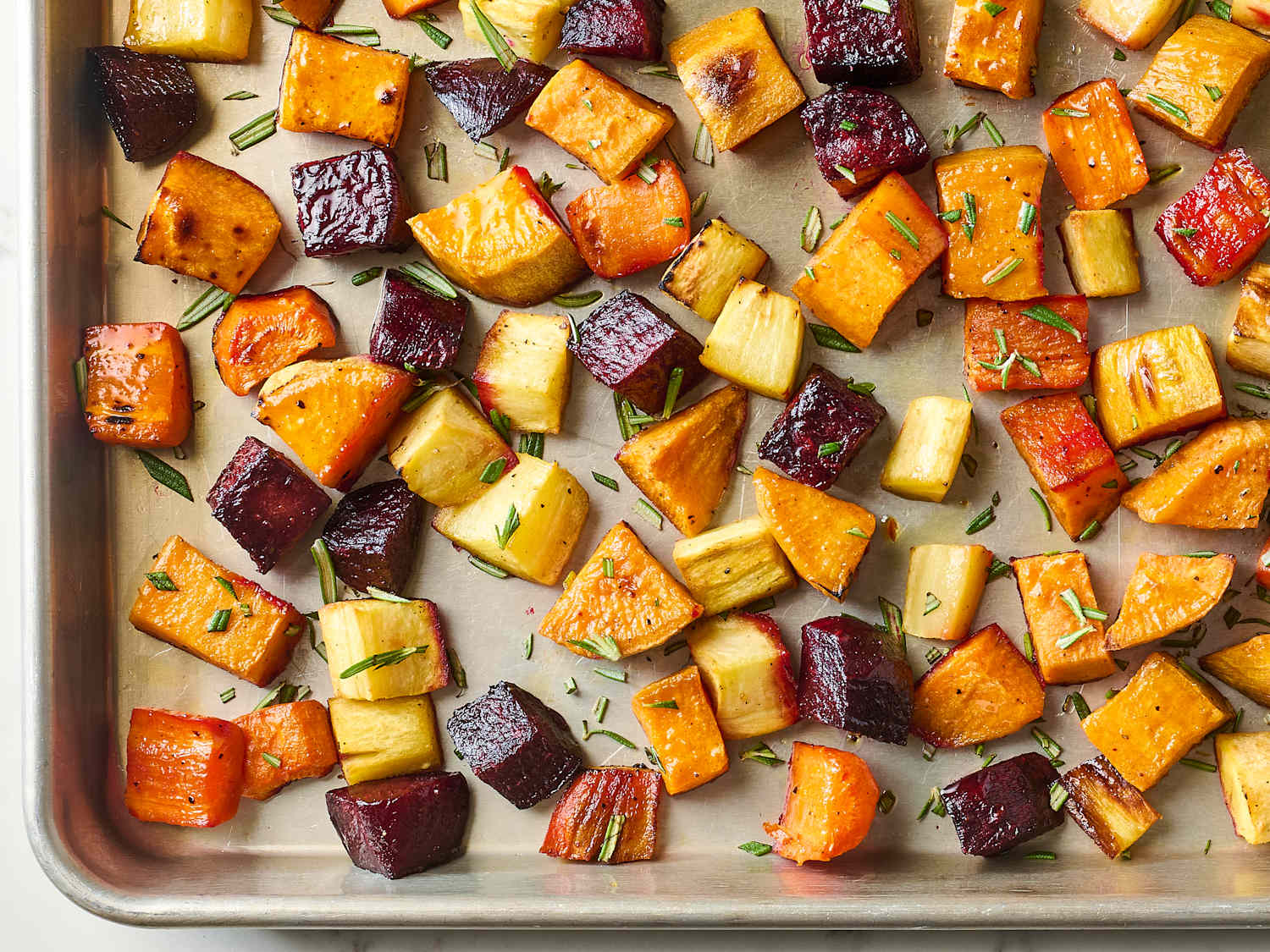
This dish is built around roasted root vegetables served over a creamy, savory grain base, finished with a subtle sweet-spice glaze and crisp herbal garnish. It is entirely plant-based, deeply satisfying, and structured to showcase sweet–savory harmony at every level.
9. Component Breakdown
9.1 The Roasted Vegetables
A mix of carrots, parsnips, and sweet potatoes provides natural sweetness and earthy depth. Roasting intensifies both.
Flavor profile:
- Sweet from caramelization
- Savory from browning
- Earthy and warm
9.2 The Savory Grain Cream
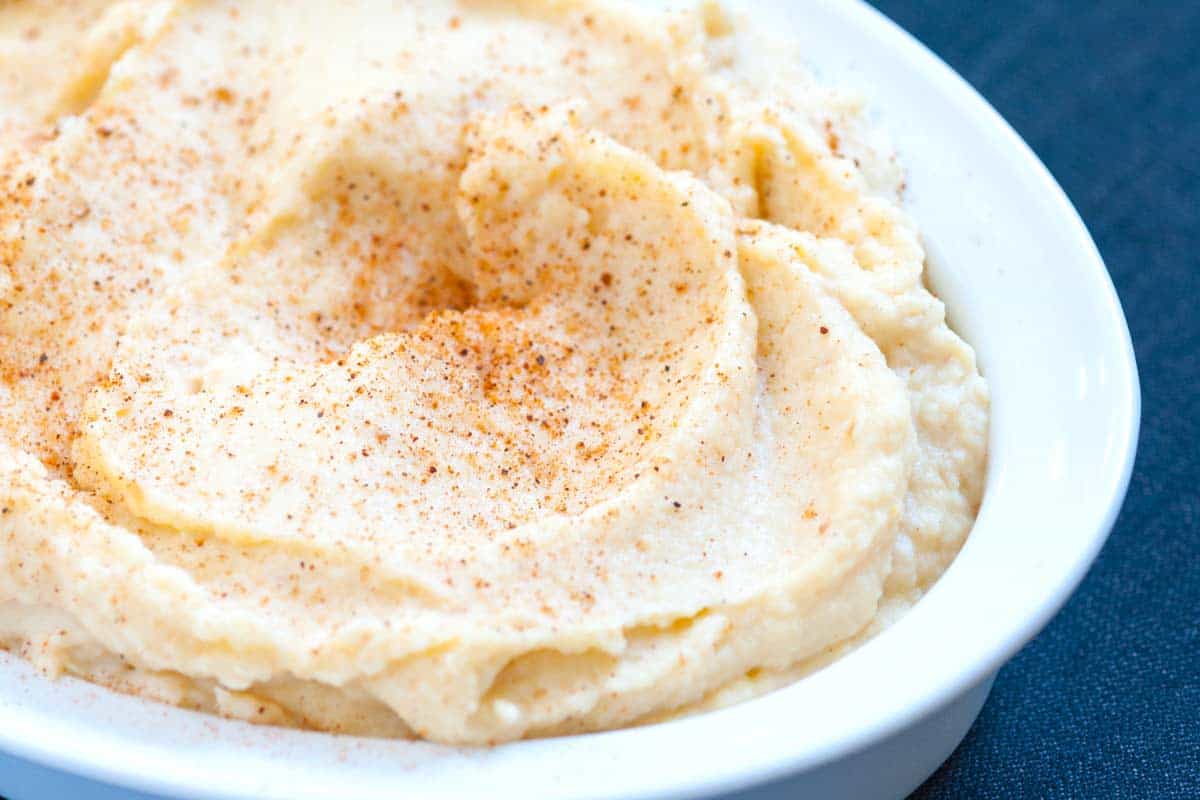
A slowly cooked grain blended into a smooth, savory cream anchors the dish. It provides richness without heaviness.
Flavor profile:
- Mild and nutty
- Gently salty
- Comforting
9.3 The Sweet-Spice Glaze
A reduced vegetable juice or puree infused with warm spices adds controlled sweetness and aromatic complexity.
Flavor profile:
- Subtle sweetness
- Gentle warmth
- Light acidity
9.4 The Garnish
Toasted seeds and fresh herbs add crunch and brightness, ensuring the dish remains lively.
10. Step-by-Step Cooking Philosophy (Without a Rigid Recipe)
Rather than listing measurements, this section explains why each step matters.
- Prepare the vegetables by cutting them evenly. Uniform size ensures even caramelization, which is crucial for balanced sweetness.
- Roast at high heat until deeply golden. Do not rush this step; color equals flavor.
- Cook the grain slowly, allowing it to release starch and develop body. Season lightly at first, then adjust.
- Blend the grain into a smooth cream. This creates a savory canvas that carries sweetness gracefully.
- Create the glaze by reducing a naturally sweet vegetable or fruit base until it coats a spoon. Add spice sparingly.
- Assemble thoughtfully, layering cream, vegetables, glaze, and garnish so each bite contains contrast.
11. Plating and Visual Balance
Sweet–savory harmony is reinforced visually.
- Use warm, earthy colors to suggest sweetness.
- Introduce green herbs to signal freshness and savory notes.
- Keep the plate uncluttered; clarity supports flavor perception.
The eye should read the dish as savory, with hints of warmth and richness that promise sweetness.
12. Eating Experience: How the Dish Unfolds
The first bite delivers savory comfort from the grain cream. The roasted vegetables follow with caramelized sweetness and depth. The glaze appears last, aromatic and lightly sweet, tying everything together. Crunch from the garnish resets the palate and invites the next bite.
This sequence is intentional. Sweetness does not dominate; it reveals itself gradually, rewarding attention.
13. Common Mistakes in Sweet–Savory Cooking
Even experienced cooks can struggle with balance.
- Over-sweetening: Too much sweetness flattens complexity.
- Late correction: Adding sweetness at the end without integration feels artificial.
- Ignoring texture: Flavor balance fails if texture is monotonous.
- Lack of acidity: Without brightness, the dish feels heavy.
Awareness of these pitfalls is as important as mastering technique.
14. How to Adapt the Concept
Once you understand the framework, adaptation becomes easy.
- Change the vegetables seasonally.
- Replace grains with legumes or pureed vegetables.
- Adjust spices to suit different cuisines.
- Vary garnishes to alter texture and aroma.
The core idea—natural sweetness integrated into a savory structure—remains constant.
15. Why This Approach Matters
Sweet–savory cooking encourages restraint, attention, and respect for ingredients. It moves cooking away from extremes and toward nuance. In a food culture often driven by intensity, this balance feels both modern and timeless.
16. Final Thoughts
So, can you create a dish that combines both sweet and savory? Absolutely—but the real achievement lies not in the combination itself, but in the harmony. When sweetness feels earned, when savoriness feels grounding, and when each bite tells a coherent story, you have succeeded.
The dish described here is only one example. The principles behind it are infinitely reusable. Once you begin to think in gradients instead of categories, sweet and savory stop being opposites and become partners in the same delicious conversation.