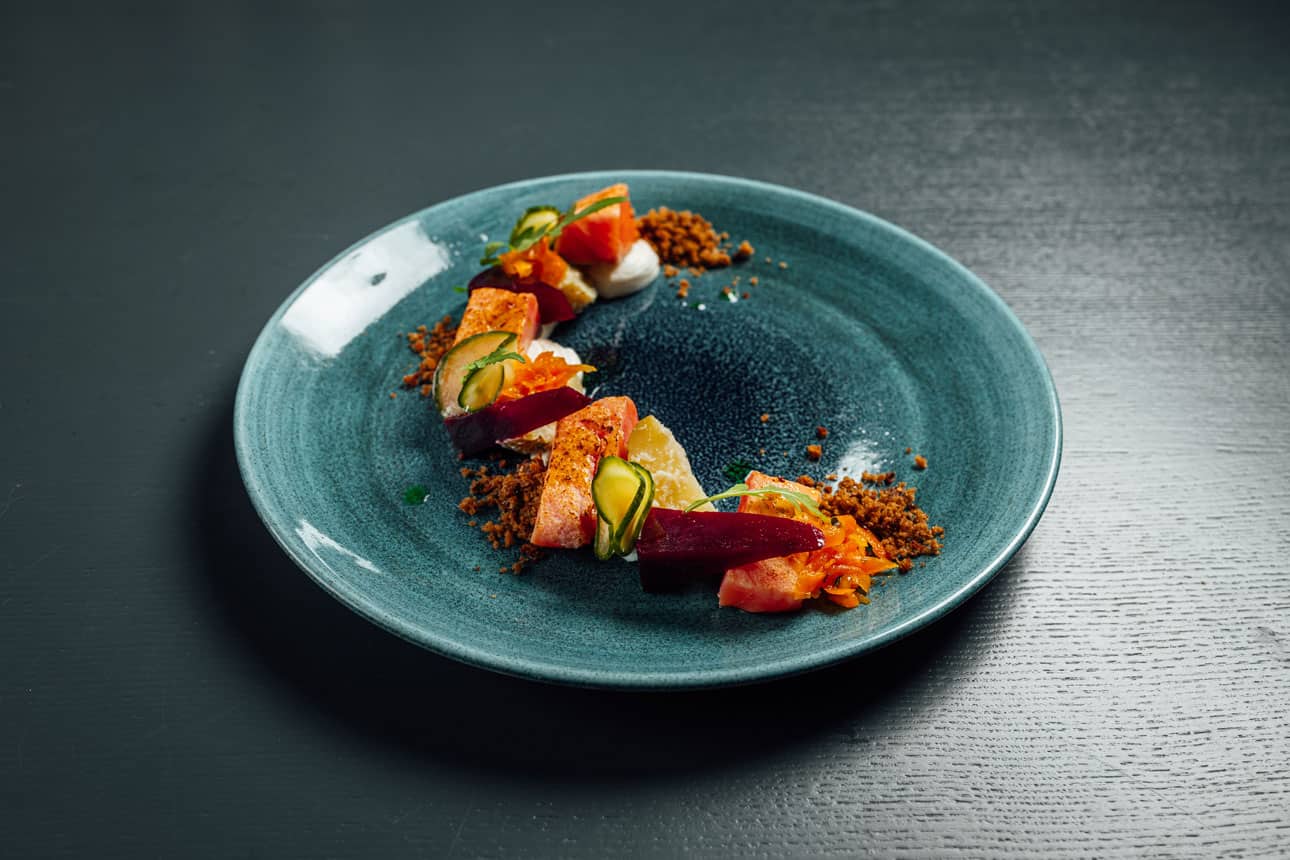




In the world of fine dining, few accolades carry as much weight as a Michelin star. This coveted symbol of excellence is awarded to a select group of restaurants and is a powerful indicator of the quality of the food, service, and overall experience that a place offers. But what exactly makes a dish stand out in a Michelin-starred restaurant? Why do certain dishes leave a lasting impression while others fade into memory? The answer lies not just in the ingredients, but in the artistry, technique, and philosophy behind the dish. In this article, we will explore the key elements that elevate a dish to the Michelin-starred level, from creativity and innovation to impeccable execution.
1. Creativity and Innovation: Thinking Outside the Box
At the heart of any Michelin-starred dish lies creativity. A Michelin-starred restaurant isn’t simply a place to serve good food; it’s a space where chefs push the boundaries of what’s possible in the culinary world. This creativity is seen in unexpected flavor combinations, innovative cooking techniques, and even in how dishes are plated and presented.
Michelin-star chefs are not afraid to take risks and experiment with new ideas. For example, they might take a traditional dish and deconstruct it, presenting it in a completely new form. Think of a classic French dish like beef bourguignon, which could be transformed into a modernist rendition with sous-vide beef, foam made from red wine sauce, and artistic garnishes that challenge diners to rethink what they thought they knew about food.
Innovation can also involve reinterpreting local ingredients in novel ways, or applying new technologies like molecular gastronomy to create textures and sensations that were once thought impossible. This fusion of art and science is often what makes a dish truly unique and memorable in the context of Michelin-star dining.
2. Seasonality and Sourcing: The Best Ingredients Make the Best Dishes
While creativity is essential, no dish can truly stand out without a foundation of excellent ingredients. Michelin-starred chefs prioritize sourcing the finest, most flavorful ingredients available. In fact, many of these chefs develop close relationships with farmers, fishermen, and artisanal producers to ensure they have access to the freshest seasonal ingredients possible.
One of the core principles behind Michelin-star cuisine is the idea of seasonality. A dish that incorporates ingredients at the peak of their freshness will naturally taste better and more vibrant. Whether it’s the first asparagus of spring, the ripest summer tomatoes, or the sweetest winter citrus, these ingredients have a certain “liveliness” that you can’t replicate with out-of-season produce.
For Michelin-starred restaurants, where every dish is an expression of culinary excellence, it’s not enough to simply use good ingredients. The sourcing has to be impeccable, whether it’s a rare breed of lamb raised in a specific region or a hand-harvested seaweed from a particular coastline. The emphasis is always on quality, rather than quantity.
3. Precision and Technique: Mastering the Craft
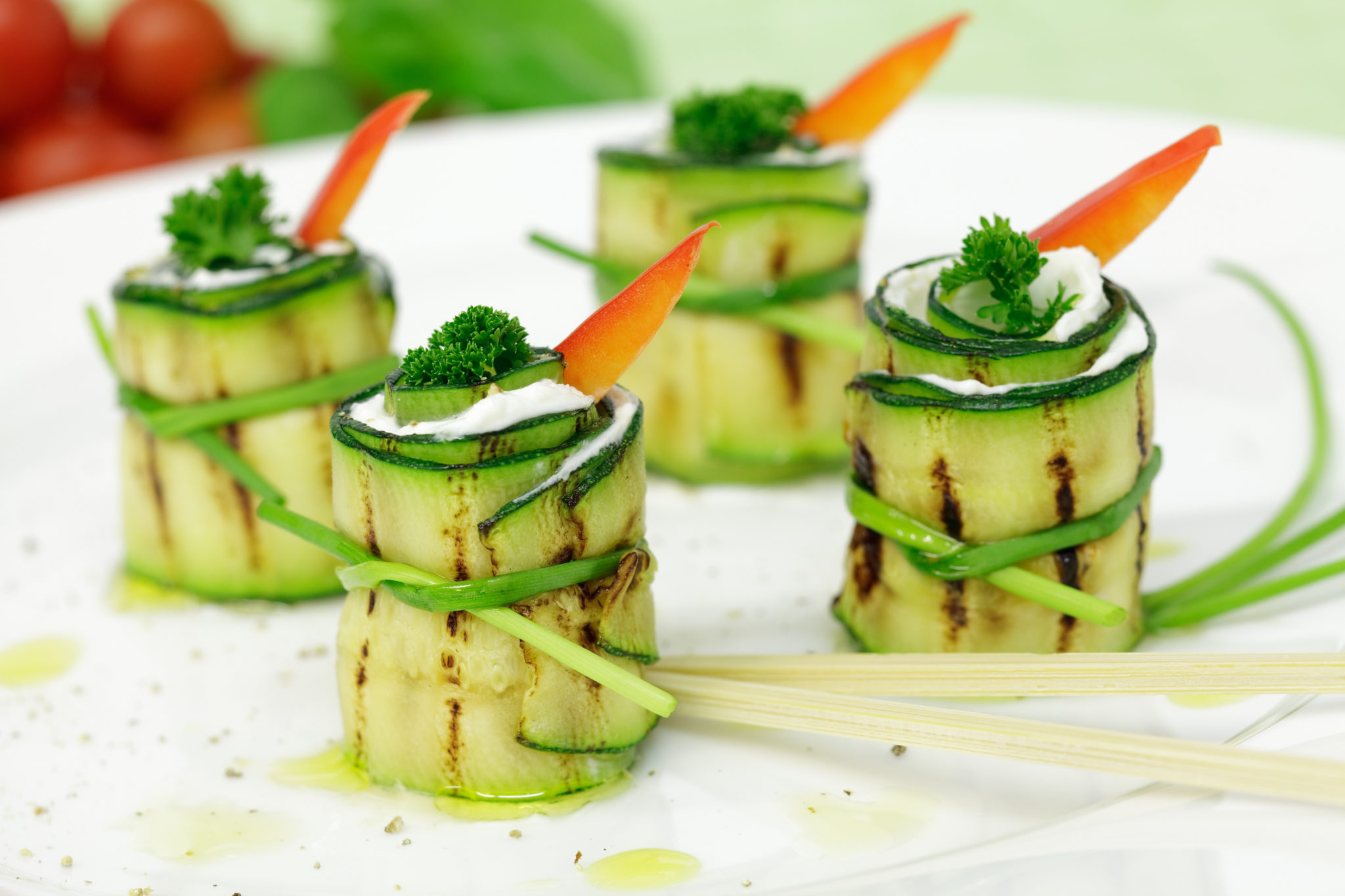
Technique is where many Michelin-star chefs truly shine. Every dish must be executed with the utmost precision, and even the slightest error can detract from the dish’s overall impact. Michelin-starred chefs are often experts in their craft, having spent years honing their skills and learning to master a wide range of cooking techniques.
Whether it’s the perfect sear on a piece of fish, the precise temperature for sous-vide cooking, or the delicate balance of flavors in a sauce, everything must be executed with care and attention to detail. The use of advanced techniques like fermentation, sous-vide, and even molecular gastronomy also adds an element of technical expertise that’s a hallmark of Michelin-star dining.
For a dish to stand out in a Michelin-starred restaurant, it must be impeccably prepared. This means everything from the timing of the cooking process to the texture and consistency of the dish, all working in harmony to create the perfect dining experience. Chefs at this level are perfectionists, constantly fine-tuning and adjusting their methods to ensure that every dish is a masterpiece.
4. Flavor Balance and Harmony: A Symphony of Tastes
A key aspect of any Michelin-starred dish is the balance of flavors. Michelin-starred chefs spend a great deal of time perfecting the flavor profiles of their dishes, ensuring that each element complements the others rather than overpowering them. The right balance of salt, acidity, sweetness, and bitterness is crucial in creating a harmonious and memorable dish.
Take, for instance, a classic dish like a tartare. A Michelin-starred chef will not simply chop up raw beef and season it with salt and pepper. They’ll focus on achieving a precise balance of flavor by adding ingredients like citrus zest, finely minced shallots, or a hint of mustard. Every element in the dish serves a specific purpose, contributing to the overall harmony of the flavors.
Moreover, texture plays a critical role in flavor balance. A dish might include elements that contrast in texture, such as a crisp, crunchy garnish paired with a smooth, velvety sauce. These contrasts enhance the dining experience, as the mouthfeel of each bite adds to the flavor complexity. In this way, Michelin-starred chefs create dishes that engage all the senses, not just the taste buds.
5. Presentation and Visual Appeal: The Art of Plating
In the world of Michelin-starred cuisine, presentation is everything. The way a dish is plated is a reflection of the chef’s artistry, and it’s often the first impression diners have of the meal. Every dish is presented with meticulous attention to detail, and the goal is to create something visually stunning that excites the diner even before they take their first bite.

Plating is an art form in its own right, and Michelin-star chefs are known for their ability to turn a plate of food into a canvas. The arrangement of colors, shapes, and textures plays a significant role in how the dish is perceived. For example, a chef might use microgreens to add a burst of color or drizzle a sauce in an intricate pattern to enhance the visual appeal of the dish.
However, it’s important to note that presentation is not just for show. In a Michelin-starred restaurant, the visual appeal of a dish often complements its flavor and texture, guiding the diner’s experience from the moment the dish is placed in front of them. The visual aspect of a dish can even influence the perception of taste, with beautifully plated food often seeming more delicious before it’s even tasted.
6. Dining Experience and Atmosphere: Beyond the Plate
While the food itself is the centerpiece of any Michelin-starred restaurant, the overall dining experience plays a critical role in elevating a dish. The atmosphere, service, and attention to detail throughout the meal contribute to the perception of a dish. In many Michelin-starred restaurants, the experience begins before you even sit down at the table. The ambiance is carefully curated to create an atmosphere of elegance, comfort, and anticipation.
Service is another crucial element that enhances the dining experience. At Michelin-starred restaurants, servers are trained to provide attentive, personalized service that enhances the overall enjoyment of the meal. From the wine pairings to the timing of each course, every aspect is carefully orchestrated to create a seamless dining experience.
For diners, the atmosphere and service can elevate a simple dish into something truly extraordinary. A Michelin-starred dish might be delicious on its own, but when combined with impeccable service and a luxurious setting, it becomes part of an unforgettable dining experience.
7. The Chef’s Philosophy: A Personal Touch
Lastly, the personality and philosophy of the chef plays an important role in what makes a dish stand out. Each Michelin-starred restaurant has its own distinct identity, shaped by the vision and creativity of the chef behind it. A dish might stand out not just because of its taste, but because it reflects the chef’s unique approach to food.
Some Michelin-star chefs focus on preserving traditional techniques, while others are more experimental, embracing modern culinary trends and technologies. In either case, the chef’s personal touch is often the defining factor that makes a dish memorable. Whether it’s a signature dish that has become synonymous with the restaurant or a new creation that showcases the chef’s evolving style, the personality behind the food is an integral part of the Michelin-star experience.
Conclusion: The Intersection of Art and Technique
What makes a dish stand out in a Michelin-starred restaurant? It’s the perfect combination of creativity, impeccable technique, high-quality ingredients, and an unforgettable dining experience. Michelin-starred chefs are not only masters of their craft, but they are also artists, constantly pushing the boundaries of what food can be. Each dish is a reflection of the chef’s philosophy, their dedication to the culinary arts, and their desire to create something truly remarkable for their diners. In the world of Michelin-starred cuisine, food is not just about nourishment; it’s about storytelling, innovation, and transforming a simple meal into an extraordinary experience.