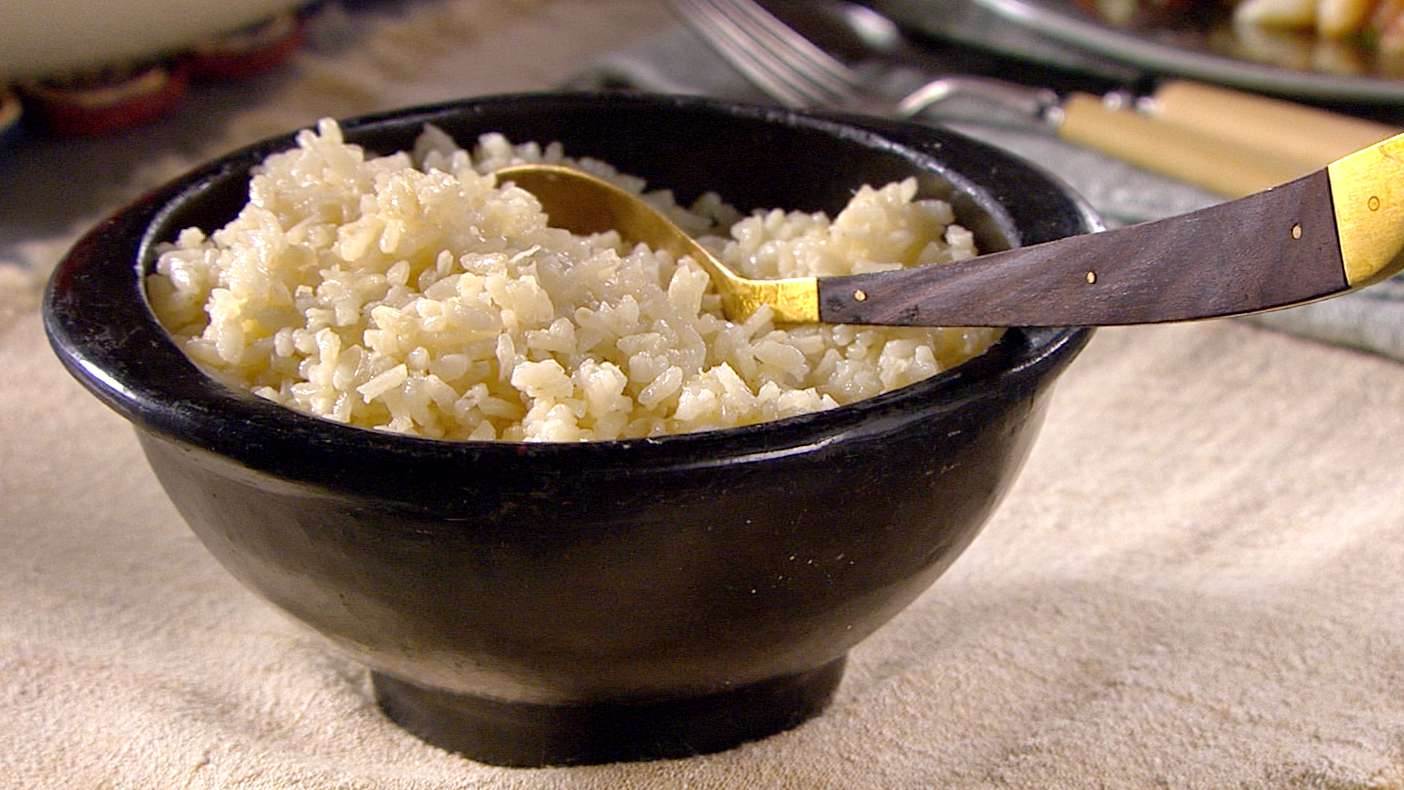




Risotto, the beloved Italian dish, is often reduced to a simple combination of rice and broth. Yet, for anyone who has experienced a truly exceptional risotto, it’s clear that there’s so much more than that. The creamy texture, the depth of flavor, the precise timing—it’s an art form, and one that requires careful attention to every detail. So, is there more to risotto than just rice and broth? Absolutely. Let’s explore the essential elements that make this dish so much more than the sum of its parts.
The Essence of Risotto: The Rice
At the heart of every risotto is the rice itself. Not all rice is created equal, and when it comes to this dish, the variety you choose can make a world of difference. The rice needs to be starchy, absorb liquids well, and retain its shape while becoming wonderfully creamy. In most cases, Arborio rice is the go-to variety, though there are others like Carnaroli and Vialone Nano that are preferred by many chefs.
Arborio rice, named after a town in the Piedmont region of Italy, is a short-grain rice that’s rich in amylopectin, a starch that releases during cooking. This starch is what gives risotto its signature creamy texture. Carnaroli, often called the “king of risotto rice,” is another excellent choice due to its high starch content and ability to hold its shape throughout the cooking process. These rices aren’t just about texture—they are also crucial for achieving the perfect “al dente” bite that risotto demands.
The Perfect Grain-to-Liquid Ratio
While broth is essential, it’s the rice’s interaction with the liquid that elevates risotto to something extraordinary. Cooking risotto is all about balance. Too much liquid, and you’ll end up with a soupy dish; too little, and it will be dry and undercooked. The key is to add the liquid incrementally, allowing the rice to absorb it slowly. This constant stirring allows the starches to break down gradually, creating that luxurious, creamy consistency.
Professional chefs often recommend using hot broth when making risotto. Cold liquid can shock the rice and interrupt the smooth cooking process, so it’s always best to keep your broth simmering on the stove in a separate pot.
Broth: The Flavor Foundation
Broth is undeniably important in risotto, but it’s not just any broth that will do. The flavor of the liquid is paramount. Traditionally, chicken, beef, or vegetable broth is used, though the choice depends on the flavor profile you’re aiming for. A rich, homemade broth is always ideal, as it offers deeper, more complex flavors. Store-bought broths often lack the nuance and depth that homemade varieties can provide.
But it’s not just about using good broth—it’s about using the right type of broth for the dish. For a seafood risotto, for instance, a fish stock or shellfish broth will impart a delicate yet bold flavor that complements the seafood. Likewise, for a mushroom risotto, a hearty vegetable or mushroom broth enhances the earthiness of the dish.
The Role of Wine
:max_bytes(150000):strip_icc()/20230714-SEA-PerfectRisotto-MaureenCelestine015-96e035e54243401e9909804d1fd496a9.jpg)
One of the often-overlooked ingredients in risotto is wine. Typically, a dry white wine is added at the beginning of the cooking process, after the rice has been toasted in a bit of butter or oil. The wine deglazes the pan and adds a layer of acidity, which helps balance the richness of the dish. The alcohol cooks off, leaving behind a subtle depth of flavor.
Some risottos, particularly those that incorporate richer ingredients like sausage or cream, may benefit from a touch of red wine. The key is to ensure that the wine complements rather than overpowers the overall flavor profile of the dish.
Technique: Stirring, Patience, and Attention to Detail
If there’s one thing risotto requires above all else, it’s patience. Unlike many other dishes, risotto cannot be rushed. It’s a slow process, requiring you to add liquid bit by bit, stirring constantly, and waiting for each addition to be absorbed before adding more. This gradual absorption is crucial to developing the creamy texture that makes risotto so unique.
Why is stirring so important? It’s all about releasing the rice’s starch. Stirring encourages the rice to release its amylopectin, which thickens the dish and creates that signature creamy consistency. The motion also helps to evenly distribute the heat and prevent the rice from sticking to the bottom of the pan, which could lead to burning.
Adding Flavor Layers: Butter, Cheese, and Beyond
Now, let’s talk about the richness that elevates risotto to the next level—butter and cheese. Once the rice is cooked to perfection, a generous knob of unsalted butter is added, followed by a handful of freshly grated Parmesan or Pecorino Romano. These ingredients are not just for richness—they help to bind the dish together, enhancing its texture while adding a depth of flavor.
Butter: A Finishing Touch
Butter serves as the final touch in risotto, smoothing out any rough edges and adding a silky finish. The butter also enhances the flavors, enriching them without overwhelming the delicate balance of the dish. It’s important to add the butter at the end of cooking, so it melts into the rice without breaking down or separating.
Cheese: Elevating the Flavor
Cheese in risotto is also crucial, but the choice of cheese depends on the type of risotto. Parmesan is the most common, offering a savory, slightly nutty flavor that perfectly complements the creamy rice. For a sharper, more assertive flavor, you might opt for Pecorino Romano or Grana Padano. However, some risottos may call for different types of cheese entirely, depending on the other ingredients involved.
For example, a gorgonzola risotto features the creamy, pungent blue cheese that pairs beautifully with the mildness of the rice. Similarly, a goat cheese risotto will have tangy, creamy notes that complement the dish’s richness.
Herbs and Aromatics
While risotto relies on a few key ingredients, there’s plenty of room for creativity. Herbs, such as thyme, rosemary, or sage, are commonly used to infuse additional layers of flavor. These herbs are often added at the start of the cooking process, allowing their oils to be released and integrated into the dish. Fresh herbs like parsley or basil are also frequently used as a garnish, providing a burst of brightness and color.
The aromatics in risotto are essential for setting the flavor base. Shallots, onions, and garlic are the usual suspects, though more exotic options like leeks or fennel can provide unique flavor profiles, especially when paired with the right ingredients.
The Art of Customization: From Seasonal Ingredients to Personal Twists
One of the most beautiful things about risotto is how versatile it can be. While the traditional formula of rice, broth, and butter is always a winner, the dish provides ample opportunity for experimentation. Risotto can be customized with a wide variety of seasonal ingredients, ensuring that there’s always something new to try.
Seasonal Ingredients
In the spring, fresh asparagus, peas, or fava beans can be added for a burst of color and freshness. In the fall, you might turn to earthy ingredients like pumpkin, mushrooms, or butternut squash. Truffles are another luxurious addition, often incorporated into a mushroom risotto to bring an indulgent, aromatic element.
Seafood lovers can create a coastal version by incorporating ingredients like shrimp, scallops, or lobster. The possibilities are truly endless, and the beauty of risotto lies in its ability to showcase the flavors of whatever is in season.
Personal Twists
Some chefs have even taken risotto in unexpected directions, adding saffron for a golden-hued, aromatic variation or squid ink for a striking black dish. The key is to understand how to balance the richness of the rice with the intensity of your ingredients. A well-executed twist can transform risotto into a standout dish, impressing guests and pleasing the palate.
Conclusion: Risotto Is More Than Just Rice and Broth
So, is there more to risotto than just rice and broth? Absolutely. Risotto is a dish that embodies technique, patience, and artistry. From the choice of rice to the careful addition of liquid, to the finishing touches of butter, cheese, and seasonings, every step is crucial to achieving the perfect bowl.
What makes risotto truly special, however, is its versatility. The basic formula can be adapted to include a wide range of seasonal ingredients, allowing chefs to express creativity while still staying true to the dish’s roots. Whether it’s a simple classic risotto alla Milanese or a more elaborate seafood creation, risotto invites both tradition and innovation to come together in harmony.
If you’ve ever wondered why risotto is often described as the ultimate comfort food, it’s because it’s a dish that brings together warmth, richness, and an undeniable sense of satisfaction. Whether you’re a novice cook or a seasoned professional, risotto has a way of turning a simple meal into a memorable experience. So, the next time you sit down to a bowl, remember—it’s not just rice and broth; it’s a celebration of technique, flavor, and imagination.