



Creating a terrarium is more than just planting a few greens in a glass container. It’s an artful blend of horticulture, design, and a touch of science that results in a miniature ecosystem right in your home. Whether you’re a seasoned gardener or a curious beginner, crafting a DIY terrarium from scratch offers both a relaxing hobby and a striking decorative piece. In this comprehensive guide, we’ll explore the materials, techniques, design principles, and ongoing care that make terrariums both beautiful and sustainable.
1. Understanding Terrariums: The Tiny Ecosystem
Before diving into materials and methods, it’s essential to understand what a terrarium really is. At its core, a terrarium is a self-contained environment for plants, often housed in a transparent vessel. These little ecosystems can mimic rainforest conditions, desert climates, or temperate forests, depending on the plants you choose.
There are two main types of terrariums:
- Closed Terrariums:
- Function like miniature greenhouses.
- Trap moisture and maintain humidity, ideal for tropical plants like ferns, mosses, and air plants.
- Require less frequent watering but need careful monitoring to avoid mold growth.
- Open Terrariums:
- Expose plants to regular air circulation.
- Best for succulents, cacti, and other drought-tolerant species.
- Require more frequent watering but are less prone to mold.
Understanding the type of terrarium you want to create is key to choosing plants, soil, and design elements that will thrive.
2. Selecting the Right Container
The container isn’t just a vessel; it’s the stage on which your miniature world will unfold. Choosing the right container involves considering shape, material, and accessibility.
- Glass Jars and Bowls: Clear glass allows maximum light and visibility. Wide openings are ideal for open terrariums.
- Aquariums: Offer ample space and versatility, perfect for complex landscapes.
- Glass Cloche or Bell Jar: Ideal for closed terrariums that require controlled humidity.
- Repurposed Containers: Teacups, mason jars, or old light bulbs can serve as whimsical terrarium homes.
Tip: Ensure your container is clean and free of residues. Even small traces of chemicals can harm plants.
3. Choosing the Right Plants
Plant selection is one of the most exciting aspects of building a terrarium. The key is compatibility—both in terms of light and moisture requirements.
For Closed Terrariums (High Humidity):
- Mosses: Cushion moss, sheet moss
- Ferns: Maidenhair fern, button fern
- Tropical Plants: Fittonia, Peperomia
For Open Terrariums (Low Humidity):
- Succulents: Echeveria, Haworthia
- Cacti: Mini barrel cactus, moon cactus
- Air Plants (Tillandsia): Easy to maintain with occasional misting
Design Tip: Mix textures and colors for visual interest. Think of combining spiky succulents with smooth moss patches or a tall fern with a trailing vine. Layering adds depth and intrigue.
4. The Essential Materials
A professional-looking terrarium requires more than just plants. Here’s a detailed list of what you’ll need:
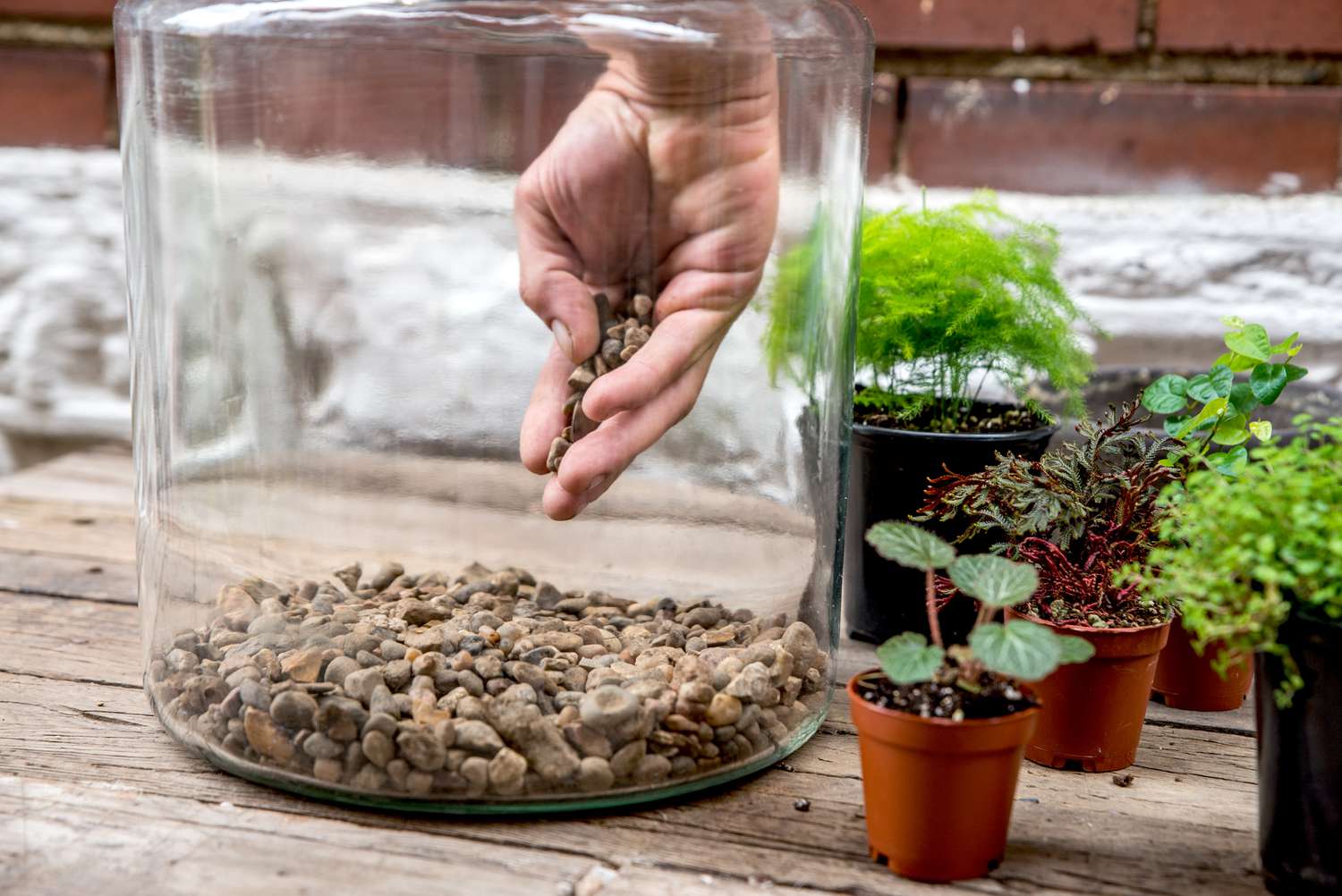
- Gravel or Pebbles: For drainage at the bottom to prevent waterlogging.
- Activated Charcoal: Absorbs odors and keeps the environment fresh.
- Potting Mix: Choose soil appropriate for your plants; succulents need sandy soil, tropical plants need rich, moisture-retaining soil.
- Moss: Adds a finished, natural look and helps retain moisture.
- Decorative Elements: Small rocks, figurines, driftwood, shells, or crystals for aesthetic appeal.
- Tools: Tweezers, small trowels, and spray bottles make planting and maintenance easier, especially in tight containers.
5. Step-by-Step Guide to Building a Terrarium
Creating a terrarium is like composing a tiny landscape. Follow these steps for a structured and successful setup.
Step 1: Layering the Base
- Drainage Layer: Start with 1–2 inches of gravel or small stones. This prevents water from pooling at the roots.
- Activated Charcoal: Add a thin layer to control odors and toxins.
- Moss Layer: Optional but effective for separating soil from charcoal and keeping moisture balanced.
Step 2: Adding Soil
- Pour a layer of potting mix appropriate to your plants’ needs.
- For succulents, use a sandy mix. For ferns and tropical plants, use a rich, moisture-retaining soil.
- Create small mounds or depressions to add landscape interest.

Step 3: Planting
- Arrange plants according to height and visual balance: taller plants at the back, shorter ones at the front.
- Gently remove plants from pots and shake off excess soil.
- Dig small holes in your soil layer and place plants, pressing lightly to stabilize roots.
- Avoid overcrowding; each plant should have room to grow.
Step 4: Adding Decorative Elements
- Place moss patches, stones, or driftwood to enhance the visual appeal.
- Consider miniature figurines for whimsical touches—tiny fairies or animals can add personality.
- Balance is key: symmetry can feel formal, while asymmetry feels natural and organic.
Step 5: Watering and Initial Care
- Spray lightly for closed terrariums; avoid flooding.
- Open terrariums may need more frequent watering but in small amounts to avoid soggy soil.
- Observe the first few days to ensure no waterlogging or plant stress occurs.
6. Light and Placement
Proper lighting is critical for plant health. Terrariums thrive near natural light but avoid direct sunlight through glass, which can scorch plants or create a greenhouse effect.
- Closed Terrariums: Prefer bright, indirect light.
- Open Terrariums: Can handle more direct light but adjust based on plant tolerance.
- Artificial Lighting: LED grow lights are a practical solution if natural light is insufficient.
Tip: Rotate your terrarium periodically for even growth and visual balance.
7. Maintaining Your Terrarium
A terrarium isn’t set-it-and-forget-it. Maintenance keeps your mini-ecosystem thriving.
- Watering: Closed terrariums need minimal water, while open ones require more.
- Pruning: Trim dead leaves and overgrown plants to prevent overcrowding.
- Humidity Control: Open vents or remove the lid if condensation becomes excessive.
- Pest Management: Rare in indoor terrariums, but small infestations can be removed manually or with gentle insecticidal sprays.
8. Advanced Terrarium Techniques
Once you master the basics, you can experiment with more advanced methods to elevate your terrarium:
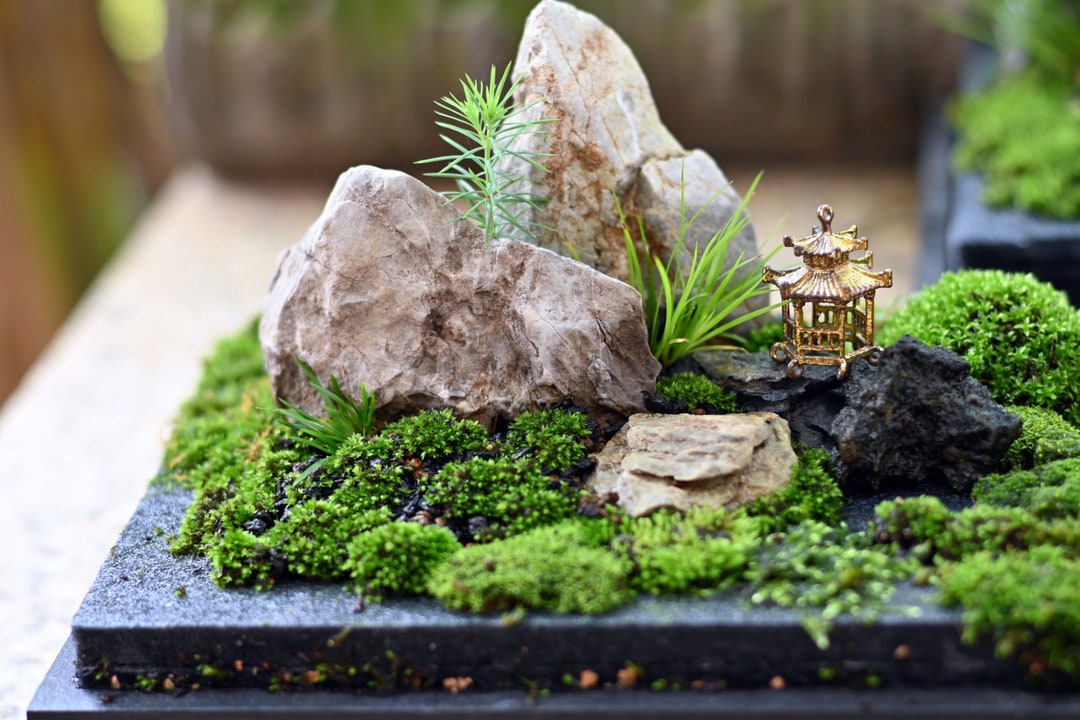
- Layering Techniques: Use colored sand, pebbles, or soil for a stratified, artistic effect.
- Miniature Landscapes: Create desert dunes, forest floors, or tropical jungles inside a glass vessel.
- Aquatic Terrariums: Incorporate small aquatic plants or mosses in partially submerged setups for a water-themed ecosystem.
- Air Circulation Systems: Tiny fans or vented lids help maintain optimal airflow in larger closed terrariums.
9. Terrarium Design Principles
A stunning terrarium isn’t just about plants—it’s about composition, scale, and harmony.
- Rule of Thirds: Place focal points off-center to create a natural flow.
- Texture and Color: Combine different leaf shapes, heights, and shades to avoid monotony.
- Depth and Perspective: Layering taller plants behind shorter ones adds visual depth.
- Contrast: Smooth versus spiky plants, dark soil versus bright moss, or natural stones versus colorful sand create dynamic visuals.
10. Common Mistakes to Avoid
Even experienced terrarium makers fall into common traps. Avoid these for a thriving ecosystem:
- Overwatering: The most frequent killer of terrarium plants.
- Crowding Plants: Limits airflow and creates fungal issues.
- Ignoring Light Needs: Wrong lighting can cause stretching, yellowing, or plant death.
- Using Wrong Soil: Succulents need fast-draining soil, tropical plants need moisture-rich soil.
- Neglecting Maintenance: Dead leaves or stagnant water invite mold or pests.
11. Terrariums as Gifts and Decor
A terrarium isn’t just a hobby—it’s a statement piece and a heartfelt gift. Their compact size makes them perfect for desks, shelves, or coffee tables. Personalized touches, like miniature figurines or themed landscapes, can transform a terrarium into a memorable gift for birthdays, weddings, or housewarmings.
Fun Twist: Create a themed terrarium inspired by a favorite book, movie, or travel destination. Imagine a desert-themed “Star Wars” miniature or a jungle-inspired “Jurassic Park” scene.
12. Eco-Friendly Terrarium Practices
Building a terrarium can also be environmentally conscious:
- Use recycled glass containers.
- Collect fallen twigs, stones, or moss sustainably.
- Opt for non-toxic soils and decorations.
- Avoid overwatering to conserve water.
Terrariums can serve as living reminders of sustainability, teaching both kids and adults the principles of miniature ecosystems and responsible plant care.
13. Troubleshooting Common Problems
Even with careful planning, terrariums can face challenges:
- Mold Growth: Reduce humidity, remove affected areas, and ensure airflow.
- Leggy Plants: Increase light exposure to encourage compact growth.
- Yellow Leaves: Often a sign of overwatering or poor drainage.
- Slow Growth: Check light, soil nutrients, and watering frequency.
Observation and small adjustments are usually enough to bring your terrarium back to health.
14. Inspiring Terrarium Ideas
- Succulent Garden: A sunny, open terrarium with layered sand and vibrant cacti.
- Fairy Garden: Closed terrarium with moss, tiny figurines, and twinkling lights.
- Zen Terrarium: Minimalist rocks, sand, and a small bonsai for meditation spaces.
- Jungle Terrarium: Dense ferns and tropical plants in a high-humidity glass dome.
- Aquatic Moss Terrarium: Semi-submerged moss with stones and driftwood for a water-themed vibe.
The possibilities are limited only by imagination and container size.
15. The Joy of DIY Terrariums
Making a DIY terrarium from scratch isn’t just about creating a miniature garden—it’s about fostering patience, creativity, and mindfulness. Watching your plants grow, adjusting the ecosystem, and designing miniature landscapes can be profoundly satisfying. Terrariums blend art, science, and nature into a small, captivating package that brings life and serenity to any indoor space.
Conclusion:
Creating a DIY terrarium from scratch is a rewarding journey that combines horticulture, design, and ecology. With the right container, plants, materials, and care, you can craft a living masterpiece that thrives indoors. Whether you prefer the lush humidity of a closed terrarium or the minimalist charm of an open succulent garden, this guide provides all the tools and insights needed to succeed. The magic lies in the details—the layering of soil and stones, the arrangement of plants, and the ongoing care that turns a simple glass container into a tiny, vibrant world.