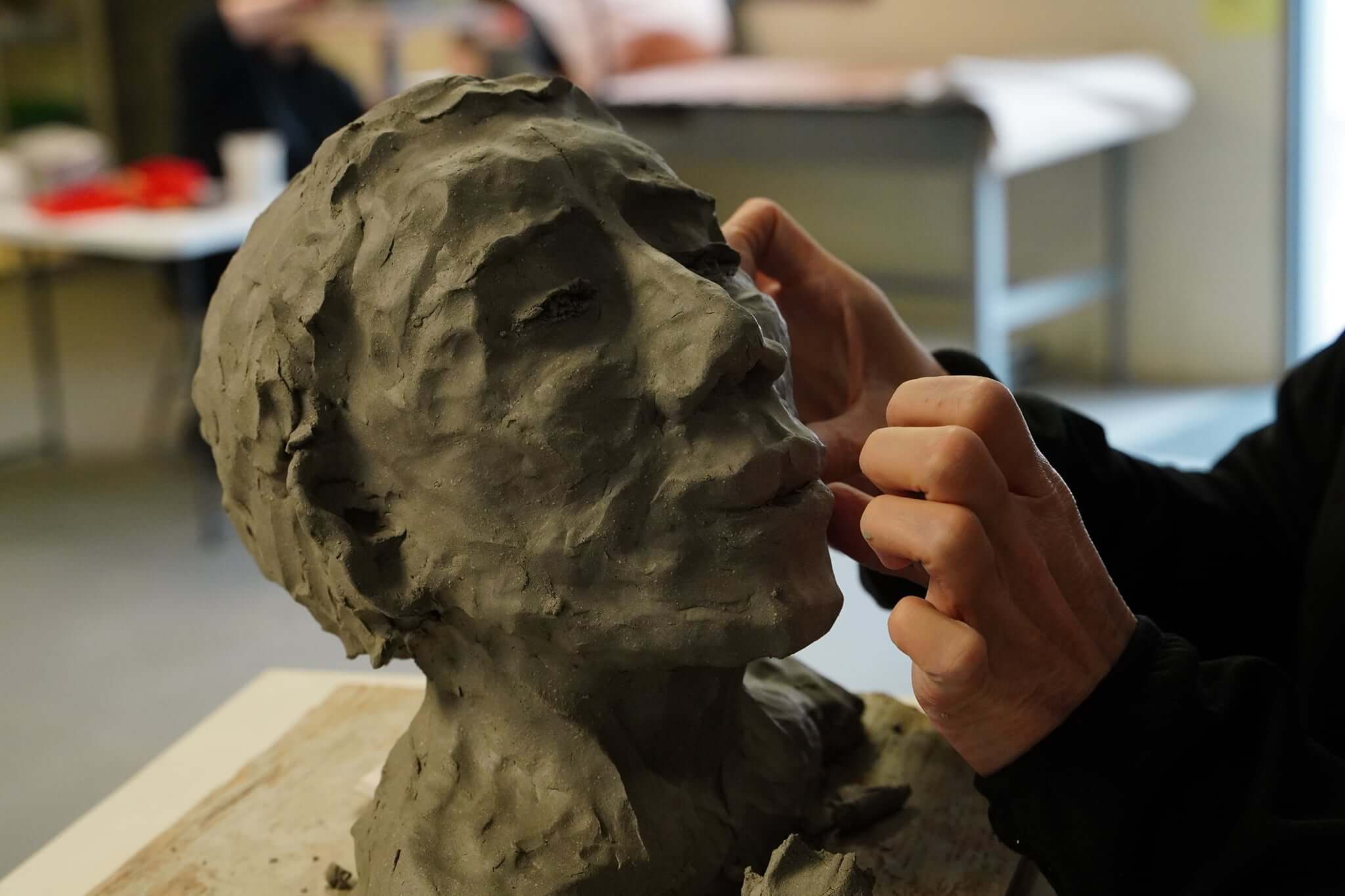




Clay sculpting, an ancient art form that has survived the test of time, continues to captivate the hearts and minds of artists and hobbyists alike. Whether you’re an experienced sculptor or a beginner picking up the clay for the first time, the process of shaping and molding this malleable material can be deeply rewarding. But what is it about clay sculpting that makes it so therapeutic and fun?
In this article, we’ll explore the therapeutic benefits of clay sculpting, the sense of fun and creativity it fosters, and why it’s become such a popular and engaging practice for many. From stress relief to self-expression, clay sculpting offers unique advantages that few other creative outlets can match. So, let’s dive into the world of clay and discover what makes it so special.
1. A Mindful Escape
One of the most profound benefits of clay sculpting is its ability to serve as a form of mindfulness. In today’s fast-paced world, where distractions and constant notifications bombard us, it’s increasingly difficult to find moments of stillness. However, when you begin shaping clay, your mind naturally focuses on the task at hand, allowing you to fully immerse yourself in the process.
Clay sculpting forces you to slow down. It requires patience and attention, which in turn draws you into the present moment. This mindful engagement with the material is a form of meditation. As you feel the cool texture of the clay, press, pinch, and mold it with your hands, you’re disconnected from external stressors. Instead, you become absorbed in a tactile world of shape, form, and texture. This act of creating something with your own hands can be surprisingly calming and provide a much-needed mental break from everyday pressures.
2. The Joy of Creativity
At the heart of clay sculpting is the freedom to create whatever you imagine. Whether you’re working on a realistic representation of a figure or an abstract piece of art, the possibilities are endless. The moment you start sculpting, you tap into your imagination, giving your ideas the freedom to take form in a tangible way.
For many, the process of creation itself is more fulfilling than the finished piece. The joy comes from experimenting with different techniques, textures, and shapes. There’s a certain satisfaction that comes from the freedom of creating something from scratch—something that didn’t exist before. In a world that often feels controlled and structured, clay sculpting offers a release, a chance to express yourself without boundaries.
3. A Sensory Experience Like No Other
Clay is unique in that it engages multiple senses all at once. As you work, you feel the smoothness, the coolness, and the pliability of the clay. The tactile sensation of squeezing, rolling, and manipulating the material becomes an incredibly immersive experience. For many, the act of touching and molding the clay is what makes the process so therapeutic. It’s an experience that’s deeply sensory—an invitation to reconnect with the simple, grounding act of touch.
This tactile experience isn’t limited to just how the clay feels; it also includes how the material sounds when it’s shaped or how it reacts to pressure. The rich, earthy smell of fresh clay or the soft sound of a sculptor’s tools carving away at the surface creates a full sensory landscape that helps to engage the body and mind in a meaningful way.
4. Stress Relief Through Physical Activity
Clay sculpting can be a highly physical activity, which is a great advantage for those seeking to release stress. The act of pressing, kneading, and shaping clay requires muscle engagement, and for many, this physical exertion is a natural stress reliever. These repetitive motions, similar to those in yoga or tai chi, allow the sculptor to channel tension into the physical process of shaping and molding.
Unlike some forms of creative expression, which can feel mentally exhausting, clay sculpting often works as a physical outlet, helping to release pent-up frustration and anxiety. By focusing on something physical, such as manipulating the clay with your hands, you may feel an emotional release that leaves you feeling more relaxed and centered.
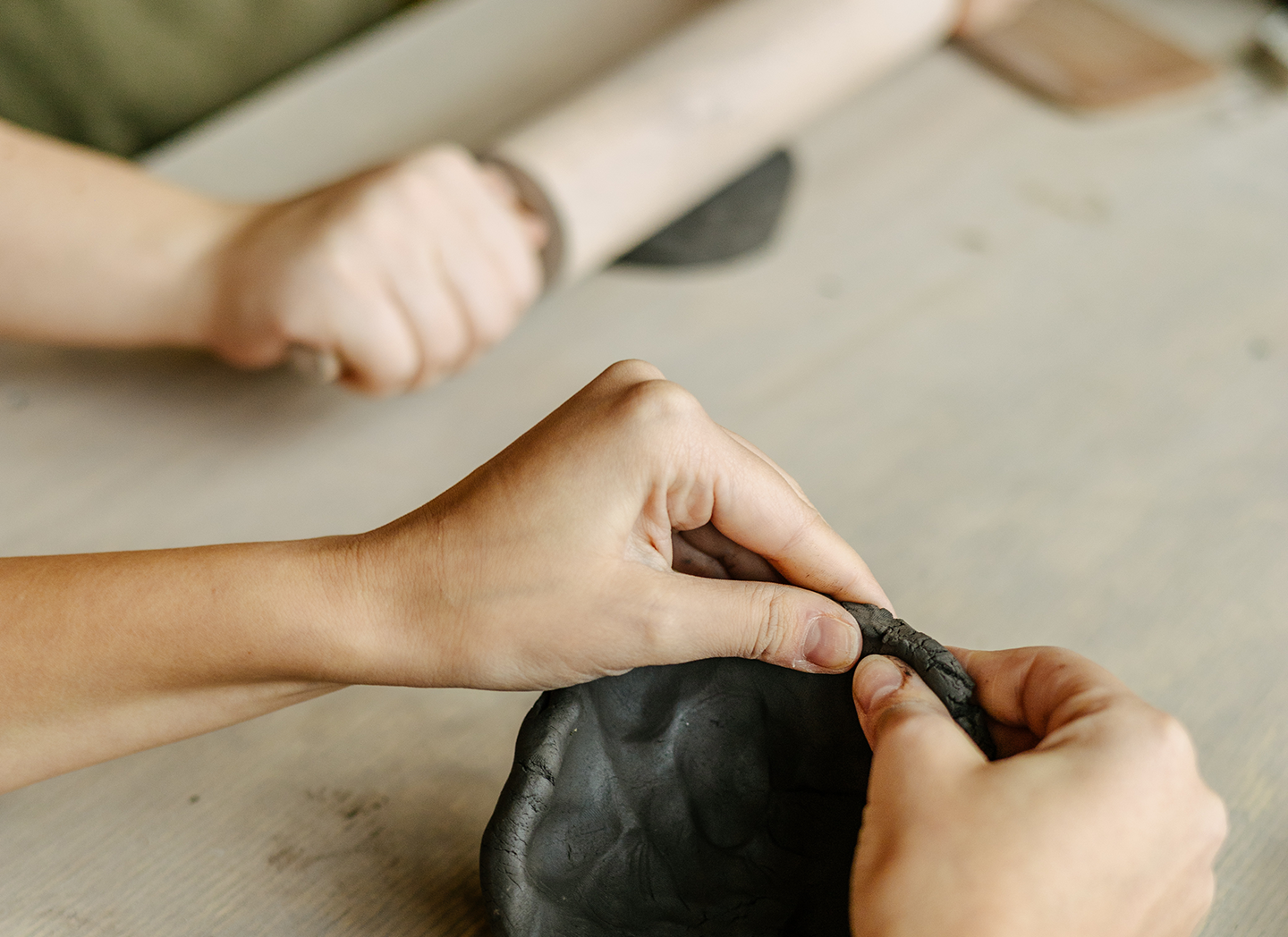
5. Boosting Self-Esteem and Confidence
Sculpting can be a rewarding journey, especially as you watch your piece evolve over time. There’s something empowering about taking a lump of clay and transforming it into something beautiful or meaningful. This progression not only builds confidence in your artistic abilities but also fosters a sense of pride in your creations.
Whether your piece turns out as you envisioned or takes on a life of its own, the act of creating is an achievement in itself. With each successful piece, you gain more confidence in your skills, encouraging you to take on new challenges and improve your technique. This is especially important for people who may have struggled with self-esteem or feel disconnected from their sense of creativity.
6. A Gateway to Emotional Expression
Clay sculpting, like any form of art, provides a channel for emotional expression. Art allows individuals to externalize their inner feelings and ideas, and clay is no different. Whether you’re consciously aware of it or not, the act of molding and shaping the clay often mirrors what’s happening within you emotionally.
In fact, for some, sculpting becomes a therapeutic outlet for expressing complex emotions. The process of working with the clay can help resolve feelings that are hard to articulate with words. This is why art therapy frequently uses clay sculpting as a tool to help people process emotions, confront internal struggles, and communicate feelings they might otherwise have trouble expressing.
7. Enhancing Patience and Focus
Another aspect of clay sculpting that makes it so therapeutic is the patience it requires. Unlike some other art forms, where quick results might be the goal, sculpting is a slow process that rewards dedication and attention to detail.
The act of sculpting teaches patience, as it requires constant observation, refinement, and a willingness to make incremental improvements. The process of creating something by hand—layer by layer, detail by detail—can also help improve concentration and focus. This slow, steady approach can serve as a reminder to not rush through life but to enjoy the journey of creation, both in art and in daily life.

8. The Social and Community Aspect
While clay sculpting can be an individual activity, it also has a social component that many people find enjoyable. Sculpting classes, workshops, and groups provide a sense of community. Sharing the process with others—whether it’s exchanging tips, celebrating each other’s progress, or simply working side-by-side—adds a social layer to the experience.
For many, this sense of belonging and connection is another reason they return to clay sculpting time and time again. Engaging with a group of like-minded individuals helps build friendships and creates an environment where people can support one another in their creative pursuits.
9. Clay Sculpting as a Form of Play
Another fascinating aspect of clay sculpting is the element of play. For many adults, daily life can feel overly structured and rigid. However, sculpting clay is an opportunity to rediscover the joy of creative play. Unlike other hobbies that might have predefined outcomes or expectations, clay sculpting encourages a fluid and spontaneous approach to creativity.
This lack of structure invites you to experiment freely, make mistakes, and learn along the way. You may start with one idea in mind, only to be inspired by the material itself and let the process take on a life of its own. The tactile nature of clay invites exploration and invites the sculptor to play—something that can be especially refreshing for those who have long since left behind the carefree play of childhood.
10. A Link to History and Tradition
Clay sculpting also connects you to a long history of artists and craftspeople who have used this material for thousands of years. From ancient civilizations such as the Egyptians, Greeks, and Romans to indigenous cultures around the world, clay has been used as a medium of both artistic expression and functional design.
This historical connection can add a layer of depth and meaning to the process. When you sculpt with clay, you are part of a tradition that spans millennia, which can feel grounding and humbling. This shared history of creation also gives the artist a sense of connection to something larger than themselves.
11. A Creative Outlet for All Ages
Another reason why clay sculpting is so therapeutic and fun is its accessibility. Unlike some art forms that require specialized skills or equipment, sculpting with clay can be done by people of all ages and abilities. From children to adults, beginners to experts, anyone can benefit from the tactile engagement and creative outlet that sculpting offers.
In fact, clay sculpting is often used in therapy with children, helping them to express themselves and develop fine motor skills. For adults, it can serve as a form of stress relief or a hobby to reconnect with creativity. The versatility of the medium means that it’s a perfect outlet for everyone—regardless of experience or age.
Conclusion
Clay sculpting is not just an artistic pursuit; it’s a therapeutic process that offers numerous benefits for mental, emotional, and physical well-being. From mindfulness and stress relief to boosting self-esteem and fostering creativity, the act of working with clay provides a range of rewards that few other activities can match. It allows for emotional expression, patience, and focus, while also offering a sense of play and connection to history.
Whether you are sculpting for the joy of creation or using it as a tool for emotional healing, clay sculpting invites you to engage with your senses, mind, and body in a way that is deeply rewarding. So, the next time you sit down with a lump of clay, remember that you’re not just making art—you’re also taking part in a therapeutic practice that has been cherished for centuries.