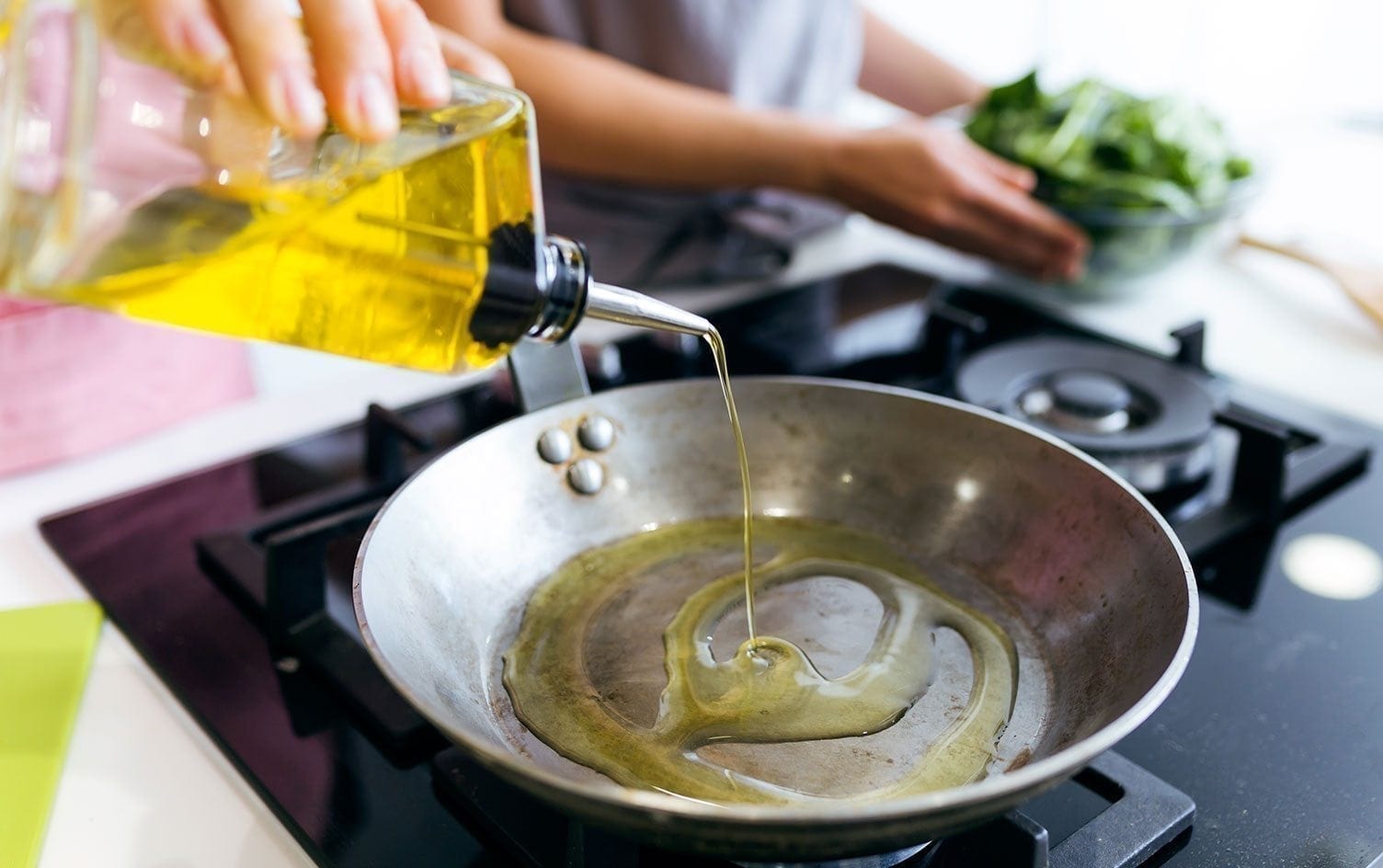




When it comes to cooking, the fat you use can make a world of difference—not just in flavor, but also in your health. Whether you’re frying, sautéing, baking, or roasting, the choice of cooking fat affects the taste of your food, the texture, and the nutritional value of your meal. But with so many options available today, it can be overwhelming to know which fats are truly “right” for cooking.
In this article, we’ll explore the different types of cooking fats, their pros and cons, how they affect your health, and how to use them for the best cooking results. So, let’s dive into the world of cooking fats!
Understanding Cooking Fats
Fats are an essential part of our diet. They help the body absorb vitamins, provide energy, and support cell growth. But not all fats are created equal. The fats used in cooking come in various forms: saturated fats, unsaturated fats, and trans fats. The key to choosing the right cooking fat lies in understanding these types and knowing which ones are healthiest for different cooking methods.
1. Saturated Fats
Saturated fats are typically solid at room temperature and come mostly from animal sources like butter, lard, and fatty cuts of meat. Coconut oil and palm oil are exceptions, as they are plant-based but still contain high levels of saturated fat.
Pros:
- Stable at high temperatures: Saturated fats are less likely to oxidize when exposed to heat, which makes them a great option for high-heat cooking methods like frying or roasting.
- Rich flavor: Saturated fats, especially butter, lend a rich and savory flavor to dishes.
Cons:
- Health risks: Diets high in saturated fats have been linked to an increased risk of heart disease, as they can raise levels of LDL cholesterol (often referred to as “bad” cholesterol).
When to Use:
Saturated fats are perfect for high-heat cooking or recipes where flavor richness is important, such as in pastries, cakes, or savory sautés. However, moderation is key when using them to maintain a balanced diet.
2. Unsaturated Fats
Unsaturated fats are typically liquid at room temperature and come from plant-based sources like olive oil, avocado oil, and nut oils. They are often categorized into two types: monounsaturated fats and polyunsaturated fats.
- Monounsaturated fats (found in olive oil, canola oil, and avocado oil) have one double bond in their molecular structure.
- Polyunsaturated fats (found in flaxseed oil, sunflower oil, and walnut oil) have multiple double bonds.
Pros:
- Health benefits: Unsaturated fats are known to be heart-healthy. They help reduce bad cholesterol (LDL) and increase good cholesterol (HDL), lowering the risk of cardiovascular diseases.
- Versatility: Unsaturated fats are suitable for most cooking methods, including stir-frying, roasting, and even in dressings or marinades.
Cons:
- Stability issues: Unsaturated fats are less stable at high temperatures compared to saturated fats. When heated too much, they can break down and release harmful compounds, so they’re better for moderate or low-heat cooking.
When to Use:
Unsaturated fats, especially monounsaturated oils like olive oil, are great for everyday cooking, including sautéing, grilling, or drizzling over salads. For more delicate dishes, such as vinaigrettes, olive oil or avocado oil is ideal.
3. Trans Fats
Trans fats are artificially created fats that are often found in processed foods. These fats are produced through a process called hydrogenation, which turns liquid oils into solid fats. They are typically found in margarine, packaged snacks, and deep-fried fast foods.

Pros:
- Stability: Trans fats are highly stable at room temperature and in high-heat cooking, which is why they are often used in processed foods and deep frying.
Cons:
- Health dangers: Trans fats are the worst type of fat for your health. They increase bad cholesterol (LDL) and lower good cholesterol (HDL), raising the risk of heart disease, stroke, and diabetes. Most health experts recommend avoiding trans fats altogether.
When to Use:
Avoid using trans fats in cooking. They offer no nutritional benefits and come with significant health risks. If you’re concerned about using trans fats, always check the labels of packaged foods, as many products still contain them.
Popular Cooking Fats and Their Best Uses
Now that you understand the different types of fats, let’s take a closer look at some of the most popular cooking fats and how they perform in the kitchen.
1. Olive Oil
Type: Unsaturated (Monounsaturated)
Best For: Sautéing, grilling, dressings, drizzling
Olive oil is a staple in Mediterranean cooking and is praised for its heart-healthy benefits. It is rich in monounsaturated fats and antioxidants, which may help reduce inflammation and lower the risk of heart disease. Extra virgin olive oil is especially high in antioxidants and has a slightly peppery, fruity flavor that makes it perfect for dressings or drizzling over finished dishes.
Note: Olive oil has a relatively low smoke point (around 375°F/190°C), so it’s better suited for medium-heat cooking. For higher-heat cooking, consider using light olive oil or avocado oil.
2. Avocado Oil
Type: Unsaturated (Monounsaturated)
Best For: Frying, sautéing, grilling, baking
Avocado oil is another versatile fat that boasts a high smoke point (around 520°F/270°C), making it perfect for high-heat cooking methods like frying. Like olive oil, it’s rich in monounsaturated fats, which are known to support heart health.
Note: Avocado oil has a mild, neutral flavor that doesn’t overpower dishes, making it suitable for a wide range of recipes.
3. Coconut Oil
Type: Saturated
Best For: Baking, sautéing, frying, and roasting
Coconut oil is unique among cooking fats because it’s high in saturated fats, but it also contains medium-chain triglycerides (MCTs), which may offer some health benefits. It has a relatively high smoke point (around 350°F/177°C), making it suitable for most cooking methods. Its mild coconut flavor is perfect for tropical dishes or baking.
Note: Despite its health benefits, coconut oil is still high in saturated fat, so it’s best to use it in moderation.
:max_bytes(150000):strip_icc()/Health-GettyImages-974251806-bee639463a554149a83565ac50221759.jpg)
4. Butter
Type: Saturated
Best For: Baking, sautéing, spreading on toast
Butter is a beloved cooking fat due to its rich flavor and texture. It’s especially popular in baking, where it contributes to the flaky texture of pastries. However, it’s high in saturated fats, so it’s best used in moderation.
Note: Clarified butter (ghee) has a higher smoke point and may be a better option for high-heat cooking.
5. Canola Oil
Type: Unsaturated (Monounsaturated)
Best For: Frying, sautéing, baking
Canola oil is a mild-flavored oil that’s often used in frying and baking. It’s relatively high in monounsaturated fats and has a decent smoke point (around 400°F/204°C), making it versatile for everyday cooking.
Note: While canola oil is heart-healthy, it’s important to choose a cold-pressed or organic version to avoid genetically modified organisms (GMOs).
6. Ghee
Type: Saturated
Best For: High-heat cooking, sautéing, Indian and South Asian dishes
Ghee, or clarified butter, is made by removing the milk solids from butter. This gives it a higher smoke point (around 450°F/232°C) and makes it a great choice for high-heat cooking methods. Ghee has a nutty, rich flavor and is a staple in Indian cuisine.
Note: Since it’s still high in saturated fat, use ghee in moderation.
The Right Fats for the Right Cooking Methods
Now that you know the different fats and their health benefits, it’s important to match the fat with the right cooking method. Some fats are better suited for high-heat methods, while others are better for low-heat or raw applications.
- High-heat cooking (e.g., frying, roasting, grilling): Opt for fats with higher smoke points like avocado oil, ghee, or light olive oil.
- Medium-heat cooking (e.g., sautéing, stir-frying): Olive oil, canola oil, and peanut oil are great options.
- Low-heat cooking (e.g., baking, dressings): Butter, extra virgin olive oil, and avocado oil work well here.
How Much Fat Should You Use?
The key to using fats in cooking is moderation. While fats are essential for a healthy diet, it’s important to choose fats wisely and avoid overconsumption, especially when it comes to saturated and trans fats. The American Heart Association recommends that only 5-6% of your total daily calories come from saturated fats.
Remember, not all fats are bad, and the right fats, used in the right amounts, can contribute to a balanced and nutritious diet.
Conclusion
Choosing the right cooking fat isn’t just about taste—it’s about health. By understanding the types of fats and their properties, you can make informed decisions that align with both your culinary needs and your wellness goals. The next time you’re in the kitchen, consider the best fat for the job—whether it’s for sautéing, roasting, or drizzling—and enjoy cooking with flavor and health in mind.