



The world of cooking is vast and endlessly inspiring. Over centuries, chefs have learned to manipulate a palette of flavors from around the globe, but few ingredients possess the unique charm and versatility of wild herbs. These unassuming plants, often found in forests, fields, and along roadsides, carry the power to elevate ordinary dishes into extraordinary culinary masterpieces. Wild herbs are nature’s gift, offering an unprocessed, pure essence of flavor that can transform any meal.
This article explores the impact wild herbs can have on your cooking, from enhancing flavor to providing health benefits, and how they can inspire creativity in the kitchen. Whether you are an experienced chef, an avid home cook, or a culinary adventurer, understanding the role wild herbs play in your cooking will lead to more vibrant, natural, and delicious dishes.
The Unique Appeal of Wild Herbs
Wild herbs are typically grown without human intervention, meaning they often have a stronger, more vibrant flavor than their cultivated counterparts. They carry the essence of the environment where they thrive, absorbing the characteristics of the soil, climate, and surrounding plants. This gives wild herbs a distinctive and often more complex flavor profile that can’t be replicated by farmed varieties.
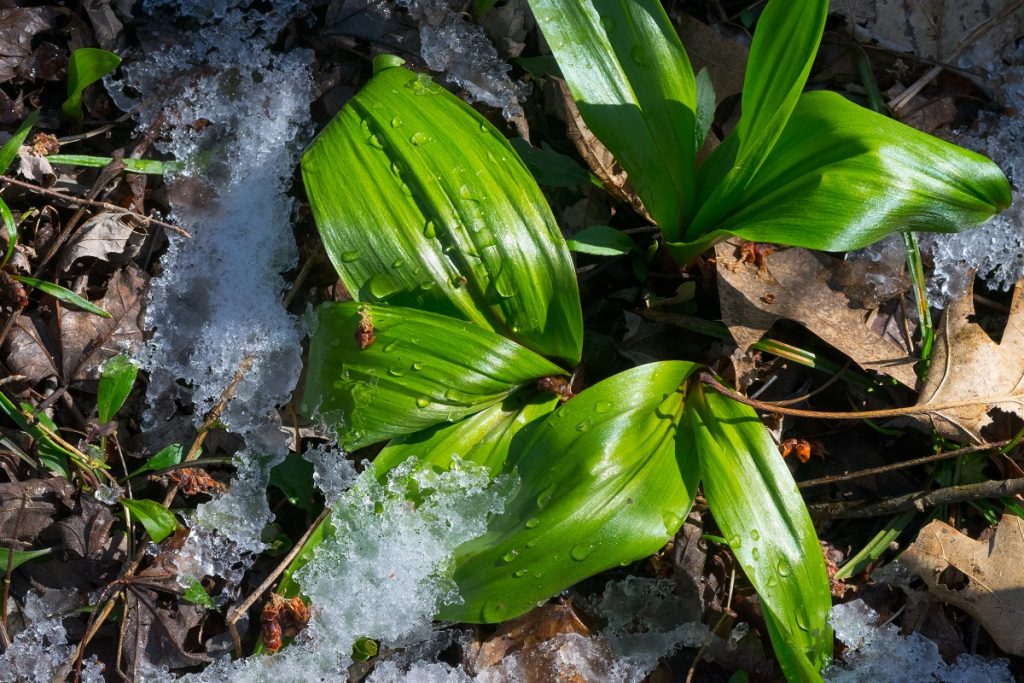
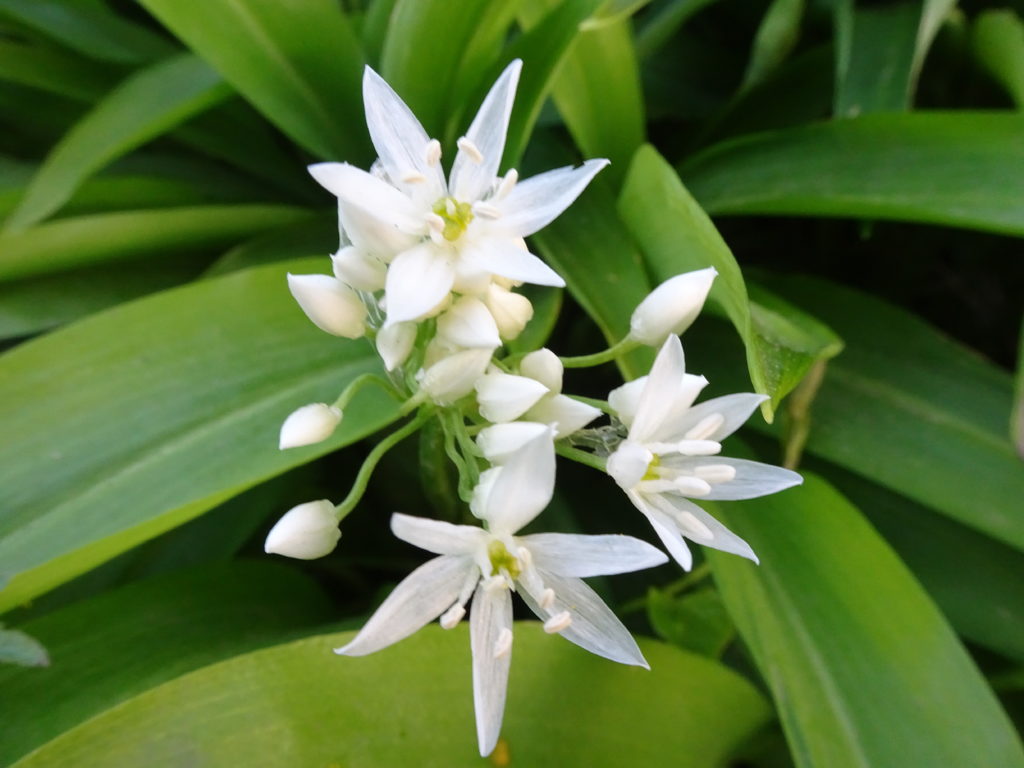
For instance, wild thyme may taste more pungent and aromatic than cultivated thyme, while wild garlic (ramps) tends to have a bolder, spicier kick than the supermarket variety. These herbs carry the essence of nature itself, which is why they’re so revered by chefs and home cooks alike.
A Symphony of Flavors: Enhancing Your Dishes
One of the most compelling reasons to incorporate wild herbs into your cooking is their ability to enhance the flavors of any dish. These herbs can add depth, brightness, and complexity, transforming simple ingredients into an experience for the palate. Here’s how wild herbs influence the flavor profile of different dishes:
1. Amplifying Savory Flavors
Wild herbs such as wild rosemary, oregano, and sage are packed with aromatic oils that amplify savory flavors. These herbs work beautifully in Mediterranean-inspired dishes, such as roasted lamb with wild rosemary or a vibrant tomato-based pasta with wild oregano. Their intense flavors meld seamlessly with meats, grains, and vegetables, offering a fragrant boost that ties all the ingredients together.
2. Adding a Layer of Freshness
Wild herbs like dill, cilantro, and mint bring a burst of freshness to dishes. These herbs are perfect for salads, seafood, or chilled soups. A handful of wild mint sprinkled on a cucumber salad or cilantro on a zesty seafood ceviche will brighten the dish and add a refreshing contrast to heavier, richer flavors.
3. Balancing Rich Dishes
The brightness and acidity of wild herbs can counterbalance rich, fatty dishes. Wild tarragon, with its subtle anise-like flavor, works wonders when paired with creamy sauces, providing just the right contrast. Similarly, wild lemon balm can infuse a dish with a citrusy note, cutting through the richness of fatty meats like duck or pork.
4. Enhancing Sauces and Condiments
Wild herbs can add incredible depth to sauces and condiments. A wild garlic pesto, for instance, offers a more robust and earthy flavor than traditional basil pesto. Wild chervil, which has a delicate parsley-like flavor, can also be used to enhance the flavor of vinaigrettes or creamy dressings.
Wild Herbs: The Secret to Creative Cooking
The versatility of wild herbs knows no bounds. They can be used in everything from main dishes to desserts, inspiring creativity in the kitchen and pushing the boundaries of traditional flavors. Here are a few exciting ways to use wild herbs in your culinary creations:
1. Infused Oils and Vinegars
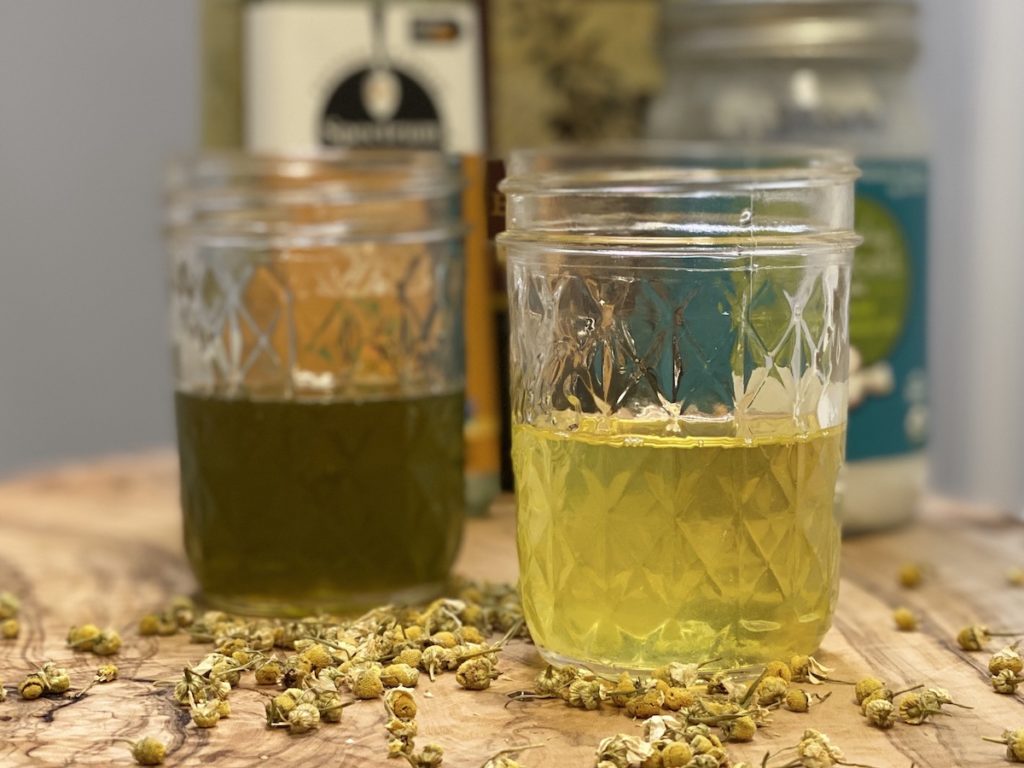
Wild herbs such as wild thyme, rosemary, and basil can be infused in olive oil or vinegar, creating unique, aromatic bases for dressings, marinades, or simply as dipping oils for bread. Infused oils are easy to make—just heat your oil of choice and steep the wild herbs for a few hours. The result is a fragrant, flavorful oil that adds a personal touch to any dish.
2. Wild Herb Pestos
Pesto doesn’t have to be limited to basil. Experiment with wild herbs like wild fennel, wild garlic, or even wild mustard greens to create new pesto variations. These wild herb pestos can be used as a spread, a pasta topping, or even as a marinade for meats.
3. Herbal Salts and Spices
Wild herbs such as wild thyme, lavender, and rosemary can be combined with salt to create unique seasoning blends. Grind dried wild herbs into coarse salt for a fragrant and flavorful seasoning that’s perfect for finishing dishes. Try it on roasted vegetables, meats, or even popcorn for an unexpected flavor twist.
4. Infused Desserts
Herbs are not just for savory dishes. Wild herbs like lemon balm, mint, and lavender can lend their delicate, floral flavors to desserts. Imagine a lavender-infused honey drizzled over vanilla ice cream or a lemon balm sorbet that refreshes the palate after a rich meal. The possibilities are endless, and the delicate flavors of wild herbs bring a sophisticated touch to sweet creations.
The Health Benefits of Wild Herbs
Beyond their culinary impact, wild herbs are packed with nutrients and health benefits that can support your well-being. Many wild herbs are loaded with antioxidants, vitamins, and minerals that can help boost your immune system, improve digestion, and promote overall health. For instance:
- Wild Garlic (Ramps): Known for its high levels of allicin, wild garlic is believed to promote heart health, lower cholesterol, and have antibacterial properties.
- Wild Mint: This herb is known to aid digestion, relieve headaches, and soothe upset stomachs.
- Wild Thyme: High in vitamins A and C, wild thyme has been used for centuries as a remedy for respiratory issues and coughs.
- Dandelion Greens: Rich in vitamins A, C, and K, dandelion greens are known to aid detoxification and improve liver function.
Incorporating these wild herbs into your cooking not only enhances flavor but also promotes a healthier lifestyle. The best part is that many of these herbs are easily foraged and free for the picking, provided you follow responsible harvesting practices.
Foraging for Wild Herbs: A Sustainable Approach
While the benefits of wild herbs are numerous, foraging for them should be done thoughtfully and responsibly. It’s essential to understand the local ecosystem and identify which plants are safe to harvest. Wild herbs grow in abundance, but over-harvesting can deplete natural resources. Here are some tips for responsible foraging:
1. Know Your Plants
Before picking any wild herbs, ensure you can identify them correctly. Some plants may look similar to poisonous varieties, so it’s vital to be knowledgeable about the plant you are harvesting. Consider using a plant identification guide or attending a foraging class.
2. Harvest Respectfully
Take only what you need, leaving enough behind for the plant to continue growing and reproducing. Avoid harvesting from endangered species and protected areas, and be mindful of local regulations about foraging.
3. Mind the Environment
Forage in areas that have not been treated with pesticides or other chemicals, as these can be harmful when consumed. Additionally, avoid disturbing delicate ecosystems while foraging, especially in forested areas where certain herbs are integral to the ecosystem.
4. Harvest at the Right Time
Some herbs are best harvested when young and tender, while others develop their full flavor when they are more mature. Research the specific herbs you’re interested in to determine the best time for harvesting.
How to Incorporate Wild Herbs into Everyday Cooking
Incorporating wild herbs into your meals is easier than you might think. You don’t need to be a professional chef to experiment with these flavorful plants. Here are a few simple tips for using wild herbs in everyday cooking:
1. Start with Simple Dishes
If you’re new to using wild herbs, start with simple recipes where the herbs can shine. A wild rosemary sprig added to roasted potatoes or a handful of wild garlic stirred into scrambled eggs can make all the difference.
2. Use Fresh and Dried Wild Herbs
Both fresh and dried wild herbs have their place in the kitchen. Fresh herbs are ideal for salads, dressings, and garnishes, while dried herbs are perfect for infusing oils or adding to slow-cooked dishes like stews and soups.
3. Pair Wild Herbs with Complementary Ingredients
Experiment with different pairings to discover new flavor combinations. Wild thyme and honey work beautifully together in roasted carrots, while wild fennel can pair perfectly with seafood like salmon or trout.
4. Don’t Overuse
Wild herbs can be intense in flavor, so it’s important not to overwhelm your dish. Start with a small amount, and taste as you go. You can always add more, but you can’t take it away once it’s in the dish!
Conclusion: Embracing the Wild Side of Cooking
Wild herbs have the potential to completely transform your culinary creations. They bring complexity, depth, and an exciting element of unpredictability to your dishes. Whether you are enhancing a savory dish, adding a burst of freshness, or experimenting with new and creative flavor combinations, wild herbs offer endless possibilities. Beyond flavor, they also offer health benefits, making them a natural and sustainable choice for anyone looking to elevate their cooking.
So, next time you find yourself wandering through the woods or strolling along a country road, take a moment to appreciate the wild herbs growing around you. They are nature’s untapped treasure trove, just waiting to enhance your cooking experience and inspire your next culinary adventure.