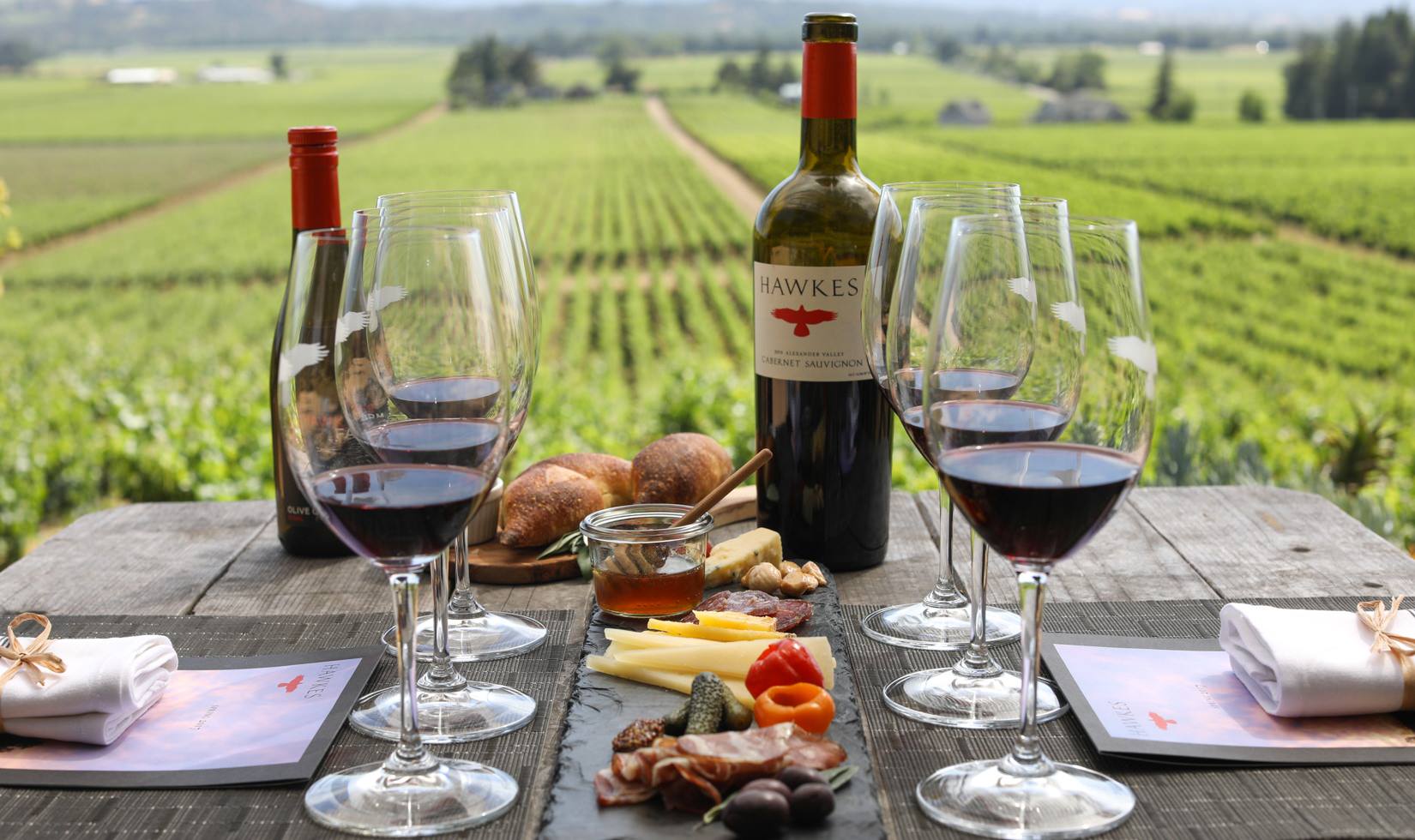




Wine and cheese are a match made in culinary heaven. The combination of the two has been enjoyed for centuries, with each pairing offering a unique balance of flavors, textures, and experiences. But what exactly happens when you pair wine with the right cheese? How do different types of wine interact with different varieties of cheese? In this article, we’ll explore the science and art behind pairing these two iconic food items, offering tips and insights for creating the perfect pairing experience.
The Science of Wine and Cheese Pairing
Before diving into specific pairings, it’s essential to understand the science behind why wine and cheese complement each other so well. At its core, the goal of pairing is to balance flavors, textures, and sensory experiences. Both wine and cheese contain complex compounds, and when these compounds interact, they can either enhance or clash with each other.
1. The Role of Acidity in Wine and Cheese
Acidity plays a crucial role in wine and cheese pairings. Wines, especially white wines, are typically high in acidity, which can cut through the richness of creamy cheeses like Brie or goat cheese. This acidity provides a refreshing contrast to the fatty, creamy texture of the cheese, cleansing the palate between bites.
For example, a crisp Sauvignon Blanc or a Chardonnay with high acidity pairs wonderfully with tangy cheeses like goat cheese or fresh mozzarella. The sharpness of the wine balances the richness of the cheese, creating a harmonious and enjoyable flavor profile.
2. Tannins and Fat: The Balancing Act
Tannins are compounds found in red wine that contribute to a wine’s dryness and astringency. They are derived from the skins, seeds, and stems of grapes, and their role in wine pairing is often misunderstood. However, when paired correctly, tannins can enhance the flavor of cheeses with a higher fat content, like aged cheddar, gouda, or blue cheese.
The tannins in red wine interact with the fat in the cheese, which helps to soften the astringency of the wine. This interaction results in a smoother, more balanced flavor profile. A good example of this is the pairing of a bold red wine, like Cabernet Sauvignon, with a strong, fatty cheese like a sharp cheddar.
3. Sweetness in Wine and Cheese
Sweet wines can provide a delightful contrast to the saltiness of certain cheeses. For instance, the sweet, honeyed notes of a Sauternes or a Port can balance the sharp, salty flavors of blue cheese or Roquefort. The sweetness in the wine works to mellow the saltiness of the cheese, creating a beautiful contrast that excites the palate.
Sweet wines are often best paired with richer, more intensely flavored cheeses, as they have the strength to stand up to the boldness of the flavors. However, it’s important to note that the wine should not overwhelm the cheese; the sweetness should enhance and elevate the flavors rather than drown them out.
Types of Wine and Their Ideal Cheese Pairings
Now that we’ve touched on the science of wine and cheese pairings, let’s explore some specific wine types and the cheeses they pair well with.
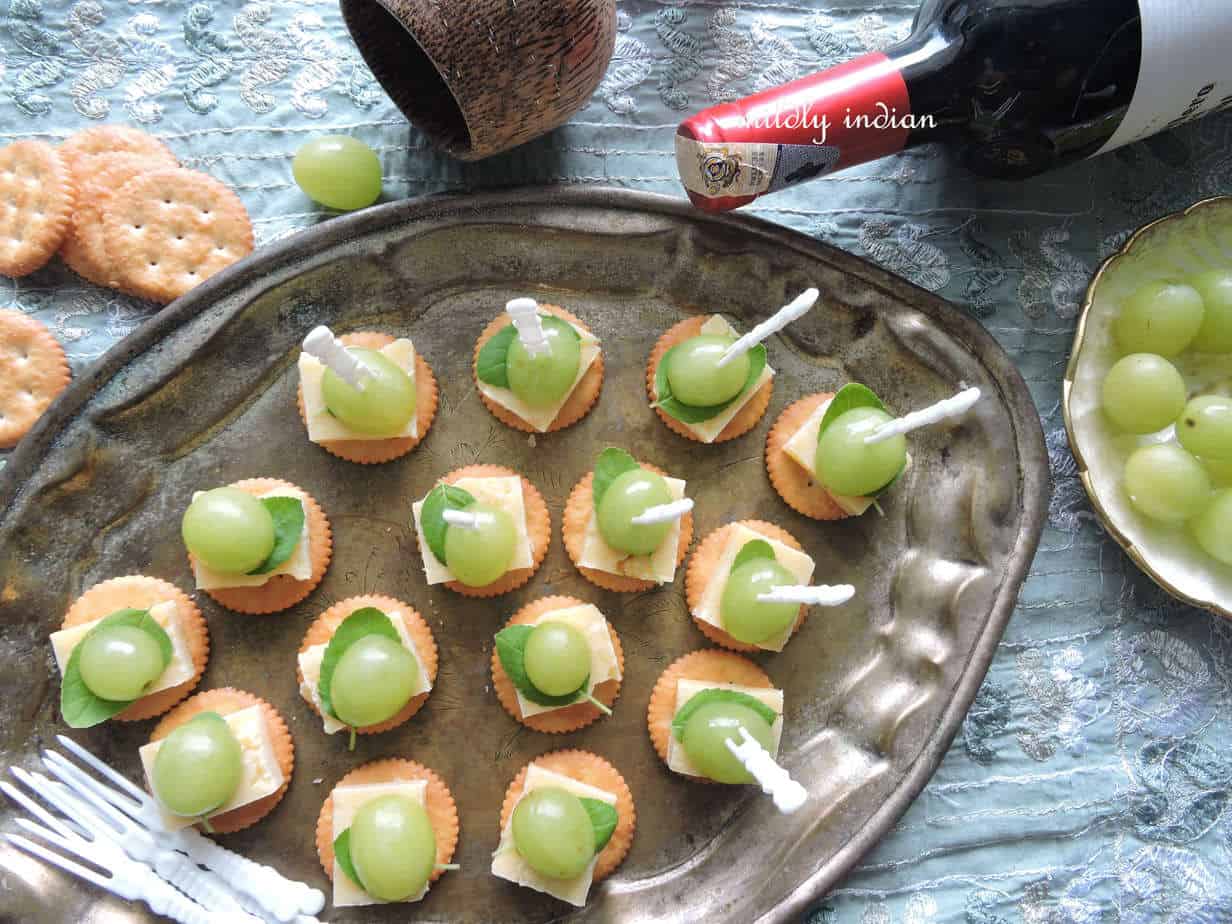
1. White Wines
Sauvignon Blanc and Goat Cheese
Sauvignon Blanc is known for its high acidity and crisp, citrusy flavors, making it an excellent match for tangy cheeses. Goat cheese, with its slightly tart and earthy flavor, is a perfect partner for this white wine. The acidity in the Sauvignon Blanc complements the tanginess of the goat cheese, while the wine’s citrus notes brighten up the earthiness of the cheese.
Chardonnay and Brie
Chardonnay is a versatile white wine, with flavors ranging from fruity and floral to buttery and oak-aged. A rich, buttery Chardonnay pairs beautifully with soft, creamy cheeses like Brie. The wine’s buttery texture enhances the creaminess of the cheese, while the slight acidity in the wine cuts through the richness, preventing it from becoming overwhelming.
Riesling and Munster
Riesling is a white wine with a high level of acidity and often a touch of sweetness, making it a great match for cheeses that have a strong, tangy flavor. Munster cheese, which has a slightly stinky, pungent aroma, pairs well with Riesling’s bright acidity and sweetness. The wine’s acidity balances the cheese’s richness, while the sweetness of the wine complements the cheese’s strong flavors.
2. Red Wines
Cabernet Sauvignon and Aged Cheddar
Cabernet Sauvignon is a full-bodied red wine with bold tannins and dark fruit flavors. Its tannins are ideal for pairing with cheeses that have a higher fat content and a strong, savory flavor, such as aged cheddar. The tannins in the wine help to cut through the richness of the cheese, while the bold flavors of the wine match the intensity of the cheese.
Pinot Noir and Brie
Pinot Noir is a lighter-bodied red wine with delicate fruit flavors and soft tannins. This makes it a fantastic choice for pairing with cheeses like Brie or Camembert. The wine’s light body and subtle tannins won’t overwhelm the soft, creamy texture of the cheese, while the fruity notes in the wine complement the cheese’s earthy flavors.
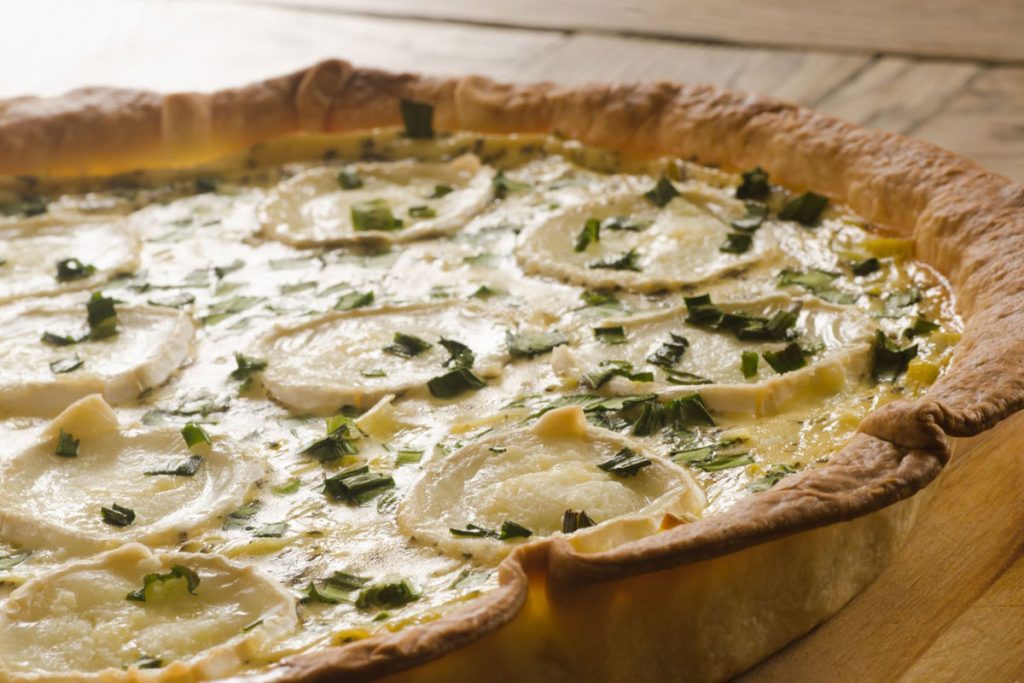
Syrah and Blue Cheese
Syrah, with its bold flavors of blackberries, plums, and spice, is a perfect match for strong-flavored cheeses like blue cheese. The richness and complexity of the wine help to balance the pungent, salty flavors of the blue cheese, creating a striking contrast that works beautifully on the palate.
3. Sweet Wines
Sauternes and Roquefort
Sauternes is a famous sweet white wine from the Bordeaux region of France, known for its honeyed sweetness and complexity. When paired with a sharp, salty cheese like Roquefort, the sweetness of the wine cuts through the saltiness of the cheese, creating an extraordinary balance of flavors. The pairing is decadent and indulgent, making it a classic choice for those who enjoy rich, complex tastes.
Port and Stilton
Port is a fortified wine with deep, rich flavors of dark fruit, chocolate, and spice. This sweetness, combined with its high alcohol content, makes Port an ideal pairing for the intense flavors of Stilton, a type of blue cheese. The richness of the Port wine complements the creaminess and pungency of Stilton, while the sweetness provides a pleasing contrast to the sharp, salty notes of the cheese.
Tips for Pairing Wine and Cheese
While the above examples are great starting points, there are a few general guidelines to keep in mind when pairing wine with cheese:
1. Match Intensity
When pairing wine and cheese, aim to match the intensity of both. A light, delicate wine pairs best with a mild cheese, while a bold, full-bodied wine is better suited to a stronger, more flavorful cheese. This balance ensures that neither the wine nor the cheese overwhelms the other.
2. Complement or Contrast
Pairing wine and cheese can be based on complementing or contrasting flavors. Complementary pairings enhance similar flavors in both the wine and cheese, such as pairing a creamy Brie with a buttery Chardonnay. Contrasting pairings highlight differences in flavor, such as pairing a sweet wine like Sauternes with a salty blue cheese. Both approaches can result in delicious combinations, so don’t be afraid to experiment.
3. Texture Matters
Texture plays a key role in wine and cheese pairings. A creamy cheese can benefit from the acidity in a white wine, which cuts through the richness and refreshes the palate. On the other hand, a firm, aged cheese may pair better with a wine that has more tannins, as the tannins help to soften the richness of the cheese.
4. Trust Your Palate
Ultimately, wine and cheese pairing is an art as much as it is a science. While general guidelines exist, personal taste plays a significant role in creating a satisfying pairing. Trust your palate, and don’t be afraid to try unconventional combinations to discover what works best for you.
Conclusion
Pairing wine with cheese is an experience that goes beyond simply matching flavors—it’s about creating harmony between textures, acidity, richness, and intensity. Whether you prefer the tangy bite of a goat cheese with a zesty Sauvignon Blanc or the creamy indulgence of Brie with a buttery Chardonnay, the possibilities are endless. The key is to understand the interplay of flavors, textures, and aromas, and to have fun exploring the endless combinations.
So next time you’re at a wine and cheese tasting, or simply enjoying a glass of wine at home, take a moment to experiment with different pairings. You might just discover a new favorite combination that elevates both the wine and the cheese to new heights.