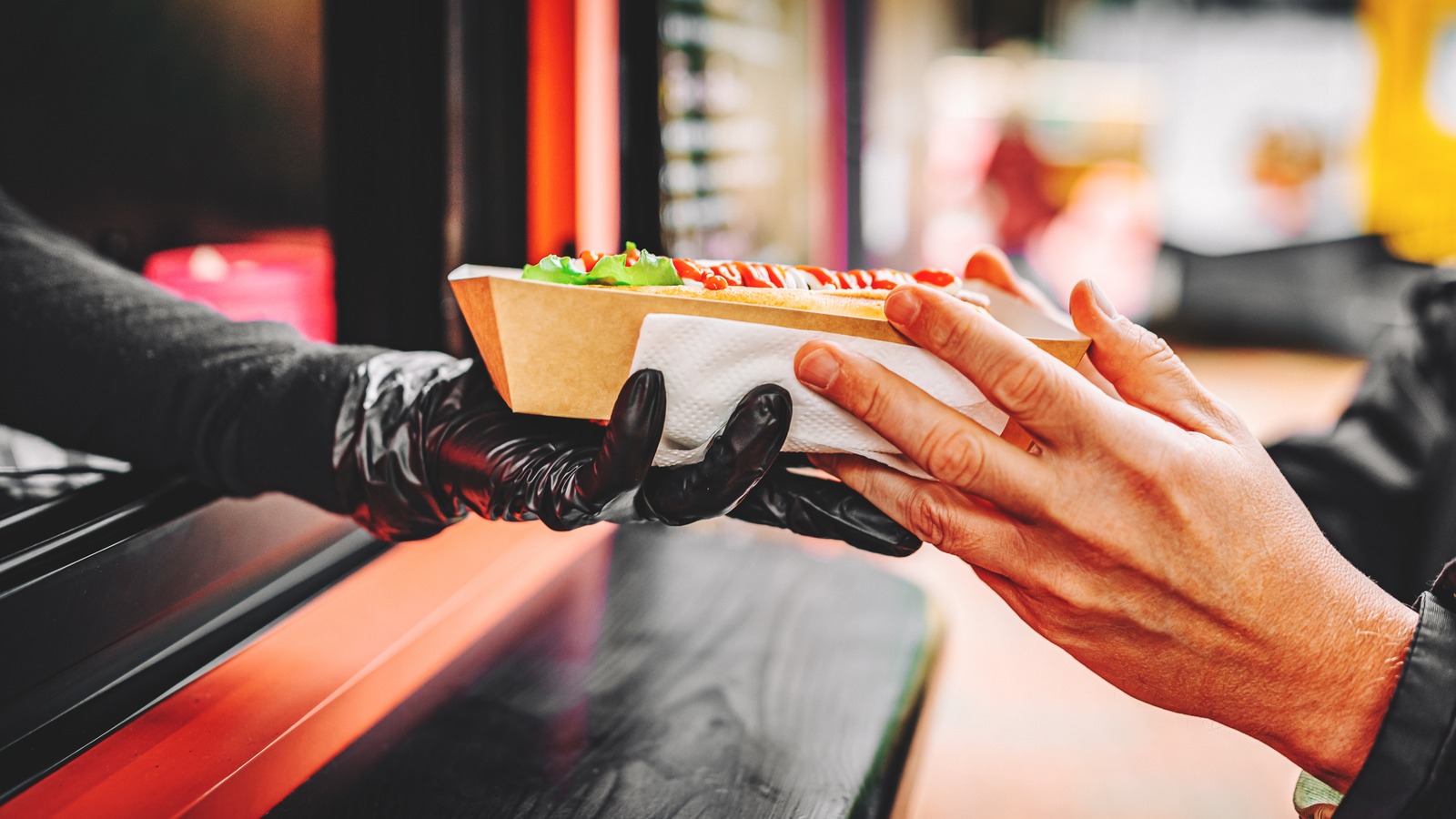




Street food. The very mention of it evokes a sense of adventure, a feeling of indulging in something special, often unpretentious, yet bursting with flavor. It’s that combination of convenience, taste, and authenticity that makes street food dishes irresistibly addictive. From the sizzling skewers on the streets of Bangkok to the crispy tacos in Mexico City, the allure of street food is undeniable. But what exactly makes these dishes so tantalizing, even compelling? Why are we so drawn to these humble food stalls, and what is it that keeps us coming back for more?
In this article, we’ll explore the science, culture, and experiences that make street food dishes so enticing. We’ll uncover the flavors, textures, and emotional connections that give these foods an addictive quality, as well as the unique elements that define street food culture around the globe.
1. The Allure of Bold, Layered Flavors
Street food is a celebration of flavor in its most vibrant, unrestrained form. Whether it’s the pungent heat of chilies, the tang of fresh lime, the umami of soy sauce, or the smokiness of grilled meats, street food dishes are a medley of contrasting tastes and textures that come together in a mouthwatering symphony.
Intensity of Flavors: Street food vendors often use bold, concentrated seasonings and spices that awaken the taste buds in unexpected ways. These dishes are not meant to be subtle or bland. Instead, they explode with bold flavors that command your attention. This intensity is why a bite of street food can create a sensory experience that stays with you long after the meal is over. Think of the fiery Szechuan peppercorns in Chinese street food or the salty-sweet combination of fried plantains and tangy salsa in Latin American dishes.
Layered Complexity: Another aspect of street food’s addictive quality is the complexity of flavors. Street food often features multiple flavor layers—sweet, savory, sour, and bitter—intertwined in a way that excites your palate with every bite. This complexity isn’t just the result of the ingredients but also the cooking techniques used by vendors. Street food chefs often use methods like grilling, frying, or stir-frying, which amplify the natural flavors of the ingredients and create contrasting textures. A crunchy exterior, paired with a tender interior, keeps you coming back for more.
2. The Element of Freshness and Customization
Many street food vendors serve dishes that are made fresh on the spot, which enhances both the flavor and the overall experience of eating. The immediacy of preparing and serving the food ensures that the flavors are at their peak.
Fresh Ingredients: One of the reasons street food is so addictive is the use of fresh, locally-sourced ingredients. Whether it’s fresh seafood on a beach in the Philippines or seasonal vegetables in an open-air market in Turkey, street food vendors typically use ingredients that are in season, resulting in dishes that are bursting with flavor. The freshness of the produce, meats, and spices elevates the dish, making each bite a memorable one.
Customization and Personal Touch: Street food is also highly customizable. Vendors often offer a range of options for diners to choose from. Want your sandwich spicier? Add more hot sauce. Want your noodles extra crispy? No problem. This level of personalization allows you to create a dish that fits your exact taste preferences, enhancing the overall eating experience. The chance to have a meal tailored to your own desires—on the spot—adds an extra layer of satisfaction.

3. The Sensory Appeal: A Feast for the Senses
Eating street food is an experience that engages all the senses. From the moment you walk up to the vendor’s stall, your senses are bombarded with sights, smells, and sounds that make the meal even more enjoyable.
The Sizzle of the Grill: The sound of food sizzling on a hot grill or fryer is one of the most iconic sensory elements of street food. The crackling sounds signal that the food is fresh and hot, building anticipation before you even take a bite. The smell of food frying, grilling, or roasting is intoxicating, drawing you in like a moth to a flame. This sensory overload primes your brain for a satisfying experience, heightening the pleasure of the meal.
Vibrant Colors and Textures: Street food is often as visually appealing as it is tasty. The colors of fresh vegetables, golden-brown fried foods, and the glossy sheen of sauces or dressings make the dishes irresistibly photogenic. This visual appeal adds another layer of satisfaction, making it a treat for both the eyes and the taste buds.
4. Nostalgia and Comfort Food: The Emotional Connection
Street food isn’t just about taste—it’s also about nostalgia and emotional connection. Many street food dishes evoke memories of childhood or family gatherings, making them deeply comforting and addictive.
Cultural Heritage: Street food is often passed down through generations. In many cultures, these dishes represent traditional recipes and cooking methods that have been refined over centuries. For example, the taco vendors in Mexico or the noodle carts in Vietnam are not just offering food; they are offering a taste of heritage, a link to their culture’s culinary history. Eating these foods connects you to something larger than just the meal itself—it connects you to a shared experience, a tradition, and a community.
Comfort and Reassurance: For many, street food is synonymous with comfort. It’s the type of food you crave when you’re feeling homesick, stressed, or simply in need of a familiar, satisfying meal. The familiarity of these foods—whether it’s a steaming bowl of pho, a crisp samosa, or a warm corn on the cob—offers reassurance, creating a sense of belonging and well-being. This emotional connection to street food is a big reason why people keep returning to their favorite food stalls time and time again.
5. The Social Aspect: Street Food as a Shared Experience
Street food is often more than just a meal; it’s a social experience. Eating street food is inherently communal, whether you’re sharing a plate with friends or bonding with strangers over a shared love of food. The casual, open-air setting of street food markets or roadside stalls encourages interaction and fosters a sense of community.
Street Food as Social Currency: In many parts of the world, street food is not just food—it’s an opportunity to connect with others. Sharing a meal with friends or family at a local food stall can create a sense of togetherness, making the meal even more enjoyable. The act of eating together, exchanging recommendations, and discovering new flavors contributes to the addictive nature of street food.

Food Culture and Rituals: Street food is also part of the larger cultural ritual. In places like India, Thailand, or Morocco, street food isn’t just about satisfying hunger; it’s part of the fabric of daily life. People gather around food vendors to chat, people-watch, or simply enjoy the atmosphere. The casual nature of street food dining encourages people to linger, making the experience about much more than just eating—it’s about enjoying the moment.
6. Convenience and Accessibility: The Perfect Food on the Go
The beauty of street food is in its convenience. It’s fast, easy to access, and often affordable, making it the perfect choice for busy, on-the-go eaters.
Quick and Efficient Service: One of the reasons street food is so addictive is that it’s often quick to prepare and serve. Whether you’re grabbing a bánh mì in Vietnam or a grilled skewer in Turkey, street food is designed to be served fast without sacrificing flavor. This means that you can satisfy your hunger almost immediately, which appeals to our fast-paced lifestyles. In a world where people are constantly on the move, street food offers an instant gratification that other dining experiences often can’t match.
Accessible to All: Another reason for street food’s popularity is its accessibility. Street food is usually affordable, making it accessible to people from all walks of life. Whether you’re a student on a budget, a tourist exploring a new city, or a local craving a quick snack, street food fits into the rhythm of everyday life. This universal appeal makes street food something that everyone can enjoy, regardless of their socio-economic status.
7. The Excitement of Discovery
Street food also offers a sense of adventure. For many food lovers, the excitement of discovering a hidden gem—whether it’s a new food truck, a bustling street market, or a quiet alley vendor—is part of what makes street food so irresistible.
The Thrill of the Unknown: There’s something exciting about walking down a crowded street and stumbling upon a food stall that beckons you with its unfamiliar scents and vibrant displays. It’s not just about the food; it’s about the thrill of discovery. This sense of exploration and the unknown makes eating street food feel like an adventure, and this novelty can be incredibly addictive.
Conclusion
So, what makes street food dishes so addictive? It’s the combination of bold, intense flavors, fresh ingredients, sensory pleasure, emotional comfort, and the communal experience that makes street food not just a meal, but an experience to be savored. Whether it’s the sizzling sounds of meat on a grill, the satisfying crunch of a freshly fried snack, or the deep emotional connections these dishes evoke, street food continues to captivate people worldwide. Its accessibility, personalization, and ability to bring people together ensure that it will remain a staple in the global culinary scene for years to come.