




Spices—those tiny, aromatic gems of the culinary world—possess an extraordinary power to elevate any dish. Their ability to transform the most basic ingredients into a symphony of flavors is what sets great chefs apart from home cooks. But beyond their flavor, spices bring with them a rich tapestry of history, culture, and science that infuses a dish with both depth and character. So, how exactly can spices transform an ordinary dish into a masterpiece? Let’s delve into the art and science behind these incredible flavor enhancers.
1. The Flavor Explosion: Unlocking Layers of Taste
At the most fundamental level, spices have the power to introduce bold, complex flavors that can elevate a dish from mundane to magnificent. Whether it’s the deep, smoky heat of cumin or the fragrant sweetness of cinnamon, spices create a symphony of taste that excites the palate.
Spices are like an artist’s palette; they allow chefs to craft a dish that is layered with multiple dimensions of flavor. For example, the addition of paprika can bring out subtle smoky undertones, while a dash of turmeric adds a warm, earthy richness. These flavors not only complement the base ingredients of the dish but also work in harmony to create a nuanced, balanced profile that stimulates the taste buds.
Contrast is Key
One of the hallmarks of a well-spiced dish is contrast. Spices can bring balance to a dish by providing counterpoints to sweetness, saltiness, sourness, and bitterness. Think of how chili peppers can cut through the richness of a creamy sauce or how lemon zest can brighten a savory stew. By pairing spices with contrasting elements, chefs can create a sensory experience that feels both harmonious and surprising.
2. A Journey Through Time: The Cultural Influence of Spices
Spices aren’t just ingredients—they are a historical and cultural voyage. For thousands of years, spices have been traded, cherished, and revered. The mere mention of a spice can evoke memories of distant lands and ancient civilizations. Take, for example, the use of saffron, a spice that has been cultivated for over 3,000 years and was once more valuable than gold. The story of spices is intertwined with the history of exploration, empire-building, and cultural exchange.
The way spices transform a dish is often deeply rooted in the culture from which they originate. In Indian cuisine, the complex combination of spices such as cumin, coriander, garam masala, and turmeric defines the flavor profile of dishes like curries and dals. In Mediterranean cooking, the use of herbs like oregano, thyme, and rosemary infuses dishes with a sense of the sun-kissed landscapes and ancient traditions of the region.
By incorporating spices from different parts of the world, home cooks and chefs can bring the world’s culinary history to their plates. A simple stew becomes a Moroccan tagine with the addition of cinnamon and cumin, while a basic roasted chicken takes on the flavors of India with garam masala and turmeric.
3. Health Benefits: Spice as Medicine
Beyond flavor, spices have long been revered for their medicinal properties. Ancient cultures knew what modern science is now confirming—that many spices are rich in antioxidants, anti-inflammatory compounds, and essential nutrients. Turmeric, for instance, contains curcumin, a compound with powerful anti-inflammatory effects that has been studied for its potential to combat chronic diseases. Cinnamon can help regulate blood sugar levels, while ginger is a well-known remedy for digestive issues.
Using spices in cooking is not only a way to enhance flavor but also a method of nourishing the body. When we add spices to our dishes, we are not just seasoning them; we are infusing our food with health-boosting properties. For those looking to enjoy a flavorful, nutrient-rich meal, spices are an essential tool in the kitchen.
A Holistic Approach to Wellness
Spices can transform a dish into a powerhouse of health. For example, a turmeric-infused soup not only warms the body but also supports immune health, while a dash of chili pepper can boost metabolism and improve circulation. These functional benefits—combined with their ability to enhance flavor—make spices indispensable in both traditional and modern cooking.
4. Creating Aromas That Stir the Senses
A dish’s aroma is just as important as its taste, and spices have the unique ability to captivate the olfactory senses. Think about the fragrance of freshly ground black pepper or the heady scent of garlic sautéing in olive oil. Spices act as aromatic signals, heightening the anticipation of a meal and creating an immediate emotional response. When cooking, the aromatic release of spices fills the kitchen, and as the dish finishes, it creates a sensory experience that brings everything to life.
The Role of Aroma in Flavor Perception
The sense of smell is closely linked to taste. In fact, most of what we perceive as “taste” is actually a combination of both taste and smell. This means that the aroma of spices is just as critical in transforming a dish. A perfectly spiced dish doesn’t just taste incredible—it smells irresistible, making it impossible to resist taking that first bite.
By carefully selecting spices and allowing them to bloom in oil or butter at the beginning of cooking, you can ensure that the aromas fill the kitchen and set the stage for a truly memorable dining experience.
5. The Science of Spices: Balancing Chemistry and Craft
The magic of spices doesn’t just come from their history, aroma, or health benefits—it’s also grounded in chemistry. The volatile oils in spices, which give them their characteristic flavors and aromas, interact with heat, moisture, and other ingredients to produce a chemical reaction that amplifies flavor. This is why the timing and method of adding spices can significantly affect the outcome of a dish.
Toasting and Blooming
Toasting spices, for example, enhances their essential oils and releases their full potential. Blooming spices—adding them to hot oil at the start of cooking—activates their flavors, allowing them to infuse the dish with greater depth. The heat causes the oils to break down and release compounds that would otherwise remain dormant, making the spices more aromatic and flavorful.
Layering Flavors
Just as an artist layers paint on a canvas, chefs layer spices to create a complex flavor profile. This process can involve adding spices at different stages of cooking—perhaps a hint of cinnamon and nutmeg in a stew early on, followed by a sprinkle of fresh cilantro at the end for a burst of brightness. Each layer builds on the last, creating a harmonious and multifaceted dish.
6. The Art of Pairing Spices with Ingredients

Not all spices work well with every ingredient. The key to mastering the art of spicing up a dish is knowing which spices pair well with different foods. This is where culinary expertise shines. While some spices, like garlic and ginger, have universal appeal, others require a more nuanced approach.
For example, citrus zest pairs beautifully with seafood, as the acidity complements the delicate flavors of fish. On the other hand, rich meats like lamb or beef thrive with bolder spices such as rosemary, thyme, and cumin, which can stand up to their intensity. Sweet dishes benefit from the warmth of cinnamon, cardamom, or vanilla, while baking often calls for spices that enhance the flavor without overwhelming the base, such as nutmeg or allspice.
Sweet and Savory
One of the most exciting aspects of spice pairing is the way it blurs the lines between sweet and savory. A dash of cinnamon in a savory tomato-based stew can add a surprising depth of flavor, while a touch of chili powder in chocolate desserts can create an unexpected yet delightful heat.
7. Building a Spice Collection: Essentials for Every Kitchen
For those looking to enhance their cooking with spices, it’s important to start with the basics. Building a spice collection doesn’t require an overwhelming selection—there are a few essential spices that can serve as the backbone of any great kitchen. These include:
- Cumin: A warm, earthy spice perfect for curries, stews, and roasted vegetables.
- Paprika: Smoky and sweet, paprika is a versatile spice used in everything from meats to rice dishes.
- Cinnamon: Both sweet and savory, cinnamon is a must-have for baked goods, stews, and even chili.
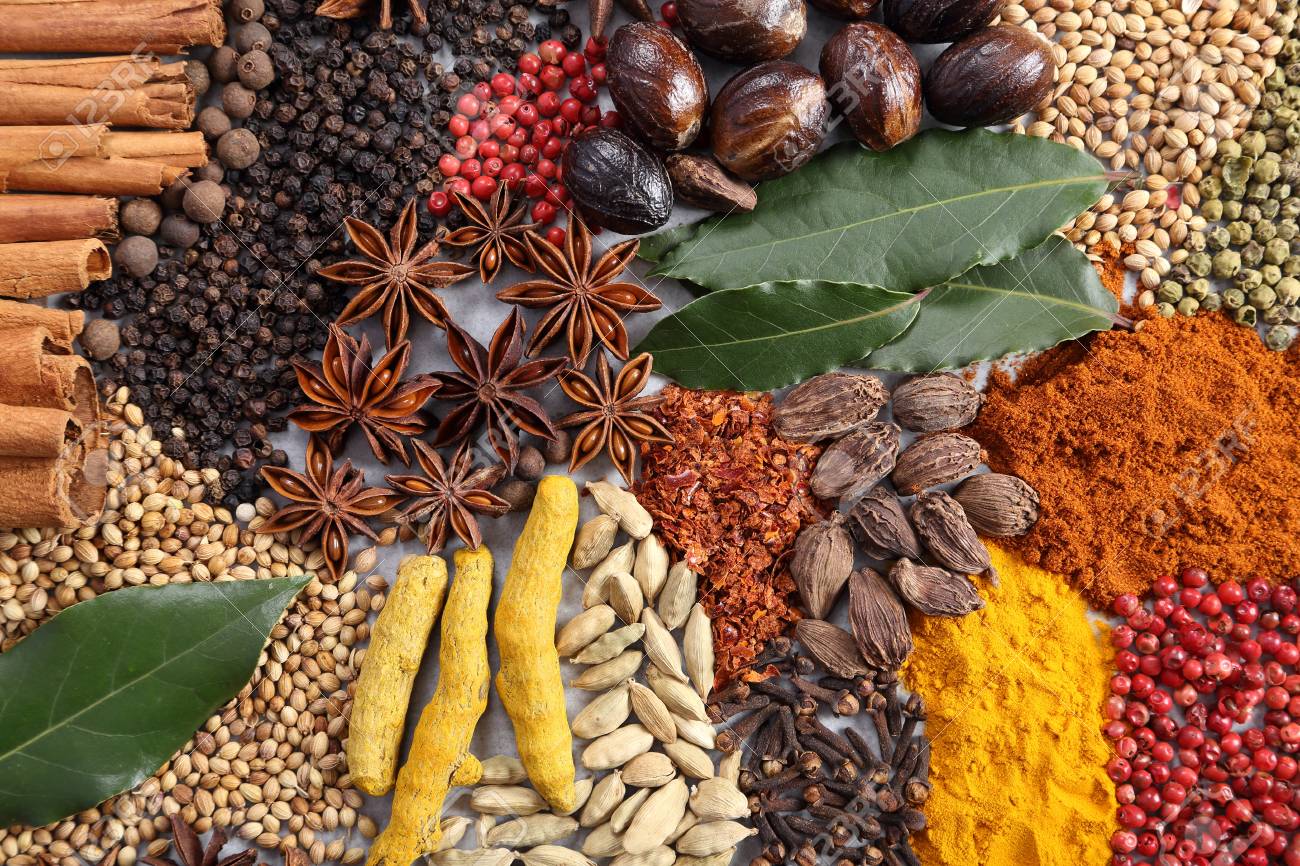
- Turmeric: Known for its vibrant yellow color and earthy, slightly bitter flavor, turmeric is essential in Indian and Middle Eastern cooking.
- Black Pepper: Freshly ground black pepper adds heat and depth to almost any dish.
- Ginger: Fresh or ground, ginger brings warmth and zing to both sweet and savory dishes.
With these staples in your pantry, you can experiment with countless dishes and combinations.
8. Spices in the Modern Kitchen: A Global Fusion
Today, spices continue to play a crucial role in modern cooking, and chefs around the world are experimenting with global flavor combinations to create innovative dishes. The fusion of traditional and contemporary techniques, combined with a global spice palette, has led to exciting new dishes that highlight the versatility of spices. Whether it’s the use of sumac in contemporary salads or harissa in trendy fusion bowls, spices are pushing the boundaries of what’s possible in the kitchen.
Global Influence
Culinary fusion allows home cooks and professional chefs alike to take the spices of one culture and combine them with the ingredients of another, creating something entirely new. For instance, a taco might be spiced with Korean gochujang, or a risotto could be infused with the warmth of Indian garam masala. The possibilities are endless, and spices serve as the perfect bridge between cuisines.
9. Conclusion: Spice as a Story
In the end, spices do far more than enhance the taste of a dish—they tell a story. They connect us to cultures, histories, and traditions that span the globe. They have the power to transform not just the flavor of food but also the experience of eating. A dish that is carefully spiced becomes a reflection of the cook’s passion, creativity, and understanding of flavor.
As you experiment with spices in your cooking, remember that the possibilities are endless. A simple sprinkle of cumin or a dash of cinnamon can turn an ordinary dish into a culinary masterpiece, tantalizing the senses and enriching the body. The next time you’re in the kitchen, don’t just cook—spice your world.