



In the culinary world, there are certain ingredients that, despite being essential, tend to hide behind the more prominent flavors. These humble, often overlooked elements play a crucial role in elevating classic dishes, but they rarely get the spotlight they deserve. From adding depth and balance to enhancing texture and aroma, these unassuming ingredients can make or break the final dish. Let’s explore some of the most overlooked ingredients in classic recipes that deserve more attention.
1. Miso Paste: The Silent Flavor Enhancer in Soups and Stews
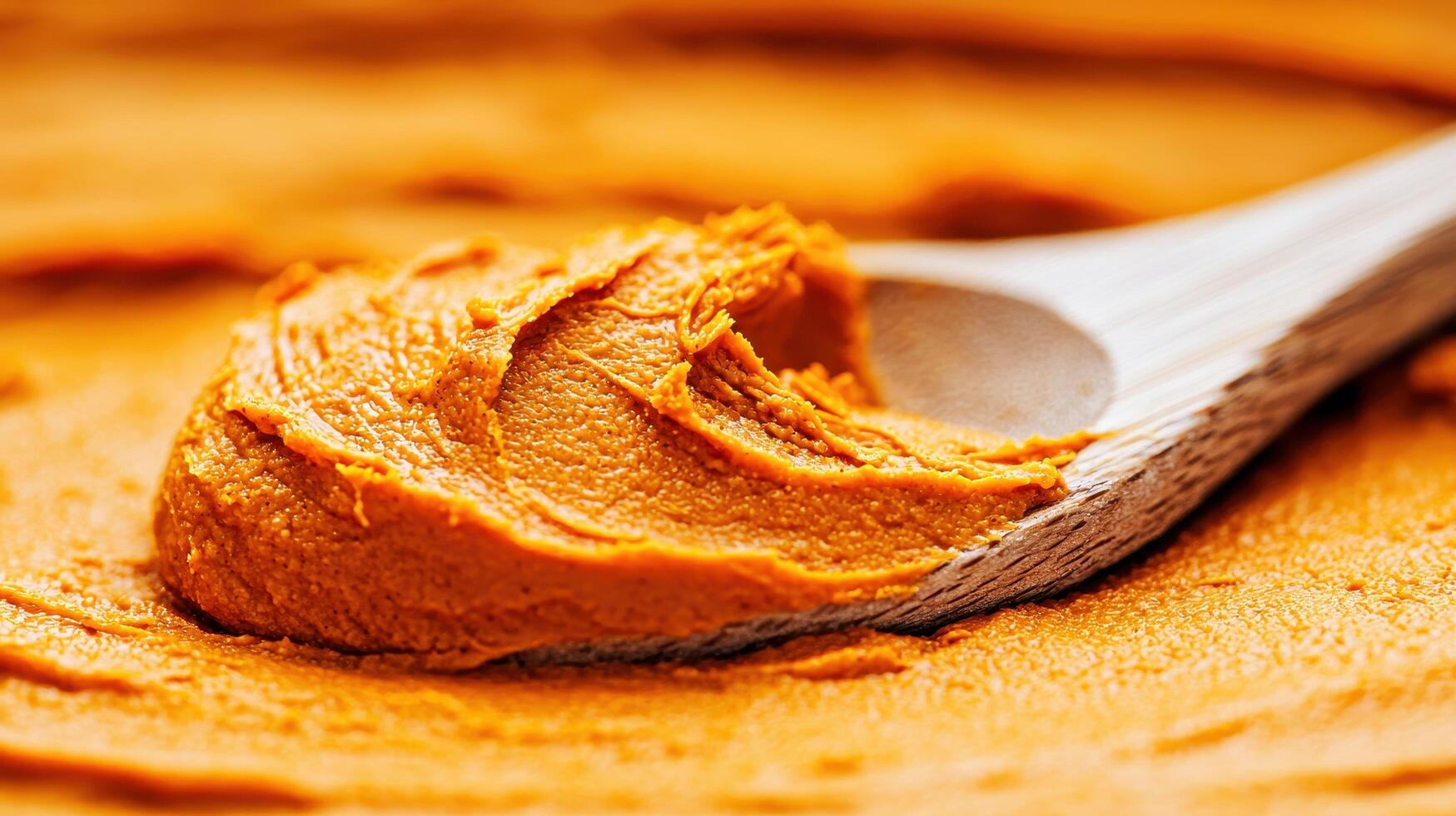
Miso paste is a staple in Japanese cooking, yet its understated presence in many Western versions of dishes like soups and stews often goes unnoticed. Made from fermented soybeans, miso introduces a subtle umami flavor that elevates broths and stocks without overwhelming them.
Miso’s deep, earthy richness works wonders in dishes like miso soup, ramen, and even stews like beef bourguignon. It doesn’t just add saltiness—it also imparts a complex depth that gives the dish a more rounded, savory character. Miso paste is often overshadowed by bolder ingredients like garlic and ginger, but its presence is felt in the way it balances and deepens other flavors.
Why It’s Overlooked: Miso tends to be used in small quantities, often tucked away in the background where it’s not immediately identifiable. It’s a subtle flavor, one that doesn’t shout for attention but works tirelessly to harmonize the dish.
2. Fish Sauce: The Unsung Hero of Umami
Fish sauce, particularly popular in Southeast Asian cuisine, is one of those ingredients that can transform a dish with just a splash. Whether in Thai curries, Vietnamese pho, or even in Western dishes like spaghetti sauces, this pungent liquid brings an unmatched umami depth. It’s often relegated to the background in recipes, with many cooks unaware of its transformative potential.
Fish sauce is made by fermenting fish with salt, and this process results in a concentrated, salty, and slightly funky flavor that can heighten the richness of a sauce or soup. When used correctly, it can add a level of complexity to a dish without ever being recognized.
Why It’s Overlooked: Because of its strong aroma, many cooks hesitate to use fish sauce or fear it will overpower a dish. However, just a small amount can drastically enhance the depth of flavor without being noticeable.
3. Celeriac (Celery Root): A Root Vegetable with a Quiet Power
When you think of root vegetables, potatoes, carrots, and parsnips often take the stage. But celeriac (or celery root), often lurking in the background of classic French and European dishes, has a flavor profile worth exploring. This knobby, bulbous root has a mild, earthy taste with a hint of celery—making it an ideal ingredient for soups, mash, and even roasts.
Celeriac is frequently overlooked in favor of more familiar root vegetables, but its slightly nutty and herbal flavor can add layers of depth to a dish, whether it’s used in a classic French potage parmentier or grated into a tangy celeriac remoulade.
Why It’s Overlooked: Celeriac’s rough exterior and unfamiliarity often make it less approachable than other root vegetables. But with a little creativity, it can be used in ways that elevate a dish beyond the ordinary.
4. Bay Leaves: The Flavorful Aromatic That’s Easy to Ignore
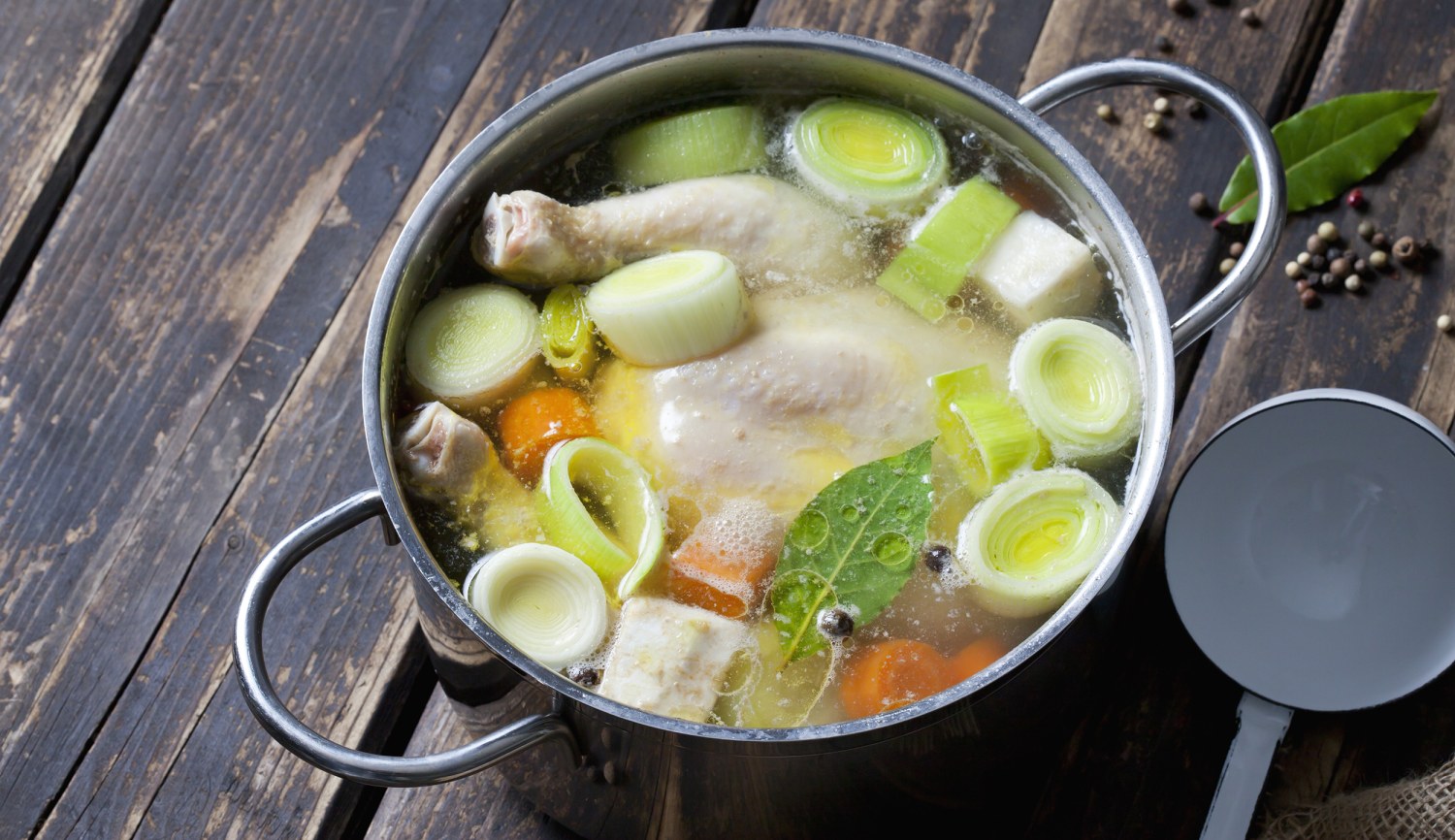
Bay leaves are a foundational ingredient in many Mediterranean and European dishes, yet their presence is often barely noticed. These leaves, usually removed before serving, infuse their subtle herbal aroma into soups, stews, and sauces. While they don’t contribute much in terms of visible texture or immediate flavor, their ability to add complexity and a touch of perfume to a dish is unmatched.
Bay leaves are often used in slow-cooked dishes like boeuf bourguignon, chicken cacciatore, or bouillabaisse. Their delicate flavor is drawn out during the cooking process, gently lifting the other flavors without overwhelming them. It’s a flavor that reveals itself only to the discerning palate, making bay leaves a true culinary secret weapon.
Why It’s Overlooked: Bay leaves are easy to forget because they’re typically discarded after cooking. Their role as a “background” flavor enhancer means they often don’t get the credit they deserve.
5. Ghee: The Rich, Clarified Butter That Outshines Regular Butter
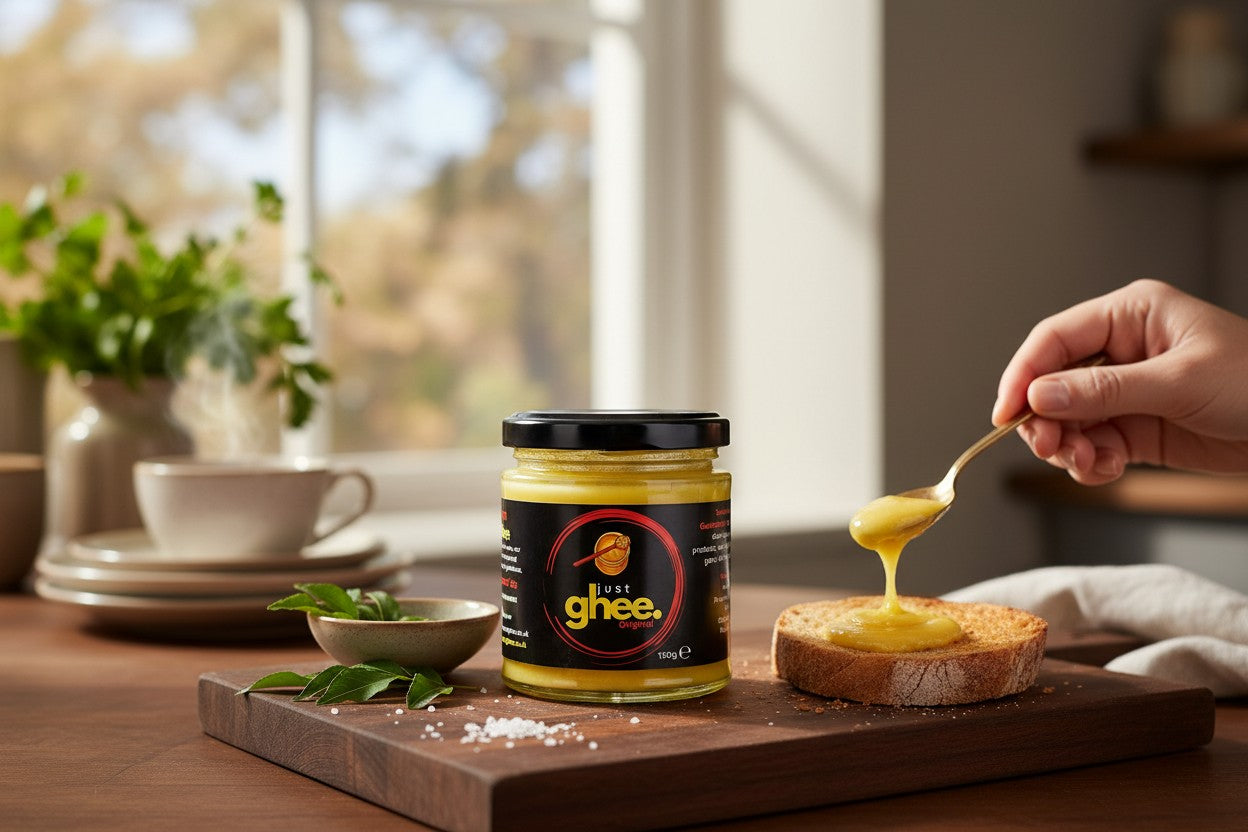
Ghee, a clarified butter common in Indian cooking, is a rich and flavorful ingredient that doesn’t always receive the recognition it deserves. When butter is heated to remove the milk solids, what remains is ghee, which boasts a nutty, caramelized flavor with a slightly more intense richness than regular butter.
Ghee is a cornerstone of many Indian dishes, from curries and dals to samosas and naan. It can also be used as a cooking fat for frying or sautéing, thanks to its high smoke point. While butter is often seen as the go-to fat in Western cooking, ghee’s depth of flavor and versatility make it an ingredient worth integrating into classic dishes for an extra layer of richness.
Why It’s Overlooked: Many people are unfamiliar with ghee or simply don’t realize how much more complex it is compared to regular butter. It’s also often confused with other clarified butters, but its unique flavor sets it apart.
6. Anchovies: The Small Fish That Packs a Punch
Anchovies, often considered a divisive ingredient, are the secret weapon behind many classic dishes. These tiny, briny fish, typically preserved in oil or salt, are a powerful flavor booster in everything from caesar salad dressing to pasta puttanesca and even classic pissaladière.
When used in moderation, anchovies dissolve into sauces, providing an intense umami kick without leaving behind a fishy taste. They are key to the savory depth of many Mediterranean and Italian recipes, yet their impact is subtle enough that their presence often goes unnoticed.
Why It’s Overlooked: Due to their strong flavor and distinct aroma, anchovies tend to be a love-it-or-hate-it ingredient. Many cooks opt to leave them out or use them sparingly, but they are invaluable when you want to deepen the flavor of a dish without relying on heavier, more obvious seasonings.
7. Shallots: The Subtle Onion with Superior Flavor
In many classic dishes, onions take center stage as a flavor base, but shallots, a smaller relative of the onion, are often relegated to the background. Shallots offer a gentler, sweeter flavor with a hint of garlic, making them ideal for sauces, dressings, and delicate sautés.
Their mild yet layered flavor can enhance everything from French vinaigrettes to the base of a coq au vin. Shallots also hold their shape better than onions when cooked, making them an excellent addition to braised dishes or used as a garnish.
Why It’s Overlooked: Shallots are often seen as a fancier, more delicate alternative to onions, and thus tend to be used less frequently, even though they’re capable of adding much-needed nuance to a dish.
8. Tamarind: The Sweet and Sour Powerhouse
Tamarind is a key ingredient in many global cuisines, from Indian and Thai to Mexican and Caribbean cooking. The sour, slightly sweet pulp from the tamarind pod adds a unique tang to sauces, chutneys, and soups.
In classic dishes like pad thai, Indian butter chicken, or barbacoa, tamarind is often the secret ingredient that ties the dish together, balancing out spiciness with its tangy sweetness. However, it’s often overshadowed by more dominant spices and flavors, making it an ingredient that deserves more appreciation.
Why It’s Overlooked: Tamarind’s slightly exotic flavor can be intimidating to some cooks, and its use in recipes is often minimized. However, when incorporated correctly, tamarind can enhance the complexity of a dish without overpowering it.
9. White Miso: A Lighter, Yet Powerful Counterpart
While miso paste is well-known, the lighter variety—white miso—deserves a more prominent place in classic Western dishes. With a milder, sweeter profile compared to its darker counterpart, white miso can be incorporated into dressings, marinades, and even baked goods.
In dishes like creamy miso mashed potatoes, miso-glazed salmon, or white miso butter, it provides a delicate, savory depth that complements rather than overwhelms other ingredients. The versatility of white miso is often overlooked in favor of its stronger, more pungent relatives.
Why It’s Overlooked: White miso’s subtlety means it doesn’t jump out at the cook or the diner. It’s easy to forget that this lightly fermented paste can add layers of flavor without stealing the show.
Conclusion
These overlooked ingredients, while humble and often relegated to the background, are essential to the balance and depth of many classic dishes. Whether it’s the umami boost of miso or fish sauce, the herbal perfume of bay leaves, or the sweetness of shallots, these ingredients are indispensable to a dish’s success. The next time you make a beloved recipe, take a moment to appreciate the quieter players in the kitchen—they might just be the key to transforming your dish from good to extraordinary.