



In the ever-changing world of gastronomy, the fusion of tradition and innovation often results in culinary masterpieces that are as exciting as they are comforting. Traditional recipes, passed down through generations, hold a deep cultural significance. They are more than just a set of ingredients and cooking methods; they are a reflection of history, geography, and family stories. However, as kitchens evolve and modern techniques emerge, these beloved dishes often undergo transformations. In today’s culinary world, the question arises: How do traditional recipes evolve in modern kitchens?
The Influence of Globalization on Traditional Dishes
Globalization has brought the world closer, allowing people to access ingredients, techniques, and cooking philosophies from different corners of the globe. This interconnectedness naturally influences the evolution of traditional recipes. What was once a regional dish may now have international variations, with chefs using locally available ingredients or adapting recipes to suit modern tastes.
Consider the humble taco. Originally a simple Mexican street food, it has morphed into various forms in North America and beyond. Some versions feature fusion fillings such as Korean BBQ, while others use alternative, gluten-free tortillas. The traditional taco still retains its essence—soft corn or flour tortilla, filled with seasoned meat or vegetables—but its adaptations reflect a dynamic, globalized world where culinary boundaries are increasingly blurred.
Modern Kitchen Technology and Its Impact
One of the most significant changes in modern kitchens is the rise of technology. From precision cookers like sous-vide machines to the air fryer, technology has revolutionized how we approach traditional recipes. What was once a time-consuming task, like slow-roasting meats for hours, can now be done in a fraction of the time, all while retaining the same depth of flavor.
For instance, traditional French cassoulet—a slow-cooked stew of beans, sausages, and meat—might have once required hours of attention. Today, the pressure cooker has shortened the cooking process, allowing chefs to retain the rich, complex flavors of the dish while cutting down on time and effort. Sous-vide cooking has taken this even further by offering precise temperature control, which ensures the tenderness and flavor of meat are preserved.
In many ways, modern technology allows for greater precision and efficiency in the kitchen, which can help chefs replicate complex traditional dishes more accurately and consistently. The key here is that technology serves as an ally in preserving tradition, not as a replacement for it.
Ingredient Substitutions and Sustainability
Another factor contributing to the evolution of traditional recipes is the increased awareness of sustainability and health. As consumers become more conscious of the environmental impact of their food choices, chefs and home cooks alike are looking for sustainable alternatives to traditional ingredients. This is particularly true for dishes that rely heavily on animal products.
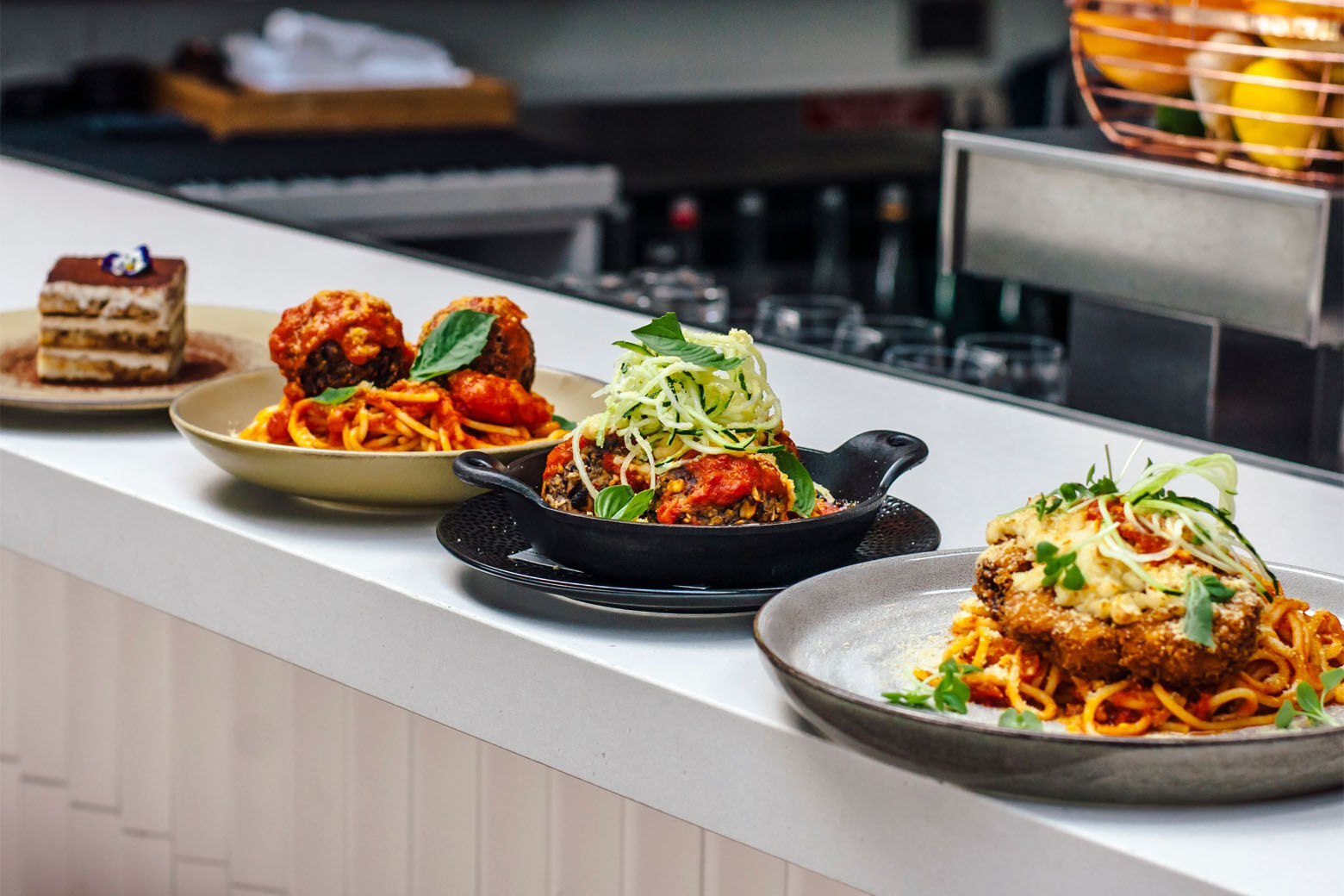
Take, for example, the classic Italian lasagna. Traditionally made with beef or pork, ricotta cheese, and béchamel sauce, today’s lasagna might be made with plant-based alternatives. Vegan ricotta, made from tofu or cashews, and dairy-free béchamel, made with almond milk or oat milk, are now common substitutions. Similarly, plant-based proteins like lentils, mushrooms, and tempeh are replacing meat in many traditional dishes, allowing them to cater to vegan and vegetarian diets while staying true to the spirit of the original recipe.
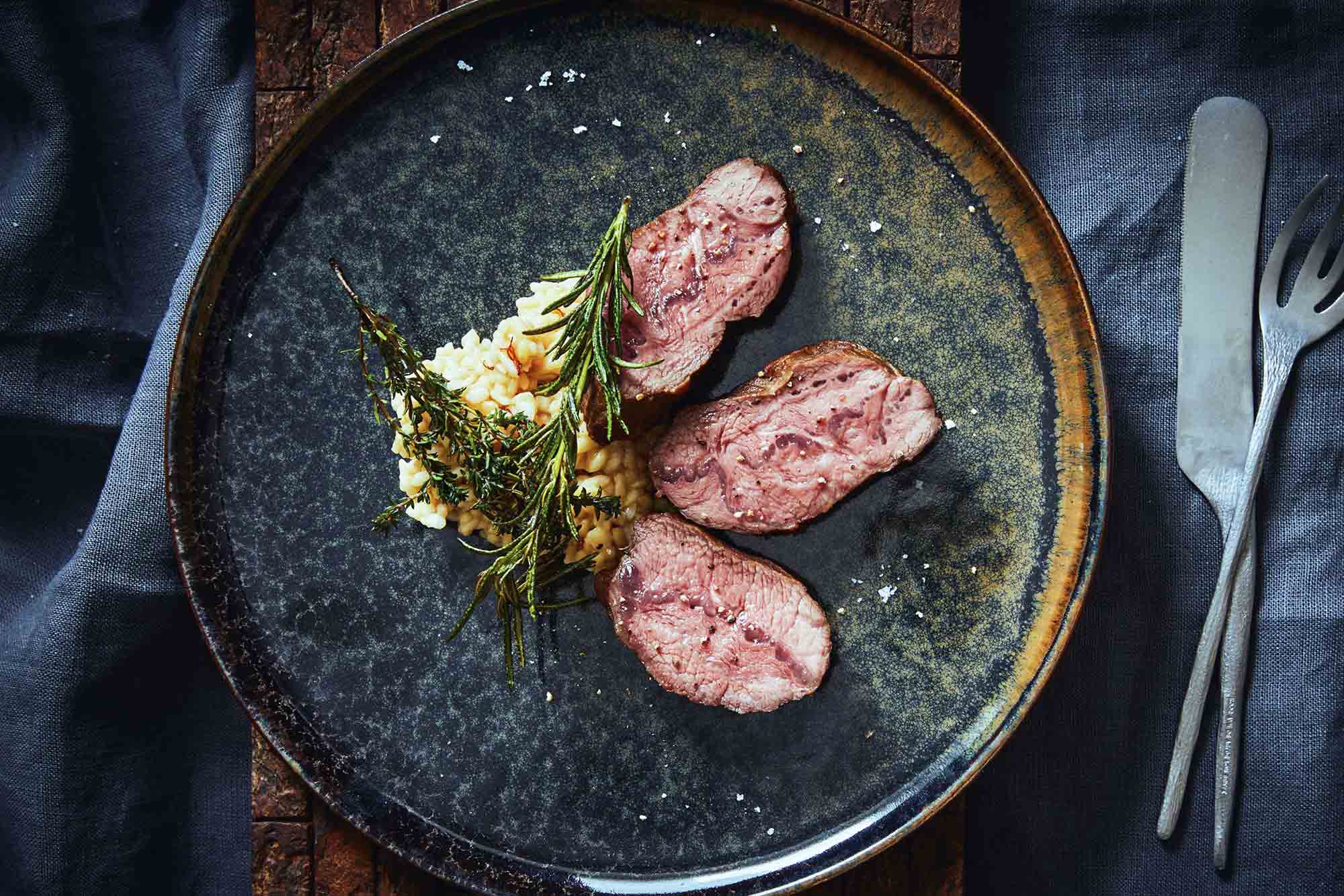
These substitutions don’t just appeal to those with dietary restrictions—they reflect a growing trend toward sustainable eating. By using locally grown, seasonal, and plant-based ingredients, chefs contribute to a more sustainable food system while maintaining the integrity of the dish.
The Role of Personalization in Modern Kitchens
One of the most exciting aspects of modern cooking is the ability to personalize dishes. Today’s kitchens are equipped with tools that allow individuals to experiment with flavor, texture, and presentation in ways that were once reserved for professional chefs. This has led to a shift in how traditional recipes are approached.
In the past, traditional dishes were often made according to family recipes or passed-down methods, and variations were rare. However, in modern kitchens, the rise of food blogs, social media, and culinary experimentation has led to an explosion of creative reinterpretations. Take the traditional British shepherd’s pie—once a simple, hearty dish made with lamb, mashed potatoes, and vegetables. Today, it might be made with different types of meat, such as chicken or beef, or even served as a vegetarian dish with a base of quinoa or cauliflower mash.
Personalization also extends to the use of different cooking styles and techniques. A traditional recipe for a stew might be adapted by grilling the meat first for added depth of flavor, or a classic dessert like crème brûlée could be given a modern twist with flavor infusions such as Earl Grey or lavender. In many cases, these updates add a contemporary flair while keeping the essence of the original dish intact.
Preserving the Core of Tradition
While many traditional recipes are evolving, there is still a strong movement to preserve the core aspects of these dishes. For chefs, historians, and food enthusiasts alike, maintaining the authenticity of a recipe is just as important as innovating upon it. In many cases, the evolution of a dish occurs without sacrificing the elements that make it special.
Take the case of sushi. While sushi has certainly evolved in the West, particularly with the rise of the “California roll,” traditional Japanese sushi remains rooted in its original form: a piece of fish atop a small mound of seasoned rice. Sushi chefs still undergo years of rigorous training to master the art of preparing perfectly cooked rice and selecting the finest fish. The evolution of sushi in modern kitchens often revolves around experimenting with flavor pairings or presentation, but the integrity of the dish remains intact.
This delicate balance between preserving tradition and embracing innovation can be seen in countless other examples. From the complex sauces of classic French cuisine to the comforting pasta dishes of Italy, the evolution of these recipes occurs in a way that honors the tradition, ensuring that future generations can still experience the flavors and techniques that have been passed down.
The Influence of Social Media on Culinary Trends
In recent years, social media platforms like Instagram, YouTube, and TikTok have had a significant impact on how recipes evolve. These platforms have created an environment where food trends can go viral almost overnight, inspiring home cooks and professional chefs alike to experiment with traditional recipes.
While this phenomenon can lead to the commercialization of certain foods (e.g., the explosion of avocado toast), it can also foster creativity and a renewed interest in older, traditional dishes. A viral video of someone making homemade dumplings from scratch may inspire thousands of viewers to try their hand at this traditional dish, albeit with their own spin. Social media allows for the democratization of cooking, where anyone can share their interpretations of traditional recipes and contribute to the ongoing evolution of these dishes.
Social media has also introduced new ways to showcase and celebrate food. A beautifully plated, well-lit photo of a dish can become an integral part of its evolution, influencing how it is perceived and even altering the way it is served in restaurants and homes.
The Rise of the “Modern Traditionalist” Chef
A new breed of chef is emerging: the modern traditionalist. These chefs are committed to reviving and preserving traditional cooking methods and recipes but are not afraid to experiment with new techniques and flavors. They may use molecular gastronomy to reimagine the textures of a traditional dish or incorporate foraged ingredients into a time-honored recipe. These chefs understand that tradition is not static—it evolves in response to time, culture, and innovation.
These modern traditionalists view culinary tradition as a living, breathing entity, one that must adapt to modern sensibilities while staying true to its roots. For them, the evolution of a recipe is an opportunity to both honor the past and push the boundaries of what is possible in the kitchen.
Conclusion: The Future of Tradition in the Kitchen
Traditional recipes, far from being relics of the past, are living documents of cultural history that continue to evolve in response to the changing world around us. In modern kitchens, technology, globalization, sustainability, and personal creativity all play a role in shaping how these dishes are prepared, presented, and enjoyed.
The evolution of traditional recipes is a celebration of culinary diversity, where the old and the new coexist, each influencing the other in profound ways. Whether it’s through ingredient substitutions, the use of modern cooking tools, or the reinterpretation of time-honored techniques, today’s chefs are ensuring that the legacy of traditional dishes lives on.
As the world continues to change, the future of food will likely see even more exciting innovations that balance tradition with progress. In the end, no matter how much a recipe evolves, its soul—whether it’s the comforting simplicity of a bowl of soup or the intricate flavors of a multi-course feast—remains unchanged.