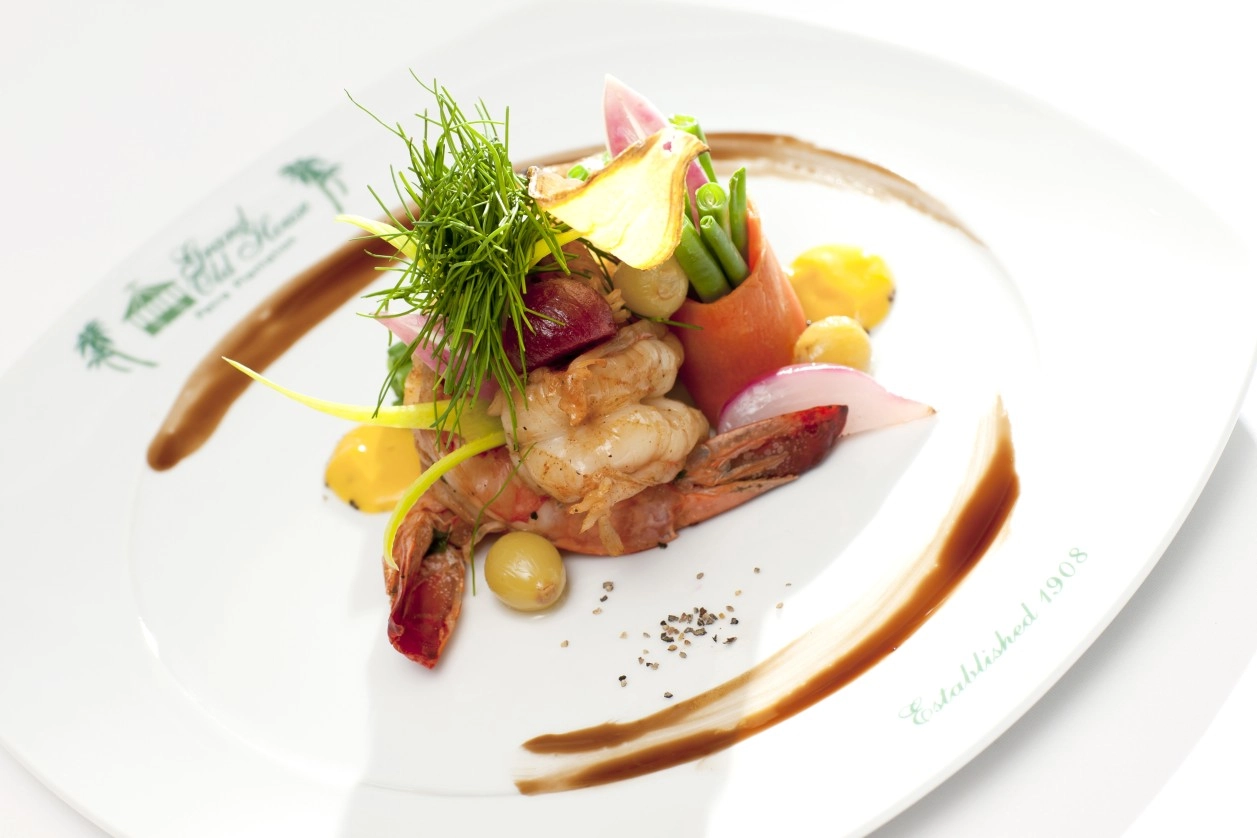




Food is one of the fundamental pleasures of life, but it is more than just sustenance. Every meal, whether a quick snack or an elaborate feast, involves more than the mere act of eating—it is an experience that engages all of our senses. And when it comes to creating memorable dining experiences, presentation plays a crucial, often underestimated role.
The way food looks can significantly influence how we perceive its taste, texture, and overall enjoyment. The aesthetic aspects of a dish, such as color, arrangement, and plating techniques, have a direct impact on how we approach our meal. From the moment a dish arrives at the table, the visual appeal sets the stage for a multi-sensory journey, which extends beyond the food itself and connects with our emotions, expectations, and memories.
The Science Behind Food Presentation
At the heart of the experience of eating is our brain. Our minds are constantly interpreting signals from our environment, and food presentation is no exception. Studies in neurogastronomy—the intersection of neuroscience and gastronomy—show that what we see on the plate can trick our brains into believing a food tastes better, is fresher, or is more indulgent than it may actually be. This phenomenon is known as the “visual-taste” effect.
One reason behind this is that humans are conditioned to associate certain visual cues with specific tastes. Bright, vibrant colors, for example, often signal freshness or ripeness, triggering positive expectations. The careful arrangement of ingredients can also suggest harmony and balance, reinforcing the idea that the dish is well-thought-out and delicious.
The role of color, for instance, cannot be overstated. Research shows that certain colors evoke specific emotional responses and psychological effects. Red is often associated with appetite stimulation, while green suggests freshness and healthiness. A well-plated dish with complementary colors can make it appear more appetizing, which in turn can make the food taste better. Conversely, a poorly arranged plate might diminish our enjoyment, even if the food is delicious.
Plating as an Art Form
Plating food is not just a matter of arranging it on a plate—it is an art form in itself. Just as artists use a canvas to express their creativity, chefs use a plate to showcase their culinary vision. The idea behind plating is to elevate the dining experience by engaging multiple senses. The goal is to create a visual narrative that enhances the dish’s flavors and textures.
Chefs often consider factors such as balance, symmetry, and proportion when plating a dish. A well-balanced plate creates a sense of order, which subconsciously makes the food feel more satisfying. The placement of ingredients can guide the diner’s eye across the plate, creating a visual rhythm that leads to a more enjoyable eating experience. A good plate is like a work of art—each element contributes to the whole, without overwhelming the senses.
For example, when plating a dish, chefs may place proteins in the center, surrounded by a burst of colorful vegetables or garnishes. The interplay between different textures, colors, and shapes gives the plate a sense of harmony. The white space on the plate—areas without food—also plays a role in emphasizing the dish’s components, making them stand out. The clean lines and organized arrangement of ingredients reflect the skill of the chef and enhance the diner’s overall perception of the meal.
The Emotional Connection to Food Presentation
Eating is not only about satisfying physical hunger; it is deeply intertwined with our emotions, memories, and social experiences. The presentation of food can evoke nostalgia, trigger memories of special occasions, and even enhance our connection to the people we are sharing the meal with. A beautifully presented dish has the power to elicit joy and excitement before the first bite is even taken.

Think about the last time you had a meal at a fine dining restaurant. Before tasting the food, you were likely struck by the presentation of the dish. The intricate arrangement of ingredients, the careful placement of garnishes, and the overall elegance of the plate sparked anticipation and curiosity. In these settings, food presentation is not just about making the meal look good; it’s about creating an experience. It is an invitation to indulge in something extraordinary.
Social media has further amplified this emotional connection to food presentation. With platforms like Instagram, people are increasingly documenting their food experiences, often judging meals by their visual appeal first. The rise of food photography has made the aesthetics of dining a central part of food culture, pushing chefs and home cooks alike to experiment with new techniques to make their dishes look as captivating as possible.
This trend speaks to a deeper emotional connection that people have with food. When we share a beautifully presented dish on social media, we’re not just showing others what we’re eating; we’re sharing a piece of our experience. We’re communicating the joy we feel in that moment, the excitement of trying something new, or the satisfaction of enjoying a meal with friends and family.
Texture and Shape: The Hidden Elements of Presentation
While color and arrangement are obvious aspects of food presentation, texture and shape are equally important in shaping the dining experience. The texture of food affects how we perceive its taste, and how ingredients are cut, shaped, or molded can transform a dish from ordinary to extraordinary.
For instance, think about the different textures on a dish—a crispy crust, a smooth sauce, tender meat, and crunchy vegetables. These textures engage the mouth in different ways, creating a more dynamic and pleasurable eating experience. Texture also plays a role in how the food is plated. A dish with contrasting textures can be visually more appealing, and it adds a sense of variety and balance to the overall meal.
Shape is another critical aspect of presentation. The geometry of a plate can influence how we perceive its contents. Round shapes often evoke feelings of comfort and familiarity, while angular, sharp-edged arrangements can create a sense of sophistication or modernity. The shape of the food itself also matters; for example, carefully cut vegetables or delicately arranged pasta add to the visual appeal of a dish.
Food designers and chefs often experiment with unusual shapes and textures to create something unexpected. Molecular gastronomy, for instance, uses techniques like foaming, spheres, and gels to transform ingredients into new forms, adding an element of surprise to the dining experience. These innovative techniques are not just about novelty—they challenge our expectations and heighten our sense of wonder and curiosity.
The Influence of Culture on Presentation
Food presentation is not universal—it is deeply influenced by culture, tradition, and regional aesthetics. What is considered beautiful or elegant in one culture may differ significantly in another. The way food is arranged, garnished, and served varies across the world, and these differences reflect the values and culinary traditions of each region.
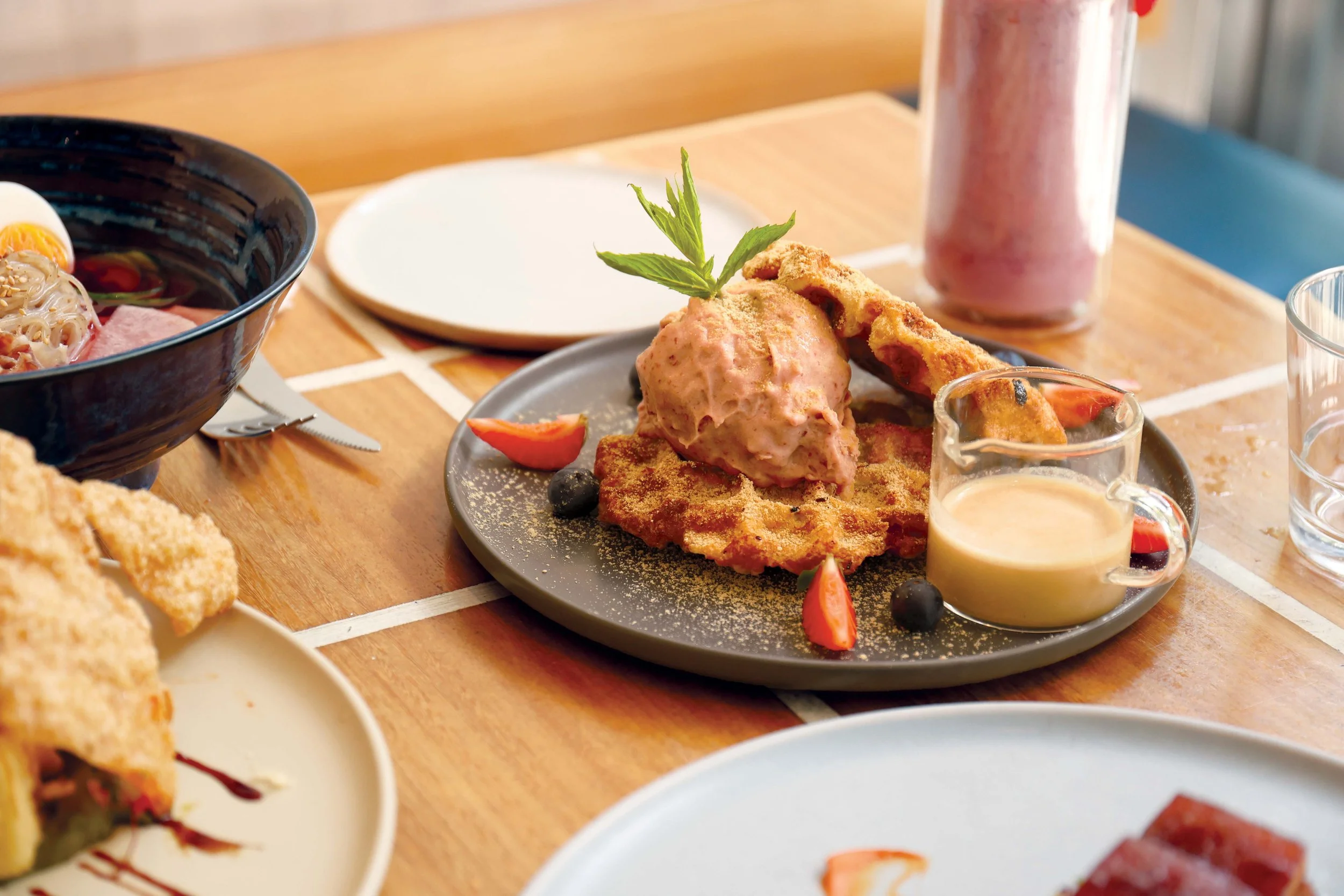
In Japan, for example, the presentation of food is often minimalistic and precise, with an emphasis on simplicity and natural beauty. The concept of “kaiseki,” a traditional Japanese multi-course meal, is rooted in the idea of balance, seasonality, and visual harmony. Each dish is carefully arranged, often with a focus on color contrasts and the natural beauty of the ingredients. The aesthetic experience of eating is just as important as the flavors.
In contrast, Mediterranean cuisines, such as those from Italy and Spain, often feature rustic presentations with an abundance of color and texture. Dishes like a vibrant tomato salad or a platter of grilled vegetables are designed to highlight the freshness of ingredients. The focus is on abundance and a celebration of the harvest, which is reflected in the way the food is presented.
Even in modern Western cuisine, the trend toward “Instagrammable” dishes has changed the way food is plated. Many restaurants now pay close attention to making their food visually striking, with artistic plating and intricate garnishes. The desire to create shareable moments and the impact of social media have made presentation more important than ever in many parts of the world.
Presentation and the Restaurant Experience
The role of presentation is perhaps most evident in fine dining, where every detail—from the choice of plate to the arrangement of garnishes—is meticulously considered. In these environments, food presentation goes beyond aesthetics; it is part of the overall culinary experience. A beautifully plated dish not only appeals to the eyes but also heightens anticipation, setting the stage for a heightened appreciation of the flavors.
In a restaurant, the presentation of a dish can also influence the way a diner feels about the quality of the meal. Research in the field of food psychology suggests that when food is presented well, diners tend to rate it as more flavorful, even if the taste is identical to a less artfully arranged plate. The way food is served can signal the level of expertise and care that went into its creation, which can elevate the dining experience.
In upscale restaurants, servers often take pride in the art of “plating tableside”—finishing a dish or garnishing it at the table before the customer. This adds an element of theater to the meal, allowing the diner to witness the final, delicate touches that complete the presentation. The anticipation created by this ritual heightens the overall sensory experience of eating.
Conclusion: The Power of Presentation
Food presentation is not just a superficial concern—it is an integral part of the dining experience. It influences how we perceive taste, texture, and the overall satisfaction of the meal. A well-plated dish engages our senses, evokes emotions, and creates memories that extend far beyond the act of eating. Whether through the vibrant colors of a dish, the artistic arrangement of ingredients, or the careful consideration of texture and shape, presentation plays a pivotal role in transforming a simple meal into a sensory journey.
The visual appeal of food is not merely about aesthetics; it is about setting the stage for a memorable experience. As we continue to explore the intersection of food, culture, and art, one thing is clear: the way food is presented will always be a vital element in the way we experience and enjoy what we eat.