



Food is more than just sustenance. It is a cultural bridge, a story in itself, and a gateway to understanding the essence of a place. In remote areas, where the rhythms of daily life differ from urban centers, food can play a pivotal role in drawing in tourists. The combination of unique ingredients, traditional cooking methods, and cultural practices creates a culinary identity that often becomes the very reason travelers choose to venture off the beaten path. But how exactly does local food influence tourism in these remote regions? Let’s dive in.
1. The Power of Culinary Identity
When tourists travel to remote regions, they are not just seeking new sights or experiences; they are searching for authenticity. Local food is the perfect embodiment of this. Whether it’s the rugged wilderness of Alaska, the sun-kissed islands of the Mediterranean, or the highlands of the Andes, every place has its own culinary signature. Remote areas, in particular, often boast food that is deeply rooted in local traditions, shaped by history, geography, and even the climate.
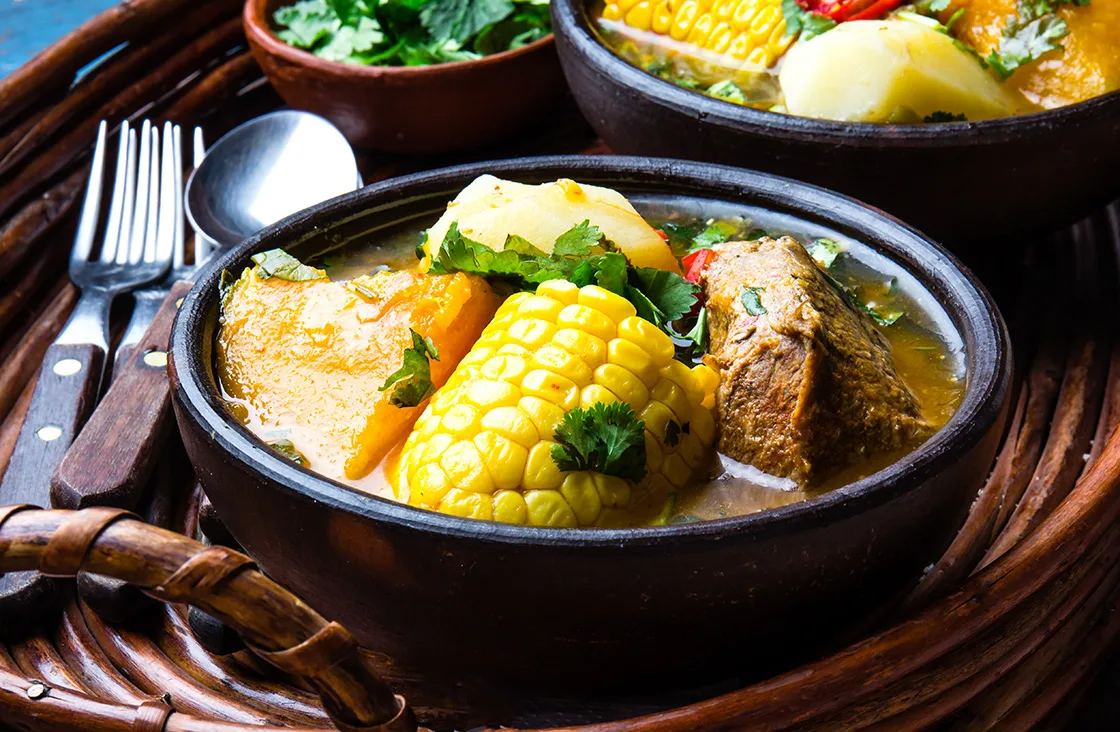
For example, consider the indigenous cuisine of the Andean mountain range. The use of native crops like quinoa, potatoes, and corn speaks to a lifestyle that has evolved over thousands of years. Such foods are not only nutritious but also carry stories of resilience, adaptation, and local knowledge, offering tourists an educational and immersive experience.
Food is often the key to understanding the people who live in these areas, their customs, and the environment. Tourists who venture into remote areas are increasingly interested in authentic experiences. They seek out the food because it offers something no guidebook can: a connection to the land and the culture. A taste of local dishes, prepared with the same techniques passed down through generations, provides a window into the soul of a place.
2. Culinary Tourism: A Growing Trend
In recent years, culinary tourism has become a significant factor in global travel trends. Tourists no longer travel to distant lands only to see famous landmarks. They are also traveling for the experience of food—seeking to taste something unique to the region they are visiting. This trend has led to a rise in food-focused travel itineraries, food festivals, and cooking classes.
Remote areas, often overlooked in mainstream tourism, are beginning to capitalize on this growing demand for unique food experiences. Take the case of Sicily, an island off the coast of Italy. While it has long been a tourist destination for its beaches and historical ruins, the island’s food scene has only recently gained international recognition. Remote regions within Sicily, such as the mountainous villages of the Madonie, offer travelers the chance to taste rustic, homegrown ingredients that aren’t readily available in the more tourist-heavy parts of the island. The island’s dishes, such as caponata and cannoli, have become iconic, drawing in foodies from all over the world.
By focusing on local produce, culinary festivals, and showcasing authentic cooking methods, remote regions are attracting tourists who are eager to experience not just a place, but the essence of it—through food.
3. Local Food as a Draw for Sustainability and Eco-Tourism

In today’s eco-conscious world, sustainable tourism is at the forefront of many travelers’ minds. Local food, by its very nature, ties into the concept of sustainability. It is often sourced from small-scale local farms, using traditional agricultural methods that are less harmful to the environment. For remote areas that rely on local agriculture, showcasing regional food can highlight their efforts to maintain sustainable practices and connect the local economy with global tourism.
Take Bhutan, for example, a country known for its focus on sustainability and eco-friendly tourism. The country’s food culture, deeply influenced by its Buddhist traditions and commitment to organic farming, is integral to its tourism strategy. By promoting local food in the form of traditional dishes such as Ema Datshi (a chili and cheese stew), Bhutan is able to showcase not just its culinary delights but also its values of environmental stewardship and community well-being.
Food in remote areas becomes an educational tool for sustainable practices. Tourists can learn about food waste reduction, seasonal eating, and the importance of preserving local biodiversity—all while enjoying the flavors that define a region.
4. Food as a Driver for Economic Development
For remote areas, tourism can be a double-edged sword. On one hand, tourism can provide a significant economic boost, but on the other hand, it can lead to the overexploitation of natural resources and the displacement of local culture. However, when managed properly, food tourism can act as a powerful tool for sustainable economic growth.
Local food production in remote areas, often reliant on small farmers or indigenous communities, can benefit greatly from tourism. When tourists visit a region specifically to experience its cuisine, they create demand for local products, leading to increased income for local farmers, fishers, and artisans. Furthermore, local food-related businesses such as markets, restaurants, and food tours help diversify the economic base, reducing the community’s dependence on industries that may be environmentally damaging, such as mining or large-scale agriculture.
A good example of this can be seen in the remote regions of Japan, where the tradition of farm-to-table dining is flourishing. In rural areas like Niigata and Hokkaido, tourists flock to enjoy farm-fresh meals prepared with locally sourced ingredients. This has led to the development of food tours, cooking schools, and specialty markets that cater to culinary tourists, providing an income boost to farmers and local businesses.
5. The Role of Social Media in Promoting Local Food Experiences
In the digital age, the role of social media in promoting tourism cannot be understated. Platforms like Instagram, YouTube, and TikTok have turned food into a global spectacle. Stunning food photography, videos of unique food experiences, and food reviews have the power to go viral and attract tourists to remote regions that may have been previously unknown.

Food bloggers, influencers, and tourists themselves play a significant role in promoting local cuisine. When a popular influencer posts a picture of a bowl of spicy curry from a small remote village in Thailand or a plate of freshly caught seafood in a coastal town in Peru, the reach is global. Tourists are increasingly inspired by these posts and seek out the same experiences, traveling thousands of miles just to taste a dish they’ve seen online.
Remote areas that are able to tap into this digital phenomenon are seeing an influx of tourists who want to taste what they’ve seen online. What’s more, these areas are also able to showcase their cultural identity and culinary heritage to a worldwide audience, making food a powerful promotional tool for tourism.
6. Culinary Experiences Beyond the Plate
For many travelers, food is not just about eating; it’s about the entire experience that surrounds it. In remote areas, local food offers a chance for immersive experiences that extend far beyond the plate. Tourists can engage in food-related activities such as cooking classes, foraging tours, vineyard walks, or seafood harvesting excursions.
In the remote wine regions of South Africa, for example, tourists can spend an entire day learning about the wine-making process, from the vineyards to the fermentation process. In the highlands of Ethiopia, visitors can join local farmers in harvesting coffee beans and learn about the centuries-old practices of coffee cultivation. These experiences allow tourists to connect with locals, learn about traditional methods, and gain a deeper understanding of the land from which the food originates.
By offering these immersive culinary experiences, remote areas not only attract tourists but also empower local communities by sharing their traditions, knowledge, and skills with a global audience.
7. Challenges and Opportunities for Remote Areas
While local food can be a powerful tool in attracting tourism to remote areas, it’s not without challenges. One of the most significant obstacles is ensuring that the local food culture is preserved and not overtaken by outside influences. In many remote areas, globalization has led to the influx of mass-produced foods, which can undermine the authenticity of traditional cuisines. Ensuring that tourism benefits local food producers, rather than large corporations, is essential.
Another challenge is infrastructure. Remote areas often lack the facilities to handle large numbers of tourists, from adequate accommodation to transportation and waste management. However, with thoughtful planning and the right investment, these issues can be overcome, allowing local food to shine as the primary driver of tourism.
In contrast, the opportunity for growth is immense. By leveraging their unique culinary assets and incorporating local food into tourism campaigns, remote areas can attract a steady stream of visitors eager to explore and enjoy authentic, regional food experiences.
Conclusion
Local food is an often-underestimated yet powerful force in tourism, especially for remote areas. It not only serves as a gateway to a place’s culture and history but also supports local economies, fosters sustainability, and helps build unique tourist experiences. By embracing food as a central element of their tourism strategy, remote regions have the chance to carve out a niche in the competitive tourism market. As culinary tourism continues to grow, these areas can thrive by offering authentic, sustainable, and immersive food experiences that draw travelers seeking a deeper connection to the places they visit.