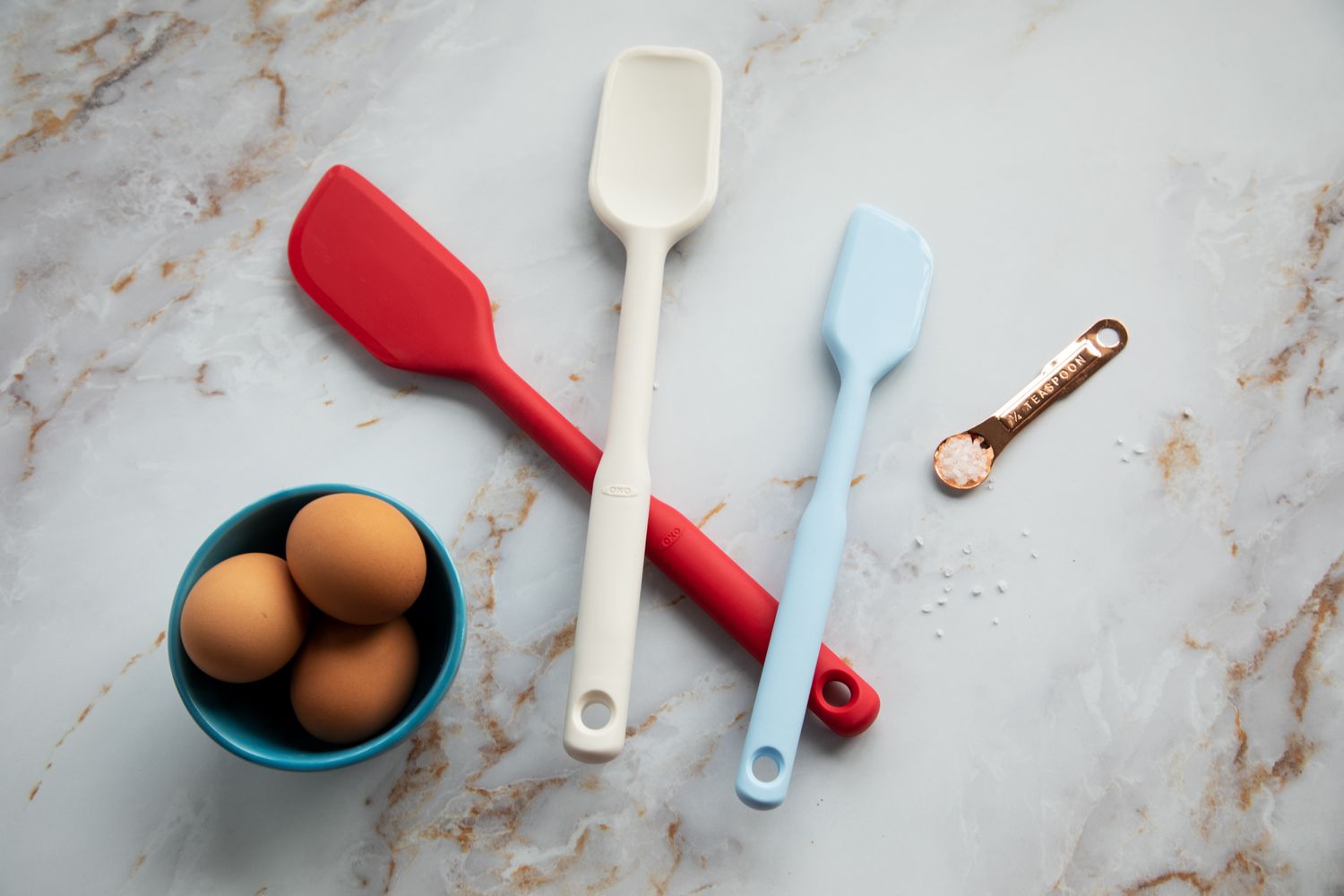




Silicone spatulas are a common sight in kitchens across the world, valued for their flexibility, durability, and heat resistance. However, one question that often arises among culinary enthusiasts and home cooks alike is: Can a silicone spatula handle high heat? It’s an important question since not all kitchen tools are created equal, and using the wrong tool for high-heat cooking can lead to a compromised cooking experience—or worse, ruined equipment. In this article, we will dive deep into the world of silicone spatulas, examining their heat resistance, features, and the ideal use cases. By the end, you’ll have a clear understanding of whether or not your silicone spatula is up for the challenge of high-heat cooking.
What Makes Silicone Spatulas Unique?
Before answering the heat-resistance question, it’s essential to understand why silicone spatulas have become such a go-to tool for kitchen tasks. Silicone is a synthetic rubber-like material known for its remarkable properties, such as flexibility, durability, and heat resistance. When compared to traditional plastic or wooden spatulas, silicone spatulas stand out due to their ability to endure high temperatures, their ease of cleaning, and their gentle interaction with cookware (especially nonstick surfaces).
Here’s a quick breakdown of what makes silicone spatulas so versatile:
- Non-stick Friendly: Unlike metal spatulas, silicone won’t scratch or damage nonstick cookware. It is gentle on surfaces, making it ideal for stir-fries, sautéing, or scraping out batters.
- Flexibility: The flexibility of silicone allows it to bend and move with the shape of your pan, making it easier to scoop, scrape, and stir ingredients.
- Durability: Silicone is incredibly durable. It doesn’t crack, warp, or degrade under normal cooking conditions. Unlike wooden spatulas, which can splinter over time, silicone spatulas maintain their integrity.
- Easy to Clean: Silicone is non-porous, meaning it doesn’t absorb food particles or odors, making cleanup a breeze. Most silicone spatulas are also dishwasher safe.
Heat Resistance of Silicone Spatulas
The primary reason many people gravitate toward silicone spatulas is their heat resistance. But just how heat-resistant are they? And can they truly handle the intense temperatures often found in cooking processes like frying, grilling, or searing?
Silicone typically has a high thermal stability. Most high-quality silicone spatulas are designed to withstand temperatures between 400°F (204°C) and 600°F (316°C). This makes them suitable for most common cooking tasks, including those involving high heat.
:max_bytes(150000):strip_icc()/Spatula-Test-U-TASTE-Silicone-Spatula-Set-600-Degrees-Fahrenheit-Heat-Resistant-0664.jpg-5c6e7f5860bd47cfac339377ff35c8d2.jpg)
Key Heat Resistance Factors:
- Grade of Silicone: The heat resistance of a silicone spatula largely depends on the grade of silicone used. Food-grade silicone, which is used in kitchen tools, has high heat resistance, but even within this category, there are variations. Premium-grade silicone can withstand higher temperatures than lower-quality versions.
- Construction: A well-constructed silicone spatula often has a solid silicone head with a steel or plastic core for added strength. The combination of materials can affect the spatula’s heat resistance. A solid silicone design without a core might not handle extreme temperatures as well as a reinforced version.
- Manufacturing Standards: The way silicone is processed during manufacturing also impacts its durability. Some spatulas are manufactured to withstand temperatures as high as 600°F, while others are only safe up to 450°F. This distinction is crucial when considering which cooking tasks a silicone spatula can handle.
Real-World Usage of Silicone Spatulas in High-Heat Cooking
So, what about using silicone spatulas in real-world, high-heat cooking situations? Let’s break down a few typical scenarios to better understand where these spatulas shine—and where they might fall short.
- Stir-Frying and Sautéing:
Silicone spatulas are perfect for stir-frying or sautéing. These cooking techniques often involve high heat, but not the kind of heat that would exceed the limits of a high-quality silicone spatula. As long as your spatula is of a premium grade, you can comfortably stir your food in hot woks or pans. - Grilling:
When grilling over direct heat, the spatula doesn’t come into direct contact with the flame (assuming you’re using it to flip or move food). Therefore, a silicone spatula is a safe option for grilling. Just be sure not to leave the spatula on the grill, as the direct heat can cause damage over time. - Frying:
Frying with oil often involves temperatures reaching around 350°F to 375°F (175°C to 190°C). Since silicone can easily withstand these temperatures, a silicone spatula is ideal for handling fried food. The flexibility also makes it easy to gently flip delicate items like fish or eggs. - Baking:
Silicone spatulas are great for baking, whether you’re scraping down mixing bowls or spreading frosting on cakes. While the oven’s temperature might range from 300°F to 500°F (150°C to 260°C), the spatula should be fine if it stays in the air, as long as it doesn’t touch the hot oven surfaces or pans directly. - Searing and Pan-frying:
The temperature of a hot pan used for searing meat can easily exceed 400°F (204°C), so this is a tricky scenario. While silicone spatulas can handle these high temperatures, you need to be careful not to leave the spatula sitting in the pan for extended periods of time. If the spatula remains in contact with the hot pan, it can begin to degrade or soften, especially if it’s made of lower-grade silicone.
Common Misconceptions About Silicone Spatulas and Heat
Despite their impressive heat resistance, there are some common misconceptions that can lead to improper use of silicone spatulas.
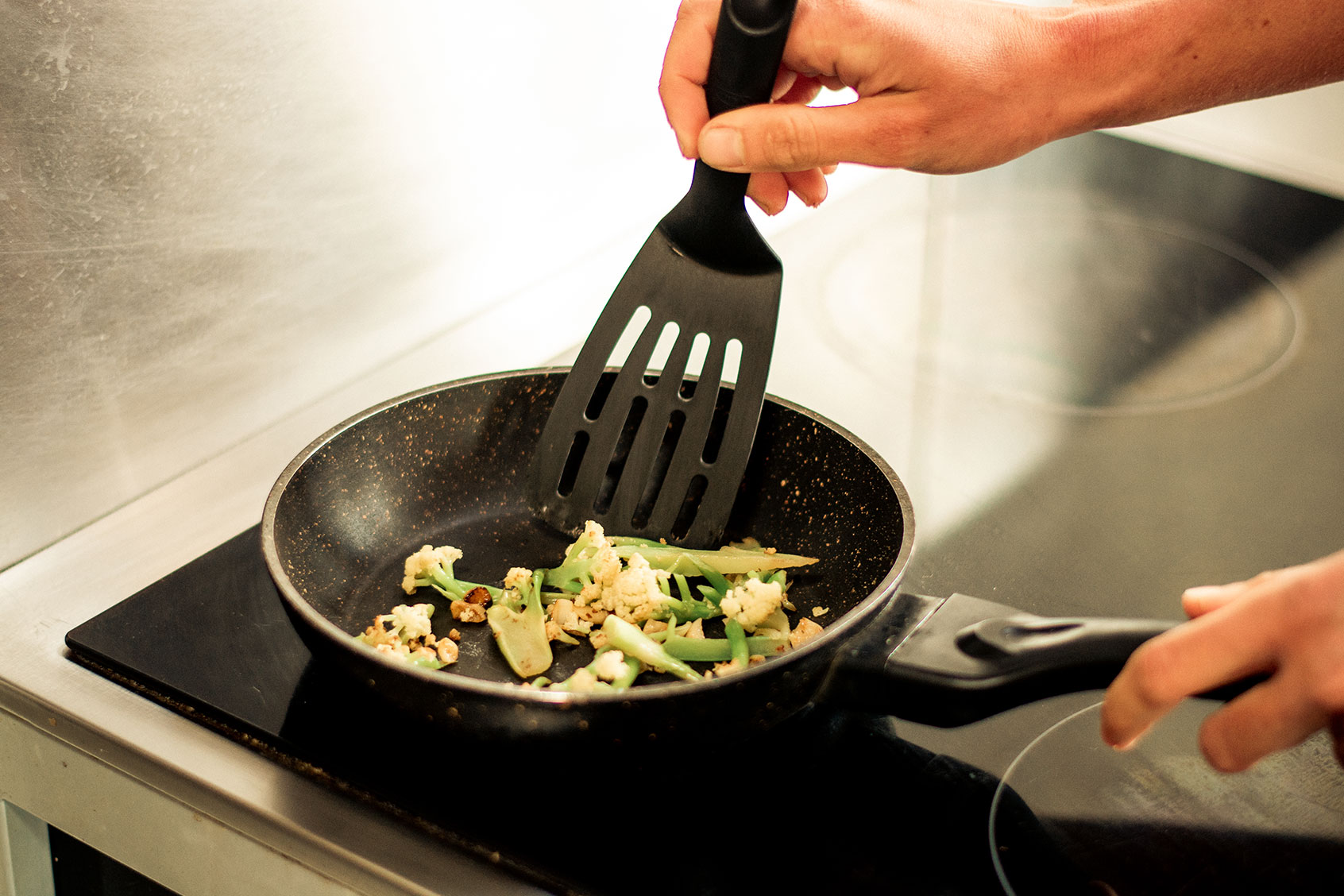
- Silicone Can Handle All High Heat: While silicone spatulas can withstand temperatures up to around 600°F, they shouldn’t be left exposed to high heat for prolonged periods. A few seconds in a hot pan is fine, but don’t leave the spatula sitting on the stove or in a hot pan.
- Silicone Spatulas Don’t Wear Down: Over time, exposure to extreme temperatures can cause silicone to break down. It can become brittle or lose its flexibility if constantly exposed to high heat. Even with premium-grade silicone, prolonged exposure to heat can impact the spatula’s performance and appearance.
- All Silicone Spatulas Are Created Equal: The quality of the silicone used plays a massive role in heat resistance. Lower-quality spatulas might only handle temperatures up to 400°F (204°C), while high-end spatulas can endure up to 600°F (316°C). Always check the product specifications to be sure.
How to Care for Your Silicone Spatula
To maximize the lifespan and effectiveness of your silicone spatula, proper care is essential. Here are some tips to help maintain your spatula:
- Avoid Prolonged Exposure to High Heat: Don’t leave your spatula resting in a hot pan for too long. If it’s not actively in use, remove it from the pan or pot.
- Clean After Each Use: Silicone spatulas are easy to clean, but you should wash them after each use to prevent food particles from sticking. A quick rinse with warm soapy water or a run through the dishwasher will suffice.
- Store Properly: Store your silicone spatula in a cool, dry place. Avoid leaving it in direct sunlight or near intense heat sources when not in use.
- Avoid Contact with Sharp Objects: Silicone is durable but not impervious to damage. Be careful not to use it on sharp edges or abrasive surfaces that could cause it to tear or wear down prematurely.
Signs It’s Time to Replace Your Silicone Spatula
While silicone spatulas are durable, they don’t last forever. Over time, you may notice signs of wear, such as:
- Cracks or Tears: If your spatula has any noticeable cracks, tears, or splits, it’s time to replace it. Damaged silicone can harbor bacteria and lead to further breakdown.
- Loss of Flexibility: If your spatula no longer bends or flexes easily, the material may have degraded from prolonged heat exposure.
- Color Change or Discoloration: While color changes can happen naturally with age, if the spatula is discolored, it could be a sign that the silicone is deteriorating from excessive heat or misuse.
Conclusion
In conclusion, silicone spatulas are incredibly heat-resistant tools that can handle most high-heat cooking tasks, provided they are of good quality and are used properly. Their heat resistance, combined with their flexibility and gentle design, makes them perfect for a wide range of kitchen activities—from stirring sauces to flipping delicate pancakes. However, they do have limits, and it’s crucial to avoid prolonged exposure to intense heat. By choosing the right silicone spatula, taking proper care of it, and using it within its heat tolerance, you can enjoy a durable, versatile kitchen tool that can withstand the demands of high-heat cooking.