



Food has always been more than just sustenance. It is a window into history, a cultural artifact, and a tangible connection to the past. Yet, in the rapidly changing world of global cuisine, many traditional dishes — once beloved by local communities — have gradually slipped into obscurity. Forgotten local delicacies, the kind of foods that were once integral to daily life but now rarely find a place on modern menus, offer an intriguing glimpse into the cultural fabric of a bygone era.
In this article, we will journey through time and across regions to discover some of the forgotten delicacies that have been relegated to the shadows of culinary history. We will explore their origins, the reasons behind their decline, and how a revival of these dishes can not only enrich our palates but also restore a sense of local heritage and pride.
The Importance of Forgotten Delicacies
Before we dive into specific examples, it’s essential to understand why these forgotten dishes matter. In many cultures, food is much more than nourishment. It’s a symbol of identity, tradition, and connection to one’s roots. Over time, however, the world’s appetite for novelty has led to the rise of fast food chains, industrialized food production, and mass commercialization. As a result, traditional recipes have been sidelined in favor of convenience and globalization.
The loss of these recipes is not merely a culinary tragedy; it’s a loss of culture. Many of the world’s forgotten dishes hold stories that span generations, tales of resilience, innovation, and community. These forgotten foods are a direct link to the past, offering us the chance to understand how our ancestors lived, what they valued, and how they interacted with the environment.
As we explore these hidden gems, we must also recognize the efforts of those who are working to revive these dishes. Culinary historians, local chefs, and food activists are rediscovering and reintroducing these forgotten foods, ensuring they don’t fade into oblivion.
1. The Story of Salo – Ukraine’s Untold Delicacy
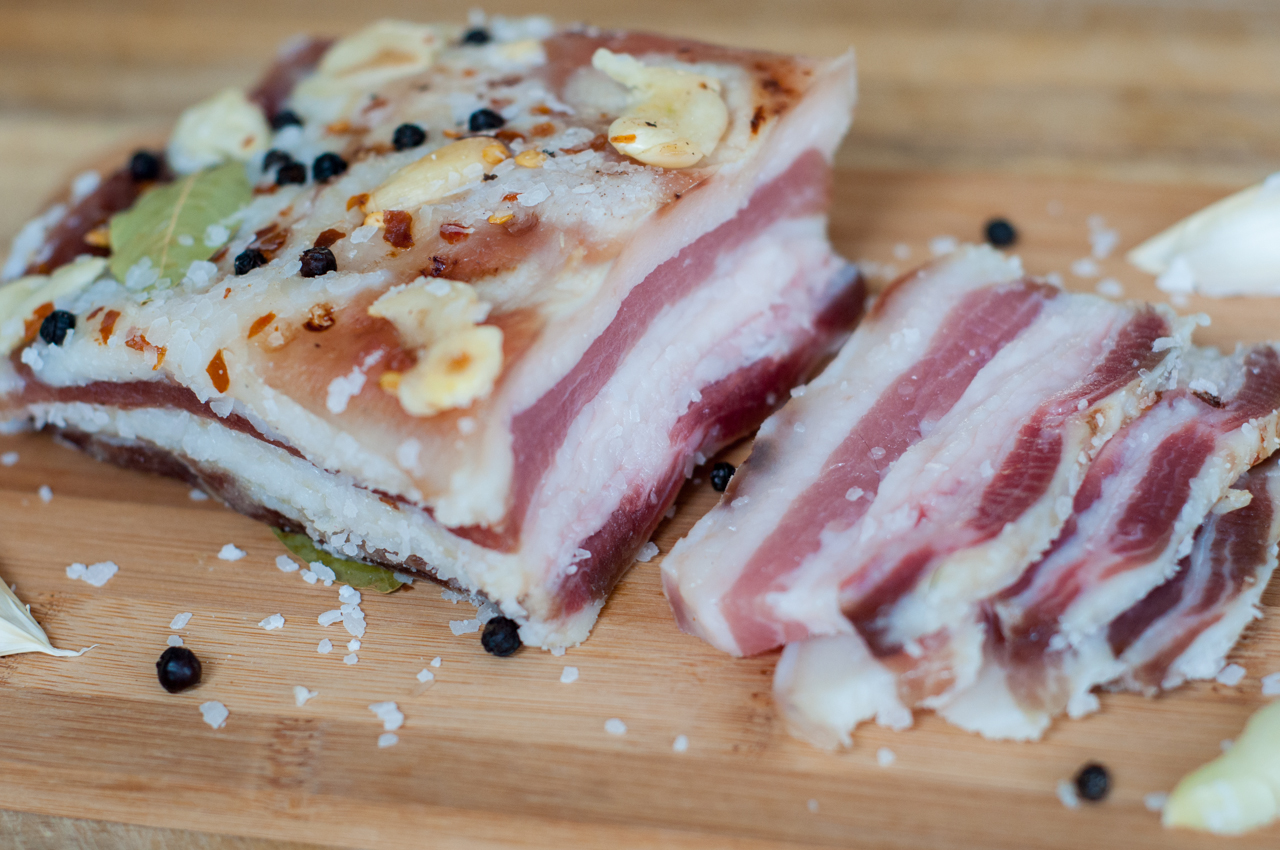
For centuries, Ukrainians have been enjoying salo, a dish that consists of cured slabs of pork fat, often paired with garlic, onions, or served with dark rye bread. Although salo is still a staple in Ukrainian homes, it has largely remained outside the global spotlight. Unlike bacon, which is adored worldwide, salo has stayed confined to its Eastern European roots.
Why has salo never reached the international acclaim that its crispy, savory counterpart, bacon, enjoys? Part of the answer lies in the cultural significance of the dish. In Ukraine, salo is not just a food; it’s a symbol of survival. During tough times in Ukrainian history — from famines to wars — salo was often the one constant on the table. It represents resilience, community, and the ability to make the most out of limited resources.
In recent years, there’s been a growing effort to bring salo back into the culinary fold, especially in urban centers where chefs are finding creative ways to incorporate it into contemporary cuisine. Whether it’s served with pickles or finely chopped into a spread, salo is making its way back into the hearts and kitchens of a new generation.
2. Bhutte Ka Kees – A Forgotten Indian Delight

In India, regional specialties are often overshadowed by global trends. One such delicacy is bhutte ka kees, a dish that originated in Madhya Pradesh, a state in central India. Bhutte ka kees is made with grated corn, cooked with spices, and mixed with milk, giving it a rich, savory, and slightly sweet flavor. It’s traditionally eaten as a breakfast dish or a light meal, particularly during the monsoon season when corn is in abundance.
This dish has largely disappeared from the mainstream culinary scene, overshadowed by more popular Indian street foods like pav bhaji or chole bhature. Yet, bhutte ka kees holds a unique place in the hearts of those from Madhya Pradesh. The simplicity of its ingredients — corn, milk, and spices — showcases the agricultural abundance of the region while highlighting the ingenuity of local cooks who used what they had available to create a meal that was both hearty and flavorful.
Reviving bhutte ka kees would not only celebrate the corn-growing regions of India but also remind us of the importance of appreciating locally grown ingredients. As the world grows more conscious of sustainability, dishes like bhutte ka kees could serve as a model for farm-to-table dining, where the freshness of the ingredients is the hero.
3. The Wonders of Gallo Pinto – Costa Rica’s National Dish
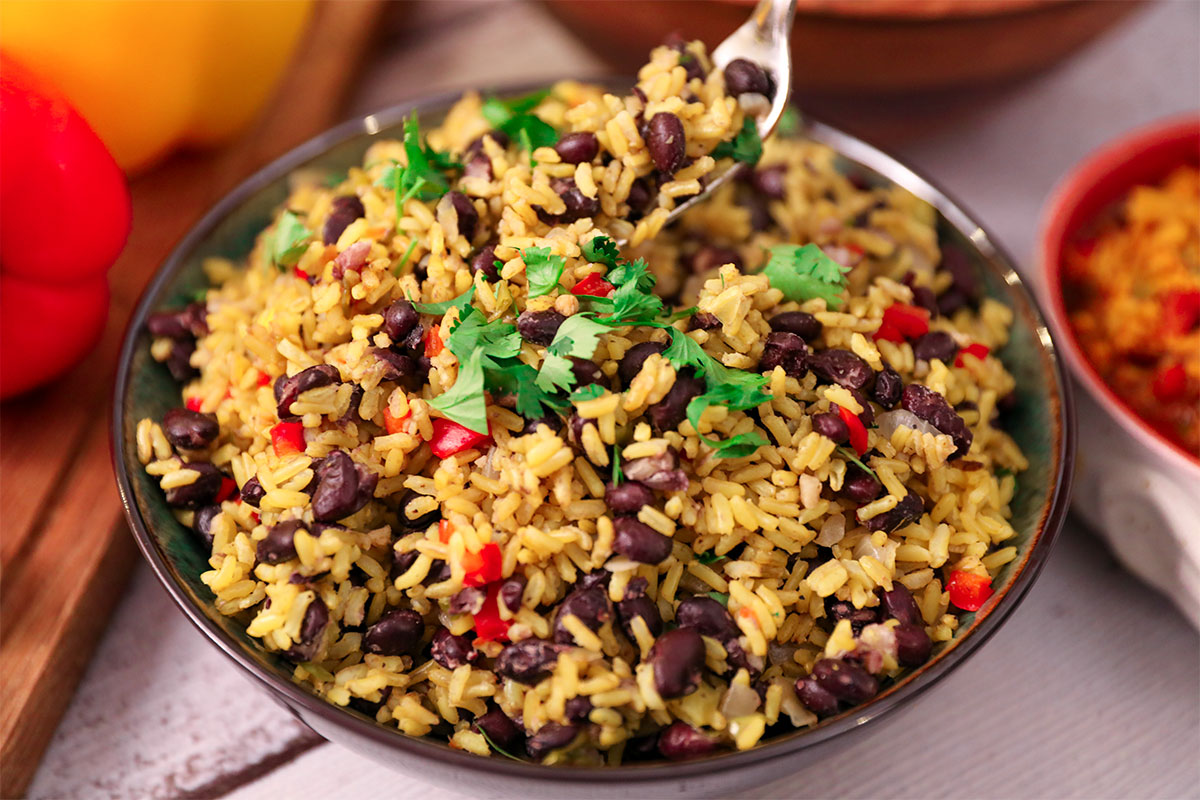
In the coastal plains of Costa Rica, gallo pinto — a humble dish made from rice and beans — was once considered a poor man’s meal. Yet, over time, it has evolved into one of the most beloved and widely consumed dishes in the country. Despite its widespread popularity, its significance as a cultural icon is often overlooked.
Gallo pinto, which literally translates to “spotted rooster” due to its speckled appearance, is traditionally served with scrambled eggs, salsa Lizano (a tangy sauce), and sometimes a side of fried plantains. Its origins lie in the simple yet profound fusion of two essential ingredients: rice and beans. These humble staples have sustained communities for centuries, especially in rural parts of Central America.
Despite its importance in Costa Rican cuisine, gallo pinto has faced a cultural identity crisis. It’s often dismissed as basic, even though it encapsulates the very essence of Costa Rican culture — simple, nutritious, and deeply connected to the land. By elevating gallo pinto, Costa Ricans can rekindle pride in their heritage and celebrate the role of rice and beans in the country’s agricultural history.
4. The Revival of Kashk-e Bademjan – Iran’s Elegant Eggplant Dip
In the rich tapestry of Persian cuisine, kashk-e bademjan is a dish that has managed to retain its place on menus for centuries. This eggplant-based dip, often served as an appetizer or part of a larger mezze spread, is made by slow-cooking eggplants with onions, garlic, turmeric, and kashk (fermented whey). The result is a creamy, savory, and slightly tangy dip that pairs wonderfully with flatbreads or as a side dish to grilled meats.
Despite its long history, kashk-e bademjan is somewhat forgotten outside the Persian-speaking world. In Iran, however, it is a beloved dish, especially during celebrations and family gatherings. The secret to its lasting popularity is the delicate balance of flavors — the smokiness of the eggplant, the earthiness of the turmeric, and the richness of the kashk.
For those outside Iran, kashk-e bademjan represents the potential of Middle Eastern cuisine to engage with international palates. As global interest in plant-based diets and Mediterranean cuisine continues to grow, reviving dishes like kashk-e bademjan could open up new possibilities for culinary exploration while paying homage to a rich culinary tradition.
5. The Mysterious Maultasche – Germany’s Hidden Dumpling
In the southern region of Germany, maultaschen are considered the ultimate comfort food. These large, stuffed dumplings are made from a dough of flour and eggs, filled with minced meat, spinach, and breadcrumbs. Traditionally, they were prepared during Lent as a way to hide meat from the fasting practices of the time, making them a clever and delicious workaround for religious observance.
Maultaschen fell out of favor for many years as more modern and less labor-intensive foods gained popularity. However, the dish is experiencing a resurgence thanks to a growing interest in traditional German fare and a renewed appreciation for homemade, hearty meals.
In addition to its historical significance, maultaschen represents the spirit of ingenuity. It was born from necessity, but over time it has become a beloved part of German cuisine, celebrated for its versatility and comforting qualities. Whether served in a broth, pan-fried, or eaten cold, maultaschen deserves a more prominent place in the global food conversation.
6. Tchoukou – A Cameroonian Delight
Tchoukou is a traditional dish from Cameroon made from fermented cornmeal, served with a spicy sauce. It has long been a staple of the western regions of the country, particularly among the Bamiléké people. Tchoukou, often compared to couscous or polenta, is a satisfying, starchy accompaniment to meats or vegetable stews.
While Cameroon’s rich culinary traditions are often overshadowed by its more famous African counterparts, dishes like tchoukou reveal the diversity and depth of the nation’s food culture. Fermentation, a common practice in African kitchens, gives tchoukou its distinctive flavor and texture, while the addition of local spices and herbs creates a balance of heat and flavor.
Tchoukou may not be well known outside of Cameroon, but it holds a special place in the hearts of those who grew up eating it. Reviving dishes like tchoukou not only offers a taste of the country’s history but also helps preserve unique methods of food preparation that are integral to the region’s culture.
Conclusion: A Culinary Renaissance
As we’ve seen, the world is full of forgotten delicacies — each one a testament to the ingenuity and resilience of the people who created it. Reviving these dishes doesn’t just mean rediscovering old recipes; it’s about connecting with our past, understanding the cultural significance behind the food we eat, and ensuring that future generations don’t lose touch with the traditions that have shaped their culinary identities.
In an age of globalization and mass-produced convenience foods, it’s more important than ever to celebrate and protect local food cultures. By embracing forgotten delicacies, we not only enrich our taste buds but also ensure that the stories of our ancestors are preserved for generations to come. So, are you ready to explore these hidden gems and bring them back to life? The culinary world is waiting.