




Seaweed, the ocean’s green powerhouse, is a versatile and nutrient-dense food that has been a staple in many coastal cultures for centuries. From Japan’s sushi rolls to Korea’s seaweed soups, this marine plant has long been revered for its health benefits. But despite its widespread use in traditional diets, seaweed’s potential as a superfood is often overlooked in the Western world. As awareness grows about the importance of sustainable and nutrient-rich diets, seaweed’s potential role in the modern nutrition landscape becomes clearer. In this article, we will explore why we may be underestimating the power of seaweed in our diets, its wide-ranging health benefits, and how it could be integrated into our everyday meals.
The Nutritional Powerhouse of the Ocean
Seaweed is one of the most nutrient-dense foods available, packed with vitamins, minerals, and antioxidants. Unlike terrestrial plants, seaweed grows in the ocean, where it absorbs nutrients from the seawater, which makes it especially rich in iodine, calcium, iron, magnesium, and a host of other essential minerals.
A Rich Source of Vitamins and Minerals
Seaweed is particularly high in Vitamin C, a potent antioxidant that supports immune function and collagen production. It also contains Vitamin A, which plays a crucial role in maintaining healthy skin and vision, as well as Vitamin K, which is vital for bone health.
In addition to these vitamins, seaweed is an exceptional source of iodine. The body requires iodine for thyroid function, and a deficiency can lead to issues such as goiter, cognitive decline, and developmental problems in children. With iodine deficiency still a common issue in many parts of the world, seaweed could be a key player in addressing this nutrient gap.
But it’s not just about vitamins. Seaweed is a mineral-rich food. Calcium, which supports strong bones and teeth, is found in significant amounts in many types of seaweed. Iron, essential for red blood cell production and energy, is also abundant in seaweed, making it an important food for those with anemia or at risk for iron deficiency. The magnesium content supports muscle and nerve function, while zinc, another key mineral, is involved in immune response and skin health.
Antioxidants and Anti-Inflammatory Properties
Seaweed contains a unique blend of antioxidants, including carotenoids and polyphenols, that help combat oxidative stress and inflammation. These antioxidants neutralize free radicals in the body, reducing the risk of chronic diseases like heart disease, cancer, and neurodegenerative disorders.
One of the most notable antioxidant compounds in seaweed is fucoxanthin, a carotenoid that gives certain seaweeds their brown color. Research suggests that fucoxanthin has powerful anti-inflammatory and anti-cancer properties. It also has the potential to support weight loss by promoting fat metabolism, making it an interesting component of weight management diets.
Health Benefits Beyond Nutrition
While the vitamins, minerals, and antioxidants in seaweed are impressive on their own, the health benefits of seaweed go beyond basic nutrition. Research suggests that regular consumption of seaweed can help with digestion, reduce the risk of heart disease, and even enhance skin health.
Gut Health and Digestive Support
Seaweed is a great source of dietary fiber, including soluble fibers like alginate, which have prebiotic effects. Prebiotics are compounds that promote the growth of beneficial gut bacteria. A healthy gut microbiome is essential for digestion, nutrient absorption, and immune function. Additionally, the fiber in seaweed can help regulate bowel movements, reduce bloating, and promote overall digestive health.
Some studies have also found that seaweed’s fiber may help prevent gastrointestinal disorders like inflammatory bowel disease (IBD) and irritable bowel syndrome (IBS). The compounds found in seaweed may help reduce inflammation in the gut, providing relief from discomfort and promoting a balanced digestive environment.
Cardiovascular Health
Seaweed is rich in heart-healthy compounds that can help regulate blood pressure, reduce cholesterol levels, and improve overall cardiovascular health. Several studies suggest that seaweed consumption may help lower LDL (bad) cholesterol levels while raising HDL (good) cholesterol. The soluble fibers in seaweed can also reduce blood cholesterol by binding to bile acids, which are then excreted, reducing the cholesterol circulating in the bloodstream.
Moreover, the high content of potassium and magnesium in seaweed helps regulate blood pressure, reducing the risk of hypertension. Some seaweeds, like wakame and kombu, contain specific compounds, such as fucoidans and polysaccharides, that have been shown to promote heart health by enhancing blood vessel function and improving circulation.
Skin Health
Seaweed has long been used in skincare, and for good reason. Many types of seaweed are rich in bioactive compounds like polysaccharides, peptides, and fatty acids, which have been shown to improve skin hydration, elasticity, and overall appearance. Seaweed is also a natural source of antioxidants, which protect the skin from free radical damage caused by UV radiation and pollution.
In addition, seaweed’s anti-inflammatory properties help soothe irritated skin, making it an effective remedy for conditions like acne, eczema, and psoriasis. The polysaccharides found in seaweed are particularly beneficial for skin, as they help to lock in moisture and provide a barrier against environmental pollutants. Seaweed-infused skincare products, from serums to masks, have become a popular trend for good reason: they are an effective and natural way to maintain healthy, youthful-looking skin.
The Sustainability Factor
In addition to its impressive health benefits, seaweed is also one of the most sustainable crops on the planet. Unlike terrestrial agriculture, seaweed farming does not require freshwater, pesticides, or fertilizers. It grows rapidly in the ocean, absorbing carbon dioxide and other nutrients from the water, making it an environmentally friendly crop.
Seaweed farming has minimal environmental impact compared to traditional agriculture, which can be resource-intensive and damaging to ecosystems. By integrating more seaweed into our diets, we could reduce our reliance on land-based crops, conserve water resources, and help mitigate climate change by promoting carbon sequestration in ocean ecosystems.
Moreover, seaweed can be farmed without occupying arable land, making it a promising food source in the face of global food security challenges. As the demand for plant-based and sustainable foods continues to rise, seaweed has the potential to become a key player in the future of food production.
How to Incorporate Seaweed into Your Diet
While seaweed may not be a staple in many Western diets, it’s surprisingly easy to incorporate into your meals. Here are some simple and delicious ways to add more seaweed to your daily routine:
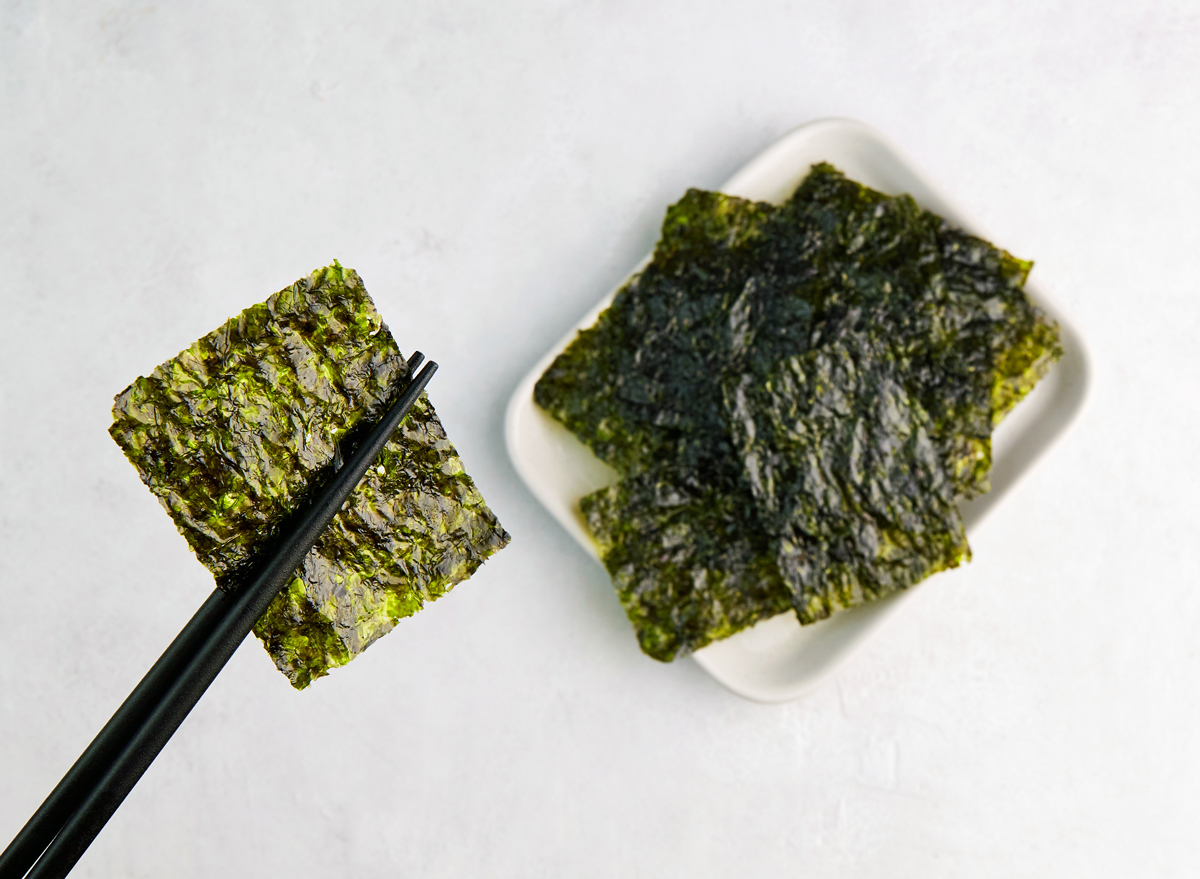
- Seaweed Snacks: If you’re looking for a quick and healthy snack, roasted seaweed sheets are an excellent option. Available in many grocery stores, they are low in calories, high in nutrients, and satisfy your cravings for something crunchy and savory.
- Soups and Stews: Seaweed is a popular ingredient in soups, especially in Asian cuisine. Miso soup with wakame, a type of edible seaweed, is a great option for a comforting and nutrient-packed meal. You can also add seaweed to vegetable or chicken soups for an extra boost of flavor and nutrients.
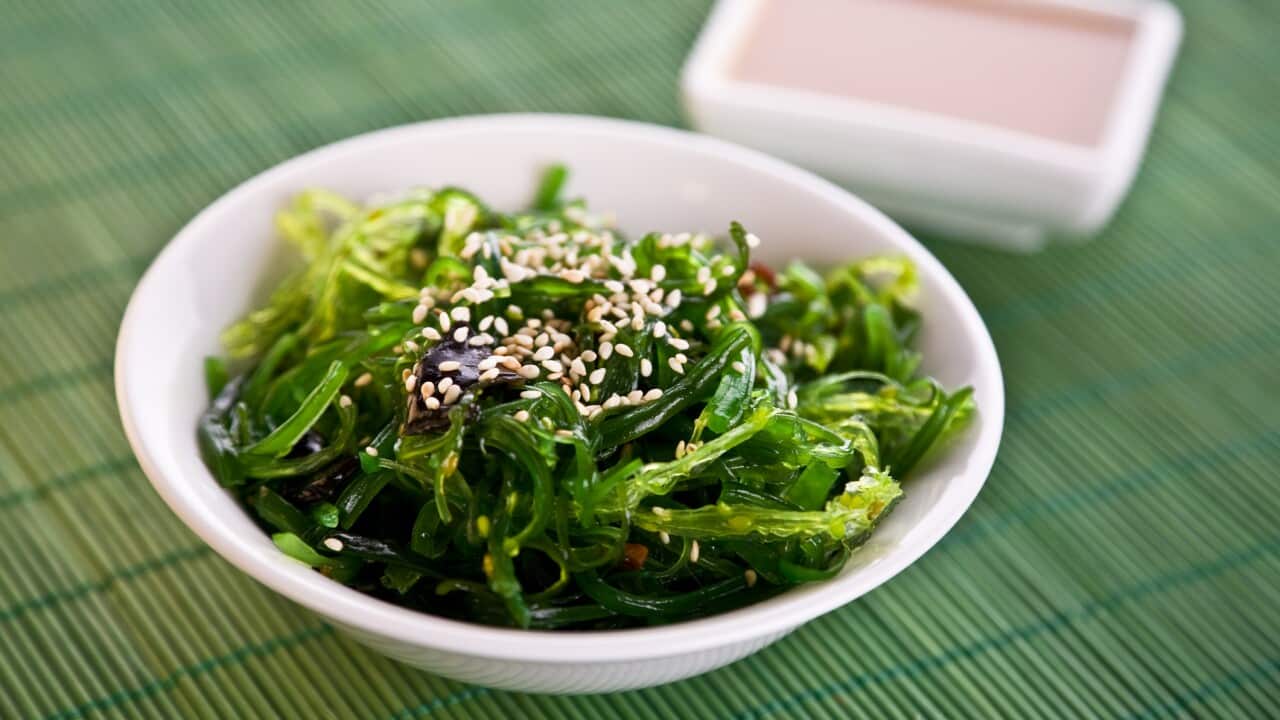
- Salads: Fresh or dried seaweed can be added to salads for an earthy, umami flavor. Kombu, wakame, or nori can easily be mixed with vegetables, grains, and dressings to create a delicious and nutrient-rich salad.
- Sushi Rolls: Nori, the type of seaweed used to wrap sushi, is one of the most well-known seaweed varieties. You can make your own sushi rolls at home, adding a variety of fillings like vegetables, fish, and rice, wrapped in nori for an authentic experience.
- Smoothies: Seaweed powder, particularly spirulina or chlorella, can be easily blended into smoothies. These powders are nutrient-dense and can provide a significant boost of protein, vitamins, and minerals.
- Seaweed-Infused Cooking Oils or Sauces: For a more subtle flavor, you can infuse olive oil or soy sauce with seaweed. This adds a hint of umami flavor to your dishes and enhances their nutritional profile.
The Seaweed Industry and the Future of Food
As interest in seaweed continues to grow, the global seaweed industry is seeing significant expansion. Seaweed is already used in a variety of industries beyond food, including cosmetics, pharmaceuticals, and biofuels. As new processing technologies and innovations emerge, seaweed’s role in the food industry is expected to diversify further.
Seaweed-based ingredients are already appearing in plant-based food products, as they provide a sustainable source of protein and nutrients for those seeking alternatives to animal products. Seaweed is also being explored as a potential sustainable food source for the future, with its ability to thrive in saltwater environments and grow rapidly, making it a promising option in the face of climate change and global food security concerns.
Conclusion: Unlocking the Power of Seaweed
While seaweed may not be a regular feature in every diet, it’s time we start to recognize the immense potential this marine plant holds. Rich in essential nutrients, antioxidants, and bioactive compounds, seaweed offers an impressive array of health benefits, from boosting heart health to supporting gut function and enhancing skin appearance.
As the world shifts toward more sustainable and nutrient-dense foods, seaweed stands out as an eco-friendly option that can help combat environmental challenges while promoting better health. Whether you’re looking to improve your overall nutrition, try new recipes, or embrace a more sustainable lifestyle, seaweed is a food that deserves more attention on your plate.