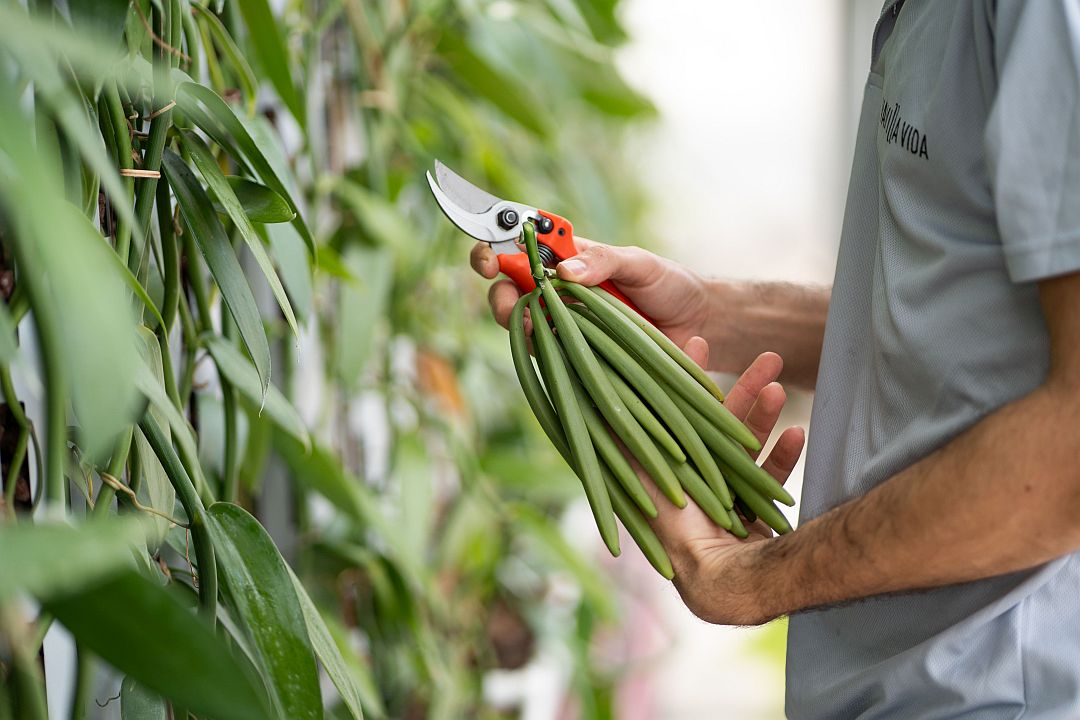




Vanilla is a flavor that stirs up nostalgia and indulgence, often found in everything from the simplest ice cream cones to luxurious perfumes. It’s the world’s most popular flavoring agent, but there’s a catch: it’s also one of the most expensive. While it may seem like just another pantry staple, vanilla beans come with a hefty price tag—often far higher than you might expect for something that’s just a flavoring. So, what exactly makes vanilla beans so expensive? To truly appreciate the cost, we need to dig into the complex process behind the production of this beloved little bean, the challenges involved, and the economic forces that play into its price.
The Origins of Vanilla: A Tale of Time and Place
Vanilla comes from the Vanilla planifolia plant, a member of the orchid family. This orchid is native to the tropical rainforests of Central America, particularly Mexico, where it was first cultivated by the ancient Mesoamerican civilizations. The Maya and Aztec peoples are credited with discovering vanilla’s flavoring potential, using it to flavor chocolate beverages and other delicacies. The history of vanilla is rich, but that’s not the only thing that contributes to its value.
To grow vanilla, the plant requires very specific conditions: high humidity, consistent temperatures, and a lot of sunlight. While the plant’s origins are in Mexico, today, vanilla is grown in various countries around the world, such as Madagascar, Tahiti, and parts of Indonesia. However, the bulk of the world’s vanilla beans come from Madagascar, which is why the country is often synonymous with high-quality vanilla.
But growing the plant is just the beginning. Vanilla is notoriously difficult to cultivate, and even harder to harvest and process. It’s here where we begin to see why the vanilla bean commands such high prices.
The Harvesting Process: Hand-Pollination
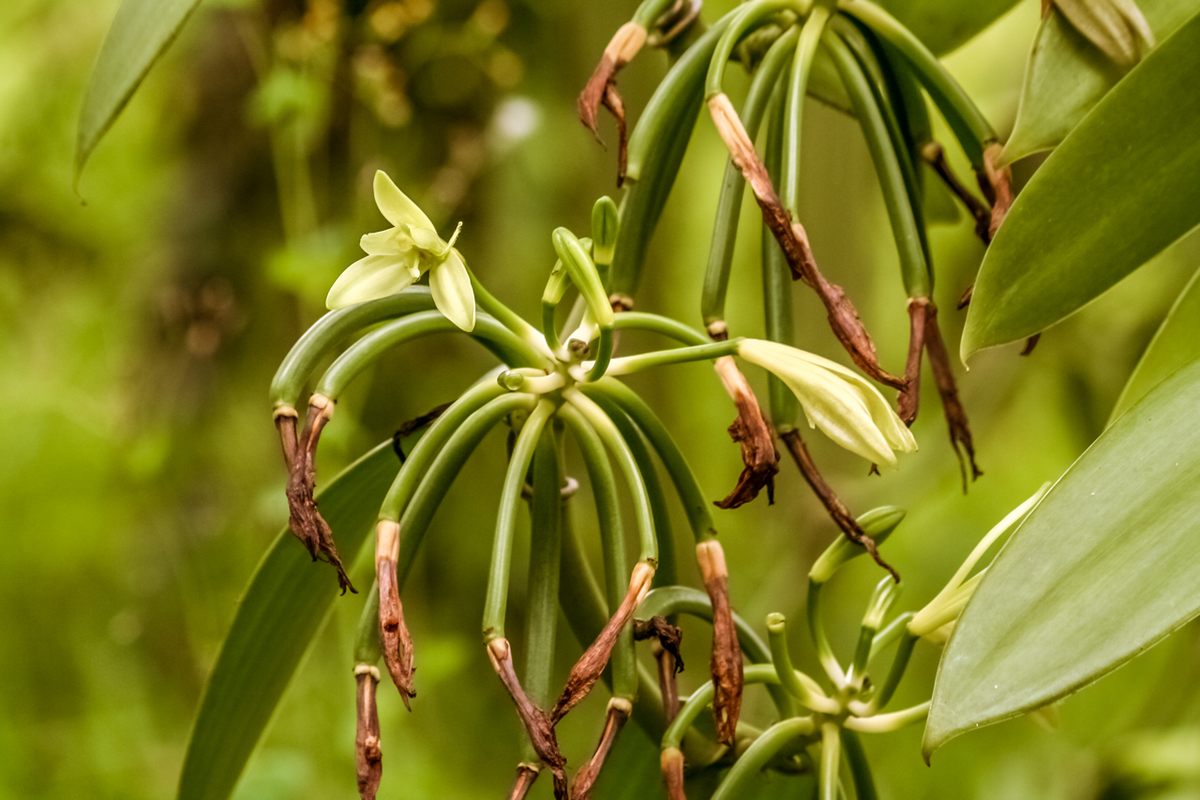
Unlike many other plants, vanilla orchids are not naturally self-pollinating. In their native environment in Mexico, vanilla flowers are pollinated by specific species of bees, which are rare outside of the region. The flowers bloom for just one day, and if they are not pollinated within that time frame, the flower wilts and the potential vanilla pod is lost. In other countries where these bees are not present, manual pollination must take place, which adds labor and complexity to the cultivation process.
Hand-pollination is not a simple task. The process involves carefully transferring pollen from the male part of the flower to the female part using a small stick or tool. This delicate procedure must be done every day the flowers bloom, which can last anywhere from several weeks to a few months. If this process is done incorrectly or missed, the flowers will not bear fruit. And since vanilla orchids bloom infrequently—sometimes only once a year—this makes the entire crop very limited and difficult to grow on a large scale.
A Lengthy and Labor-Intensive Cultivation Cycle
Even once the vanilla flowers are successfully pollinated, the growing cycle is far from over. The vanilla beans, or pods, require a long time to mature, often up to nine months. The beans grow slowly, starting out as small, green pods that slowly ripen into dark brown or black beans. During this time, the pods need careful monitoring and protection, as they are susceptible to disease and pests. This adds another layer of complexity to the cultivation of vanilla.

After the pods have ripened, they must be harvested carefully to avoid damaging them. This requires a skilled hand, as the beans can be easily bruised. Once harvested, they go through a lengthy curing process, which involves blanching, drying, and sweating the beans. This curing process is crucial for developing the characteristic flavor and aroma that makes vanilla so beloved. After drying, the beans are aged to perfection, sometimes for over six months, in order to reach their full flavor potential.
The Cost of Labor: An International Struggle
Labor is one of the most significant costs involved in vanilla production. In regions where vanilla is grown, such as Madagascar, much of the workforce is composed of manual laborers. Due to the extensive hand-pollination process, the long growing cycle, and the meticulous harvesting and curing methods, it takes many hours of work to produce just one kilogram of vanilla beans.
The labor-intensive nature of vanilla production makes it vulnerable to shifts in the global labor market. In recent years, the demand for vanilla has soared, but the number of skilled laborers who can properly pollinate and harvest the beans has not kept up. Furthermore, many vanilla farmers are located in impoverished regions where access to education, training, and resources is limited. This creates an imbalance in the supply of vanilla beans and drives up the price, as the demand continues to outstrip the available labor force.
The Impact of Climate Change
Vanilla cultivation is also highly susceptible to environmental factors, and this is where the issue of climate change becomes apparent. Vanilla plants thrive in specific weather conditions, but changing rainfall patterns, droughts, and increasing temperatures are threatening to reduce yields. In 2017, Madagascar, which produces around 80% of the world’s vanilla, was hit by Cyclone Enawo. The cyclone caused significant damage to vanilla farms, destroying crops and further exacerbating the scarcity of vanilla beans.
As climate change continues to affect the environment, it’s likely that the costs of producing vanilla will continue to rise, further driving up the price. In addition, farmers often have little control over natural disasters like cyclones, making vanilla production a particularly volatile and unpredictable venture.
Vanilla’s Black Market: A Growing Problem
Due to its high demand and limited supply, vanilla beans are also a target for theft and illegal trade. In some regions, farmers have reported instances of theft, where entire crops of vanilla are stolen in the middle of the night. This black market trade has made the vanilla supply even more unstable and has further inflated prices.
In addition to theft, unscrupulous traders sometimes engage in fraud by mixing lower-quality vanilla or synthetic vanillin with authentic beans to sell at a higher price. This creates a significant challenge for consumers, as it’s difficult to tell the difference between genuine vanilla beans and cheaper, adulterated products.
Synthetic Vanilla: The Alternative, But at What Cost?
With the soaring prices of natural vanilla, many food manufacturers have turned to synthetic vanilla, or vanillin, which is derived from sources like wood pulp, cloves, or even petrochemicals. While synthetic vanilla is much cheaper than the real thing, it lacks the complexity and depth of flavor found in natural vanilla. The appeal of synthetic vanilla lies in its price and availability—it’s often a fraction of the cost of real vanilla beans.
However, the growing preference for synthetic vanilla is a double-edged sword. While it may be cheaper, it’s not a perfect substitute for the true, rich flavor of natural vanilla. As a result, many chefs, chocolatiers, and other professionals in the culinary arts continue to rely on real vanilla, even though it comes with a much higher price tag. For them, the quality of the ingredient is non-negotiable.
The Economics of Vanilla: A Pricey Commodity
Vanilla’s high cost also reflects the broader economic forces that shape its price. As demand for vanilla continues to increase, both in the food industry and beyond, the supply remains limited due to the challenges in cultivation. Additionally, Madagascar’s vanilla market is often affected by global trade dynamics, including political instability, currency fluctuations, and international trade tariffs.
The price of vanilla has skyrocketed in recent years, in part due to a series of crop failures in Madagascar. In 2017, prices peaked at over $600 per kilogram, a sharp increase from just a few years prior. While prices have stabilized somewhat since then, they are still significantly higher than they were just a decade ago. As a result, the vanilla industry has become increasingly volatile, with producers and consumers alike uncertain about what the future holds.
How to Navigate Vanilla’s High Cost
For those who appreciate the true flavor of vanilla, the high price is often worth it. However, there are some ways to get the most out of your vanilla purchase. One option is to buy vanilla beans in bulk, as buying in larger quantities can sometimes reduce the cost per bean. Another option is to purchase high-quality vanilla extract, which is often a more affordable alternative and can still provide much of the rich flavor of the whole bean.
Vanilla beans can also be reused multiple times. After using a vanilla bean, you can rinse it off, dry it, and store it for future use. Another trick is to make your own vanilla extract by soaking the used beans in alcohol (such as vodka) for a few weeks. This homemade vanilla extract can be used in cooking and baking, offering an affordable alternative to buying new vanilla beans every time you need them.
The Future of Vanilla: Sustainability and Innovation
The vanilla industry is facing an uncertain future. Climate change, rising labor costs, and the ongoing challenges of cultivating and harvesting vanilla beans all present significant hurdles. However, there are efforts underway to make vanilla production more sustainable and efficient. Some farmers are experimenting with new methods of pollination, while others are exploring the use of technology to monitor and manage crops more effectively.
In addition, there is growing interest in developing alternative sources of natural vanilla. For example, researchers are investigating the possibility of producing vanilla through biotechnological methods, such as genetic engineering or fermentation processes, to create a more sustainable supply. These innovations could help ease the pressure on traditional vanilla farming and stabilize prices in the long run.
Conclusion: The Price of Luxury
Vanilla beans are expensive for a variety of reasons: the labor-intensive cultivation process, the challenges of pollination and harvesting, climate-related risks, and the limited supply. While synthetic vanilla offers a cheaper alternative, nothing compares to the complex flavor of real vanilla. As long as demand for the authentic product remains high and the challenges of cultivation persist, the price of vanilla will likely remain elevated.
Despite the cost, vanilla’s allure remains undeniable, with its rich aroma and flavor a central element in culinary traditions around the world. Whether you’re a professional chef or an amateur baker, understanding the intricate journey that vanilla takes from the field to your kitchen can help you appreciate the price tag and the story behind this beloved spice.