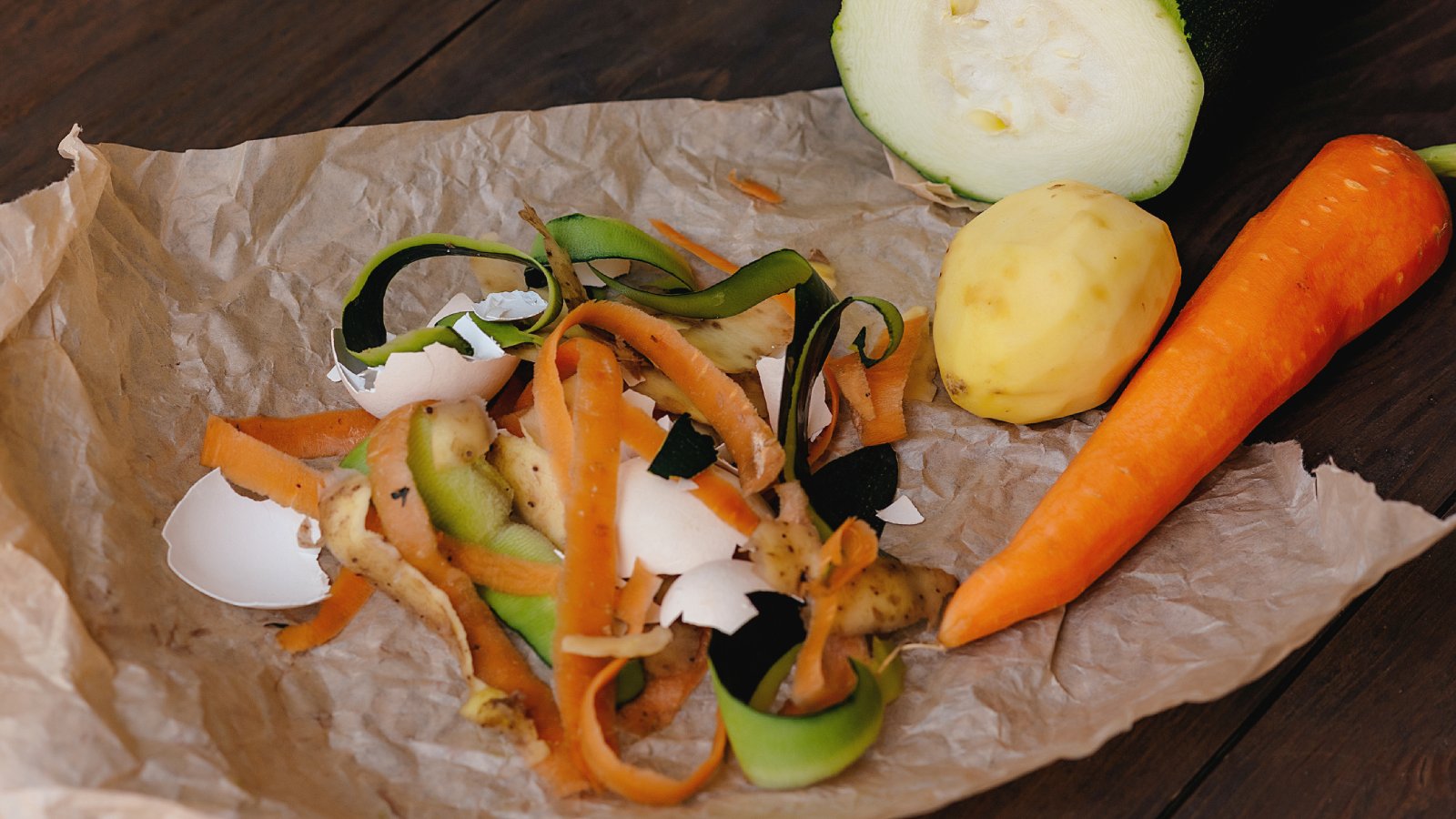




Vegetables. They’re the cornerstone of a balanced diet, packed with vitamins, minerals, and fiber. But, there’s a long-standing question in the kitchen: Do you really need to peel your vegetables? After all, it’s time-consuming, messy, and some might argue unnecessary. However, peeling isn’t a one-size-fits-all decision. Whether or not to peel vegetables depends on several factors, including nutritional benefits, texture, flavor, and even the way they’re prepared.
In this article, we’ll explore why, when, and how you should approach peeling your veggies—or skip it altogether.
The Case for Leaving the Peel On
1. Nutritional Power of Peels
You’ve probably heard the phrase “Eat the skin, it’s where the nutrients are!” This often holds true for many vegetables. The skin or peel of various vegetables contains high concentrations of fiber, antioxidants, vitamins, and minerals. For instance, the peel of a potato contains much of its fiber, which aids in digestion and helps keep you feeling full longer.
Example: Carrots are a great source of beta-carotene, but studies show that much of this powerful antioxidant resides just beneath the skin. Leaving the peel intact can help you get a higher dose of these nutrients.
2. Fiber Boost
The peel of many vegetables is packed with fiber, especially insoluble fiber, which is vital for gut health. For example, the skins of cucumbers, zucchini, and eggplants contain significant fiber that helps regulate your digestion. Fiber also contributes to lowering cholesterol, controlling blood sugar levels, and maintaining a healthy weight.
Fun fact: Eating unpeeled fruits and vegetables regularly can help maintain a healthy microbiome—the trillions of beneficial bacteria that reside in your gut. And a healthy microbiome is linked to improved immunity and even better mood regulation!
3. Antioxidants and Phytochemicals
Phytochemicals are plant compounds that offer a range of health benefits, from reducing inflammation to protecting against certain types of cancer. These compounds are often concentrated in the skins of vegetables. For example, the peel of an apple contains a wealth of flavonoids, which are potent antioxidants. Likewise, sweet potatoes have a rich, purple-hued peel that holds anthocyanins—another antioxidant known for its anti-inflammatory properties.
The Flavor Factor: Why Peeling Can Improve Taste
While there are certainly health benefits to eating the peel, it’s important to acknowledge that the skin of some vegetables can affect the flavor or texture in ways that might not be desirable for every dish.
1. Texture Issues
Not all peels are created equal. Some skins are tough, fibrous, or chewy. For instance, eggplant skin can be a little bitter, and potato skins, if not cooked properly, can be too tough for some people’s liking. The skins of certain vegetables, such as butternut squash or kohlrabi, are so thick and tough that eating them might be uncomfortable and unpleasant.
In cases like these, peeling may improve the texture and make the vegetable more palatable, especially when you’re making mashed potatoes, purees, or soups.
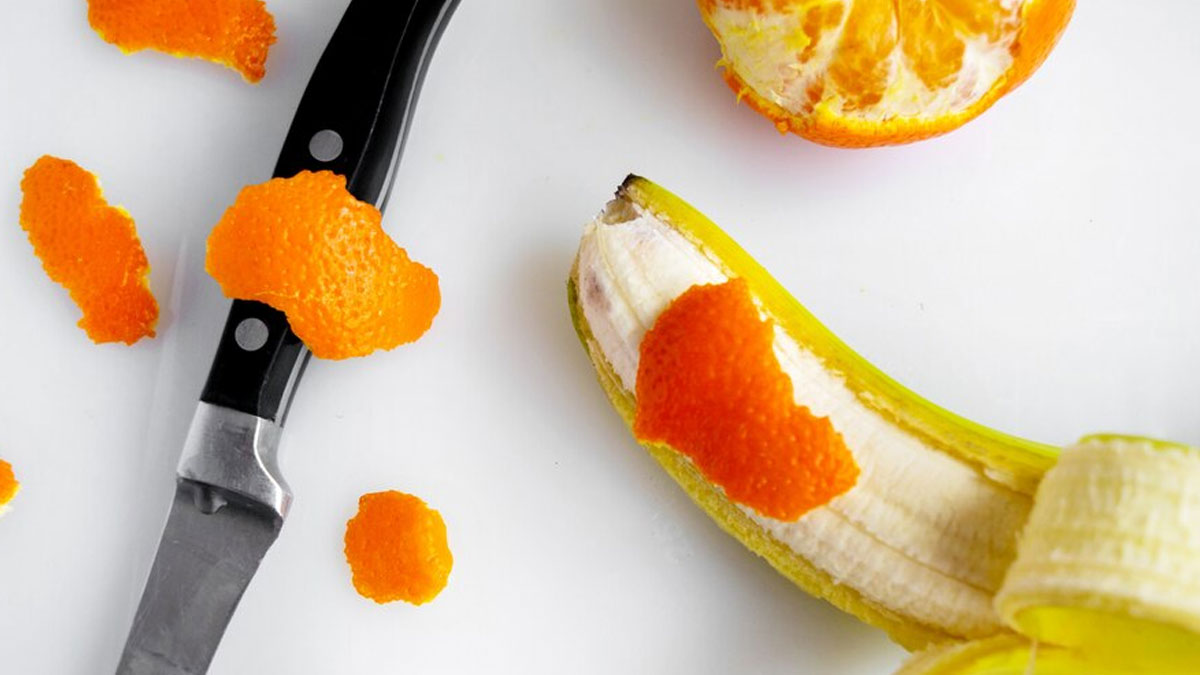
2. Taste and Bitterness
Some vegetable skins can impart a bitter flavor that may not be desirable depending on the dish. For example, the skin of cucumbers, while nutritious, can sometimes taste bitter. If you’re making a smoothie or a delicate salad, removing the skin may improve the overall flavor profile. Similarly, the skin of bitter melons, while edible, can be overpowering if you’re not accustomed to its taste.
3. Aesthetic Appeal
In some culinary preparations, the aesthetics of a dish are just as important as its flavor. Some vegetables, like beets or carrots, can have their bright, vibrant colors enhanced by peeling, which may help the dish stand out more visually. For example, in a finely chopped salad or a visually refined dish, peeled carrots or potatoes can contribute to a cleaner, more polished look.
The Risks of Peeling: What You Lose
Peeling vegetables comes with its own set of drawbacks. Beyond losing some nutrients and fiber, removing the skin can reduce the vegetable’s shelf life and alter its natural defense mechanisms.
1. Nutrient Loss
As mentioned earlier, many vegetables have a substantial portion of their fiber and antioxidants concentrated in the skin. When you peel your vegetables, you’re often removing the most nutrient-dense part. For instance, potatoes lose much of their vitamin C when peeled. Similarly, the potassium and magnesium content of the skin of fruits like apples and pears can be significant.
2. Loss of Protection
The skin on many vegetables serves as a protective barrier, keeping the inside from contaminants, moisture loss, and physical damage. When peeled, vegetables can spoil faster. This is especially true for potatoes and squash, whose skins act as a natural preservative. By peeling, you may not only lose valuable nutrients but also reduce the vegetable’s longevity.
3. Waste Not, Want Not
Another factor to consider is waste. If you’re peeling fruits or vegetables that aren’t going to be eaten soon after, you’re creating unnecessary food waste. Instead of tossing out the peel, consider using it in other ways! Potato skins, for instance, can be used to make crispy chips or roasted as a snack, while carrot peels can be composted or used to make a flavorful broth.
When Should You Peel?
There are definitely situations where peeling is the right choice, either for health, texture, or flavor reasons. Here are a few examples of when it might make sense to remove the peel:
1. Tough, Woody Skins
Vegetables with tough, woody skins like pumpkins, squashes, and certain root vegetables (such as rutabaga) benefit from being peeled. The skin on these types can be too hard to chew and unpleasant to eat. Additionally, certain types of squash skin can be bitter, so peeling will improve the overall flavor.

2. Dirty or Pesticide-Laden Skins
If the vegetable skin is covered in dirt or pesticides, it’s wise to peel it. For example, non-organic cucumbers often carry pesticide residues on their skin, so peeling them before eating can reduce your exposure to these chemicals. It’s always a good idea to wash the veggies thoroughly before peeling, but sometimes peeling is the safest option, especially with produce that is difficult to wash properly.
3. Aesthetic and Culinary Goals
Sometimes, you just want a refined appearance. When preparing dishes that require a smoother texture or a more delicate presentation—such as in mashed potatoes, mashed carrots, or soups—peeling your vegetables makes sense. The same goes for creating a salad with uniform slices, where unpeeled vegetables might disrupt the visual harmony of the dish.
4. Digestive Sensitivities
Some individuals may have trouble digesting certain peels due to sensitivities or digestive conditions. For example, people with irritable bowel syndrome (IBS) might find that the tough skins of certain vegetables like peppers or cucumbers can irritate their stomach. In such cases, peeling might offer digestive relief while still allowing the person to enjoy the benefits of the vegetable.
How to Peel Vegetables Efficiently
If you’ve decided that peeling is the right choice, there are ways to do it efficiently without wasting precious vegetable parts.
1. Use the Right Tool
A good vegetable peeler makes all the difference. A sharp, ergonomically designed peeler allows for smooth, easy peeling without taking off too much of the vegetable’s flesh. For fruits like apples or pears, an apple corer can speed up the process.
2. Boiling or Steaming First
For tougher-skinned vegetables like tomatoes or peaches, you can briefly boil or steam them to loosen the skin. This is known as blanching and is often used for preparing tomatoes for sauces. After blanching, the skin peels away easily, saving you time and effort.
3. Using a Knife for Large Vegetables
For large or hard vegetables like pumpkins or butternut squash, use a sharp kitchen knife. Slice off the ends and carefully cut away the skin in sections. It’s easier to handle these larger vegetables if you cut them into smaller chunks before peeling.
Conclusion
So, do you really need to peel your vegetables? The answer isn’t one-size-fits-all—it depends on the type of vegetable, your personal preferences, and how you intend to prepare it. While the skins of many vegetables are rich in nutrients and fiber, there are certain circumstances where peeling is the best choice for flavor, texture, and overall culinary goals.
Ultimately, the decision to peel or not to peel comes down to a balance between nutrition, taste, and convenience. By understanding the benefits and drawbacks of vegetable skins, you can make more informed choices in the kitchen and enjoy your veggies in the way that’s best for you.