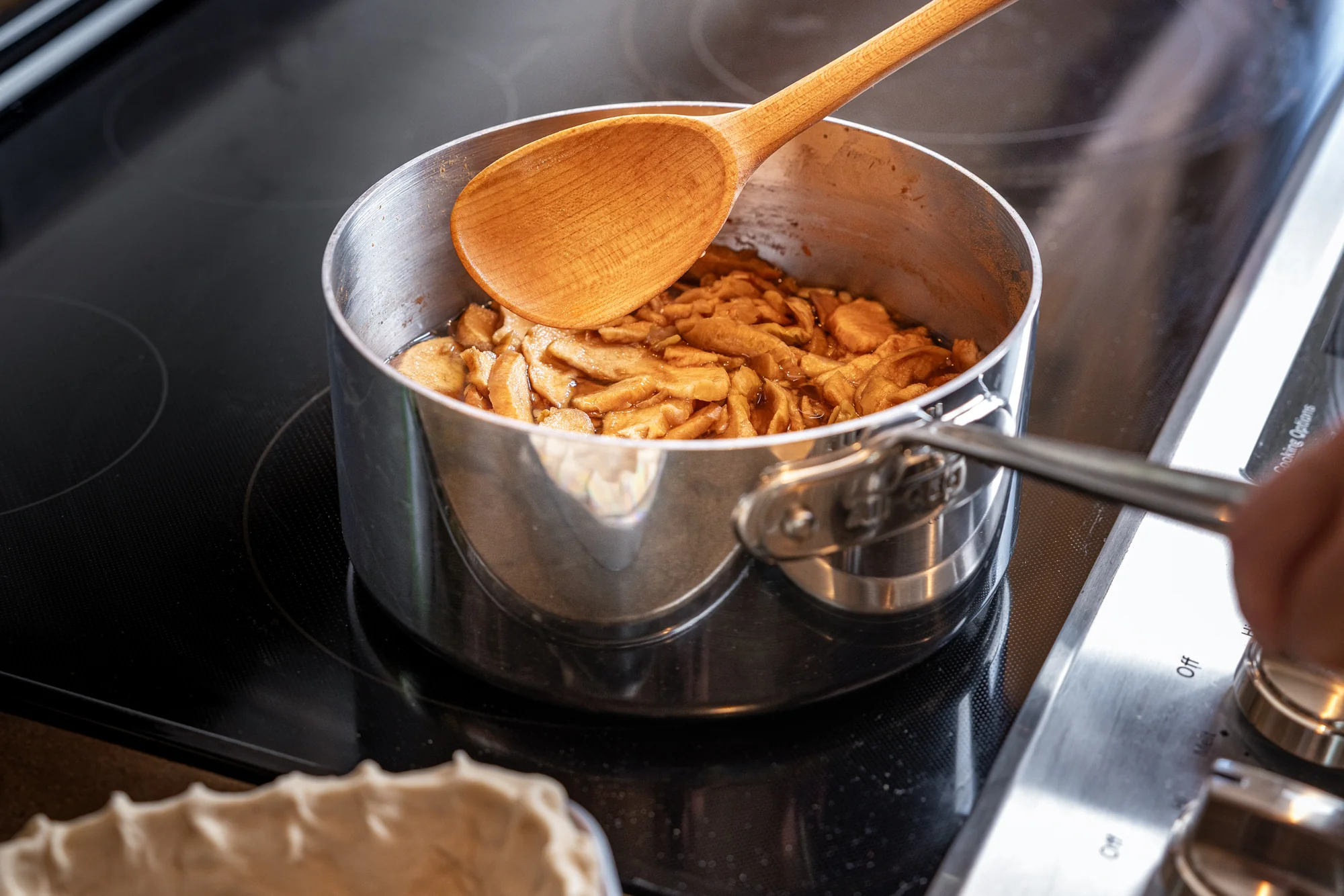




Cooking with acidic ingredients, like tomatoes, citrus, or vinegar, can be a delightful way to enhance the flavor of your dishes. But, when it comes to choosing the right cooking utensils, one question often arises: Should you use a wooden spoon when cooking with acidic ingredients?
In this article, we’ll explore why wooden spoons are such a popular choice in kitchens, the interactions they may have with acidic ingredients, and whether they are truly safe to use in these situations. Let’s dive in!
The Appeal of Wooden Spoons
Wooden spoons have been used in kitchens for centuries, and for good reason. They are durable, non-reactive, and gentle on cookware. The versatility of wooden spoons makes them a staple in almost every cooking environment, from home kitchens to professional restaurants.
Wooden spoons also have a natural charm. Their smooth finish, warm color, and subtle texture provide both practicality and aesthetic appeal. But more importantly, they are soft, which makes them a good option for stirring without damaging your pots or pans. Additionally, wooden spoons are excellent at maintaining a comfortable temperature, so you won’t burn your hands when stirring a hot pot.
But are these classic utensils safe to use with acidic ingredients?
Understanding Acidity in Cooking
Acidic ingredients—such as lemon juice, tomatoes, vinegar, or wine—play a crucial role in cooking by balancing flavors, enhancing brightness, and tenderizing meats. However, acidity is not just a flavor profile; it can also chemically interact with materials, including your cookware and utensils.
Acidic ingredients tend to cause some materials, particularly metals, to react in ways that can affect the taste of your dish and the longevity of your cookware. In addition to flavor changes, there’s a possibility of leaching metals into the food, which can be both undesirable and potentially harmful.
Wooden Spoons and Acidic Foods: The Interaction
Wooden spoons are considered non-reactive, meaning they won’t alter the taste or composition of the food you’re cooking. This is one of the major advantages of wooden spoons when compared to utensils made from materials like aluminum, cast iron, or copper, which can react negatively with acidic ingredients.
However, while wood doesn’t chemically react with acids in the same way that metals do, it’s essential to understand that wooden spoons are still porous. The porous nature of wood means that it can absorb liquids over time, including acidic ones. This absorption can cause the wood to swell, warp, or develop cracks.
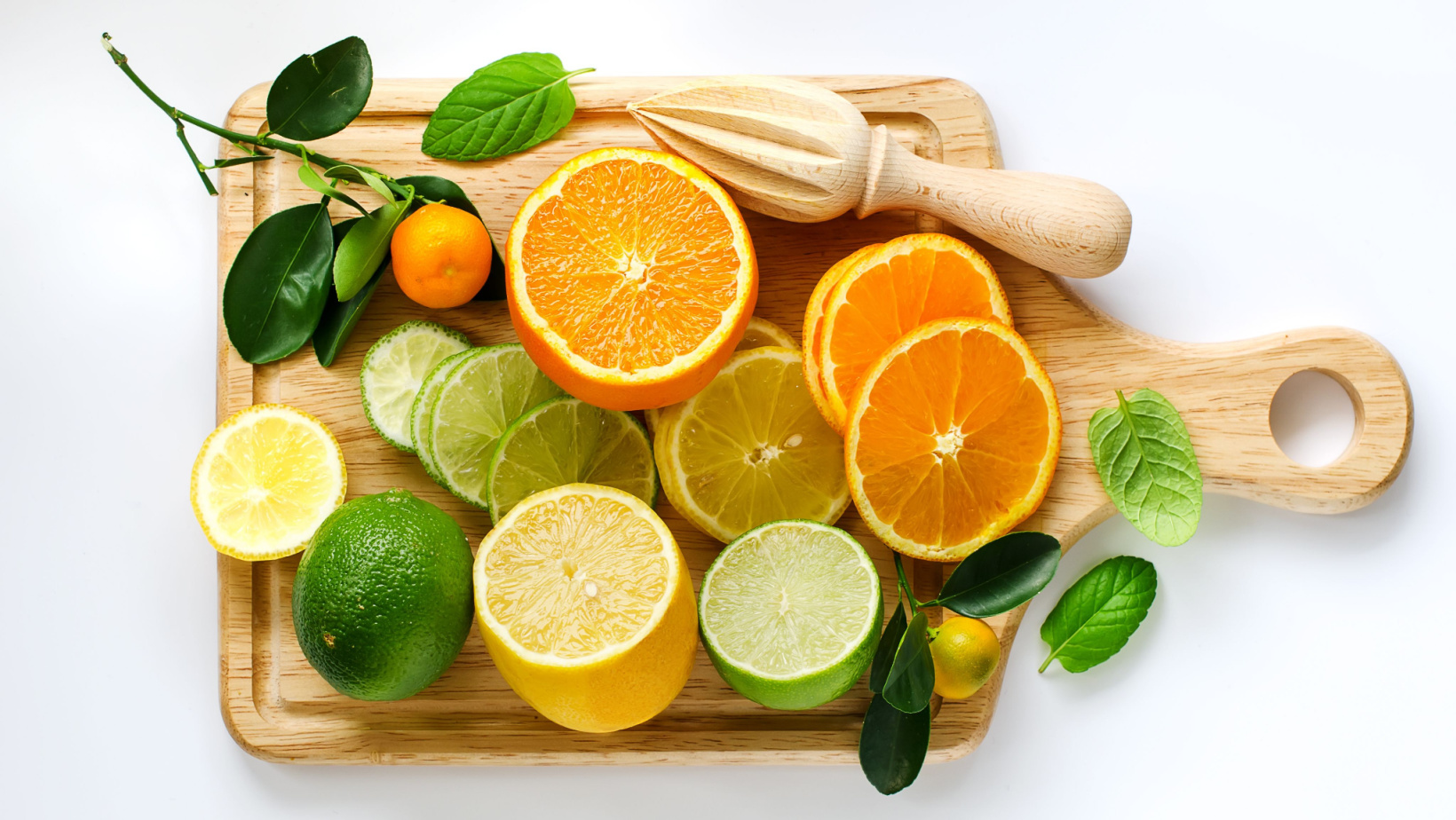
Moreover, if the wood isn’t properly sealed or maintained, the acidity in food can potentially break down the finish or surface of the spoon, leading to discoloration, stains, and weakening of the material. In rare cases, long-term exposure to acids could even cause the wood to rot or become brittle.
Factors That Influence the Safety of Wooden Spoons
While it’s generally safe to use a wooden spoon with acidic foods, there are several factors that can impact its long-term effectiveness and safety:
1. Type of Wood
Not all woods are created equal. Softer woods, like pine, absorb liquids more quickly and might break down faster when exposed to acidic ingredients. Harder woods, like maple, cherry, or beech, are denser and less absorbent, offering better durability in the face of acidic foods.
2. Finish and Treatment
Many wooden spoons are treated with oils or finishes to seal the wood and protect it from moisture. Olive oil, mineral oil, or beeswax are commonly used to maintain the wood’s integrity. If a wooden spoon has been treated with a high-quality sealant, it will be more resistant to absorbing acids, making it safer to use in acidic cooking.
3. Duration of Exposure
The longer a wooden spoon comes into contact with acidic ingredients, the greater the potential for damage. Stirring acidic sauces for a short time won’t harm the spoon, but prolonged exposure—such as leaving the spoon in a pot of simmering tomato sauce for hours—could lead to staining or weakening of the wood.
4. Frequency of Use
The more frequently you use a wooden spoon with acidic ingredients, the more likely it is that the spoon will begin to show signs of wear. This could manifest as discoloration or even a slight change in texture. Regular maintenance, including oiling the spoon, can help prolong its life.
The Benefits of Using Wooden Spoons with Acidic Ingredients
Despite the potential for minor drawbacks, wooden spoons still offer several advantages when cooking with acidic ingredients:
1. Non-Reactive Material
Wooden spoons are non-reactive, meaning they won’t alter the taste of acidic ingredients or leach any unwanted chemicals into your food, unlike metal spoons made of aluminum or copper. This is a huge benefit when cooking delicate dishes like tomato-based sauces or vinaigrettes.
2. Gentle on Cookware
Wooden spoons are less likely to scratch or damage your pots, pans, or non-stick surfaces, which is especially important if you’re cooking with high-end cookware. This gentle approach makes them the perfect utensil for stirring acidic foods in a variety of cookware, including non-stick pans or delicate ceramic pots.

3. Heat Resistance
Wooden spoons remain cool to the touch even in hot pans, unlike metal spoons which can become very hot and potentially burn your hands. This is particularly useful when you’re working with acidic ingredients that require longer cooking times, such as in slow-cooked tomato sauces or reductions.
When to Avoid Wooden Spoons with Acidic Ingredients
While wooden spoons are generally safe for acidic cooking, there are some cases where it may be better to use an alternative utensil:
1. Long-Term Exposure to Acid
If you’re simmering a sauce or soup with acidic ingredients for several hours, consider using a stainless-steel or silicone spoon. Prolonged contact with acids may cause the wood to break down over time, leading to cracks, stains, or warping.
2. Spoiled or Unsealed Wood
If your wooden spoon is old, cracked, or hasn’t been properly sealed, it may absorb too much liquid, including acidic substances. This can lead to both structural damage and flavor issues, so it’s best to replace spoons that show signs of wear or neglect.
3. Staining Concerns
Certain acidic ingredients, like beets or turmeric, can cause deep stains in porous materials like wood. If you’re working with an especially stain-prone ingredient, consider using a spoon made of a non-porous material that won’t absorb pigments or color.
Best Practices for Using Wooden Spoons
To get the most out of your wooden spoons when working with acidic foods, follow these simple tips:
- Maintain Your Wooden Spoons: Regularly oil your wooden spoons to keep them in good shape. This helps prevent them from absorbing too much moisture and protects the wood from damage.
- Use Shorter Cooking Times: Limit the time your wooden spoon is in contact with acidic ingredients. This reduces the risk of the wood absorbing too much liquid.
- Avoid Scrubbing: When cleaning your wooden spoons, avoid scrubbing with harsh materials. This can damage the wood and compromise its protective finish.
- Store Properly: Store your wooden spoons in a dry, cool place. Avoid leaving them submerged in water for extended periods, as prolonged exposure to moisture can weaken the wood.
Conclusion
So, should you use a wooden spoon when cooking with acidic ingredients? In most cases, yes! Wooden spoons are safe, non-reactive, and functional for a variety of cooking tasks, including stirring acidic foods. However, like any tool, they come with their own considerations—especially in terms of maintenance and long-term use. By understanding the relationship between wood and acidity, and following some basic care tips, you can ensure that your wooden spoons remain a reliable and safe choice for your cooking adventures.