



Fresh herbs can elevate any dish with their vibrant flavors and aromatic qualities, making them a key ingredient in countless kitchens. However, keeping these delicate plants fresh after you bring them home can be a challenge. Their tendency to wilt and lose flavor quickly can be frustrating, especially when you’ve invested in high-quality, fresh herbs. Thankfully, there are several effective methods to extend the life of your herbs, ensuring they stay crisp, fragrant, and ready for your next culinary masterpiece.
Understanding Why Fresh Herbs Wilt
Before diving into preservation techniques, it’s important to understand why herbs wilt in the first place. Herbs are highly perishable because of their high moisture content and delicate cell structures. Once cut, they begin to lose water and their cellular integrity weakens, causing them to wilt. Other factors, such as exposure to heat, sunlight, or improper storage conditions, can accelerate this process. Understanding the biology behind wilting allows us to take proactive steps in preserving the freshness of herbs for longer periods.
The Best Methods to Keep Fresh Herbs from Wilting
1. Store Herbs Like Fresh Flowers
One of the simplest and most effective ways to keep herbs fresh is to treat them like cut flowers. This method works especially well for herbs with softer stems, like basil, mint, and cilantro.
- How to do it:
- Trim the ends of the herb stems, just as you would trim flowers.
- Place the herbs in a jar or glass of water, ensuring that the stems are submerged.
- Cover the herbs loosely with a plastic bag or a damp paper towel to create a mini greenhouse effect.
- Store the jar in the refrigerator, away from direct sunlight.
This technique mimics the way fresh flowers are kept in vases and allows the herbs to continue absorbing water, preventing wilting and dehydration. Most herbs will last for up to a week when stored this way, while basil can last for several days longer than other herbs.
2. Use the Damp Paper Towel Trick
For more hardy herbs like rosemary, thyme, and oregano, storing them in a damp paper towel can keep them fresh for an extended period. This method prevents the herbs from drying out without over-saturating them, allowing them to retain their flavor and texture.
- How to do it:
- Take a damp (not soaking wet) paper towel and wrap it around the herbs.
- Place the wrapped herbs in a resealable plastic bag or airtight container.
- Store in the fridge.
The moisture from the damp towel helps prevent the herbs from drying out while still allowing them to breathe, which is essential for maintaining their freshness. This method works best for smaller bunches of herbs, and you’ll want to check the towel occasionally to make sure it doesn’t dry out.
3. Refrigerate Herbs in a Container with Ventilation
Herbs like parsley, cilantro, and chives are best stored in containers with ventilation. This allows for proper airflow, reducing the chances of mold growth or excess moisture buildup that could cause wilting.
- How to do it:
- Place the herbs in a container with small holes or a breathable lid.
- If you have a perforated produce bag, that works well too.
- Store the herbs in the fridge.
This method works particularly well for herbs that are often used in larger quantities, like parsley, as the breathable environment helps them last longer without becoming soggy or limp.
4. Freeze Herbs for Long-Term Storage
If you find that you consistently have more herbs than you can use before they start to wilt, freezing them is a great option. While freezing may cause some herbs to lose their texture, their flavor will remain intact and can be used in soups, sauces, and other cooked dishes.
- How to do it:
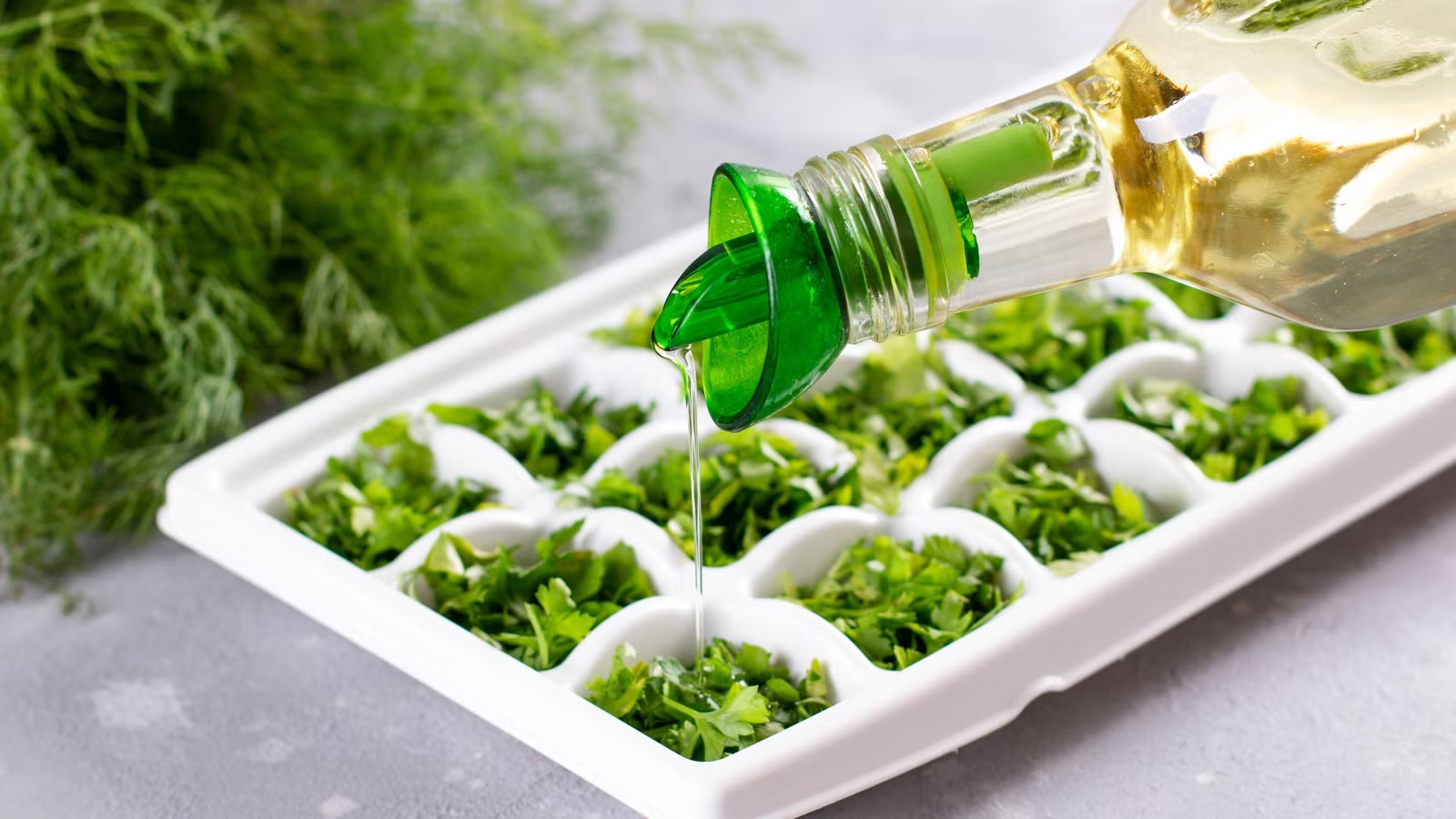
- Wash and chop the herbs into small portions.
- Place the herbs in an ice cube tray and fill with water or olive oil to cover them.
- Freeze until solid, then transfer the cubes to a resealable freezer bag for long-term storage.
Frozen herbs are incredibly convenient and offer an easy way to preserve their flavor for up to 6 months. This method works especially well for herbs like basil, oregano, and thyme, which hold up well to freezing.
5. Grow Your Own Herbs
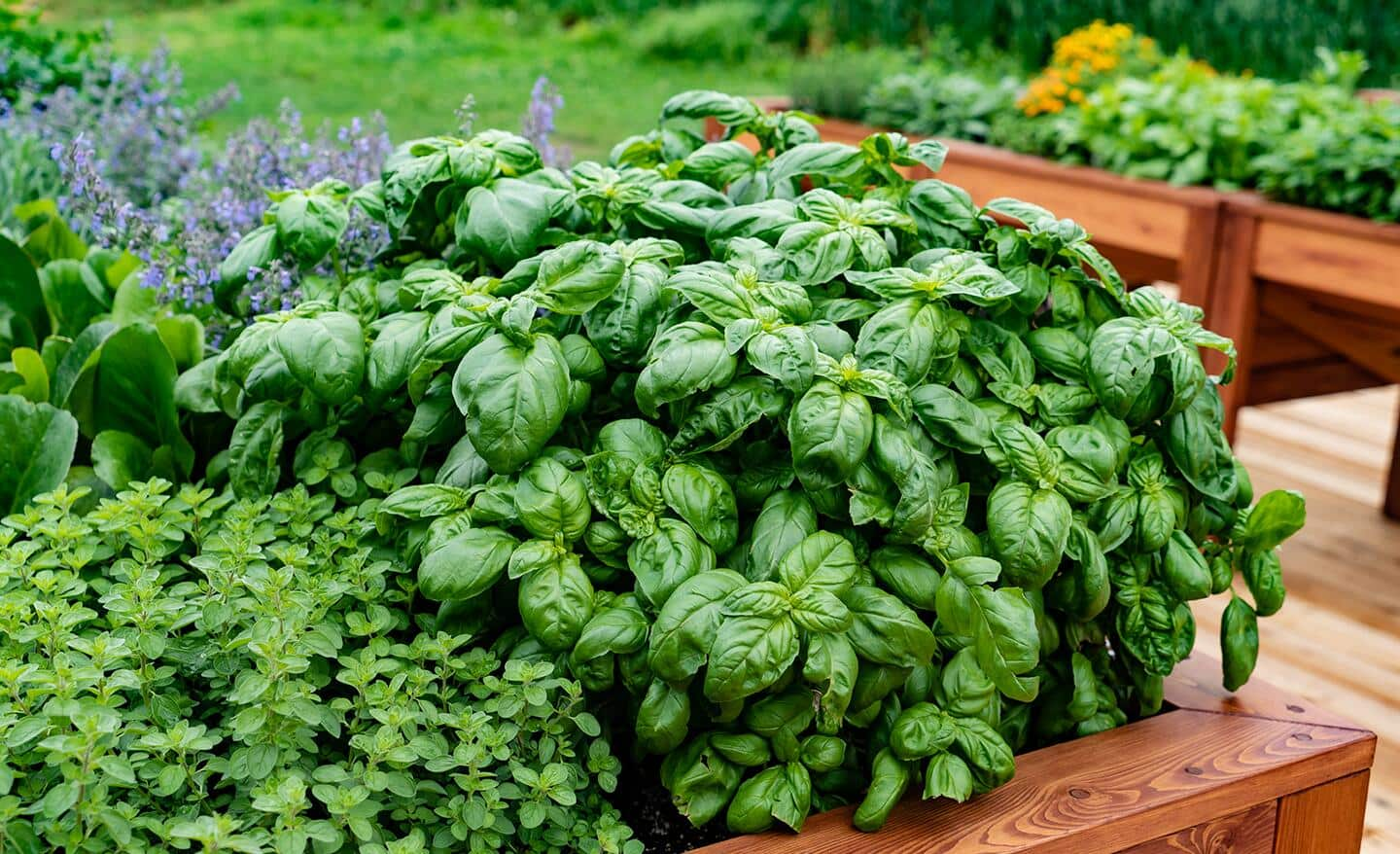
Another way to ensure you always have fresh herbs on hand is to grow your own. Even if you don’t have a large garden, many herbs can thrive in small spaces, such as windowsills, balconies, or countertops. Not only will you have access to fresh herbs whenever you need them, but growing your own plants can also help prevent waste as you can harvest only what you need.
- How to do it:
- Choose herbs that are well-suited to your growing conditions, such as basil, mint, or parsley.
- Use a small pot with well-draining soil and ensure the plant receives enough sunlight.
- Water regularly, but avoid over-watering, which can lead to root rot.
Growing herbs at home can be a fun and rewarding experience, especially if you enjoy cooking with fresh ingredients. Plus, you can always pick a few leaves for a dish without worrying about them wilting too quickly.
6. Drying Herbs
If you find that you have a surplus of herbs, drying them is another fantastic way to preserve them for long-term use. While dried herbs don’t have the same intensity of flavor as fresh ones, they are still a valuable addition to any pantry and can be rehydrated in recipes.
- How to do it:
- Bundle the herbs in small bunches and tie the stems together with string.
- Hang the bundles upside down in a dry, well-ventilated area.
- Once the herbs are completely dried (usually within 1-2 weeks), remove the leaves from the stems and store them in airtight containers.
Dried herbs are excellent for seasoning dishes like soups, stews, and pasta sauces, and they’ll last for months when stored properly.
7. Store Herbs in Oil or Vinegar
Infusing herbs in oil or vinegar can not only preserve their flavor but also create unique, aromatic oils and vinegars that can be used in cooking or as salad dressings. This method works especially well for herbs like rosemary, thyme, and basil.
- How to do it:
- Clean and dry the herbs thoroughly.
- Place the herbs in a clean jar and cover them with oil or vinegar of your choice.
- Seal the jar and store it in a cool, dark place for a week to allow the flavors to infuse.
- After a week, strain out the herbs and store the infused oil or vinegar in the refrigerator.
Herb-infused oils and vinegars make for thoughtful gifts and are a flavorful addition to many dishes, such as roasted vegetables or grilled meats.
8. Avoid Storing Herbs in Plastic Bags (Unless Properly Ventilated)
While plastic bags may seem like an easy storage option, they can trap moisture, leading to faster wilting and even mold growth. If you do choose to use a plastic bag, make sure it is perforated or leave it slightly open to allow air circulation. Alternatively, opt for a reusable mesh or fabric bag.
Extra Tips to Keep Herbs Fresh Longer
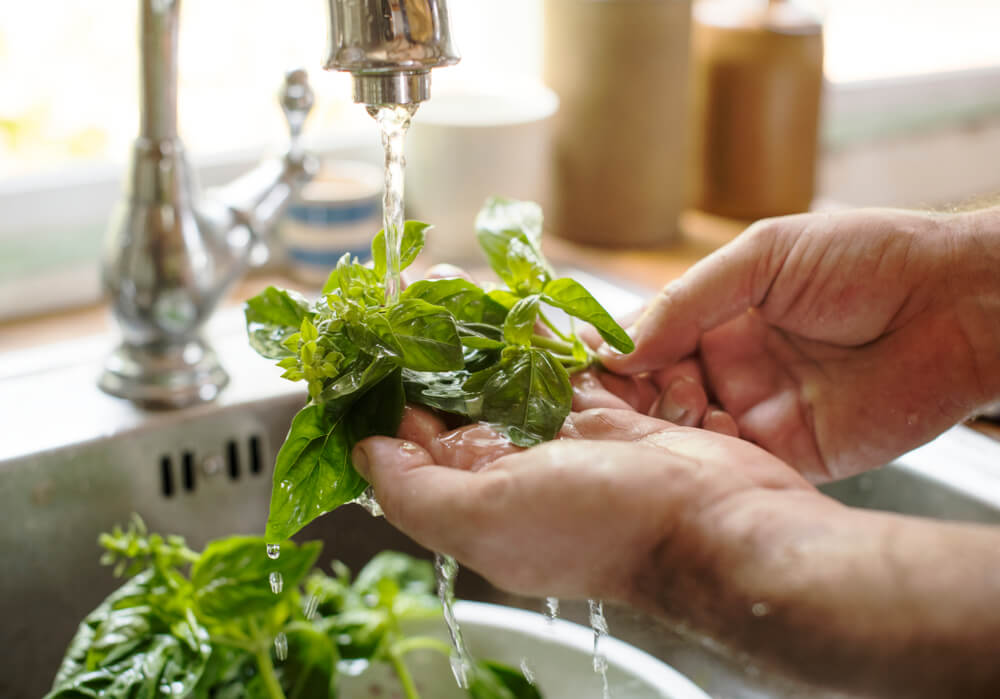
- Avoid washing herbs before storing them: Excess moisture can promote the growth of mold and bacteria. Instead, wait until you are ready to use them before washing.
- Trim herb stems regularly: When you store herbs in water, trim the stems every few days to keep them fresh.
- Check on your herbs frequently: Remove any wilted or damaged leaves to prevent them from affecting the rest of the bunch.
Conclusion
Keeping fresh herbs from wilting too quickly requires a bit of effort and knowledge, but with the right techniques, you can extend the life of your herbs and enjoy their vibrant flavors for longer. Whether you’re storing them in water like fresh flowers, drying them for later use, or infusing them in oils and vinegars, there are plenty of ways to ensure your herbs stay fresh and full of flavor. By incorporating some of these methods into your kitchen routine, you’ll never have to worry about wilting herbs again.