



You’ve probably heard it time and time again: “Let your meat rest after cooking.” But why exactly is this step so crucial? Resting meat isn’t just a suggestion for creating better flavor and texture—it’s a science-backed process that enhances your culinary experience. Whether you’re grilling a steak, roasting a chicken, or cooking a roast, resting helps preserve moisture, improve tenderness, and ensure a juicier result. In this article, we’ll break down why resting meat is an essential step, how long to rest different cuts, and some key tips to make sure your meats come out perfectly every time.
The Science Behind Resting Meat
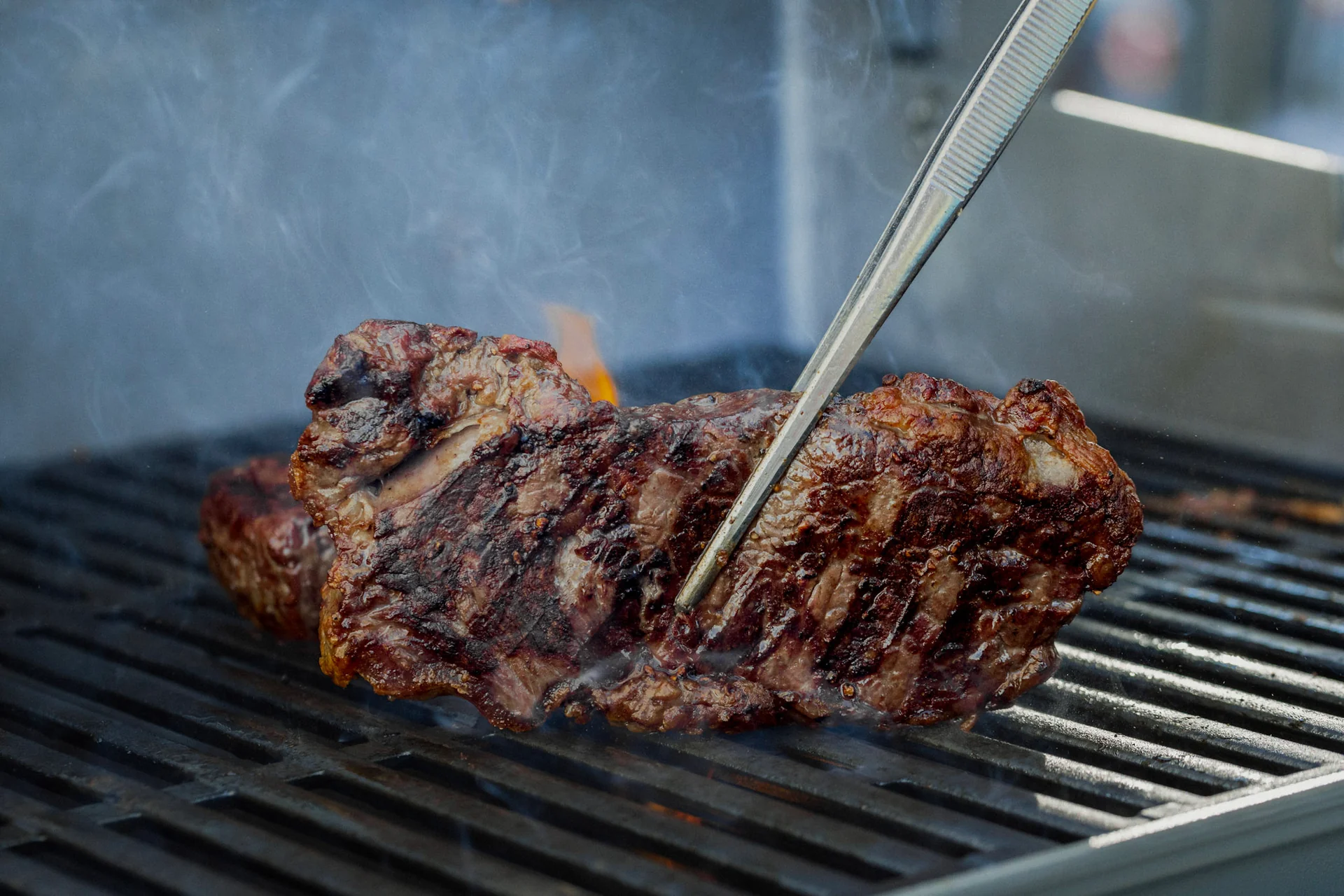
When meat is cooked, especially at high temperatures, its proteins contract, forcing out moisture. The faster the cooking process, the more moisture is lost. For example, when you grill or sear a steak, the outside cooks rapidly, causing the muscle fibers to tighten. These tightened fibers squeeze out the water and juices from inside, which is why your steak might seem dry right after it’s cooked.
Here’s where resting comes into play: when you remove the meat from heat, its proteins begin to relax. As they relax, the juices that were squeezed out during cooking have a chance to redistribute and be reabsorbed. This results in meat that’s juicier, more flavorful, and less likely to dry out when you cut into it.
What Happens When Meat Rests?
Resting allows the muscle fibers to reabsorb moisture that was pushed out during cooking. The key to making sure the meat retains as much moisture as possible is timing. If you slice into meat right away, you’ll see juices escaping from the cut. But when allowed to rest, the muscle fibers have time to reabsorb the liquids, resulting in meat that’s moist and tender.
The rest time depends on the type and size of the meat, as well as the cooking method. A thick steak might need 5–10 minutes of resting, while a large roast could require up to 20–30 minutes. During this resting period, the internal temperature of the meat can also rise by a few degrees, continuing the cooking process gently. This phenomenon is known as “carryover cooking.”
Why Does Resting Matter?
The primary reason resting matters is to improve the texture and juiciness of your meat. However, there are a few other reasons why you should never skip this step:
:max_bytes(150000):strip_icc()/MSL-313619-Slow-Cooker-Pot-Roast-Hero-horiz-0823-5952853a2ad74c8bb4fc3248f8ece42e.jpg)
- Redistribution of Juices: As mentioned, cooking meat forces the juices to the surface. When the meat rests, these juices get a chance to redistribute throughout the fibers, keeping the inside of the meat moist and flavorful.
- Preventing Dry Meat: If you cut into meat right after cooking, you’ll notice that a lot of juices escape onto the plate. These are the same juices that would make the meat more tender if they stayed inside. Resting helps keep them in place.
- Allowing for Carryover Cooking: After removing your meat from the heat, the temperature continues to rise for a brief period. This carryover cooking ensures that the meat reaches the desired doneness without overcooking. A good example is a steak that you want cooked medium-rare. If you pull it off the grill or pan at 130°F (54°C), it will continue cooking for several minutes, reaching an ideal internal temperature of 135°F (57°C).
- Enhancing Flavor: As the juices redistribute, the flavors become more concentrated and well-balanced. The rest period helps create a richer, more intense taste profile.
- Improved Appearance: Letting the meat rest also allows it to hold its shape better, preventing it from becoming misshapen or losing its appearance from the sudden impact of cutting into it.
How Long Should Meat Rest?
The amount of time you should let your meat rest depends on several factors: the type of meat, the thickness of the cut, and how hot it was cooked. Below, we break down resting times by meat type and cooking method.
1. Steaks and Chops
Steaks, chops, and other individual cuts of meat typically need a rest period of 5 to 10 minutes. A general rule is to rest it for about 1 minute for every inch of thickness. If you’re cooking a thick, bone-in ribeye, you might want to rest it for closer to 10 minutes. For thinner cuts like a flank steak, 5 minutes will suffice.
Resting tip: If you’re worried about the steak cooling off too much while it rests, tent it loosely with foil. This will help retain heat without steaming the meat, which could compromise the crispy exterior.
2. Roasts and Large Cuts
Roasts, such as a beef tenderloin or pork loin, need a longer resting period due to their size. Typically, these cuts should rest for 15 to 20 minutes before carving. A larger roast might need even more time. During this period, the juices that have been pushed to the exterior will redistribute throughout the muscle fibers.
Resting tip: For large cuts of meat, consider covering them loosely with foil while resting. This keeps the meat warm while preventing it from sweating.
3. Poultry
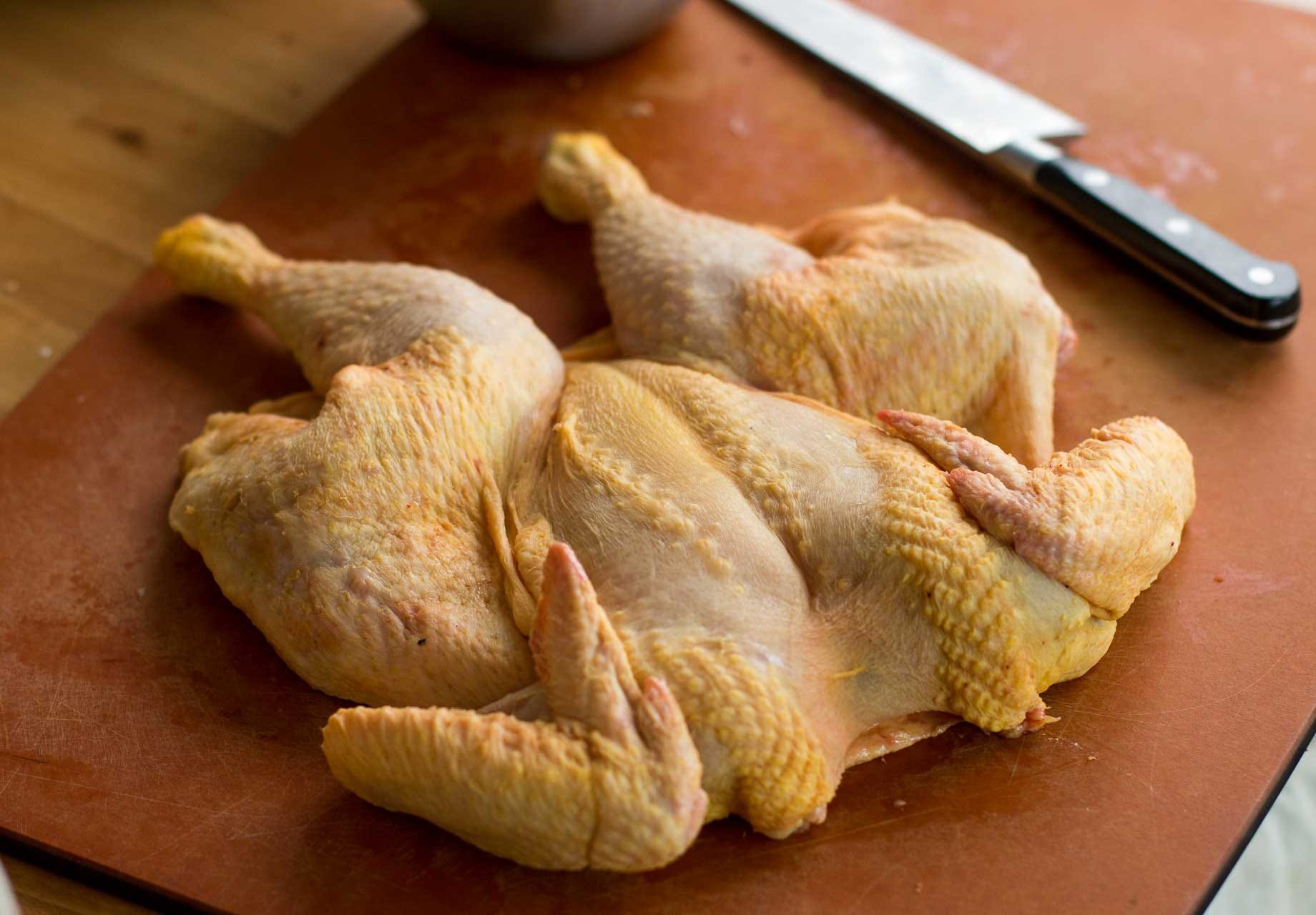
Poultry like chicken, turkey, and duck should also be rested after cooking, though they typically need less time than red meat. A whole chicken or turkey might need a 10–15 minute rest, while individual chicken breasts only need about 5 minutes.
Resting tip: When resting poultry, be sure to let the juices redistribute to prevent dry meat, especially for lean cuts like chicken breasts, which can dry out more easily.
4. Ground Meat
While ground meat (burgers, meatballs, etc.) does benefit from resting, it doesn’t need as much time as whole cuts of meat. Ground meat should rest for about 5 minutes, just enough time for the juices to redistribute and the flavors to settle.
Resting tip: Ground meat, especially when cooked on a grill, should be placed on a plate or cutting board to allow the juices to redistribute. Don’t stack the patties on top of each other right away, as that could squeeze out the moisture.
What Happens if You Skip Resting?
Skipping the resting step can result in a dry, tough, or bland piece of meat. Since the juices will not have been given time to redistribute, they’ll run out when you cut into the meat, leaving it dry and less flavorful. In addition, the texture will be less tender, as the muscle fibers will remain contracted.
You may also find that your meat doesn’t retain heat well if you skip the resting process. A steak, for example, can cool down too quickly if it’s sliced immediately after cooking, making it less enjoyable to eat.
Resting Meat and the Perfect Seared Exterior
One common concern when resting meat is that the seared exterior will lose its crispy texture. While resting, a piece of meat can indeed lose some of its outer crispness. However, the juices and flavors inside are far more important to a successful dish than the surface crispiness, which is typically short-lived once you cut into the meat. Plus, you can always throw the meat back onto the pan for a brief sear after resting to regain a bit of the crunch.
Resting Meat in the Oven or Grill
If you’ve been grilling or roasting meat, you can continue the resting process in the oven or off the grill. In fact, some chefs suggest leaving meat in a warm oven (around 150°F or 65°C) while it rests. This method ensures the meat stays warm, and it gives carryover cooking a chance to finish its job.
Using a Meat Thermometer to Judge Resting
It’s important to note that resting doesn’t just happen immediately after you remove the meat from the heat source. You can use a meat thermometer to keep an eye on the internal temperature and monitor carryover cooking. This allows you to rest the meat until it reaches the perfect final temperature without overcooking it. A thermometer is especially useful with large cuts or thick steaks.
The Takeaway
Resting meat isn’t just an optional step in cooking; it’s a crucial part of ensuring that your meat is tender, juicy, and flavorful. While it may feel tempting to skip this step when you’re eager to eat, doing so can result in a less-than-perfect final dish. Letting meat rest ensures that the juices stay locked in, the meat cooks evenly, and you end up with the most delicious version of whatever you’ve prepared. By following the appropriate resting times for each type of meat, you’ll elevate your cooking game and create meals that will have everyone asking for seconds.