


Introduction
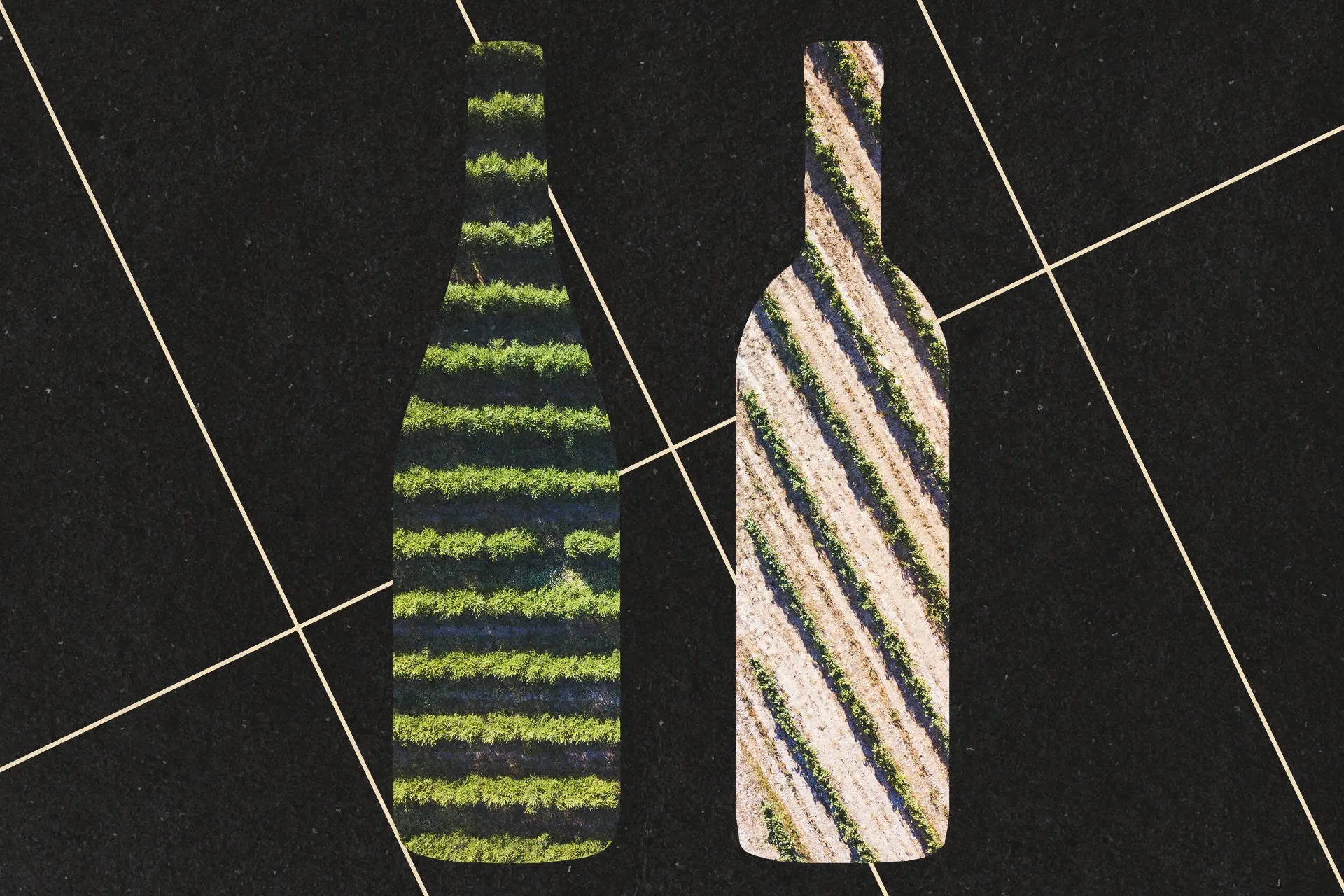
Wine, often described as liquid poetry, has long been more than just a beverage. It’s a complex reflection of the land it comes from — the climate, the soil, and the history of the region. But can regional wines truly represent the essence of a territory? This question delves deep into the interplay between geography, culture, and viticulture. For centuries, wine has been an integral part of a region’s identity, both culturally and economically. With each sip, drinkers are invited to taste the unique terroir—the distinct combination of soil, climate, and human influence—that defines the wine’s flavor profile.
However, while wine can undoubtedly reflect a region’s characteristics, the true nature of this reflection is more nuanced. The complexity of terroir, the skill of winemakers, and global market trends all play a role in shaping how a wine represents its territory. This article will explore whether regional wines can genuinely encapsulate the spirit of their place of origin.
The Concept of Terroir: Wine’s Link to Place
To understand the connection between regional wines and their territories, we must first examine the concept of terroir. Terroir refers to the natural environment in which the grapes are grown, including soil composition, climate, elevation, and even the surrounding flora and fauna. It’s the foundation upon which a wine’s character is built.
In regions like Burgundy, France, or Napa Valley, California, terroir is not just a selling point—it’s an identity. The nuances of the soil—whether it’s the limestone of Burgundy or the volcanic earth of Mount Etna in Sicily—greatly influence the flavor profiles of the wines produced. Similarly, climate conditions, such as the diurnal temperature shifts in cool-climate areas like Oregon’s Willamette Valley, play a pivotal role in shaping the wines’ acidity and aromatic complexity.
But terroir is more than just natural conditions. It’s the way winemakers harness these environmental factors to create a product that reflects both the land and their culture. In this way, regional wines are not simply an agricultural product but a cultural artifact. They are a product of centuries of tradition and innovation, passed down from one generation of winemakers to the next.
The Role of Winemakers: Tradition vs. Innovation
While terroir lays the foundation, the winemaker plays a critical role in how regional wines ultimately express their territory. Winemaking is as much art as it is science. The choice of grape variety, the techniques used in the vineyard, the decisions made during fermentation and aging—all these influence how a wine tastes and how closely it aligns with its regional identity.
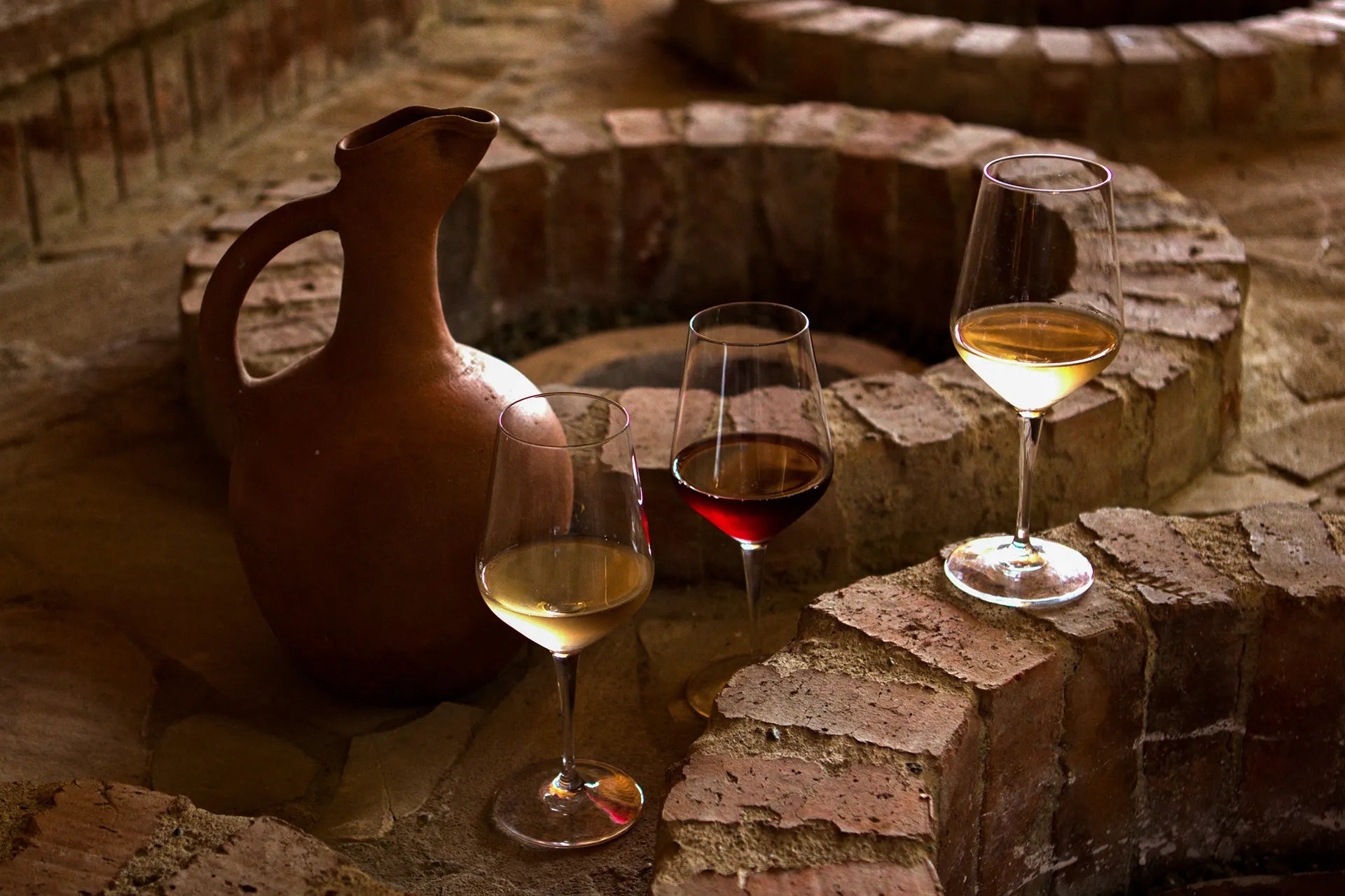
In some regions, winemakers have followed centuries-old traditions, perfecting their craft over time to create wines that are deeply rooted in the region’s identity. In Burgundy, for example, winemakers follow strict regulations that govern the types of grapes they can grow and the methods they use to produce wine. These regulations ensure that the wines maintain a consistent reflection of the region’s terroir.
However, with the rise of global wine markets, innovation has become more prevalent. Some winemakers are pushing the boundaries of traditional winemaking, experimenting with new techniques, hybrid grape varieties, and sustainable practices. While this innovation can lead to exciting wines, it can also blur the line between a region’s authentic expression and the broader, more global wine trends.
For instance, in regions like Argentina and Australia, winemakers have experimented with alternative wine styles and non-traditional grape varieties that do not always reflect the territory’s historical practices. While these wines can still be delicious, they may not capture the essence of the land in the same way that more traditional styles do.
The Impact of Globalization on Regional Wine Identity
Globalization has both challenged and strengthened the concept of regional wine identity. On one hand, global markets have made it easier for wines from regions once considered obscure to gain international recognition. Wines from New World regions like South Africa, Chile, and New Zealand are now widely available, and their characteristics are celebrated worldwide. However, this global reach also brings challenges.
The increased demand for wines from established regions can lead to mass production, which may prioritize consistency over authenticity. In such cases, wines may begin to reflect a more standardized flavor profile, diluted of the unique characteristics that once defined the region. For example, in some areas of California, the pursuit of international appeal has led to the production of wines that might be less expressive of the local terroir and more aligned with global consumer preferences.
On the other hand, the desire for authenticity in wine has led to a counter-trend: natural wines, organic vineyards, and biodynamic practices, all of which emphasize a closer connection to the land and a return to traditional methods. This movement has helped to reinforce the importance of terroir in regional wine production, creating a deeper sense of place and connection to the land.
Regional Wines and Their Connection to Local Culture

Wine is not just a product of nature and craftsmanship; it is also a reflection of the people and culture of a region. A bottle of wine can tell the story of a place: its history, its values, and its people. In many regions, winemaking is intertwined with local culture and traditions. For example, in the South of France, wine has been a part of daily life for centuries, and local festivals often celebrate the harvest and the community’s connection to the land.
In Italy, wine is not just a beverage; it’s a symbol of family, tradition, and regional pride. Each region of Italy has its own distinct style of wine that is deeply rooted in its history and the unique characteristics of the land. In Tuscany, for instance, Sangiovese grapes are grown on hillsides that have been cultivated for centuries, producing wines that speak to the region’s cultural heritage.
Even in New World wine regions, such as Chile or South Africa, wine has become a symbol of national pride and local identity. The people of these regions take great pride in their wines, seeing them as an expression of the land’s potential and their own place within the global wine landscape.
Sustainability and the Future of Regional Wines
As the world grapples with climate change, sustainability has become a pressing issue for winemakers. Regional wines, which are so closely tied to the land, are particularly vulnerable to changing environmental conditions. Warmer temperatures, more erratic weather patterns, and droughts threaten the stability of traditional wine regions. At the same time, climate change opens up new regions to viticulture, such as parts of Scandinavia or northern England, where winemaking was once impossible.
In response to these challenges, winemakers are adopting sustainable practices that aim to minimize their impact on the environment. From organic farming to water conservation to using renewable energy in wineries, these practices ensure that regional wines can continue to reflect their territory while protecting the land for future generations.
The future of regional wines will depend on finding a balance between preserving tradition and embracing innovation, all while being mindful of the environmental challenges ahead.
Conclusion: Can Regional Wines Truly Reflect Their Territory?
So, can regional wines be the true reflection of a territory? The answer is complex, but in many ways, yes. A wine’s true connection to its region is shaped by a combination of natural factors, historical practices, and the craftsmanship of the winemaker. When these elements align, the wine becomes more than just a product; it becomes a story, a reflection of the land and the culture that gave birth to it.
However, as the global wine market continues to evolve, and as winemakers embrace new technologies and techniques, the line between regional authenticity and global appeal may blur. In this landscape, it is essential to keep the spirit of terroir alive. By supporting sustainable practices, preserving traditional techniques, and celebrating the unique characteristics of each region, we can ensure that regional wines continue to be true reflections of their territory for generations to come.