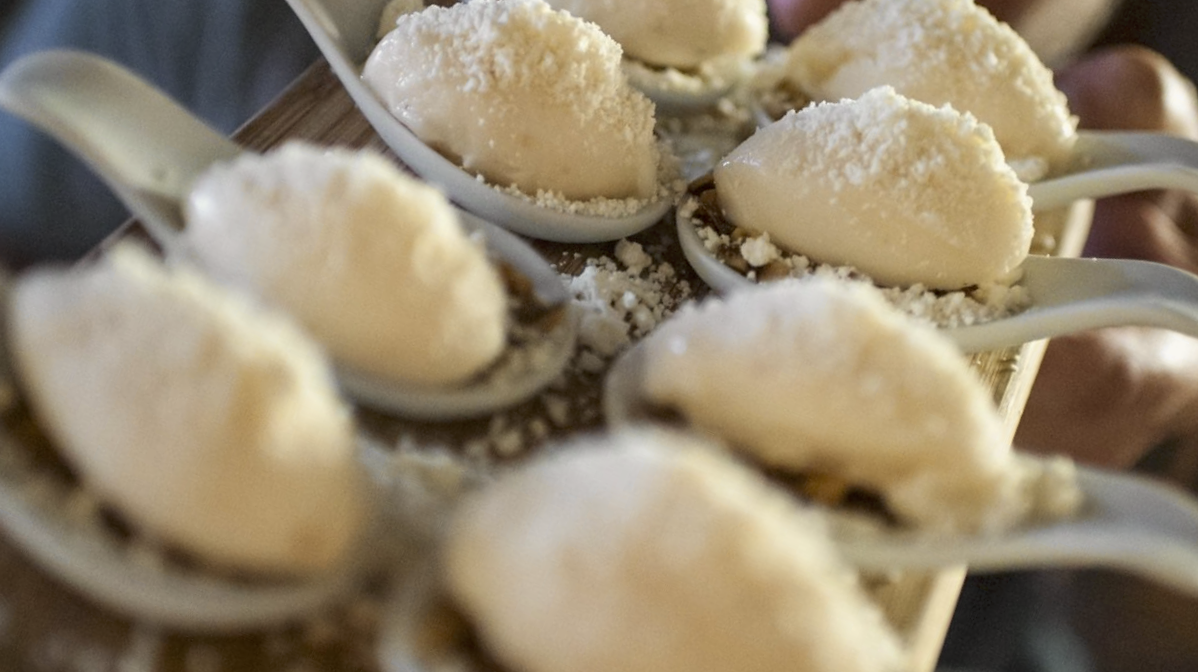




Signature dishes have long been a hallmark of renowned chefs and local eateries, creating lasting impressions with every bite. These dishes are often a reflection of the chef’s personality, skill, and connection to the community. But how do local chefs go about crafting these memorable culinary creations? The journey involves more than just finding the right combination of flavors—it’s about telling a story, embracing tradition, and experimenting with modern techniques. This article delves into the process behind creating signature dishes, from the initial concept to the final plating.
1. Understanding the Essence of a Signature Dish
A signature dish is more than just a menu item. It’s something that embodies the identity of the chef, the restaurant, and often the surrounding culture. It can be a twist on a traditional favorite or a completely innovative creation. However, what makes it truly “signature” is its ability to stand out and be instantly recognizable. When people think of a particular chef or restaurant, they should think of that dish.
For chefs, a signature dish isn’t just about food—it’s about crafting a story that resonates with their diners. It’s the dish that tells where they’ve been, where they’re going, and what they stand for. Whether it’s a beloved family recipe or a new-age creation, the dish must align with the chef’s overall philosophy and the identity of the establishment.
2. Incorporating Local Ingredients and Traditions
One of the first steps in creating a signature dish is deciding where to source ingredients. Local chefs often turn to nearby farmers, markets, and fishermen for the freshest and most authentic ingredients. This connection to the local community adds layers of meaning and flavor to a dish, and it ties the dish back to its geographical roots.
Local ingredients are also a great way to celebrate the region’s culinary history. For example, chefs in the Pacific Northwest might showcase wild salmon or seasonal mushrooms, while those in the South might highlight regional produce like okra or sweet potatoes. Incorporating local ingredients not only supports local agriculture but also ensures that the dish is fresh and seasonally appropriate.
3. Experimenting with Flavors and Textures
While tradition is important, many chefs are known for pushing the boundaries of flavor. A signature dish is often born out of experimentation—balancing familiar tastes with new, unexpected elements. This is where creativity comes into play. Chefs are constantly exploring new ways to mix and match textures and flavors to make their dish stand out.
Consider the use of contrasting elements—perhaps a creamy sauce paired with a crunchy topping, or a sweet ingredient balanced by something savory. These flavor profiles play off each other to create complexity and intrigue, ensuring that the dish is as enjoyable to the palate as it is to the eyes.
Some chefs might even incorporate elements of molecular gastronomy, a technique that uses science to manipulate the texture and presentation of food. This could mean transforming liquids into foams or gels, using liquid nitrogen to create dramatic smoke effects, or employing sous-vide techniques to cook meat to absolute perfection. These techniques can elevate a dish from being simply good to extraordinary.
4. Telling a Story Through Food

Every great signature dish has a story behind it. Whether it’s inspired by childhood memories, a trip abroad, or a cherished family recipe, the dish should evoke emotions and create a sense of connection. Storytelling is a crucial part of food, and chefs who understand this can create dishes that resonate deeply with diners.
For example, a chef might create a dish based on their travels to Thailand, incorporating spices and cooking methods they learned on their journey. Or, a dish might be a modern twist on a family recipe passed down through generations. In these cases, the signature dish doesn’t just represent food—it represents a part of the chef’s history and their personal narrative.
A well-crafted dish can spark memories for diners too. It might remind them of a place they’ve visited, a flavor they’ve longed for, or an experience they want to relive. This connection is what makes a dish memorable and gives it the ability to become a signature item.
5. The Role of Technique in Crafting a Signature Dish
Techniques are where the technical expertise of a chef shines. A signature dish often requires precision and finesse in its execution. Whether it’s perfecting the art of grilling, mastering the timing of a sauce reduction, or creating an intricate plating design, technique is paramount in the creation of a signature dish.
Chefs typically experiment with different cooking methods to see which one brings out the best in their ingredients. This could include dry-aging meat, searing seafood to achieve the perfect crust, or slow-braising vegetables until they are tender and flavorful. The key is to elevate the dish, not just through its ingredients, but through the mastery of technique.
Sometimes, chefs will incorporate elements from various culinary traditions, adapting them to suit their signature style. For instance, a French-inspired dish might include techniques like beurre blanc (a rich butter sauce), while an Italian chef might emphasize the art of making fresh pasta from scratch.
6. Presentation: The Visual Appeal of a Signature Dish
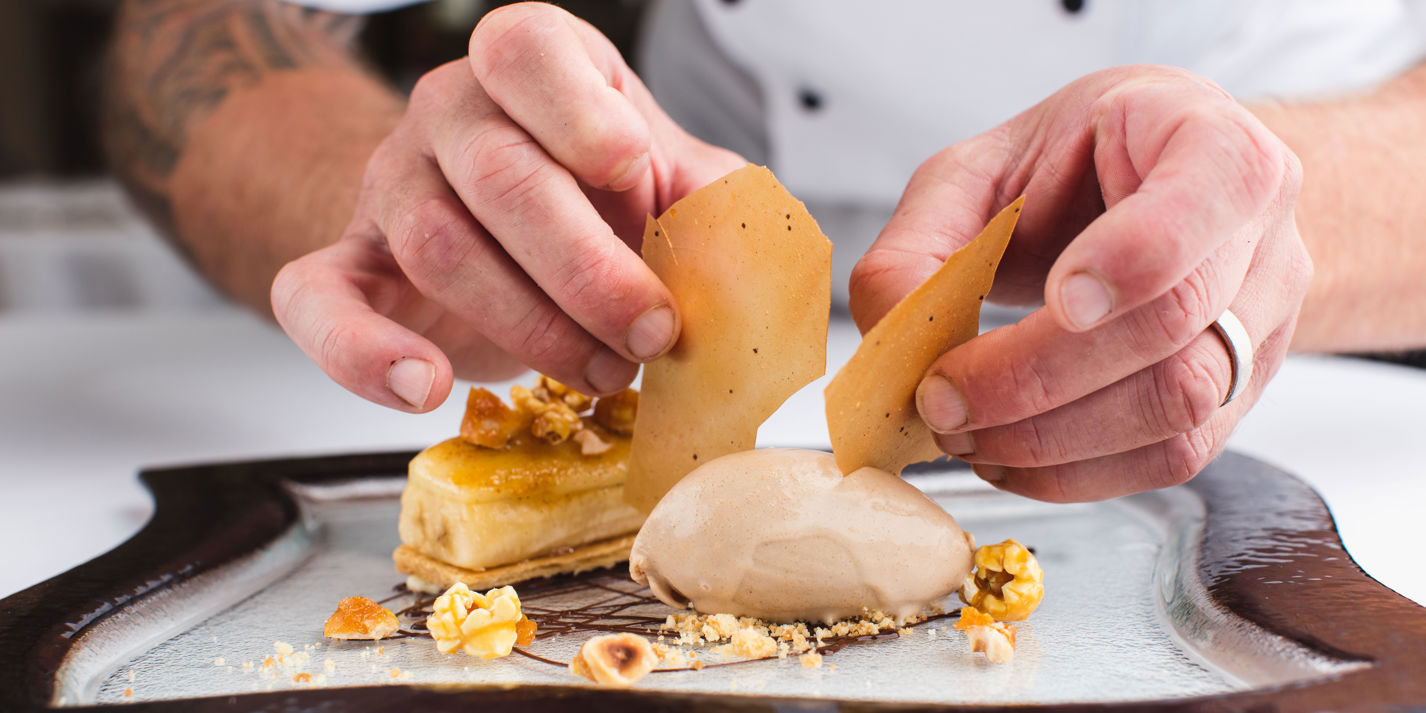
We eat with our eyes first. Presentation plays a significant role in turning a great dish into a signature one. A well-plated dish can evoke excitement and anticipation before the first bite. Chefs understand this, and many put just as much thought into how their dish looks as they do into how it tastes.
Plating involves careful consideration of color, texture, and composition. Chefs will often arrange the elements of a dish to create harmony and balance, ensuring that the eye is drawn to the most important aspects. A signature dish might include a surprising pop of color—perhaps a vibrant green herb garnish or a bright red sauce—or an elegant minimalist presentation that highlights the beauty of the ingredients.
In addition to aesthetics, the type of dishware used can also enhance the overall experience. Some chefs choose unconventional plates or bowls to showcase their creations, adding to the sensory experience.
7. Incorporating Innovation and Trends
While local traditions and classic techniques are important, chefs are always aware of the latest culinary trends and innovations. Some might take inspiration from the farm-to-table movement, others from sustainability practices, or the growing trend of plant-based eating. A great signature dish often balances innovation with timeless elements, ensuring that it feels relevant while staying true to the chef’s roots.
For instance, chefs may explore using alternative proteins like plant-based meats or sustainably sourced seafood. They might also embrace more sustainable cooking practices, such as reducing food waste by using offcuts or less popular ingredients. By staying on top of trends, chefs can craft dishes that feel fresh, exciting, and in tune with the current culinary landscape.
8. Feedback and Refinement
Once a dish is conceptualized and tested, feedback is key. Local chefs often refine their signature dishes over time, adjusting flavors, portions, or presentation based on customer reactions. This iterative process helps perfect the dish and ensures it meets the expectations of both the chef and the diners.
Diners play an important role in this phase, offering insights into what works and what doesn’t. A dish might evolve into something entirely new over the course of a few months as the chef tweaks it based on customer feedback, making sure it consistently delivers a memorable experience.
9. Building a Legacy Through Signature Dishes
Creating a signature dish isn’t just about impressing diners—it’s about creating a lasting legacy. A signature dish can become a restaurant’s identity, attracting both locals and visitors alike. When a dish is truly memorable, it has the power to define a chef’s career and cement their reputation.
Over time, a signature dish might become synonymous with the chef, with many patrons coming to the restaurant specifically to experience it. Think of the famous lobster roll at a seafood shack or the signature ramen at a popular noodle shop—these dishes become iconic.
10. Conclusion: The Art of Crafting a Signature Dish
Creating a signature dish is a journey that blends creativity, tradition, technique, and personal passion. It’s about finding the perfect combination of ingredients, flavors, and presentation that reflects both the chef and the culture in which they cook. For local chefs, these signature dishes become the heart and soul of their restaurant, drawing in crowds and creating an experience that is both memorable and meaningful.
As food trends continue to evolve, chefs will undoubtedly continue to push the boundaries of what a signature dish can be, but one thing will remain the same: the power of a dish that connects deeply with its audience. After all, a signature dish isn’t just food—it’s a reflection of who the chef is, where they’ve come from, and where they’re going.