



As the world becomes increasingly interconnected, the future of food production, distribution, and consumption is shifting in profound ways. Local food systems, which were once the backbone of many communities, now coexist with vast, globalized supply chains that can move food across continents in a matter of days. But in the face of climate change, shifting consumer preferences, and growing concerns about food security, the future of local food may look different from the past. In this article, we will explore the potential evolution of local food systems in a globalized world, considering technological innovations, economic forces, sustainability, and consumer behavior.
The Rise of Globalization and Its Impact on Food Systems
Globalization has revolutionized food systems. The availability of nearly any type of food at any time of year, regardless of local growing conditions, has become a hallmark of modern life. Supermarkets in the United States sell avocados from Mexico, mangoes from India, and salmon from Norway. Consumers are accustomed to enjoying a wide variety of food year-round, and multinational companies have created vast networks to facilitate this global flow.
However, this globalized food system has some serious drawbacks. It is heavily reliant on long-distance transportation, which contributes to carbon emissions. It centralizes power in the hands of a few large companies, often leading to monopolistic practices. Additionally, this system can undermine local agricultural practices, making it harder for small, local farms to compete with large, industrial producers.
The Local Food Movement: A Response to Globalization
In contrast to globalized food systems, the local food movement emphasizes the importance of sourcing food from nearby producers, often with a focus on sustainability, ethical practices, and community engagement. Local food systems promote seasonality, reduce the carbon footprint associated with transportation, and often support small-scale farmers.
In recent years, there has been a growing demand for local food, driven by consumer concerns about food quality, traceability, and environmental sustainability. Farmers’ markets, farm-to-table restaurants, and community-supported agriculture (CSA) programs have gained popularity, reflecting a desire to reconnect with the origins of our food.
However, the local food movement is not without its challenges. One of the most significant barriers is cost. Local food tends to be more expensive than food produced through industrialized, globalized systems. Additionally, local food systems may struggle with the seasonal nature of certain crops, making it difficult to meet the demands of consumers who expect year-round availability.
Technological Innovations Shaping the Future of Local Food
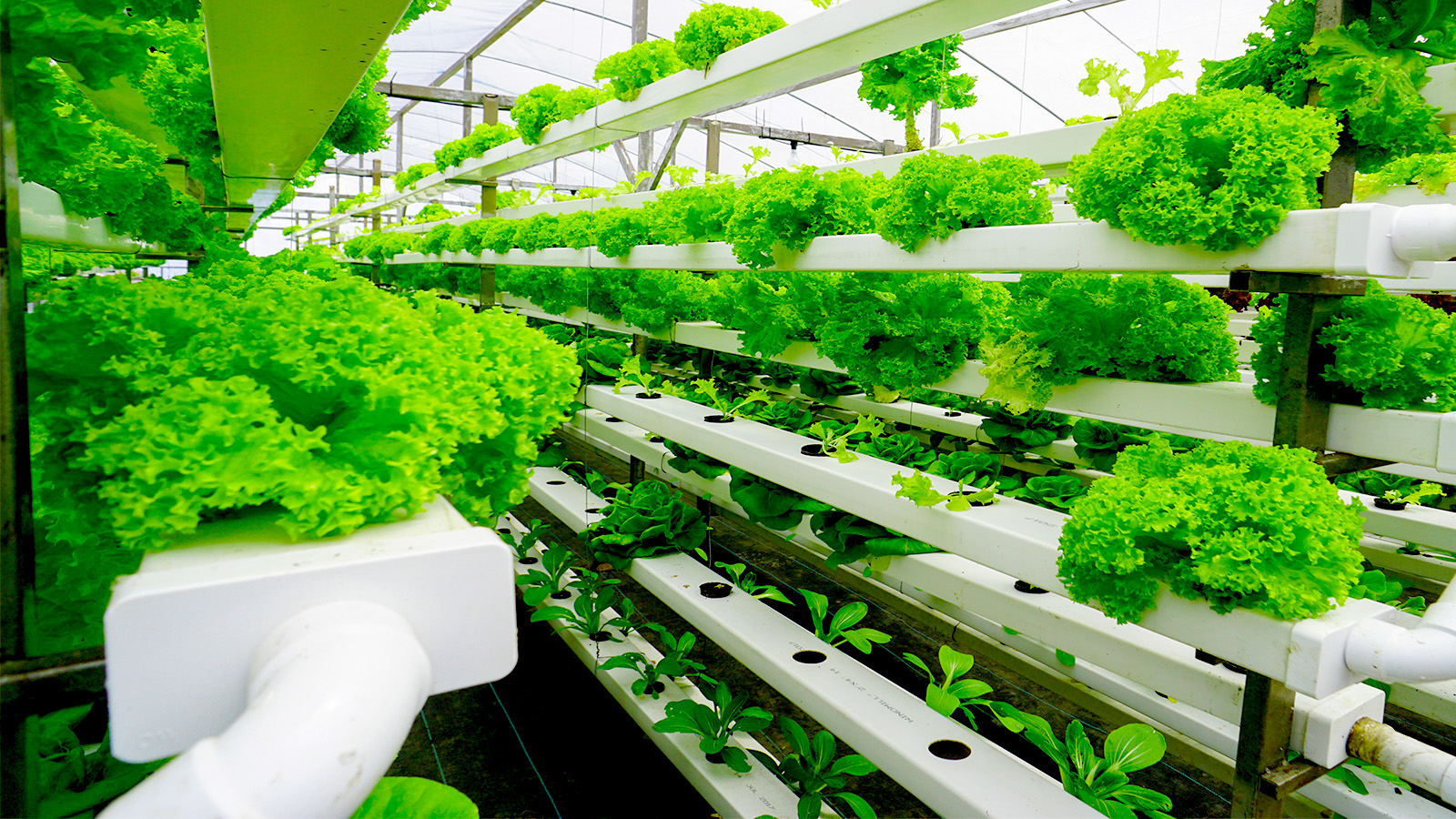
Despite these challenges, technological innovations are making local food systems more viable and efficient. Urban agriculture, vertical farming, and hydroponics are all pushing the boundaries of what local food production can look like.
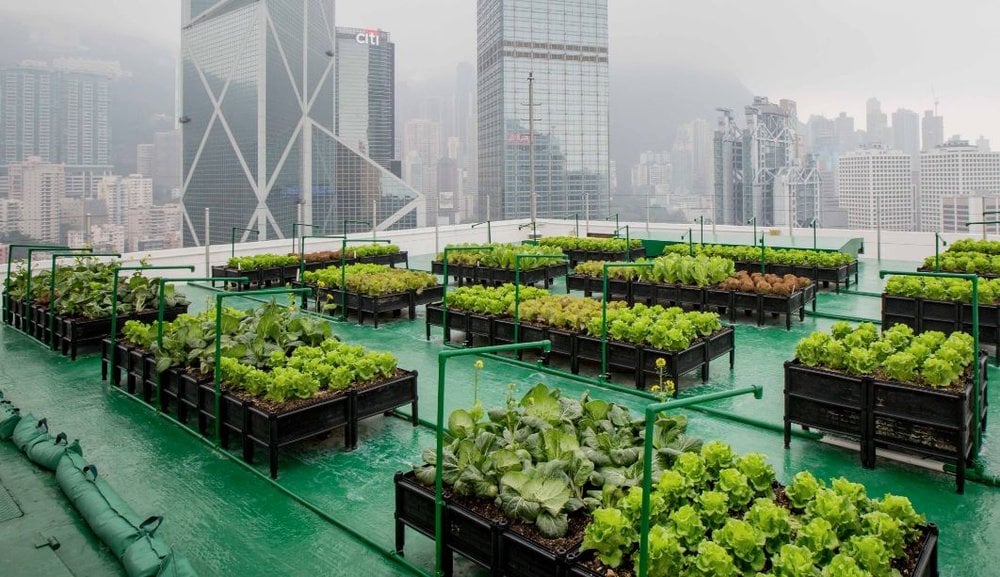
Urban Agriculture: As cities continue to grow, urban agriculture is becoming an increasingly viable option for producing food locally. Rooftop gardens, community farms, and even indoor farming initiatives are cropping up in urban centers worldwide. These urban spaces allow for fresh produce to be grown closer to where people live, reducing transportation costs and making local food more accessible. The integration of local food systems into cities also has the added benefit of reducing food deserts—areas where access to fresh, healthy food is limited.
Vertical Farming and Hydroponics: Vertical farming is another innovative solution that allows food to be grown in densely populated areas. In these systems, crops are grown in stacked layers, often in controlled environments using hydroponics (growing plants without soil). This method reduces the need for large amounts of land and water, making it more sustainable than traditional farming practices. Vertical farms can be established in urban areas, close to where food is consumed, thus minimizing transportation costs and reducing the carbon footprint of food production.
Precision Agriculture: In addition to urban farming, precision agriculture is revolutionizing the way local farmers approach food production. This approach uses data, sensors, and automated technology to optimize the use of resources, such as water and fertilizer, thus increasing efficiency. By using artificial intelligence (AI) and machine learning, farmers can predict weather patterns, monitor crop health, and adjust practices in real-time, ensuring higher yields and less waste. This technology has the potential to make local farming more competitive with large-scale industrial agriculture.
Economic Forces and Their Influence on Local Food Systems
While technological innovations hold promise for the future of local food, the economic forces that shape the food system cannot be ignored. One of the main challenges for local food systems is the cost of production. Industrial agriculture benefits from economies of scale—large farms can produce vast quantities of food at low cost. In contrast, small-scale local farms often have higher production costs, making it difficult for them to compete on price.
Moreover, many consumers are conditioned to expect low prices for their food, a consequence of the industrial food system’s ability to mass-produce at a low cost. As a result, local food producers often find it hard to convince consumers to pay a premium for locally grown produce.
That said, there is a growing recognition of the social and environmental costs associated with globalized food systems. Carbon emissions, pollution, and the loss of biodiversity are all consequences of large-scale industrial farming, and more consumers are beginning to take these factors into account when making purchasing decisions. As awareness grows, local food could become more attractive to a larger segment of the population, particularly if it is marketed as a way to support environmental sustainability and ethical farming practices.
Sustainability: The Driving Force Behind Local Food

Sustainability is one of the most compelling reasons to invest in local food systems. Traditional farming practices often rely on monocultures—growing a single type of crop year after year—which can degrade soil quality, reduce biodiversity, and increase vulnerability to pests and diseases. Local food systems, in contrast, are often more diversified, using crop rotation and other sustainable practices that help maintain the health of the soil and the ecosystem.
Furthermore, local food systems tend to use fewer chemical inputs such as pesticides and fertilizers, reducing the overall environmental impact of food production. By supporting local food producers, consumers can help mitigate the harmful effects of industrial agriculture on the environment.
Climate Change and Resilience: As climate change continues to impact global food production, local food systems could become more resilient to disruptions in global supply chains. Local farms are more likely to adapt to local climate conditions, which may become more unpredictable as global temperatures rise. In this sense, local food systems could offer a form of climate resilience, reducing dependence on global supply chains that may be affected by extreme weather events, such as floods, droughts, or heatwaves.
Consumer Preferences and the Changing Role of Local Food
Consumer preferences are shifting, and this shift is likely to play a significant role in the future of local food. Today’s consumers are more educated about where their food comes from, how it is produced, and its environmental impact. Millennials and Generation Z, in particular, are more likely to prioritize sustainability, ethics, and traceability when making purchasing decisions.
The rise of plant-based diets and alternative proteins is also influencing the future of food. As more people choose to reduce their meat consumption for health, environmental, or ethical reasons, there is an increased demand for locally produced plant-based foods. This presents an opportunity for local food systems to cater to these changing preferences by growing a wider variety of crops and exploring new food innovations.
Direct-to-Consumer Models: Another key factor in the future of local food is the rise of direct-to-consumer models. Online platforms like farm-to-door delivery services and subscription boxes are making it easier for consumers to access fresh, locally produced food. These models cut out the middlemen, allowing farmers to sell directly to consumers, often at a higher price point. This trend is particularly attractive to consumers who are willing to pay a premium for convenience, quality, and sustainability.
The Future of Local Food in a Globalized World
Looking ahead, the future of local food in a globalized world will likely be characterized by a hybrid approach that blends the best aspects of both local and global food systems. Local food will not replace globalized food entirely, but it will carve out a more prominent role in the food ecosystem, driven by technological advancements, sustainability concerns, and changing consumer preferences.
We may see a more decentralized food system where local food production is supported by urban agriculture, vertical farming, and precision farming techniques. Local food will be more accessible, affordable, and efficient, thanks to technological innovations that increase production while minimizing environmental impact. At the same time, global supply chains will continue to play an important role in ensuring food availability, especially for products that cannot be grown locally.
Ultimately, the future of local food will depend on a delicate balance between the global and the local. By fostering collaboration between small-scale farmers, technology innovators, policymakers, and consumers, we can create a food system that is both globally connected and locally resilient, ensuring that our food systems are sustainable, equitable, and adaptable to the challenges of the 21st century.