




In recent years, environmental consciousness has surged, with individuals and communities alike becoming increasingly aware of the effects their choices have on the planet. Among the most significant yet often overlooked decisions is the food we eat and where it comes from. As the world grapples with climate change, biodiversity loss, and the strain on natural resources, food choices are under greater scrutiny. Local food systems—particularly the shift toward eating locally grown food—have gained attention as a key part of mitigating these environmental impacts. But how much do we really know about the environmental consequences of the foods we choose? Are we truly aware of the long-term implications our daily eating habits can have on the planet? Let’s dive deeper into the relationship between local food choices and the environment.
The Carbon Footprint of Food: A Global Concern
One of the most immediate environmental concerns tied to food is its carbon footprint—the amount of carbon dioxide and other greenhouse gases emitted in the production, transportation, and consumption of food. The journey of food from farm to plate involves multiple stages, including cultivation, processing, packaging, transportation, and disposal. Each stage releases carbon emissions, which contribute to global warming. A major contributor to this problem is food that travels long distances to reach consumers.
Transportation: The Long Journey
Consider how much of the food we consume travels thousands of miles before it reaches our local grocery store. From bananas grown in Ecuador to avocados from Mexico, many popular foods have to cross borders, often via air freight or long-haul shipping. This journey uses vast amounts of fuel, resulting in significant emissions. Transporting food over such long distances also requires extensive refrigeration and packaging, which further compounds the environmental toll.
Local food, by contrast, typically requires much less transportation. When you buy from local farmers’ markets or food co-ops, the distance between the farm and your table is dramatically reduced, significantly lowering the associated carbon emissions. The shorter the distance, the less energy is used to move the food, resulting in fewer greenhouse gases being released.
Energy Intensity of Industrial Agriculture
Industrial agriculture, which accounts for the majority of global food production, relies heavily on fossil fuels, synthetic fertilizers, and pesticides. These processes, in addition to transportation, consume large amounts of energy and contribute to soil degradation and loss of biodiversity. In contrast, local farms—especially those practicing sustainable farming methods—tend to use less energy-intensive practices. For example, many local farms focus on organic farming, rotational grazing, and agroforestry, all of which are gentler on the environment compared to conventional methods.
The Role of Local Foods in Supporting Biodiversity
Biodiversity loss is another environmental issue closely tied to food production. Large-scale monocultures—where vast fields of a single crop are grown—are common in industrial agriculture. These systems severely reduce biodiversity, deplete the soil, and increase the risk of pest infestations. Additionally, monoculture farming is heavily reliant on chemical inputs like pesticides and herbicides, which have detrimental effects on local ecosystems.
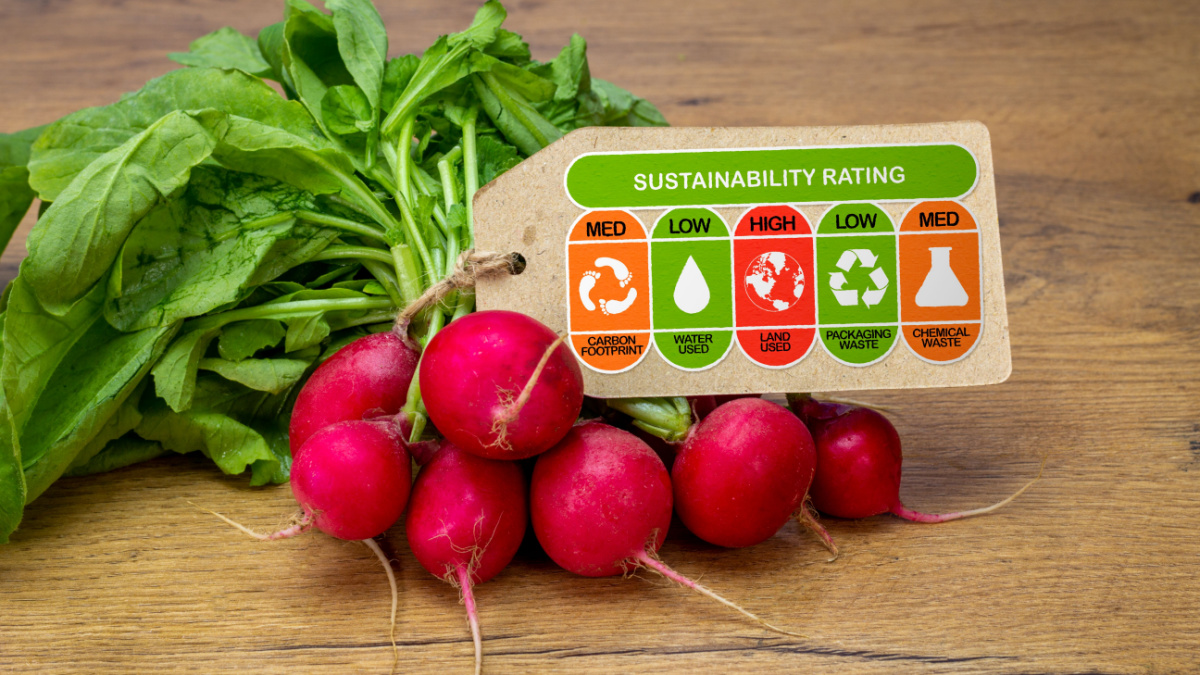
Local food systems, however, often incorporate a broader diversity of crops and farming techniques. Small-scale, diversified farms tend to support more biodiversity by fostering a mix of plants, animals, and microorganisms in the soil. This approach not only helps protect local ecosystems but also builds resilience against pests, diseases, and climate extremes. Farmers who grow a variety of crops can also practice crop rotation and polyculture, methods that enhance soil fertility and reduce the need for synthetic inputs.
Supporting Native Species
Choosing local food can also help preserve native plant and animal species. Many traditional farming practices—especially in more ecologically conscious regions—work with nature rather than against it. By choosing to support these local food systems, consumers can help prevent the extinction of endangered species that rely on specific habitats and ecosystems, thereby encouraging biodiversity preservation.
Water Use and Sustainability
Water is one of our planet’s most precious resources, yet agriculture is the largest consumer of fresh water worldwide. From irrigation to livestock watering, agriculture accounts for approximately 70% of global freshwater use. The amount of water required to grow a particular crop varies significantly depending on location, climate, and agricultural practices. Foods grown in arid regions or requiring large amounts of water (like almonds or avocados) can have a high environmental cost in terms of water usage.
Local foods, particularly those grown in areas with abundant natural water resources, often require less water than food that is shipped in from water-scarce regions. Additionally, local farmers are often more attuned to the water needs of their specific region and may adopt water-efficient irrigation techniques. Practices like rainwater harvesting, soil moisture management, and drought-tolerant crop varieties can further reduce the water footprint of local food production.
Reducing Water Pollution
Industrial agriculture not only consumes vast amounts of water but often contributes to water pollution. Runoff from fields treated with synthetic fertilizers and pesticides can end up in rivers, lakes, and oceans, leading to eutrophication—where excess nutrients in the water cause harmful algal blooms that deplete oxygen and kill aquatic life.
On the other hand, local and sustainable farming practices, such as organic farming and agroecology, tend to use fewer chemicals, reducing the risk of water pollution. These farming methods also promote soil health, which can improve water retention and reduce the amount of fertilizer and pesticide needed.
Waste Reduction: The Local Food Advantage
Food waste is another pressing environmental issue. It’s estimated that roughly one-third of all food produced globally is wasted, amounting to 1.3 billion tons per year. This food waste not only represents a loss of valuable resources (water, labor, energy) but also contributes to greenhouse gas emissions as decomposing food in landfills releases methane, a potent greenhouse gas.
By supporting local food systems, consumers can help reduce food waste in several ways. For example, local farmers are more likely to adopt practices like selling imperfect produce or offering smaller, more flexible packaging, which can reduce excess packaging waste. Additionally, when food is grown closer to home, it can often be harvested at the peak of freshness, reducing spoilage during transportation.
The Health Benefits of Local Foods
While the environmental advantages of eating local are clear, the benefits extend beyond just the planet to personal health as well. Local foods are often fresher and more nutritious, as they are harvested at their peak ripeness and don’t have to endure the long shipping process that can degrade quality. Freshly harvested local produce tends to retain more nutrients, offering greater nutritional value compared to foods that have been transported across long distances.
Eating locally also helps support the health of local communities by fostering stronger local economies. Small-scale, family-run farms are more likely to reinvest in their communities, contributing to economic resilience and the preservation of cultural food traditions.
The Economics of Local Food Systems
Although local foods tend to be priced higher than mass-produced options, the true cost of cheap food is often hidden in the environmental degradation and health costs that come with industrial agriculture. Supporting local food systems means investing in sustainability and contributing to a more equitable, resilient food economy.
Local food systems can also help promote food security by reducing dependence on global supply chains. In times of crisis—whether from climate events, pandemics, or geopolitical tensions—local food systems are better equipped to weather disruptions. By diversifying food sources and reducing reliance on imports, communities become more self-sufficient and less vulnerable to external shocks.
How Can You Make a Difference?
As consumers, the choices we make every day can have a profound impact on the environment. By opting for local, sustainably produced food, we can help reduce carbon emissions, protect biodiversity, conserve water, and support healthy ecosystems. Here are some simple ways you can incorporate more local food into your diet:
- Visit Farmers’ Markets: Farmers’ markets are a great way to buy fresh, locally grown produce directly from the people who grew it.
- Join a CSA (Community Supported Agriculture): Many local farms offer CSA memberships, where consumers receive a share of the farm’s seasonal produce throughout the year.
- Grow Your Own Food: Even if you don’t have much space, growing your own vegetables and herbs can reduce your environmental footprint.
- Support Sustainable Brands: Look for food brands that prioritize sustainable practices, such as organic farming, fair trade, and minimal environmental impact.
Conclusion
The environmental impact of our food choices cannot be overstated. By choosing local food, we take a significant step toward reducing our carbon footprint, conserving water, supporting biodiversity, and promoting sustainable farming practices. Local food systems offer a more environmentally friendly alternative to industrial agriculture, one that not only benefits the planet but also fosters healthier communities and economies. The next time you sit down to a meal, consider where your food comes from and how far it has traveled. Making the shift toward more sustainable, local food choices is one of the most impactful actions we can take to safeguard the future of our planet.