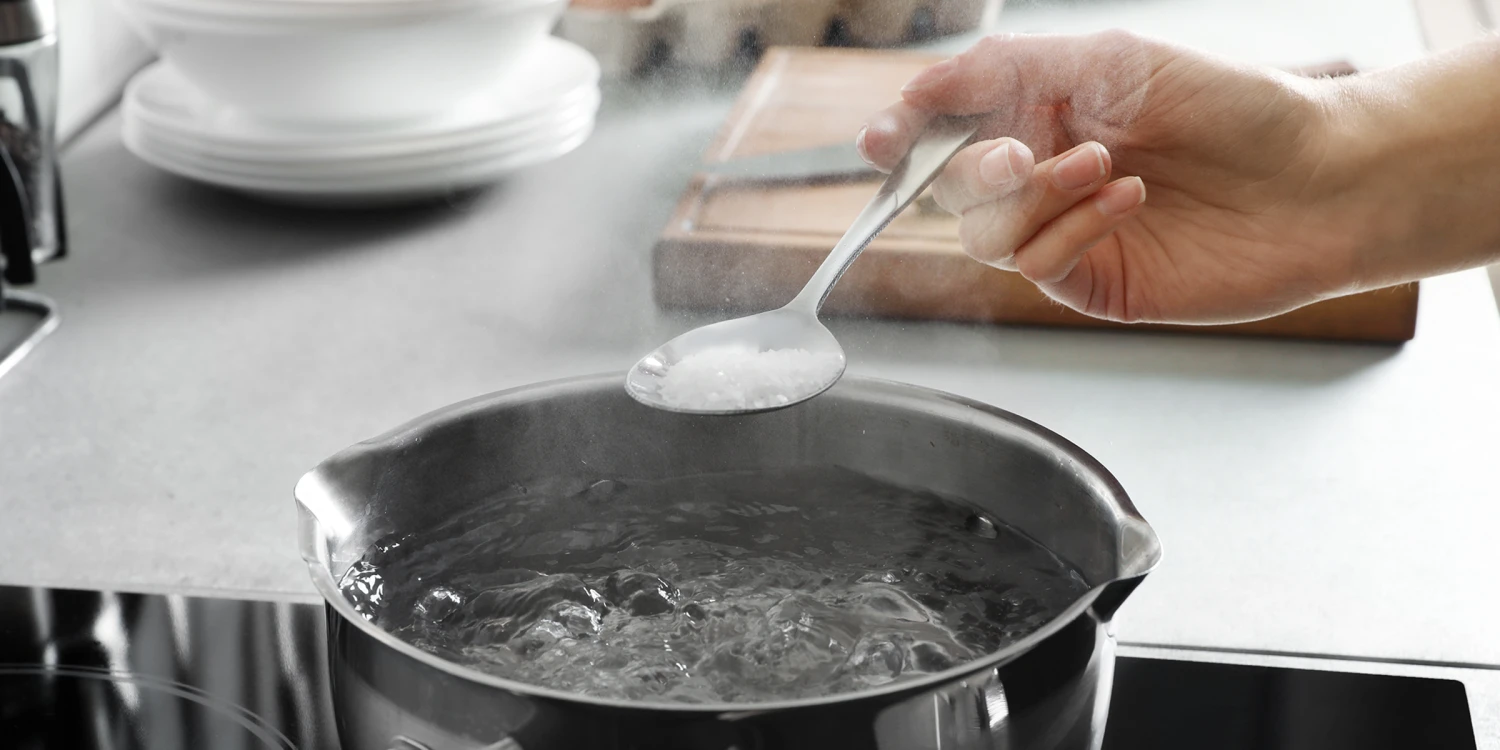




When it comes to cooking pasta, one piece of advice you’ll likely hear over and over again is to “add salt to the boiling water.” But have you ever wondered why? Does it really make a difference, or is it just another culinary myth that chefs propagate? In this article, we will dive into the science behind adding salt to pasta water, explore how it affects the flavor and texture of your pasta, and offer some expert tips to ensure that every pasta dish you make is nothing short of perfection.
The Basics: Why Do We Add Salt to Pasta Water?
To understand the importance of salt in cooking pasta, let’s first look at the basics of the cooking process. When pasta is added to boiling water, it absorbs the water to cook and soften, becoming tender and flavorful. The idea behind adding salt is to season the pasta from the inside out, infusing the pasta with a savory taste while also helping to create a desirable texture.
1. Salt and Boiling Point: The Science of Salt in Water
When you add salt to water, it raises the boiling point of the water. This process is called boiling point elevation. In simple terms, the water needs to reach a slightly higher temperature before it begins to boil. While the increase in boiling point is minimal (just a few degrees Celsius), this can make a subtle difference in the cooking process. The hotter water helps the pasta cook more evenly and may even slightly speed up cooking time, though the effect is so small it’s not usually noticeable.
However, the most significant reason we add salt to pasta water isn’t for the boiling point effect but rather for flavor enhancement.
2. Flavor Enhancement: Salt as a Flavor Amplifier
Salt is a well-known flavor enhancer. It works by activating your taste buds and making flavors more intense. When added to pasta water, the salt penetrates the pasta itself as it cooks, making it taste more flavorful. Plain, unsalted pasta can often taste bland, while pasta cooked in salted water has a much richer, more satisfying flavor profile.
3. Salt and Texture: The Impact on Pasta Quality
Salt can also have an effect on the texture of your pasta. In addition to flavor, adding salt helps to slightly firm up the pasta. This happens because the salt creates a small amount of osmotic pressure, which can prevent the pasta from becoming too soft or mushy. The result is a more al dente bite, which is a key factor in achieving that perfect pasta texture.
How Much Salt Should You Add to Pasta Water?
Now that we understand why salt is essential, the next question is: how much should you add? The general guideline is to use about 1 to 1.5 tablespoons of salt per liter (quart) of water. This ratio will give you a well-seasoned pasta without making it overly salty. However, the amount of salt can be adjusted depending on personal preference.

1. Sea Salt vs. Table Salt
The type of salt you use can influence the taste and texture of your pasta. Sea salt tends to be coarser and has larger crystals, so you might need to use slightly more to achieve the same effect as table salt. Table salt, on the other hand, is finer and more compact, meaning you’ll need less of it to reach the same level of salinity.
If you’re using kosher salt, it’s worth noting that it has a lighter, flakier texture compared to regular table salt, so you may need to use slightly more by weight.
2. Why Not Too Much Salt?
While salt enhances flavor, too much of it can quickly overwhelm your dish and leave your pasta tasting unpleasant. It’s crucial to balance the saltiness of your pasta with the other ingredients, especially if you’re preparing a sauce or topping. The salt in the water won’t just affect the pasta, but also the final dish, so it’s important to taste as you go.
The Myths: Does Salt Really Make Pasta Taste Better?
Now, let’s take a moment to debunk some common myths surrounding the practice of salting pasta water.
1. Does Salt Actually Prevent Pasta from Sticking?
One of the most commonly repeated myths is that adding salt to pasta water prevents the pasta from sticking together. The reality is that the salt in the water has little to no effect on pasta sticking. Pasta sticks together primarily when the water isn’t boiling vigorously enough or if there’s not enough water in the pot.
To prevent pasta from sticking, make sure to:
- Use a large pot with plenty of water to give the pasta room to move.
- Stir the pasta occasionally during the first few minutes of cooking, as this is when it is most prone to sticking.
2. Can You Skip Salting the Water and Just Add Salt to the Sauce?
Some home cooks prefer to skip the salt in the water and add it directly to the sauce. While this can work in some situations, it’s not a recommended method for the best results. When you add salt to the water, it has time to penetrate the pasta, ensuring an even distribution of seasoning. If you add salt to the sauce alone, the pasta might end up bland, and you may need to over-salt the sauce to compensate.
The Best Type of Salt for Pasta Water
While any salt will technically work, some types are preferred for cooking pasta.
1. Kosher Salt: The Chef’s Choice
Most professional chefs prefer kosher salt for cooking pasta because of its mild, pure flavor and large crystals, which make it easy to control the seasoning. It also dissolves easily in water, which is why it’s a top pick for pasta water.

2. Sea Salt: A Natural Option
Sea salt has a more complex flavor due to the natural minerals found in the salt. It’s also often less refined, which means it may contain a slight crunch or flavor variance. While sea salt can be an excellent choice, it tends to be more expensive than regular table salt or kosher salt.
3. Table Salt: Common but Fine
Though table salt is the most commonly available option, its fine texture means it dissolves quickly in water. Some people find that table salt has a slightly more metallic aftertaste compared to other salts. However, it works just fine in pasta water if you don’t mind the taste.
Salt and Health: Is It Safe to Use in Pasta Water?
There’s been a lot of attention on sodium levels in the modern diet, but how does this apply to cooking pasta? The good news is that the amount of salt in pasta water is not likely to have a significant impact on your overall sodium intake, especially since much of the salt stays in the water and doesn’t get absorbed into the pasta.
That said, it’s important to be mindful of your overall sodium consumption, especially if you’re sensitive to salt or have health conditions like high blood pressure. To keep things in balance, use a moderate amount of salt in your pasta water and adjust the seasoning in your sauces and toppings accordingly.
How Salt Affects Different Pasta Shapes
You may have noticed that different pasta shapes seem to absorb salt in different ways. This is due to their texture, size, and surface area. For example:
- Thin pasta shapes, like angel hair or spaghetti, tend to absorb the salt more quickly, so be careful not to over-salt the water.
- Thicker, ridged pasta shapes, like rigatoni or fusilli, have more surface area to absorb the salt, and the ridges can help hold the seasoning better.
Experiment with different pasta shapes to find the perfect balance of salt and flavor for each variety.
Final Thoughts: The Secret Ingredient to Perfect Pasta
So, does adding salt to boiling water really make pasta taste better? The answer is a resounding yes. Salt enhances the flavor, improves the texture, and helps create the perfect pasta experience. While it’s not a magic trick that will turn mediocre pasta into a masterpiece on its own, it’s a small but significant step toward making your pasta dishes more vibrant and delicious.
To sum it up:
- Salt in pasta water seasons the pasta itself, making it more flavorful.
- It helps improve the texture, leading to a more satisfying al dente bite.
- The correct amount of salt and type of salt make a big difference in the final result.
- Adding salt to the water is far more effective than trying to compensate by adding salt to the sauce.
By following these guidelines, you can create pasta dishes that are balanced, flavorful, and perfectly seasoned every time.