



Grass-fed butter has been gaining popularity in recent years, and for good reason. Beyond its superior health benefits, many people who’ve tasted both grass-fed and conventional butter agree that grass-fed butter simply tastes better. But what makes it stand out in terms of flavor? Is it just a marketing gimmick, or is there something inherently different about it? In this article, we will explore the science, the farming methods, and the reasons why grass-fed butter not only offers a healthier alternative but also delivers a superior taste experience.
1. The Grass-Fed Difference: A Natural Flavor Profile
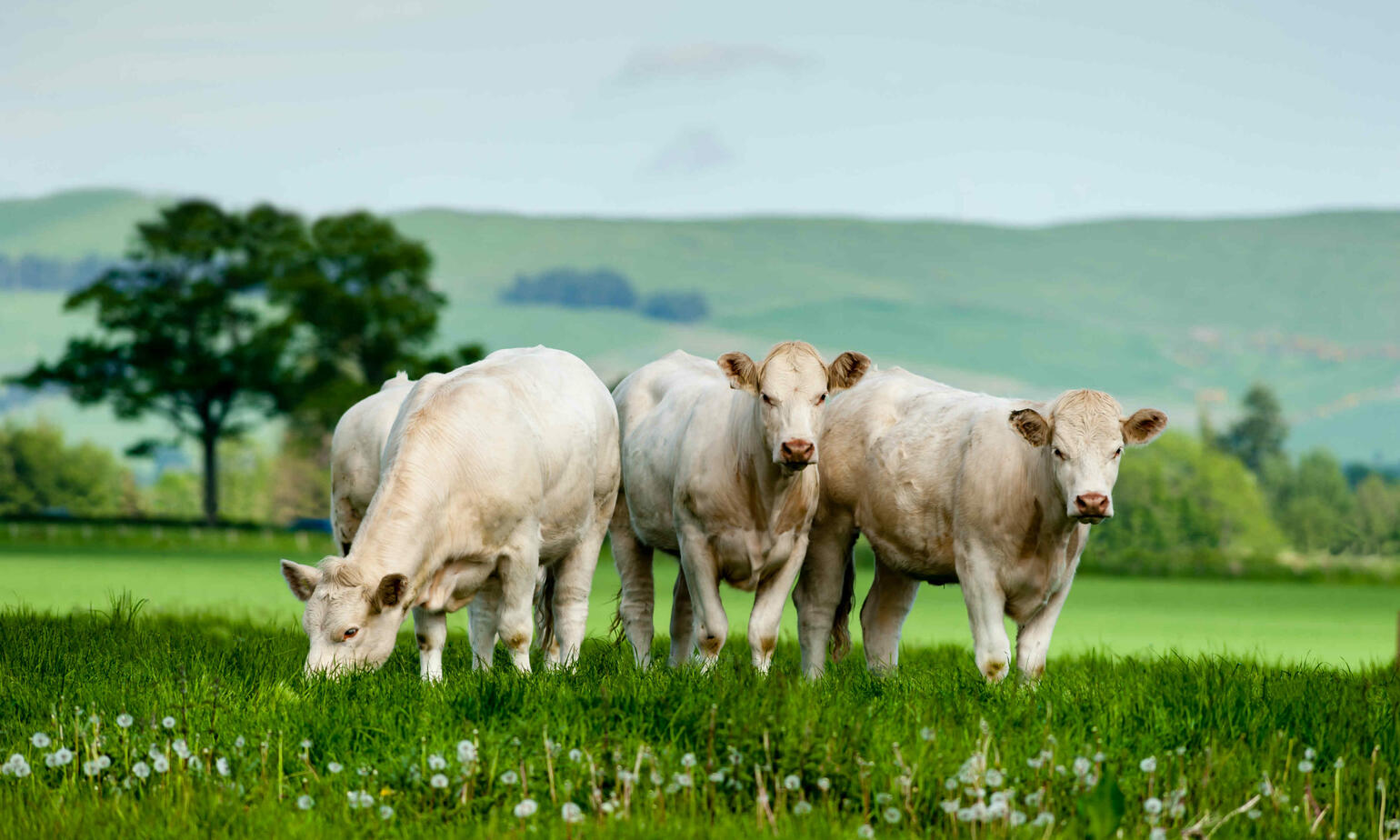
At its core, grass-fed butter is made from the milk of cows that graze on fresh pasture, as opposed to being fed a diet of grains and silage, as is common in conventional dairy farming. This difference in diet has a profound impact on the flavor profile of the butter. Grass-fed cows ingest a variety of wild grasses and herbs, which contribute to a more complex, nuanced taste in the milk they produce. In contrast, grain-fed cows consume a limited variety of grains, which results in a more uniform and, some would argue, less interesting flavor.
The richness of grass-fed butter can be attributed to the variety of plants in the cows’ diet. Different grasses, such as clover, ryegrass, and dandelions, contain a range of phytonutrients that are transferred to the butter, giving it a distinct, earthy, and even slightly sweet flavor. This is a key reason why many consumers find grass-fed butter more flavorful—it has a broader spectrum of tastes that make it stand out.
2. Fat Composition: The Secret to Creaminess and Richness
The taste of butter is closely linked to its fat content, and this is where grass-fed butter shines. Grass-fed cows produce milk that has a higher concentration of healthy fats compared to their grain-fed counterparts. Specifically, grass-fed butter has more beneficial omega-3 fatty acids and conjugated linoleic acid (CLA), both of which play a role in enhancing flavor and texture.
Omega-3 fatty acids contribute to a buttery richness that coats the mouth, while CLA, a naturally occurring compound found in the fat of grass-fed animals, has been linked to both flavor and potential health benefits. CLA enhances the overall mouthfeel of the butter, making it feel more indulgent and smooth when spread on toast or melted over vegetables.
Additionally, the butter from grass-fed cows tends to have a higher concentration of butyrate, a short-chain fatty acid that is responsible for the creamy, smooth texture of the butter. Butyrate also contributes to the buttery aroma, which is a hallmark of high-quality butter. The higher levels of butyrate in grass-fed butter create a distinct mouthfeel that makes the butter feel richer and more satisfying than butter made from grain-fed cows.
3. The Role of Seasonal Variations
Another reason why grass-fed butter tastes better is the natural variation in the cows’ diet that occurs throughout the year. As the seasons change, so too does the variety of grasses and plants that cows have access to. In the spring and summer months, cows graze on fresh, nutrient-rich grasses that are abundant with chlorophyll and other antioxidants. These seasonal changes contribute to subtle shifts in the flavor of the butter, making it feel fresher and more vibrant.
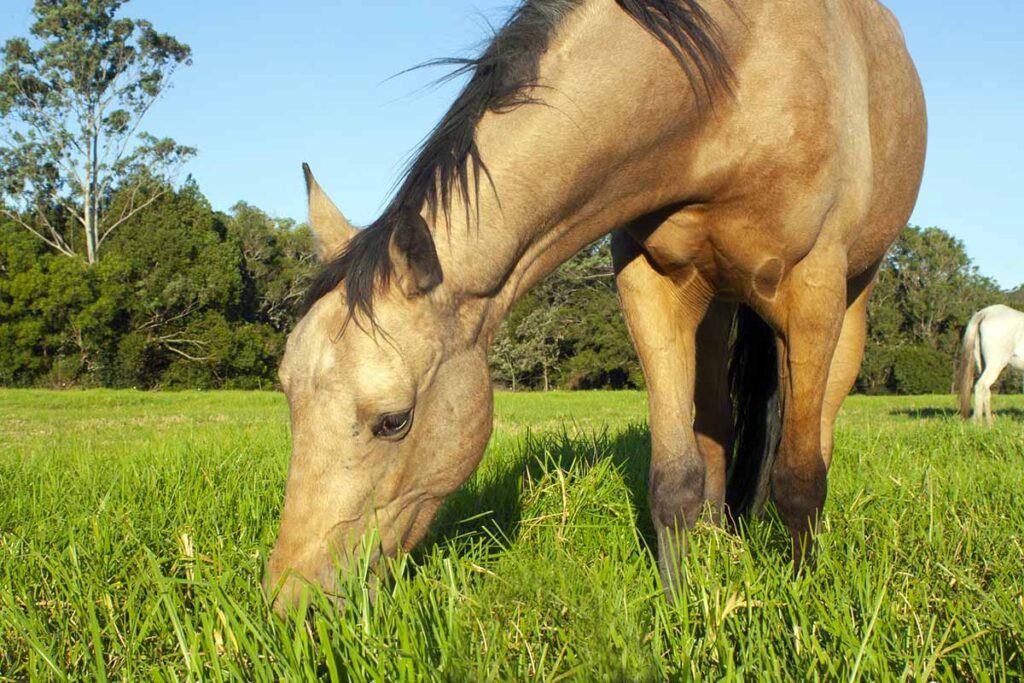
During the winter months, when fresh grass is scarce, cows may be fed stored forage, such as hay, which results in a slightly different flavor profile. These seasonal nuances give grass-fed butter a unique character that can change from month to month, making it a more dynamic product compared to the more standardized taste of conventional butter.
4. Organic Practices and Pure Ingredients
Many grass-fed butter producers also follow organic farming practices, which means that the cows are not exposed to harmful pesticides, antibiotics, or growth hormones. The absence of these chemicals in the milk further enhances the purity of the butter’s flavor. Without these additives, grass-fed butter retains a cleaner, more natural taste that reflects the quality of the ingredients.
In addition, organic grass-fed butter is often made in small batches, using traditional butter-making methods that preserve the integrity of the milk. This careful attention to detail in both farming and production results in a butter that is fresher and more flavorful than its mass-produced counterparts.
5. The Impact of Animal Welfare on Flavor
The well-being of the cows also plays a role in the flavor of grass-fed butter. Cows that are raised on open pastures with plenty of space to roam and graze tend to be healthier and less stressed than cows that are confined to feedlots. Healthier animals produce better-quality milk, which in turn leads to higher-quality butter.
The difference in quality is not just about the cows’ diet but also about their overall lifestyle. Cows that are allowed to graze naturally are often more relaxed and content, which can affect the flavor of their milk. In contrast, cows raised in industrial farming systems, where they are subjected to stressful conditions, may produce milk with a less desirable flavor.
6. The Appeal of Real, Unprocessed Foods
There’s a growing trend toward seeking out real, whole foods that are minimally processed. Grass-fed butter fits perfectly into this movement, as it is often less refined than conventional butter. Many brands of grass-fed butter contain fewer additives, preservatives, or artificial ingredients. The result is a butter that tastes more authentic, with a richness and depth that feels closer to nature.
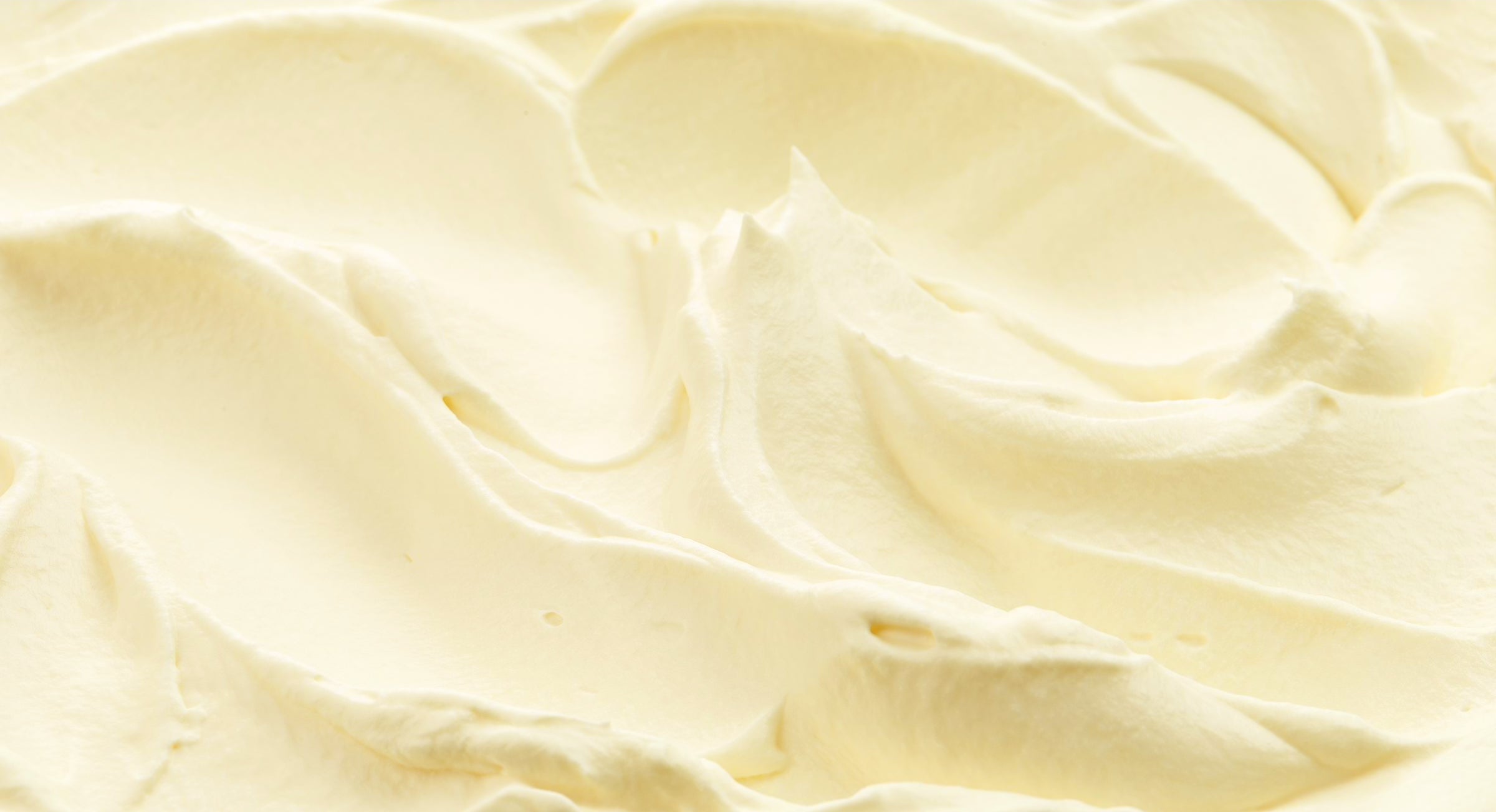
The use of traditional churning methods in making grass-fed butter also contributes to a sense of authenticity. These methods, often passed down through generations, help preserve the full-bodied flavor of the milk, as opposed to industrialized methods that may strip away some of the more delicate, nuanced flavors of the butter.
7. Grass-Fed Butter vs. Conventional Butter: A Flavor Comparison
To truly understand why grass-fed butter tastes so much better, it’s helpful to compare it directly with conventional butter. While both types of butter share similar fat profiles and uses, the differences in taste are significant.
Conventional butter, which is typically made from milk produced by cows fed a grain-based diet, tends to have a milder, more neutral flavor. Some people describe it as flat or bland in comparison to grass-fed butter. The grain-fed cows’ diet, consisting primarily of corn, soy, and other grains, doesn’t offer the same flavor complexity that fresh pasture grasses do.
Grass-fed butter, on the other hand, offers a more vibrant, layered taste. The rich, earthy flavor comes from the cows’ natural diet, which includes grasses and herbs that are rich in antioxidants and other beneficial compounds. The result is a butter that tastes more alive, with subtle notes of sweetness, grassiness, and sometimes even floral or herbal undertones.
8. A Healthier Option with Better Flavor
Aside from its superior flavor, grass-fed butter also provides a healthier alternative to conventional butter. As mentioned earlier, grass-fed butter contains higher levels of omega-3 fatty acids, CLA, and butyrate, all of which offer potential health benefits. Omega-3s are known for their anti-inflammatory properties and their role in supporting heart health, while CLA has been linked to improved fat metabolism and potential cancer-fighting properties. Butyrate is beneficial for gut health and has been shown to support the body’s inflammatory response.
By choosing grass-fed butter, you’re not only indulging in a richer, more flavorful product but also nourishing your body with healthier fats. This makes grass-fed butter a win-win choice for both taste and wellness.
9. The Future of Butter: Grass-Fed as the Standard
As consumers become more educated about the benefits of grass-fed products, there’s growing demand for grass-fed butter. This trend is likely to continue as more people seek out high-quality, ethically produced foods that not only taste better but also align with their health and sustainability values.
As the popularity of grass-fed butter continues to rise, we may see a shift in the dairy industry towards more sustainable and ethical farming practices. The benefits of grass-fed butter are clear, and its superior taste is a testament to the power of nature in producing high-quality, flavorful foods.
10. Conclusion
In conclusion, what makes grass-fed butter taste so much better is a combination of factors, including the cows’ diet of fresh pasture grasses, the higher concentration of healthy fats, seasonal variations, and the use of organic and ethical farming practices. These elements come together to create a butter that is richer, more complex, and more satisfying than conventional butter. Whether you’re drawn to its superior taste, health benefits, or the ethical farming practices behind it, there’s no denying that grass-fed butter offers a butter experience that is truly second to none.