



Spices have been an integral part of human civilization for thousands of years, playing crucial roles in cuisine, medicine, and culture. For millennia, cultures across the globe have experimented with and perfected the art of using spices. Whether it’s the heat of cayenne, the warmth of cinnamon, or the fragrance of freshly ground pepper, spices are the soul of cooking. But one question often arises: Why does freshly ground spice make all the difference? This article will explore the science, the sensory experience, and the culinary advantages of grinding spices fresh versus using pre-ground alternatives.
The Journey of Spice: From Plant to Plate
Spices, derived from seeds, fruits, bark, and roots, are primarily used for flavoring, coloring, and preserving food. Whether it’s the pungent aroma of cumin or the sweet warmth of nutmeg, these compounds are often locked inside the whole spice. When spices are ground, they release essential oils and flavor compounds that were previously hidden. But before we dive into the “why,” let’s first understand the journey of a spice.
From Seed to Spice
The spice trade dates back to antiquity, with ancient civilizations in Egypt, India, and China using spices for culinary, medicinal, and religious purposes. Spices are harvested from plants and seeds, and depending on the species, they may be dried, cured, or processed in other ways. The transformation from a whole spice to a ground powder is crucial in determining its potency and quality.
When a spice is ground, its surface area is drastically increased, allowing essential oils and compounds to interact with the air and your palate. However, this also leads to a deterioration of its volatile compounds over time. In other words, the flavor of a pre-ground spice is likely to degrade faster than a whole one, making freshly ground spices more vibrant and potent.
The Science Behind Freshly Ground Spices
The Role of Essential Oils
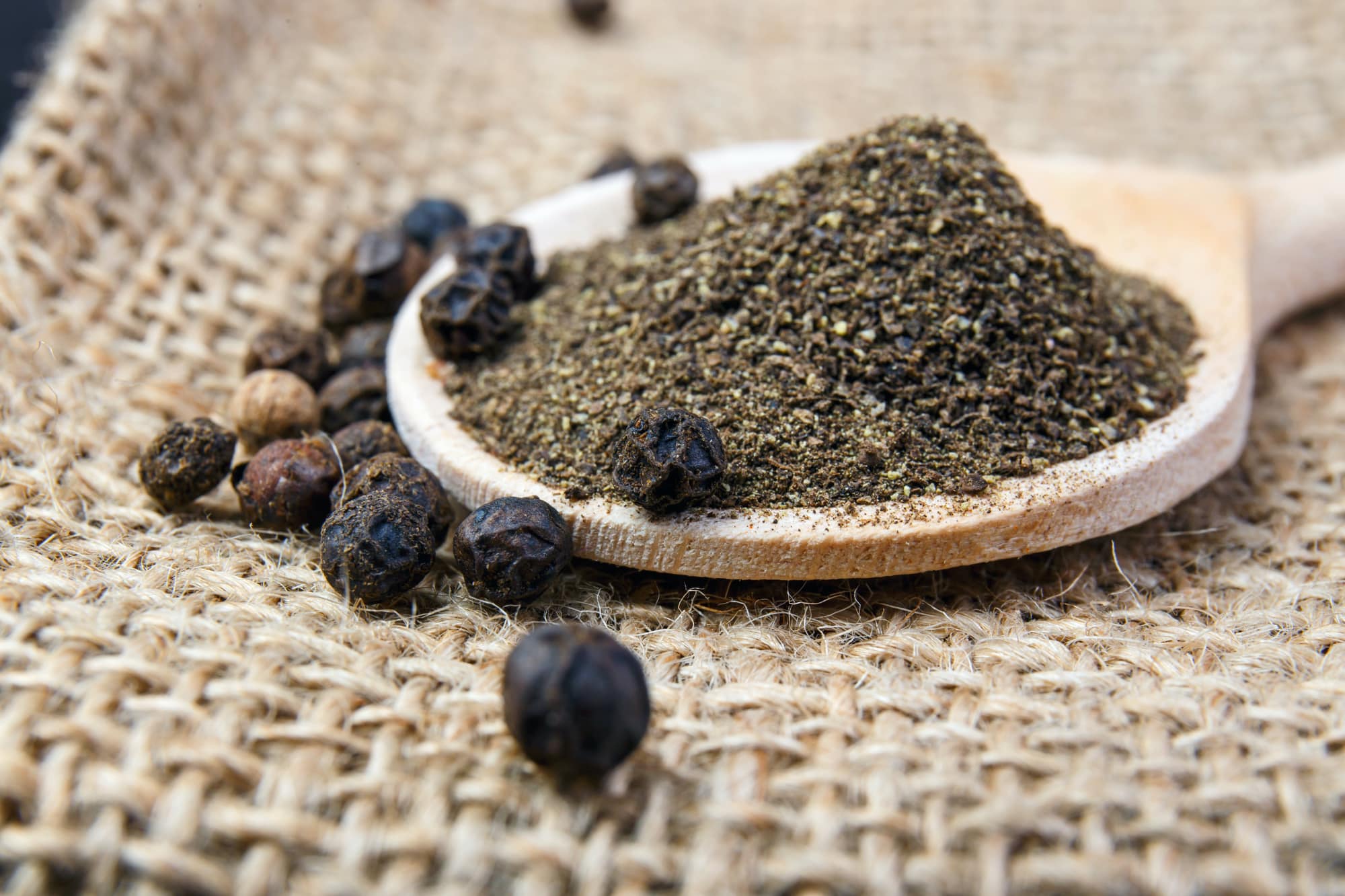
Spices contain essential oils—volatile compounds that contribute to their aroma and flavor profile. For instance, black pepper contains piperine, an oil that is responsible for its characteristic heat. When you grind a spice, these oils are released into the air, triggering your sense of smell and contributing to the flavor you experience.
Freshly ground spices have higher concentrations of these volatile compounds, which is why they taste more robust. Over time, these essential oils evaporate, which is why pre-ground spices often seem lackluster in comparison.
Oxidation and Loss of Flavor
Once spices are ground, they are exposed to air, and this exposure triggers oxidation. Oxidation is a chemical reaction that occurs when oxygen molecules interact with compounds in the spice, often leading to the degradation of flavor. In the case of ground spices, this means that they lose their punch relatively quickly.
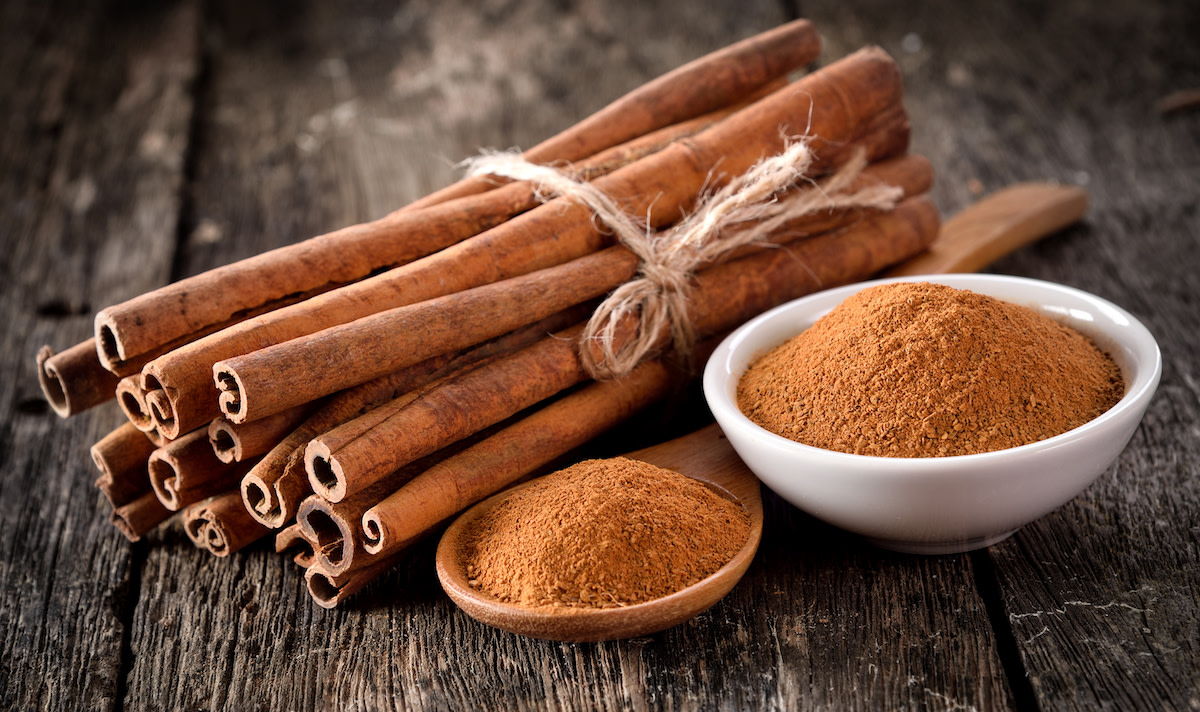
Whole spices, on the other hand, have a protective outer shell, which prevents air from interacting with the inner volatile oils. This shield helps preserve the flavors and ensures they stay potent longer. A whole cinnamon stick, for example, retains its sweet, aromatic oils for much longer than cinnamon powder.
The Importance of Freshness
The freshness of a spice directly affects its flavor intensity. Think of it like fruit: a fresh mango will taste more vibrant and juicy than one that’s been sitting out for days. The same goes for spices. When you grind them fresh, you release oils and compounds that have not yet had the chance to degrade. As a result, the flavor profile of freshly ground spices is more complex and intense. In culinary terms, this means a little goes a long way when cooking with freshly ground spices.
Sensory Experience: The Difference in Flavor and Aroma
The Nose Knows
The sense of smell plays a crucial role in how we perceive flavor. Our olfactory system can detect thousands of different scents, and this contributes to the way we experience taste. When you grind a spice fresh, you’re not just changing its taste; you’re enhancing its aroma, which directly influences its flavor.
Freshly ground spices have an aromatic intensity that pre-ground ones simply can’t match. Consider the act of grinding black pepper: as you twist the mill, a burst of fragrant oil is released, infusing the air with pepper’s sharp, spicy scent. This aromatic boost plays a crucial role in how your brain interprets the spice’s flavor. A freshly ground spice, with its robust fragrance, will seem much more lively on your palate.
The Taste of Freshness
The flavor of freshly ground spices tends to be more complex and layered compared to their pre-ground counterparts. This complexity is a result of the numerous volatile compounds that are released during grinding. Pre-ground spices, on the other hand, may have lost some of their volatile oils through oxidation or improper storage, resulting in a more one-dimensional flavor.
For example, freshly ground coriander has a citrusy, almost floral note that fades from pre-ground coriander. Similarly, freshly ground nutmeg adds an earthy sweetness to desserts, while the pre-ground version may taste somewhat flat or stale.
Culinary Advantages of Freshly Ground Spices
:max_bytes(150000):strip_icc()/ses-coffee-grinders-test-krups-silent-vortex-electric-rkilgore-10-06-ed274f4d63834f06be86816df577cfaf.jpeg)
More Control Over Your Dish
When you grind spices fresh, you have greater control over the flavor and texture of your dish. By adjusting the coarseness of your grind, you can vary the intensity and distribution of flavor. A fine powder of cumin, for instance, will blend smoothly into a sauce, while a coarser grind will create bursts of flavor in a dry rub or spice mix. This level of control can elevate your cooking, ensuring that each spice adds exactly what you want.
Maximizing the Potential of Each Spice
Some spices benefit from grinding more than others. Hard spices like cinnamon, cloves, and nutmeg release their flavor more effectively when ground fresh. Similarly, peppercorns, cardamom pods, and coriander seeds pack a punch when ground at the time of use. These spices are often more pungent and aromatic than their pre-ground versions because the oils are locked inside the whole spice and only released when ground.
Additionally, many recipes call for whole spices that need to be ground before use, such as garam masala or curry powder. Grinding these spices fresh ensures that their flavors are maximized, enhancing the complexity of your dish.
Fresh Spice, Fresh Dishes
A freshly ground spice adds a layer of authenticity to your cooking. Imagine a rich curry, where the fragrance of freshly ground cumin, coriander, and turmeric rises from the pot, or a cinnamon-laced dessert where the warm aroma fills the room. There’s something about freshly ground spices that imparts an additional level of care and attention to your dish.
Furthermore, freshly ground spices often pair better with the overall flavor profile of a dish. A fresh grind ensures that the spice maintains its true character, whereas pre-ground spices may taste flat or muddled.
The Practical Side of Freshly Ground Spices
Grinding Tools
To reap the benefits of freshly ground spices, you’ll need the right tools. There are a variety of spice grinders available, from manual mills to electric grinders. For those serious about cooking, a mortar and pestle is often preferred, as it allows you to control the grind size and avoid the heat that may be produced by some electric grinders. While electric grinders are fast and convenient, they sometimes generate heat that can affect the quality of the spices.
For the home cook, a basic spice grinder or pepper mill is usually sufficient. When selecting a grinder, look for one that can handle a variety of spices and allows for easy adjustment of the grind size. This way, you’ll have maximum flexibility in your cooking.
Storing Whole vs. Ground Spices
If you want to preserve the quality of your freshly ground spices, storage is key. Whole spices should be stored in airtight containers in a cool, dark place. Grinding only what you need ensures that you retain the maximum amount of flavor. On the other hand, pre-ground spices should also be stored in airtight containers, but their flavor will still degrade faster than whole spices, especially if exposed to light, heat, or humidity.
Conclusion: Why Freshly Ground Spice Matters
Freshly ground spices bring a world of difference to cooking. They deliver more intense, complex flavors and richer aromas that enhance your culinary creations. The release of essential oils, the control over grind size, and the potential for heightened freshness all contribute to a more satisfying and flavorful cooking experience. Whether you’re making a savory stew, a fragrant curry, or a delicate dessert, using freshly ground spices will elevate your dish to the next level.
In a world where time is often precious, investing in a good spice grinder and taking the time to grind your spices fresh can make all the difference between a good meal and an extraordinary one. So next time you reach for that jar of pre-ground spice, remember that a little extra effort could turn your dish into something truly spectacular.