




Introduction: Reimagining the Role of Dessert
Dessert has traditionally been the sweet, comforting finale to a meal—a treat that signals the end of a satisfying culinary experience. From warm apple pies to decadent chocolate cakes, desserts have been reserved as the crowning glory of a multi-course meal. Yet, in recent years, the lines between appetizers, mains, and desserts have begun to blur. A growing trend in both home kitchens and high-end restaurants challenges the conventional notion that dessert must always be a sugary afterthought. The idea that dessert can serve as a main course is not only gaining traction, but it also opens up a fascinating conversation about food, creativity, and the evolving role of sweets in our dining habits.
A Historical Look at Dessert
To understand how dessert can evolve into a main course, it’s important to examine its historical roots. In most cultures, dessert originated as a simple fruit or sweet dish served after a hearty meal, designed to cleanse the palate. The concept of a “dessert” as we know it today, rich in sugar and dairy, was popularized in Europe during the Renaissance. By the 18th century, desserts such as pastries, tarts, and custards became intricate, elaborately crafted confections that signified wealth and prestige.
While desserts remained a side dish or final course in traditional European meals, other cultures have long used sweet and savory combinations in their main courses. In countries like Japan, China, and Morocco, foods with elements of sweetness—such as sweet soy sauces, fruits, or spices—are often incorporated into savory dishes. This blending of flavors has led to a shift in how we think about dessert: not as a simple finale, but as an ingredient that can take center stage in a more complex culinary experience.
Dessert as a Main Course: A Conceptual Shift
The concept of dessert as a main course challenges traditional assumptions. After all, a “main course” typically signifies a hearty, filling dish with the capacity to sustain us for hours. However, the world of food is evolving, and many chefs are experimenting with desserts that offer both substance and creativity. These dishes often incorporate savory elements, unexpected flavors, and substantial ingredients that challenge our preconceived notions of what dessert can be.
Savory Sweets: The Fusion of Flavors
One of the most significant ways that desserts are being transformed into main courses is through the use of savory ingredients. For example, consider the combination of chocolate and chili—once thought of as a combination that should remain confined to the dessert plate. Today, it’s not uncommon to see chocolate paired with meats, cheeses, or rich broths in avant-garde restaurants. A chili-infused chocolate cake with a hint of smoky paprika might not be out of place as a main dish.
Another example of savory-sweet fusion can be found in the use of fruits like mango, pineapple, and figs. In many cultures, these fruits are paired with meats and grains, making them the centerpieces of the main course rather than a sweet side dish. Consider Moroccan tagines, which often feature dried fruits like apricots or dates combined with lamb or chicken. These dishes not only challenge the idea of a “dessert,” but also show how fruits traditionally considered dessert ingredients can become part of a heartier meal.
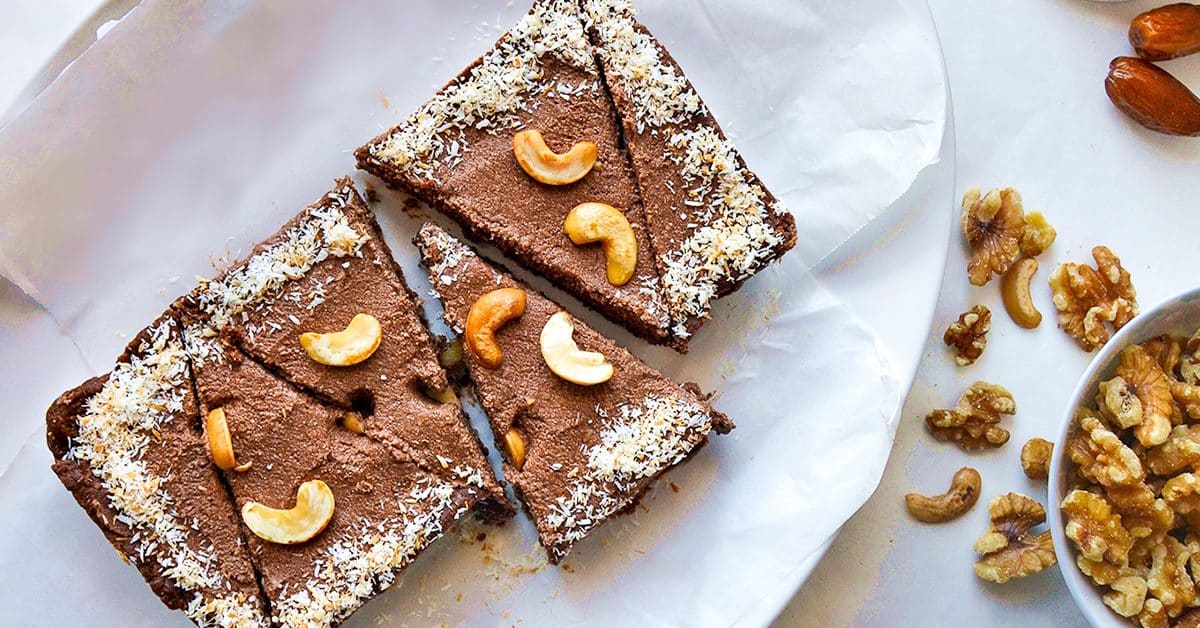
The Return to Simplicity: Comfort Food Desserts as Mains
While savory desserts might push boundaries, there’s also a more subtle way in which sweets are becoming main courses: comfort food desserts. These dishes tap into a deep sense of nostalgia, combining familiar flavors and textures in ways that provide both comfort and sustenance. Think of a classic bread pudding or a warm rice pudding—dishes that are sweet enough to be desserts but hearty enough to be considered a main course.
Bread pudding, for example, uses bread—an ingredient traditionally associated with the main course—alongside milk, eggs, and sugar to create a filling dish that works equally well as a breakfast, lunch, or dinner. The richness of the bread combined with the custard-like consistency of the pudding makes it substantial enough to be considered a main dish. Similarly, rice pudding, which traditionally features sweetened rice cooked with milk, has the versatility to serve as both a dessert and a main course, depending on how it’s prepared.
These desserts have evolved to become more than just the sweet ending to a meal. They are dishes that can stand on their own as filling, satisfying fare.
Protein-Packed Desserts: From Sweet to Savory
Another fascinating direction for dessert-as-main-course dishes is the inclusion of protein-rich ingredients typically reserved for savory dishes. While traditional desserts focus on sugar and fat, modern interpretations are experimenting with protein-packed elements such as eggs, nuts, and legumes. Take, for example, a classic soufflé—once thought of as a light, fluffy dessert—it can easily be adapted into a main course by using ingredients like smoked salmon, goat cheese, or even lentils.
Consider also the emergence of desserts that incorporate beans or chickpeas, often found in Mediterranean and Middle Eastern cuisines. For instance, chickpea-based cakes, such as those made with ground chickpeas and honey, can offer both sweetness and heartiness. Not only does this shift in ingredients make these desserts more filling, but it also opens up opportunities to experiment with texture and flavor in unique ways. A sweet chickpea dessert might be topped with tangy yogurt and fresh herbs, offering a balanced, nourishing meal.
Dessert-Inspired Main Courses: Culinary Creativity at Play

Chefs around the world are using the language of dessert to craft main courses that delight the palate and engage the senses in unexpected ways. They are taking familiar desserts and turning them into complex dishes that offer depth and intrigue. For example, a deconstructed cheesecake could include a rich, tangy filling paired with savory elements such as a smear of olive tapenade or roasted vegetables, bridging the gap between dessert and main course.
Similarly, the idea of an ice cream sandwich can be elevated into something that could easily be considered a main course. Instead of cookies, the “bread” could be thinly sliced roasted sweet potatoes, and the ice cream could be replaced with a savory, herbed ricotta, providing both a contrast in temperature and flavor. The combination of cold and warm, creamy and savory, offers a unique eating experience that goes far beyond the traditional concept of dessert.
The Rise of Plant-Based Desserts as Main Dishes
With the growing popularity of plant-based diets, many dessert-based main courses are being created around vegetables, fruits, and grains. Think of a beetroot and chocolate cake—a decadent dessert that, when prepared in large portions and paired with a light salad or fresh herbs, becomes a fulfilling main course. Similarly, roasted vegetable tarts, often featured as savory dishes, can also be transformed into desserts with the addition of elements like caramelized onions, figs, or a drizzle of balsamic glaze. These plant-based dishes highlight the versatility of ingredients traditionally used in desserts but used in more substantial, savory contexts.
Breaking Boundaries: Dessert as Main Course in Modern Fine Dining
High-end restaurants have been particularly instrumental in blurring the lines between main courses and desserts. At fine dining establishments, the boundaries of what constitutes a main course or a dessert are often pushed to their limits. An example of this can be found in the concept of a “dessert tasting menu,” where guests are presented with savory dishes that are inspired by the flavors and textures typically found in desserts.
For instance, a plate might feature a delicate sorbet made from vegetables like tomatoes or cucumbers, served alongside a savory mousse made from foie gras. These innovative dishes play with our expectations and redefine the concept of a “main course.” They remind us that food is an art form, and sometimes the most exciting creations come from breaking down conventional barriers.
The Benefits of Dessert as a Main Course
What are the benefits of treating dessert as a main course? For one, it offers an opportunity to engage with food in new and exciting ways. By experimenting with dessert-inspired dishes that offer both sweetness and substance, chefs and home cooks alike can create meals that are both satisfying and unexpected. Additionally, this trend allows for greater flexibility in meal planning. Imagine serving a savory dessert-inspired dish for dinner: it challenges the norm and offers a unique experience for guests.
Moreover, turning dessert into a main course can also cater to dietary preferences. Many of the contemporary twists on dessert-as-main-course dishes use plant-based, gluten-free, and low-sugar ingredients, allowing for more inclusive dining experiences. Whether you’re serving a dairy-free chocolate mousse or a savory fruit-and-nut-studded quinoa cake, there’s potential for desserts to cater to a wide variety of dietary needs while still providing nourishment.
Conclusion: The Future of Dessert as a Main Course
As we continue to explore the intersection of sweet and savory, there’s no doubt that dessert as a main course will continue to evolve. Whether through the integration of savory flavors, the addition of plant-based ingredients, or the inventive combinations that challenge traditional concepts of cuisine, desserts are increasingly being recognized as more than just an afterthought. They are becoming stand-alone, satisfying dishes capable of carrying an entire meal.
In this ever-changing culinary landscape, the question “Can dessert be a main course?” is no longer just theoretical. It’s a challenge, a creative experiment, and a new way to think about food. As long as chefs and home cooks remain open to the possibilities of flavor, texture, and presentation, dessert will continue to surprise us—moving from sweet endings to the beginning of something entirely new.