



In the world of cooking, we often find ourselves obsessing over the balance of flavors, the careful selection of ingredients, and the precise techniques that define a dish. But sometimes, it’s the smallest change—one humble ingredient—that can completely alter the character of a meal. The idea of a single ingredient transforming a dish is not only fascinating but also a testament to the power of simplicity. By introducing an unexpected component, even a familiar recipe can become extraordinary. In this exploration, we’ll delve into how a single ingredient can dramatically elevate, innovate, or even redefine a dish.
The Power of Simplicity: Why One Ingredient Matters
Culinary traditions across the world emphasize the importance of balance. A pinch of salt can enhance the sweetness of fruit, while a dash of acid can cut through the richness of a fatty dish. This simple truth points to the fact that one ingredient, though it may seem small in isolation, can make an enormous difference when introduced at the right moment.
One such example is the use of acid. A dash of lemon juice or a splash of vinegar can completely transform a heavy, rich dish by cutting through its fat, providing brightness and freshness. This is why acid often plays a key role in balancing the flavors of a dish. A delicate vinaigrette, for instance, can turn a simple bowl of mixed greens into an irresistible plate, adding a level of sophistication with just a spoonful of vinegar. Similarly, a few drops of citrus juice can lift the richness of a cream-based pasta sauce, turning it from indulgent to elegant.
However, it’s not just about balance. A single ingredient can bring unexpected flavors or textures into play, creating a dish that stands out for its originality and complexity.
Classic Examples of Single Ingredient Transformations
1. The Magic of Truffle Oil in Pasta
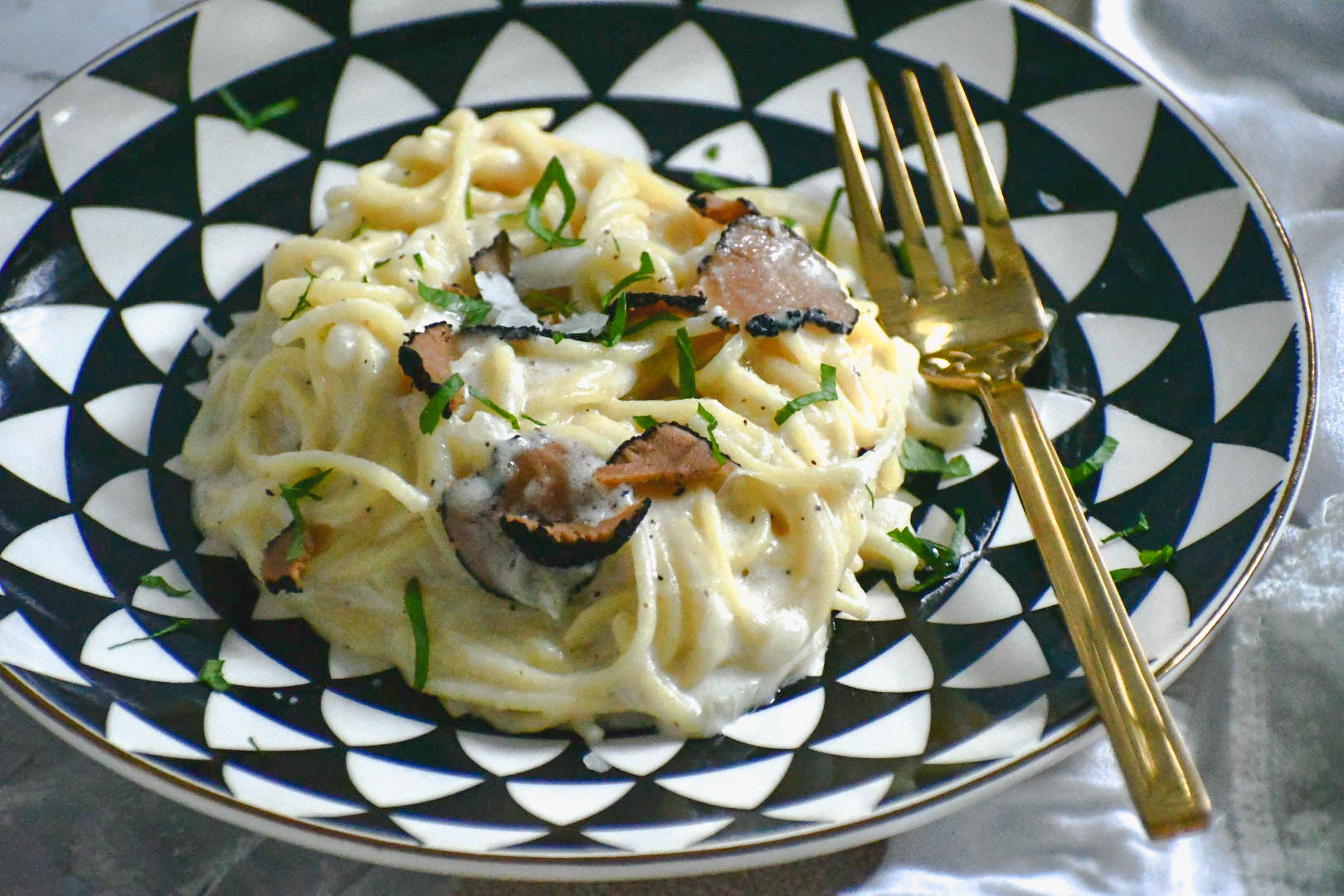
Truffle oil is one of those ingredients that has a magical ability to transform an otherwise simple dish into something extraordinary. A drizzle of truffle oil over a plate of pasta can elevate the entire experience. The earthy, musky aroma of the truffle blends with the pasta’s subtle flavor, giving the dish a depth and complexity that would otherwise be hard to achieve.
The key to its transformative power lies in how it interacts with other ingredients. Truffle oil complements cream sauces like Alfredo, giving them an earthy richness that feels luxurious. On the other hand, when paired with olive oil and a sprinkle of Parmesan, it adds a sophisticated twist to a classic Aglio e Olio.
2. Saffron and Its Profound Effect on Rice Dishes
Saffron, often considered one of the most expensive spices in the world, is an ingredient that can completely alter the flavor profile of a dish. Its floral, slightly sweet notes pair perfectly with rice, lending both color and complexity to the dish. The iconic paella is a perfect example of how saffron can elevate a relatively simple combination of rice, vegetables, and seafood into a rich, aromatic dish that feels indulgent without overwhelming the palate.

Even in the simplest dishes like risotto, saffron can have a profound effect, transforming the creamy rice into something exotic and memorable. A pinch of saffron threads can turn an everyday meal into a celebration of flavors.
3. Vanilla in Savory Dishes
While vanilla is often associated with desserts, its use in savory dishes can be equally transformative. Vanilla brings an unexpected sweetness and complexity to savory meals, particularly in combination with rich, fatty ingredients. Imagine a roasted chicken seasoned with vanilla beans, or a pork loin marinated in a vanilla-infused glaze. The subtle sweetness of the vanilla enhances the natural flavors of the meat without overwhelming it.
Chefs have long recognized the potential of vanilla in savory contexts, often pairing it with bold ingredients like balsamic vinegar, mustard, or even curry. The addition of vanilla can make even the most standard recipes feel new, sophisticated, and inventive.
4. The Bold Flavor of Smoked Paprika in Stews and Soups
Smoked paprika is a potent ingredient that has the ability to transform the most basic of stews and soups. With its deep, smoky flavor and vibrant red color, smoked paprika can add complexity to dishes without needing the addition of a myriad of other spices. It’s particularly transformative in dishes like goulash, chili, or tomato soup.
A simple vegetable stew, when sprinkled with smoked paprika, becomes a hearty and comforting dish, rich with smoky undertones. The beauty of smoked paprika lies in its versatility—it can turn a simple weeknight dinner into a meal that feels like a carefully crafted creation.
Breaking the Norm: Creative Ingredient Combos That Surprise
While individual ingredients can be transformative on their own, pairing them with unexpected counterparts can open up even more possibilities. Consider these unusual but highly effective combinations:
5. Chocolate in Chili
Chocolate might seem an unlikely ingredient in a savory dish, but in chili, it’s a game changer. A small amount of dark chocolate added to a pot of chili deepens the flavor, enhancing the richness of the beef or pork while adding a hint of bittersweetness that complements the spice. The chocolate balances the heat from the chili peppers and lends a velvety texture to the dish. It’s an ingredient that transforms the chili from a simple stew to a complex, multi-layered experience.
6. Honey in Blue Cheese
Incorporating honey into the sharp, tangy profile of blue cheese creates a symphony of flavors. The sweetness of honey tames the intensity of the cheese while enhancing its creamy texture. A drizzle of honey over a blue cheese salad, paired with walnuts or pear slices, creates an exquisite balance of sweet, salty, and savory. The contrast between the two ingredients is unexpected, but the combination is incredibly harmonious.
The Science Behind Flavor Transformations
While culinary artistry often appears to be about intuition and instinct, there’s a lot of science at play when it comes to how ingredients interact. When you add a single ingredient to a dish, its chemical composition can interact with the other elements in surprising ways. For example, umami, often described as the “fifth taste,” can transform a dish by deepening its savory flavor profile.
Consider miso paste—a fermented soybean paste that is rich in umami. A small spoonful of miso in a soup or stew can instantly increase the depth of the dish, adding a complexity that might have taken hours to achieve otherwise. Similarly, soy sauce and fish sauce work their umami magic, intensifying the natural flavors of meats and vegetables.
Furthermore, the role of texture in cooking cannot be overstated. A dish can be radically transformed by the inclusion of an ingredient that changes the mouthfeel. Think of the crispness of fried shallots on top of a creamy dish, or the crunch of toasted nuts on a salad. These ingredients may only constitute a small portion of the dish, but they elevate the entire eating experience by introducing a contrast that adds intrigue.
Transforming the Ordinary Into the Extraordinary
One of the most exciting aspects of cooking is how it allows us to play with familiar ingredients, pushing their boundaries. For example, roasted garlic is a simple ingredient that transforms any dish it touches. The process of roasting softens its sharpness, giving it a sweetness that can be spread on bread, blended into sauces, or stirred into mashed potatoes. What was once a pungent, bold flavor becomes a mellow, rich accent in the dish, offering a profound transformation in flavor.
Similarly, citrus zest can offer a burst of fresh, aromatic notes that completely shift the energy of a dish. The zest of a lemon or orange can transform an otherwise plain roast chicken or vegetable medley into something lively and bright, bringing the dish to life with just a few quick grates of zest.
Even within the confines of a single dish, a single ingredient can be the catalyst for change. Adding a dash of cayenne pepper to a standard scrambled egg transforms the mild, creamy texture into a spicy, vibrant creation. Just a pinch of cinnamon can turn a basic bowl of oatmeal into a comforting, warming dish, instantly changing its flavor profile and texture.
Conclusion: Less is More
The allure of a single transformative ingredient is that it’s not about overcomplicating a dish with an abundance of components. Instead, it’s about recognizing the inherent power of individual ingredients and understanding how they interact with others to bring out the best in a meal. The beauty of cooking lies in how a small shift—a dash of salt, a sprinkle of saffron, or a splash of vinegar—can elevate a dish from the ordinary to the extraordinary.
By experimenting with single ingredients, whether they’re bold or subtle, home cooks and chefs alike can reimagine their favorite recipes and discover new flavor combinations that delight the senses. At the end of the day, it’s not about using the most ingredients, but about understanding how to let a single one shine.