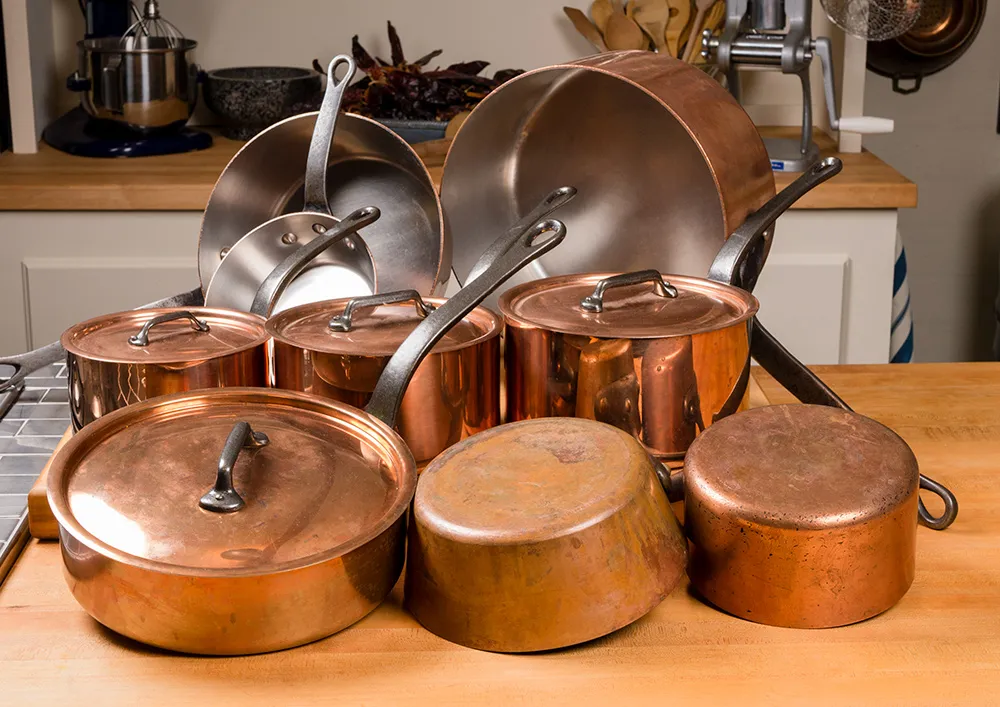




Cooking is an art. The tools we use, from our knives to our cookware, play an integral role in the quality of the dishes we create. One such tool that has been highly regarded throughout history is copper pots. Known for their stunning aesthetic and claimed cooking benefits, copper cookware has long been a staple in gourmet kitchens around the world. But the question remains—does cooking with copper pots truly make a difference, or is it just another trend fueled by marketing and tradition?
In this article, we will explore the key benefits, drawbacks, and facts about cooking with copper pots. We will also delve into the science behind their performance, their impact on different types of cooking, and whether they are worth the investment.
A Brief Introduction to Copper Cookware
Copper cookware is a beautiful sight in any kitchen. The rich, shiny color of copper is a clear indication of quality, and for centuries, it has been used in some of the world’s best kitchens. From French patisseries to high-end restaurants, chefs have relied on copper pots to prepare exquisite dishes with precision.
Copper itself is a highly conductive material, meaning it transfers heat exceptionally well. But does that conductivity translate to a better cooking experience? And more importantly, does it affect the quality of your food?
Before we delve into the specifics, let’s take a closer look at copper cookware’s construction and its unique properties.
Copper’s Unique Properties
- Heat Conductivity
Copper is one of the most heat-efficient metals available. Unlike many other materials, it distributes heat evenly and quickly, which helps prevent hot spots that can cause food to cook unevenly. This property makes copper cookware especially popular for delicate dishes that require precise temperature control, such as sauces and sweets. - Thermal Reactivity
Copper reacts to heat changes much faster than other metals. As a result, once you adjust the heat, the pan cools or heats up quickly. This feature gives cooks more control over the cooking process, making copper pots ideal for recipes that require temperature precision, like candy-making or caramelization. - Aesthetics and Durability
Copper pots are undeniably beautiful. Their gleaming exterior often features a polished or hammered texture, giving them an elegant and rustic appeal. Beyond looks, copper is a durable material when properly maintained, lasting for generations. However, to retain its luster, copper requires periodic polishing.
Benefits of Cooking with Copper Pots
Now that we know about copper’s properties, let’s explore why so many chefs and home cooks swear by copper cookware.
1. Excellent Heat Control
One of the primary reasons copper cookware is revered by chefs is its exceptional heat control. Unlike cast iron or stainless steel, copper responds almost instantly to changes in heat. This rapid heat transfer makes it easier to maintain the perfect cooking temperature, which is particularly helpful for sensitive recipes like sauces, risottos, or eggs. When you’re working with a high-precision dish, the ability to adjust the heat immediately is a real game-changer.

2. Even Cooking and Avoiding Hot Spots
Copper’s superior heat conductivity means that the heat spreads evenly across the bottom and sides of the pot. This eliminates hot spots, which are a common problem with cookware made from materials like stainless steel or aluminum. Hot spots can cause uneven cooking, which leads to burnt food in some spots while other areas remain undercooked. With copper, you can say goodbye to these frustrating problems and achieve consistent, even results every time.
3. Faster Cooking Time
Because copper heats up quickly and evenly, cooking times can be reduced. For example, when preparing a delicate sauce or a slow-cooked dish, copper’s rapid heat response helps speed up the cooking process, saving you time in the kitchen.
4. Aesthetic Appeal
There’s no denying the visual appeal of copper cookware. Its warm glow and polished surface make it a statement piece in any kitchen. Copper pots often take center stage when hung from kitchen racks or displayed on shelves. Whether you’re cooking in front of an audience or just enjoying a homemade meal, copper adds an element of beauty and luxury to your kitchen space.
5. Increased Flavor Control
When cooking with copper, the immediate response to temperature changes allows you to have better control over the flavors in your dish. For example, when cooking a caramel sauce, the quick and even distribution of heat ensures that you avoid burning the sugar while still allowing it to reach the perfect consistency. With copper cookware, achieving nuanced flavors becomes easier, as the temperature can be finely tuned.
Drawbacks of Copper Cookware
While copper cookware certainly has its merits, it is not without its drawbacks. It’s important to consider both the pros and cons before making any purchase.
1. Costly Investment
Copper pots and pans tend to be more expensive than their stainless steel or nonstick counterparts. The cost is often justified by their performance and longevity, but for home cooks on a budget, it may not always be an accessible choice. The investment can range significantly based on the quality of the copper and the brand.
2. Requires Maintenance
Copper cookware, while stunning, requires more maintenance than other types of cookware. Over time, copper tarnishes and loses its shine, and it can develop a patina. To maintain its gleaming appearance, copper pots need to be polished regularly. Additionally, copper cookware is often lined with stainless steel or tin to prevent direct contact with food, which means that over time, this lining can wear out and may need to be replaced.
3. Reactive Nature of Copper
Copper reacts with acidic foods, such as tomatoes or vinegar, which can lead to discoloration or a metallic taste in your food. Most high-quality copper cookware is lined with a layer of stainless steel or tin to prevent this reaction. However, if the lining gets damaged, the copper will come into direct contact with your food, which could affect the taste and the food’s safety.
4. Weight
Copper cookware is often heavier than aluminum or stainless steel, which could be a factor to consider if you plan to use the pots and pans frequently. While this may not be a problem for seasoned chefs, home cooks might find the weight cumbersome.
5. Possible Health Concerns
While rare, excessive exposure to copper can lead to health issues. Copper poisoning is extremely uncommon in modern cookware, as it’s usually lined with stainless steel. However, when buying vintage copper pots or poorly made copper cookware, there may be a risk if the pot is not properly lined.
Copper Cookware for Specific Cooking Techniques
Not all cooking methods are suited to copper pots. Let’s look at some of the specific dishes and cooking techniques that benefit most from using copper cookware.
1. Sauces and Soups
When making sauces, especially delicate ones like hollandaise, béchamel, or chocolate sauce, copper’s rapid response to temperature adjustments ensures that your sauce doesn’t overcook or split. The even heat distribution allows for precise control over the cooking process, preventing mistakes and ensuring a silky, smooth texture.
2. Candy Making
Candy-making requires consistent, even heat, and copper excels in this area. Whether you’re making fudge, caramel, or hard candy, copper cookware allows you to manage the temperature precisely, which is key in candy making. The even heat prevents sugar from crystallizing prematurely, allowing you to achieve the perfect consistency every time.
3. Searing Meat
While copper pans are excellent at distributing heat, their lightweight nature can make them less ideal for searing meats like steak. However, if you’re looking for an even and quick heat source, a copper skillet can give you excellent results for shallow frying or quick searing. Just be sure to maintain the temperature so your meat doesn’t overcook.
4. Braising and Slow Cooking
Copper cookware can also excel when it comes to low and slow cooking, such as braising meats or making stews. The quick response time to heat changes means you can easily adjust the temperature to maintain a steady simmer, which is crucial when cooking tougher cuts of meat or slow-cooked dishes.
Is Copper Cookware Worth the Investment?
Ultimately, the decision to invest in copper cookware depends on your cooking style, budget, and preference. Copper pots do offer distinct advantages in terms of heat control, even cooking, and aesthetics. However, the maintenance required and the higher price tag may make them less appealing to some.
If you are a serious cook who values precision, enjoys experimenting with delicate dishes, or wants a set of cookware that will last for generations, then copper pots are definitely worth considering. For the average home cook, however, there may be more affordable alternatives that can still provide good results without the need for constant care.
Conclusion
Cooking with copper pots certainly makes a difference when it comes to heat control, even cooking, and achieving precise results. While they may require more maintenance and come with a higher price tag, the performance and aesthetic appeal of copper cookware can justify the investment for those who take cooking seriously.
If you’re interested in experiencing the unique advantages of copper pots, it’s worth starting with a few key pieces—such as a copper saucepan or sauté pan—and see how it enhances your cooking experience. After all, cooking is about more than just the food; it’s about the experience, the tools, and the artistry.