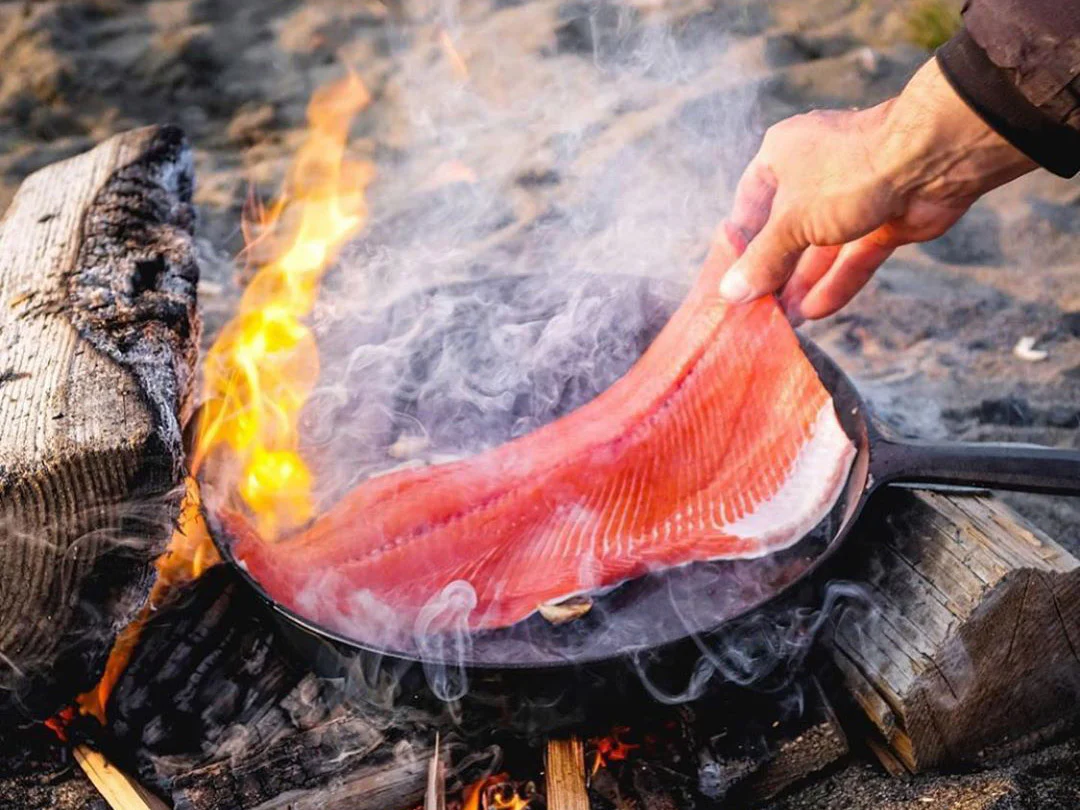




Cast iron pans have been a staple in kitchens for centuries. From early American settlers to world-class chefs, cast iron’s versatility, durability, and unique cooking properties have earned it a cherished place in homes and restaurants around the globe. However, the question remains: Are cast iron pans worth the investment?
In this article, we’ll explore the advantages and disadvantages of cast iron cookware, whether it’s really worth the price, and how to make the most of your investment. Along the way, we’ll touch on everything from its history to care tips, and you’ll learn how cast iron pans can elevate your cooking experience.
1. The Enduring Allure of Cast Iron
Before diving into the pros and cons of cast iron cookware, it’s important to understand why cast iron pans have survived the test of time.
History and Heritage
Cast iron pans have been in use for more than 2,000 years. The earliest versions of cast iron cookware were used in China during the Han Dynasty (around 200 B.C.). These pans were heavy and rugged, built for durability rather than elegance.
Fast forward to the 17th century, and cast iron had made its way into Europe and, eventually, North America. The traditional black cast iron skillet became a signature piece in many homes, especially in the American South, where it was prized for its ability to evenly distribute heat and withstand intense temperatures.
Even today, many cast iron pans are passed down through generations, often developing a patina and seasoning that only adds to their charm. This rich history alone makes cast iron cookware more than just a kitchen tool; it’s a cultural artifact, a piece of heritage.
2. Why Choose Cast Iron?
Cast iron cookware is known for a few standout qualities. Let’s break them down to see why so many chefs and home cooks swear by them.
a. Unbeatable Heat Retention and Distribution
One of the biggest advantages of cast iron is its ability to retain and evenly distribute heat. Unlike some other materials, cast iron heats slowly and evenly, which prevents hot spots that can lead to uneven cooking.
This feature is particularly useful for frying, searing meats, or baking cornbread. The heat retention means your food continues to cook for a longer period, even after you’ve removed the pan from the heat source.
b. Nonstick Properties (When Seasoned)
When properly seasoned, cast iron pans develop a natural nonstick surface. This seasoning comes from the layer of oil that bonds to the pan when heated, creating a slick surface that gets better with each use. Over time, cast iron pans become increasingly nonstick, which is one of the main reasons people choose them for frying or cooking delicate foods like eggs or fish.

c. Durability and Longevity
Cast iron pans are nearly indestructible when properly cared for. Unlike aluminum or nonstick pans, cast iron can last a lifetime—or longer—often being passed down to future generations. With proper seasoning and care, they can withstand years of heavy use without losing their functionality.
d. Versatility in Cooking
Whether you’re searing, baking, frying, or roasting, cast iron can do it all. Many cast iron skillets are oven-safe and can transition seamlessly from stovetop to oven, making them ideal for recipes that require a combination of both cooking methods. This versatility makes it a favorite among professional chefs.
e. Natural Iron Infusion in Your Diet
Cooking with cast iron can increase the iron content of your food, especially when preparing acidic dishes like tomato sauce. While the amount of iron released into the food is generally small, it’s a bonus for those looking to boost their iron intake naturally.
3. The Drawbacks of Cast Iron Pans
Despite their many advantages, cast iron pans do have a few drawbacks. Let’s explore some of the challenges of using and maintaining cast iron cookware.
a. Heavy Weight
One of the most common complaints about cast iron is its weight. These pans are significantly heavier than other types of cookware, which can make them challenging to handle for some users, especially when the pan is full of food.
b. Requires Proper Maintenance
Cast iron pans require more maintenance than nonstick or stainless steel pans. They need to be seasoned regularly to maintain their nonstick surface and prevent rust. Additionally, they should be dried immediately after washing to avoid corrosion. While this maintenance isn’t difficult, it can be time-consuming and might not be suitable for everyone.
c. Reactive to Certain Foods
Cast iron is reactive to acidic foods, such as tomatoes or vinegar-based sauces. This means that cooking these types of dishes in a cast iron pan can sometimes leave a metallic taste in the food and damage the seasoning on the pan.
d. Takes Time to Heat Up
Cast iron takes longer to heat up compared to other cookware like aluminum or stainless steel. While this is a pro in terms of heat retention, it can be a disadvantage when you need to cook something quickly.
e. Price and Investment
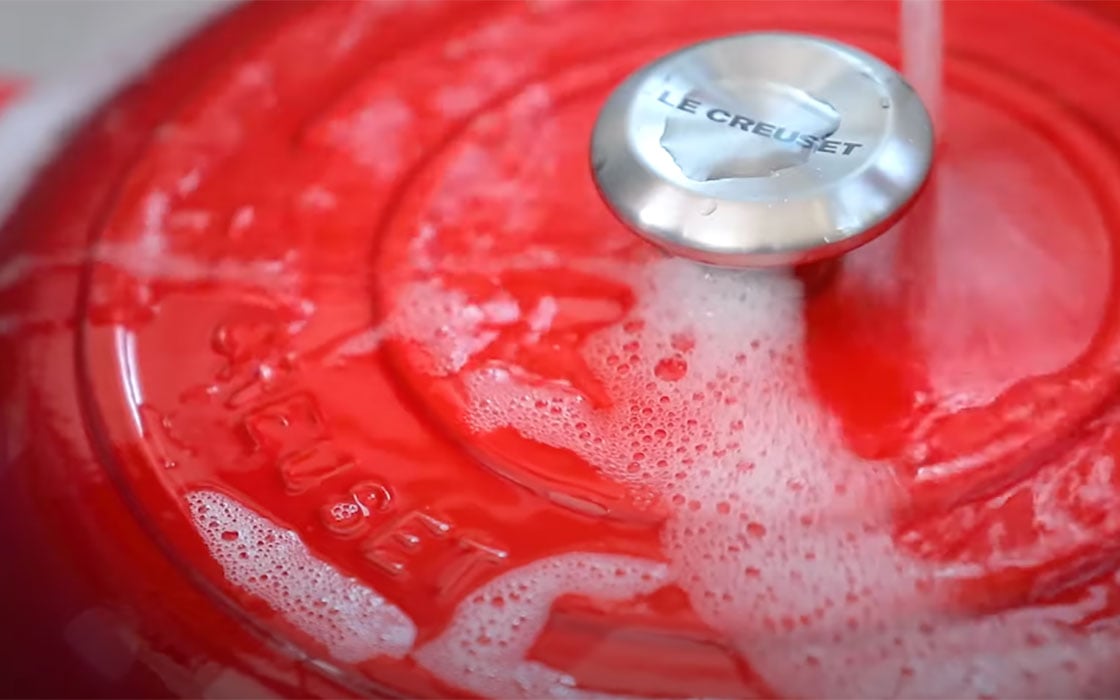
While cast iron pans are typically not as expensive as high-end cookware brands, they can still be a more significant initial investment compared to cheaper alternatives. Depending on the brand and quality, cast iron skillets can range from $20 to over $100, with premium brands like Lodge, Staub, or Le Creuset being at the higher end of the price spectrum.
4. Is a Cast Iron Pan Worth the Investment?
So, with all this in mind, is a cast iron pan worth the investment? Ultimately, the answer depends on your cooking style, needs, and preferences. Here are a few considerations that might help you decide:
a. Longevity
If you’re looking for cookware that will last a lifetime (or longer), cast iron is a solid investment. A well-maintained cast iron pan can outlive most other cookware and provide excellent performance over many years. If you enjoy cooking and are looking for a long-term investment, it’s hard to beat the value of cast iron.
b. Versatility
Cast iron pans are extremely versatile. Whether you’re roasting vegetables in the oven, frying chicken on the stovetop, or making a one-pan breakfast, a cast iron skillet can handle it all. If you appreciate flexibility in the kitchen, cast iron’s adaptability will make it an invaluable tool.
c. Cooking Performance
For tasks like searing steaks, frying eggs, or baking cornbread, cast iron can’t be beaten. Its excellent heat retention ensures even cooking, and seasoned cast iron delivers a nonstick surface that works well for most foods.
d. Caring for Your Pan
If you’re someone who doesn’t mind a bit of upkeep, a cast iron pan is definitely worth it. If you’re not keen on regular seasoning or maintenance, however, cast iron might feel like a chore.
e. Price vs. Quality
Although cast iron pans can be an investment, they are also one of the most cost-effective cookware options when you consider their durability. In comparison to high-end stainless steel or nonstick pans, cast iron offers unmatched value over the long run. You get a quality product that can last for generations at a fraction of the cost.
5. How to Take Care of Your Cast Iron Pan
If you decide to invest in a cast iron skillet, it’s essential to take care of it properly. Here’s how to get the best out of your pan:
a. Seasoning Your Pan
The most critical step in caring for cast iron is seasoning. To season a pan, coat it lightly with vegetable oil or shortening, then bake it upside down in the oven at a high temperature (around 450°F or 230°C) for an hour. This process creates a nonstick layer that improves over time with continued use.
b. Cleaning Your Cast Iron Pan
After cooking, let the pan cool before cleaning. Rinse it with warm water and scrub it gently with a non-abrasive brush or sponge. Avoid using soap, as it can break down the seasoning. If food is stuck, you can use coarse salt as an abrasive to help lift it off.
c. Drying and Oiling
Once cleaned, dry your pan thoroughly to avoid rust. Apply a thin layer of oil to prevent it from drying out and losing its seasoning. Store your pan in a dry place to avoid moisture buildup.
6. Conclusion
Cast iron pans are more than just tools—they are pieces of culinary history that offer unmatched cooking performance, durability, and versatility. While they may require more care and attention than other types of cookware, the benefits often outweigh the drawbacks.
For those who love to cook and are willing to put in a bit of maintenance, a cast iron skillet can be a worthwhile investment that will serve you for decades. Whether you’re a seasoned chef or a home cook, the classic appeal of cast iron is undeniable.