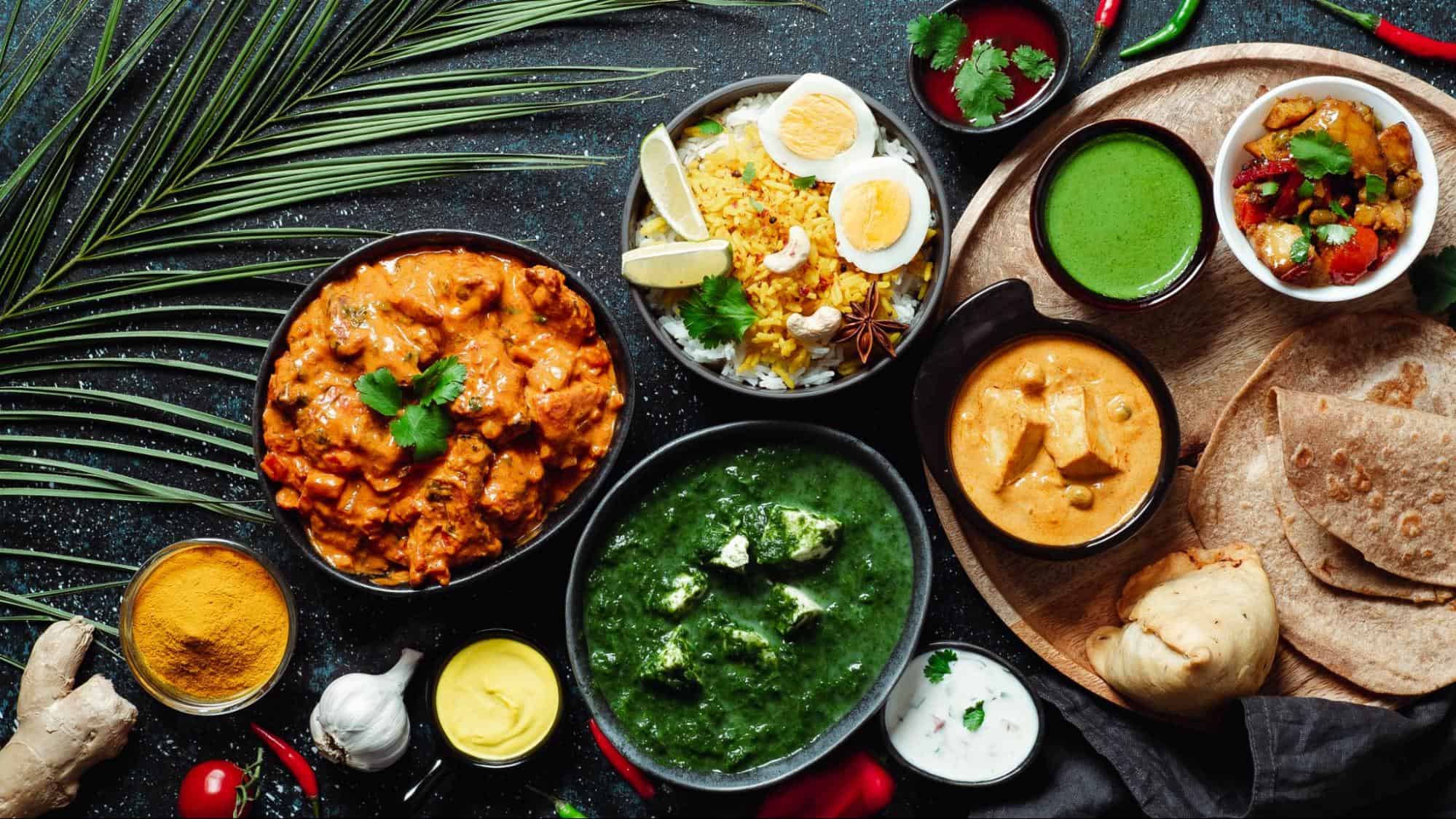




Food is more than just a means to satisfy hunger. It’s a reflection of culture, history, and geography. The diversity of cuisines around the world is vast, and what makes each cuisine unique often lies in its regional flavors. These flavors are not merely ingredients or cooking techniques but a deep connection to the land, the people, and their traditions. Understanding why regional flavors are the heart of authentic cuisine requires an exploration of the interplay between geography, history, and identity, and how each of these elements is encapsulated in the food we eat.
The Geography of Flavor: How the Land Shapes Taste
The starting point for understanding regional flavors is geography. The environment in which people live directly influences the ingredients they have access to, which in turn shapes the flavor profile of their cuisine. Regional climates, soil conditions, and topography dictate what can be grown or raised, which directly affects what is available for cooking.
Take, for example, the Mediterranean region. Its coastal climate, combined with fertile soil and a mild, temperate climate, provides an abundance of olive trees, citrus fruits, herbs like rosemary and thyme, and seafood. These ingredients define the flavors of the Mediterranean diet, with olive oil as its cornerstone. The flavors are often fresh, light, and aromatic, mirroring the landscape: sun-drenched fields and clear blue seas.
In contrast, the mountainous regions of Tibet or the high-altitude areas of the Andes have different environmental conditions. Here, hardy grains like barley and quinoa, as well as root vegetables, thrive. The flavors are heartier, with fermented foods, preserved meats, and strong broths reflecting the need for sustenance in colder, harsher climates.
Geography also affects the spices and herbs people use. The tropical regions of Southeast Asia, such as Thailand, Indonesia, and Vietnam, have access to an array of spices like lemongrass, ginger, turmeric, and chilies, creating a cuisine that is aromatic, pungent, and vibrant. The flavors of the dishes in these areas are complex, with balancing elements of sweetness, sourness, bitterness, and heat—a harmony shaped by both the available ingredients and the climate.
Historical Influences: The Taste of Tradition
While geography provides the raw materials, history gives context to how regional flavors evolve. Historical trade routes, colonialism, migration, and cultural exchanges have all played a major role in shaping regional cuisines.
The spread of spices from Asia to Europe during the Spice Trade, for example, brought exotic ingredients such as pepper, cinnamon, and saffron to the Mediterranean and beyond. These spices became integral to the flavor profile of European cuisine, particularly in regions like Spain, Portugal, and Italy, where they added depth and complexity to both sweet and savory dishes.
In the Americas, the Columbian Exchange (the transfer of goods, foods, and people between the New and Old Worlds following Christopher Columbus’s voyages) dramatically altered the flavor landscape. Indigenous ingredients like maize, tomatoes, potatoes, chili peppers, and cacao were introduced to Europe and beyond, while European foods such as wheat, sugar, and cattle found their way to the Americas. Over time, these ingredients were adapted to local tastes, leading to the creation of distinct regional cuisines such as Tex-Mex, Peruvian, and Caribbean food.

Colonialism also influenced the culinary traditions of Africa, Asia, and the Americas. European colonizers brought their cooking techniques and ingredients with them, but the fusion with local customs and ingredients led to unique regional dishes. For instance, the spicy, savory curries of the Indian subcontinent are thought to be influenced by both local spices and foreign flavors brought by the British, Portuguese, and others.
Similarly, the global history of trade and migration has created hybrid cuisines that are rich in both tradition and novelty. New York’s diverse food scene, for example, is a microcosm of the world’s cuisines—Italian, Jewish, Chinese, and Latin American dishes all find a place, each contributing their own regional flavors to the melting pot of the city.
Cultural Identity: Food as a Reflection of People
Food is an expression of identity. Regional flavors are deeply tied to the people who create and consume them, often forming a bridge between generations, preserving traditions, and reinforcing a sense of belonging. Authentic cuisine is more than just taste; it is a cultural symbol, a way to honor heritage and maintain a link to the past.
Consider the role of Italian cuisine in the Mediterranean. The flavors of Tuscany, with its emphasis on simple, rustic ingredients like beans, kale, and olive oil, are a reflection of the region’s rural history. These ingredients, and the methods used to prepare them, are passed down through generations, connecting Italians to their ancestors and to the land.
Similarly, Japanese cuisine, especially traditional dishes like sushi, ramen, and tempura, is deeply rooted in the history and customs of the country. The meticulous techniques and reverence for seasonal ingredients reflect Japan’s cultural emphasis on balance, harmony, and respect for nature. Regional variations, such as Osaka’s rich and hearty takoyaki or Kyoto’s delicate kaiseki meals, also reflect the specific regional identity within the broader Japanese food culture.
Regional flavors are also a way for communities to maintain a sense of distinctiveness in the face of globalization. As the world becomes increasingly interconnected, food remains one of the most personal ways to assert cultural identity. For example, the distinct flavors of Southern Indian cuisine—marked by rice, coconut, and tamarind—serve as a reminder of the region’s diverse history and traditions, while also offering a unique culinary experience that is difficult to replicate elsewhere.
Seasonality and Sustainability: The Temporal Nature of Taste
A key feature of authentic regional cuisines is their reliance on seasonal ingredients. The connection between food and the seasons is a significant element of regional flavors, reflecting both the rhythm of the land and the evolving needs of people.

Take the culinary traditions of the French countryside, for example. The flavors of Provence shift with the seasons, from the bright, herbaceous notes of spring herbs like basil and tarragon to the earthy, rich flavors of root vegetables and game meats in the winter. Seasonal eating is not just a modern trend; it’s been an essential part of regional food traditions for centuries.
In many ways, seasonal cooking allows for a more sustainable approach to food production and consumption. It reduces the need for imported ingredients and helps local farmers and markets thrive. Seasonal flavors also encourage creativity in the kitchen, as cooks adapt their menus to the availability of fresh ingredients, creating a diverse range of dishes that change with the seasons.
The Globalization of Regional Flavors: Preserving Authenticity in a Changing World
In today’s globalized world, regional flavors are becoming more accessible to people around the globe. The rise of food tourism, online recipe sharing, and international restaurants means that regional flavors are no longer confined to their geographic origins. While this democratization of food has its benefits—bringing people closer together and exposing them to new flavors—it also raises questions about the preservation of authenticity.
One of the challenges of globalization is the risk of “watering down” regional flavors to cater to a broader, more globalized palate. Fast food chains and commercialized cooking often rely on mass-produced ingredients that lack the depth and character of locally grown or produced items. As a result, dishes may lose their regional specificity, and their authenticity may be diluted.
At the same time, the increasing popularity of “farm-to-table” dining, sustainable agriculture, and interest in indigenous ingredients is helping to preserve the unique flavors of regional cuisines. Chefs around the world are tapping into local food traditions and using modern techniques to showcase authentic regional flavors. This blend of tradition and innovation ensures that the heart of regional cuisine remains intact, even as it evolves.
The Emotional Power of Regional Flavors
Finally, food has a profound emotional connection to people’s lives. The flavors of home, the taste of a grandmother’s recipe, or the smell of a childhood meal can trigger powerful memories and feelings of nostalgia. Regional flavors are often inextricably linked to these personal and collective emotions, making them an essential part of our identity.
The flavor of a bowl of pho in Vietnam, for example, might remind a person of their hometown or their family. In Mexico, the taste of a perfectly made tamale may evoke images of family gatherings and celebrations. These regional dishes are not just about taste—they are about belonging, memories, and the shared experience of food.
Conclusion: The Enduring Power of Regional Flavors
Regional flavors are the soul of authentic cuisine. They are shaped by the land, the people, and the stories that make up a community’s history. These flavors represent a deep connection to tradition, identity, and the seasons, as well as an ongoing dialogue between the past and the present. While the world continues to change, regional flavors remain constant, offering a window into the heart of a culture and its people. They remind us that food is more than just sustenance; it is a way to taste the world, to understand its history, and to connect with others across time and space.