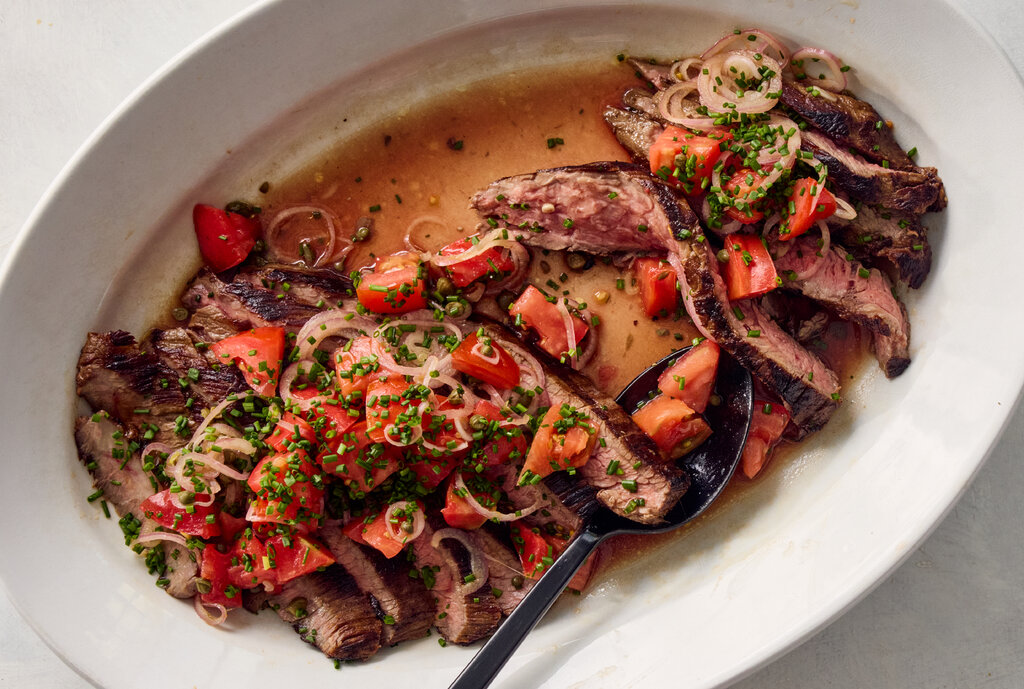




Grilling a steak to perfection is a culinary art that’s both simple and complex. It’s one of those skills that can elevate a meal from ordinary to extraordinary, but it requires a careful balance of timing, technique, and temperature. Whether you’re grilling at a backyard barbecue or preparing a steak for a quiet dinner, the key to success lies in understanding the science behind grilling and mastering a few essential techniques.
In this article, we will break down the secret to a perfectly grilled steak, exploring the essentials of seasoning, choosing the right cut, setting up your grill, managing heat, and cooking times, all while providing practical tips to ensure you never have a steak that’s anything less than mouth-watering. So, let’s get started on your journey to becoming a steak-grilling expert.
1. Choosing the Right Steak
The first and most important step in grilling the perfect steak is selecting the right cut of meat. Each cut has unique characteristics in terms of flavor, texture, and tenderness, which will influence the grilling process. Here’s a breakdown of the most popular cuts:
- Ribeye: Known for its rich marbling, ribeye is a juicy and tender cut. It’s perfect for grilling because the fat helps keep the steak moist and flavorful.
- New York Strip: This cut has a bold, beefy flavor with a good balance of tenderness and chew. It’s a favorite among steak lovers for grilling.
- Filet Mignon: This is the most tender cut, offering a delicate texture and mild flavor. While it’s not as marbled as other cuts, it still provides an elegant, melt-in-your-mouth experience when grilled.
- T-Bone: A T-bone steak combines the tenderness of a filet mignon with the flavor of a New York strip, making it a versatile option for grilling.
- Flank or Skirt Steak: These cuts are lean and flavorful but can be tough if not cooked properly. They’re best grilled quickly over high heat and served with a marinade to enhance tenderness.
Choosing the right steak based on personal taste and preference is essential, but don’t forget about thickness. Thicker steaks, about 1.5 to 2 inches thick, allow for a better sear on the outside while maintaining a tender, juicy interior.
2. Seasoning: Keep It Simple
One of the secrets to a great steak is simplicity when it comes to seasoning. The goal is to enhance the natural flavors of the meat without overwhelming them. Here’s the basic approach:
- Salt: Salt is the most important seasoning for steak. It helps draw out moisture from the meat and creates a delicious crust when grilled. Kosher salt or sea salt is ideal because it’s coarse and will give you more control when sprinkling.
- Pepper: Freshly ground black pepper adds just the right amount of heat and aromatic complexity. Don’t overdo it, as it can mask the flavor of the meat.
- Optional Seasonings: Depending on your taste preferences, you can experiment with other seasonings like garlic powder, onion powder, thyme, rosemary, or smoked paprika. But remember, less is often more when it comes to steak.
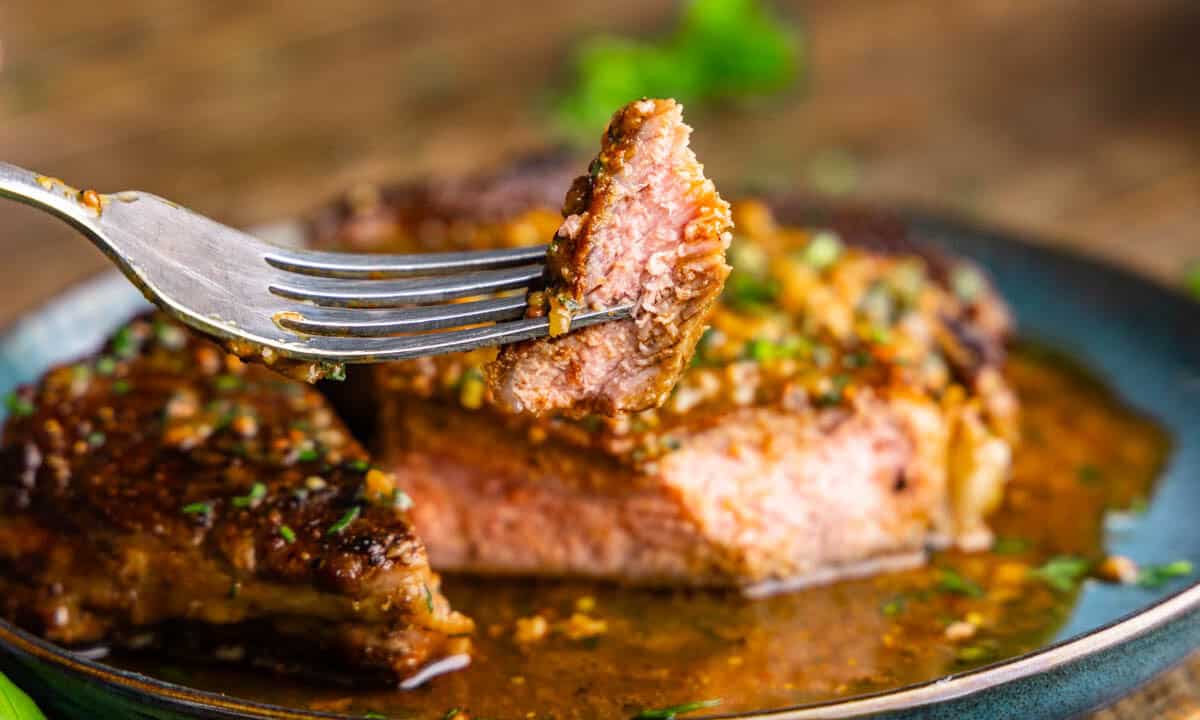
It’s important to season your steak at least 30 minutes before grilling to allow the salt to penetrate the meat. Some chefs recommend seasoning an hour or two ahead of time, while others swear by seasoning just before hitting the grill. The general rule of thumb is to avoid seasoning too early or too late.
3. Preparing Your Grill
The grill is your canvas, and understanding how to use it is critical to achieving that perfect steak. Whether you’re using a gas grill or a charcoal grill, you’ll need to create two zones of heat: one for searing the steak and another for cooking it through.
- For a Charcoal Grill: The key to a great charcoal grill is controlling the heat through the arrangement of the coals. Pile your coals in one area of the grill to create a hot zone for searing. Leave the other side cooler for finishing the steak. You can check the heat by holding your hand over the grill; for a high heat, you should only be able to hold it for a second or two.
- For a Gas Grill: Gas grills are a little easier to control because you can simply adjust the temperature. Turn on all burners to achieve a high heat. Once the grill is hot, you can lower the heat on one side to create a cooler zone for indirect cooking.
Preheat your grill for at least 15 minutes before grilling the steak to ensure the grates are hot and ready for action. This will help you achieve a good sear and prevent the steak from sticking to the grill.
4. Searing: The Magic of a Great Crust
Achieving a perfect sear is the difference between an average steak and a great one. Searing locks in juices, creates that desirable caramelized crust, and adds flavor complexity. To sear your steak properly:
- Place the steak on the hot side of the grill—the direct heat side—when you’re ready to start. Let it cook undisturbed for 2-4 minutes (depending on the thickness of the steak) to form a golden-brown crust.
- Flip the steak and sear the other side for an additional 2-4 minutes. The goal is to get a crust that is dark but not burnt. Use tongs to flip the steak, never a fork, as poking the meat can release its juices.
- If your steak is particularly thick, consider giving it an extra sear on the sides as well, especially around the edges where the fat cap may be. This will ensure all parts of the steak develop flavor and texture.
While searing, resist the temptation to press the steak down with a spatula. This will squeeze out juices, leaving you with a dry steak.
5. Managing the Internal Temperature
After the initial sear, the key to achieving the perfect level of doneness is managing the steak’s internal temperature. The best way to monitor this is by using a meat thermometer. The USDA provides the following temperature guidelines for steak doneness:
- Rare (120-125°F): Cool red center, soft texture.
- Medium-Rare (130-135°F): Warm red center, tender and juicy.
- Medium (140-145°F): Warm pink center, slightly firm texture.
- Medium-Well (150-155°F): Mostly brown center with a slight hint of pink.
- Well-Done (160°F and above): Fully brown, firm texture, may be dry.
:max_bytes(150000):strip_icc()/sea-charcoal-grills-test-dyna-glo-x-large-heavy-duty-32in-rkilgore-299-d7d6a79eaec242ebbbd4b28b2a524d0d.jpeg)
For the best flavor and juiciness, aim for medium-rare to medium, as these levels of doneness preserve the steak’s tenderness and moisture.
After searing, move the steak to the cooler side of the grill to cook it more gently until it reaches your desired temperature. If using a charcoal grill, this is where indirect heat comes into play. On a gas grill, simply lower the heat and close the lid to trap in the heat.
6. Resting the Steak: Patience Is Key
Once your steak reaches the desired internal temperature, it’s tempting to slice into it right away. But here’s the secret to a juicy steak: resting.
Let your steak rest for 5-10 minutes before slicing into it. During this time, the juices that have been pushed to the surface during cooking will redistribute back into the meat, making each bite more flavorful and moist.
Cover the steak loosely with foil while it rests, but don’t wrap it tightly. This will keep it warm without sweating, which can make the crust soggy.
7. Slicing the Steak: Across the Grain
To ensure each bite of steak is tender, slice your steak against the grain. The “grain” refers to the direction in which the muscle fibers are aligned. By cutting against it, you’re shortening the fibers, which makes the meat easier to chew.
If you’re working with a cut like flank or skirt steak, this becomes even more important since these cuts tend to be more fibrous and tougher.
8. Bonus Tips: For the Perfect Steak Every Time
- Use a Meat Thermometer: If you’re serious about grilling, investing in a meat thermometer is essential. It’s the best way to guarantee that you’re cooking your steak to perfection every time.
- Baste for Extra Flavor: For an added flavor boost, you can baste your steak with butter or olive oil during the last few minutes of cooking. This helps create a rich, glossy finish.
- Don’t Overcrowd the Grill: Give your steak plenty of space on the grill. Crowding the grill prevents even heat distribution and can result in uneven cooking.
- Try a Reverse Sear: For those who like experimenting, the reverse sear method is an excellent option. It involves cooking the steak slowly at a low temperature on the cooler side of the grill, followed by a sear on the hot side. This method works particularly well for thick cuts.
Conclusion
Grilling the perfect steak is a combination of knowledge, skill, and patience. By choosing the right cut, seasoning simply, managing heat carefully, and monitoring the steak’s internal temperature, you can achieve a steak that is juicy, tender, and full of flavor every time.
Now that you have the tools and techniques to become a grill master, it’s time to fire up the grill and put your knowledge to the test. Whether you’re cooking for family, friends, or just yourself, remember that grilling a steak is about more than just following steps; it’s about enjoying the process and savoring the rewards of your hard work.