




Olive oil is often hailed as one of the healthiest fats, revered for its role in Mediterranean diets, and lauded for its heart-health benefits. However, as with most things in life, moderation is key. While it offers numerous health benefits, using olive oil excessively can lead to unintended consequences. In this article, we’ll explore the effects of using too much olive oil, including potential health risks, nutritional considerations, and practical tips on how to make the most of this kitchen staple without overdoing it.
The Many Benefits of Olive Oil
Before diving into the downsides of overconsumption, let’s first take a look at why olive oil is so widely celebrated.
- Rich in Healthy Fats:
Olive oil is a good source of monounsaturated fats, which are known to support heart health by reducing bad cholesterol (LDL) and increasing good cholesterol (HDL). These fats can also help in the absorption of fat-soluble vitamins like A, D, E, and K. - Packed with Antioxidants:
Extra virgin olive oil (EVOO), in particular, is loaded with antioxidants, including polyphenols. These compounds have anti-inflammatory properties and may reduce the risk of chronic diseases such as cancer and Alzheimer’s. - Anti-Inflammatory Benefits:
Chronic inflammation is linked to various diseases, and olive oil’s high content of oleocanthal, a compound with anti-inflammatory effects, can help lower this risk. It works similarly to ibuprofen, helping to reduce inflammation in the body. - Supports Brain Health:
The oleic acid in olive oil, along with antioxidants like vitamin E, contributes to better brain function. Regular consumption of olive oil has been linked to a lower risk of cognitive decline and diseases like Alzheimer’s. - Good for Skin and Hair:
Olive oil is often used in skin care products due to its moisturizing properties. It can hydrate the skin, improve elasticity, and protect against oxidative stress, which is a key contributor to aging.
The Risks of Overconsumption
While olive oil has its fair share of advantages, consuming too much of it can have negative effects. Let’s break down the key risks associated with excessive olive oil use.
1. Excessive Calorie Intake

Olive oil is calorie-dense. Just one tablespoon (15 ml) of olive oil contains about 120 calories. If used excessively in cooking, dressing, or drizzling over food, it can quickly add up, leading to an increase in overall calorie intake. For example, if you add two tablespoons of olive oil to a salad or pasta dish, that’s an extra 240 calories — not insignificant, especially if you’re trying to maintain a balanced or calorie-controlled diet.
While the calories in olive oil come from healthy fats, they can still contribute to weight gain if they cause you to exceed your daily caloric needs. The body stores excess calories as fat, which can lead to increased body fat over time.
2. Nutrient Imbalance
Olive oil is a great source of healthy fats, but it’s not a complete source of nutrition. If you rely too heavily on olive oil, you may end up lacking other essential nutrients in your diet, such as protein, fiber, or certain vitamins and minerals. A well-rounded diet includes a variety of fats, proteins, carbohydrates, and micronutrients.
If olive oil takes up a disproportionate amount of your daily fat intake, you may inadvertently reduce your intake of other healthy fats, such as those from fish, nuts, seeds, or avocados. This could impact your omega-3 to omega-6 fatty acid balance, which is crucial for optimal health.
3. Digestive Issues
Olive oil, especially when consumed in large amounts, can sometimes cause digestive discomfort. It can act as a mild laxative for some people, especially in large doses. Symptoms may include bloating, diarrhea, or stomach cramps. If you’re sensitive to fats or have a history of digestive issues like irritable bowel syndrome (IBS), overconsumption of olive oil may exacerbate these problems.
4. Blood Sugar and Insulin Sensitivity
Olive oil can help regulate blood sugar and improve insulin sensitivity when consumed in moderate amounts, especially in the context of a balanced diet. However, excessive consumption could have an opposite effect, especially if combined with a diet high in processed foods or refined sugars. When you consume large amounts of olive oil, it could potentially lead to an imbalance in blood sugar regulation, especially for those at risk for type 2 diabetes.
5. Altered Taste of Food
While olive oil adds richness and flavor to dishes, too much can overpower the taste of your food. Overloading your salad or pasta with olive oil might mask the subtle flavors of fresh vegetables, spices, or herbs. The key to using olive oil effectively is moderation and ensuring it enhances, rather than dominates, your meals.
How to Use Olive Oil Wisely
Now that we’ve covered the potential downsides of overconsuming olive oil, let’s explore how to use this beneficial oil in a way that maximizes its health benefits without going overboard.
1. Measure Your Portions
When using olive oil in cooking, it’s easy to go overboard, especially when drizzling it over salads or cooking at high heat. Using a tablespoon to measure your olive oil can help you control how much you’re adding. This is particularly important if you’re trying to maintain a specific calorie or fat intake.
2. Use Olive Oil in Moderation
In most cases, 1-2 tablespoons of olive oil per meal is sufficient for getting the health benefits without excessive calorie intake. If you’re using olive oil for dressings or cooking, try to use it sparingly. A little can go a long way in adding flavor and nutritional value.
3. Combine with Other Healthy Fats
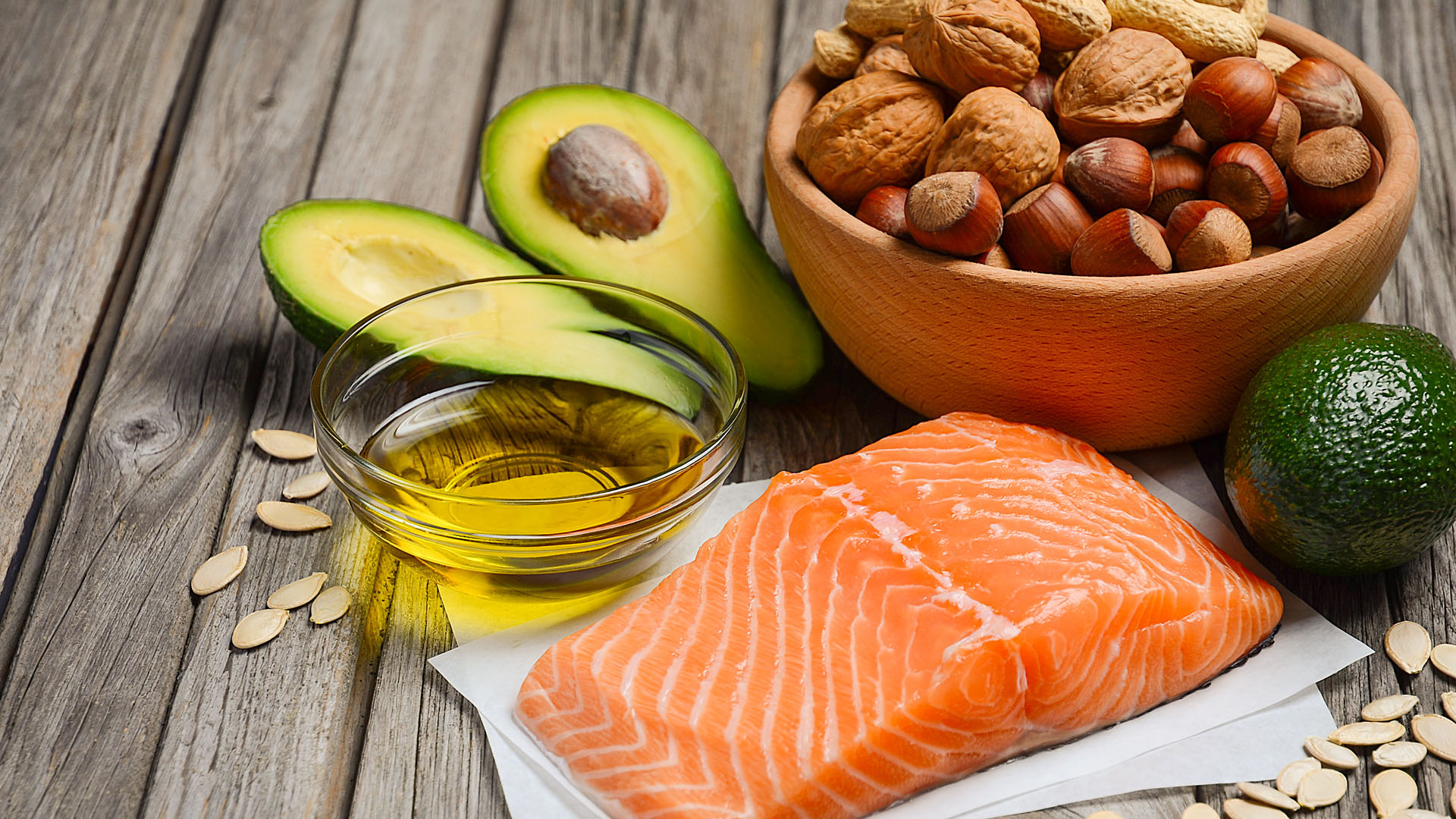
Olive oil is great, but it doesn’t need to be your only source of fat. Balance your intake by including other healthy fats in your diet, such as those from nuts, seeds, avocados, and fatty fish. These fats contain different types of fatty acids and provide a broader spectrum of nutrients that promote heart and brain health.
4. Avoid Cooking at High Temperatures
Extra virgin olive oil has a low smoking point compared to some other oils like avocado oil or coconut oil. Cooking at high temperatures can cause the oil to break down and lose some of its beneficial properties. For frying or high-heat cooking, consider using oils with a higher smoke point. Olive oil is best used for medium-heat cooking or as a finishing oil for salads and dishes after they are prepared.
5. Focus on Quality
Not all olive oils are created equal. Extra virgin olive oil is the least processed and contains the highest levels of antioxidants and healthy fats. Choosing high-quality olive oil, preferably organic and cold-pressed, ensures you’re getting the most nutritional value with every drop.
6. Pair with Fiber-Rich Foods
To balance out the calorie-dense nature of olive oil, pair it with fiber-rich foods like vegetables, whole grains, and legumes. Fiber helps slow down the absorption of fats and supports digestive health, which can prevent any discomfort caused by overeating olive oil.
Conclusion
Olive oil is undoubtedly one of the healthiest fats you can consume, offering a wide range of health benefits, from supporting heart health to fighting inflammation. However, like anything else, it’s important to use olive oil in moderation. Excessive consumption can lead to unwanted weight gain, digestive discomfort, and nutrient imbalances. By using olive oil wisely, measuring your portions, and balancing it with other healthy fats and nutrient-dense foods, you can enjoy its health benefits without overindulging.