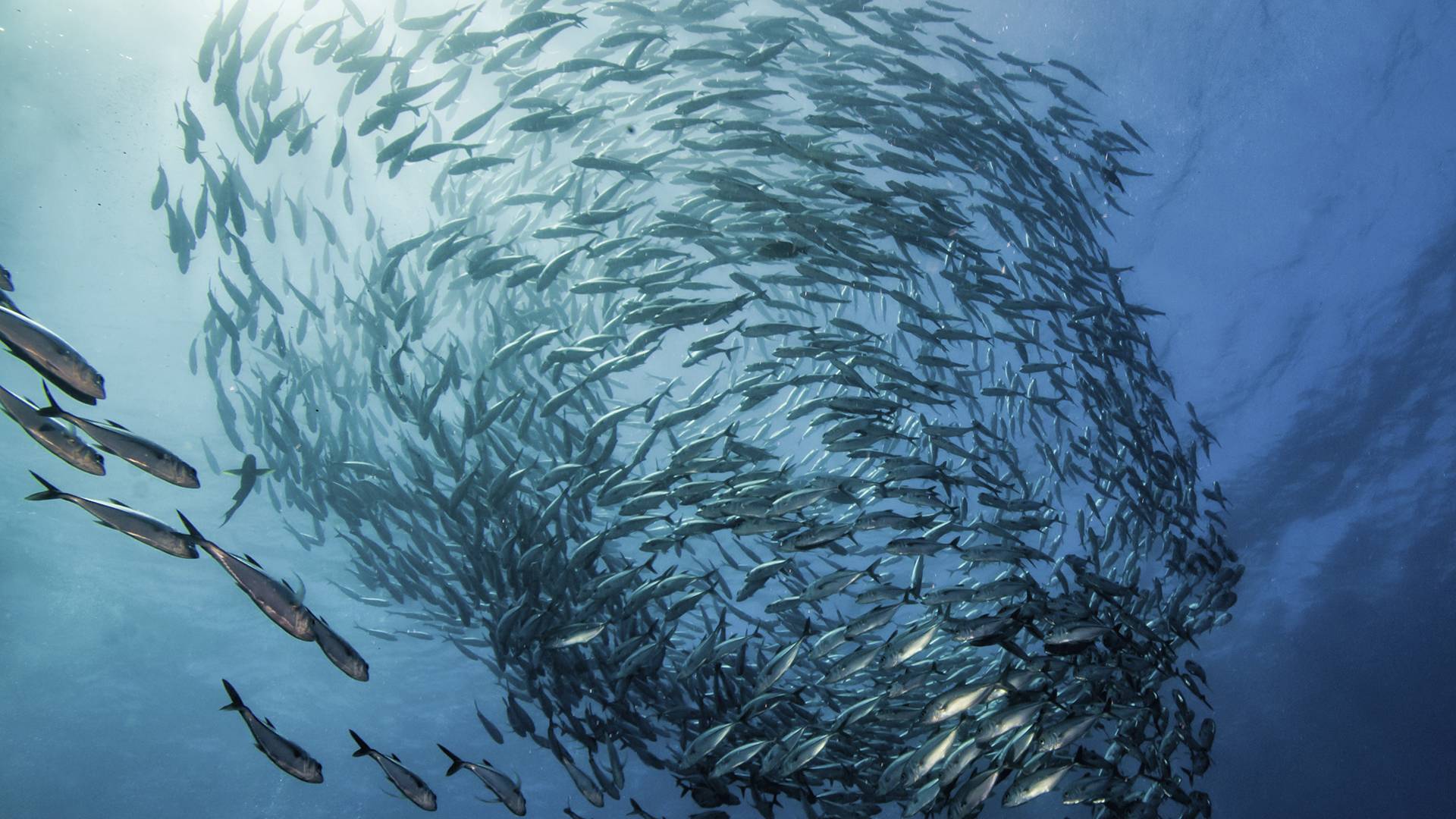




The future of seafood cuisine is a topic at the intersection of environmental concerns, culinary innovation, and evolving consumer preferences. As global awareness of environmental issues intensifies, the question arises: will seafood cuisine of tomorrow be driven by sustainability, or will it be more about the trends of the moment? While the answer is complex and multifaceted, one thing is clear—seafood is not only a culinary cornerstone but also a battleground for balancing sustainability and innovation.
1. The State of Seafood Today: A Delicate Balance
The world’s oceans are facing unprecedented challenges. Overfishing, pollution, habitat destruction, and the rising effects of climate change have all contributed to the degradation of marine ecosystems. In parallel, the demand for seafood continues to rise. According to the Food and Agriculture Organization (FAO), global fish consumption has nearly doubled in the past 50 years. In this context, the future of seafood cuisine rests on how we navigate these pressing issues.
Today, seafood is more than just a source of protein—it’s part of global food culture, from sushi bars in Tokyo to seafood boils in New Orleans. It represents luxury and tradition, but it also embodies the harsh realities of overexploitation. This juxtaposition begs the question: can the future of seafood cuisine be both sustainable and trendy?
2. The Rise of Sustainable Seafood
As the impact of overfishing and unsustainable practices becomes more apparent, the culinary world is slowly but surely pivoting toward sustainability. This shift can be seen in several ways:
a. Sustainable Fishing Practices:
Sustainable fishing is no longer just a buzzword—it’s a necessity. Fisheries around the world are adopting practices that minimize their impact on marine ecosystems, such as reducing bycatch, promoting selective fishing methods, and maintaining fish stocks at sustainable levels. Additionally, the Marine Stewardship Council (MSC) has become a recognized certification for sustainably sourced seafood, giving consumers a clear indication of which products are environmentally responsible.
b. Aquaculture Innovation:
Fish farming, or aquaculture, has long been a controversial topic. While it offers a potential solution to overfishing, poorly managed aquaculture systems can lead to environmental degradation, disease outbreaks, and pollution. However, the industry is evolving. Innovations in land-based, closed-loop aquaculture systems promise to reduce waste and prevent contamination of the surrounding environment. As technology advances, aquaculture is moving toward more sustainable and responsible practices.
c. Seafood Alternatives:
The rise of plant-based and lab-grown alternatives has introduced new ways of enjoying seafood without further depleting marine resources. Plant-based fish products, made from ingredients like seaweed, soy, and pea protein, offer an eco-friendly alternative to traditional seafood. Meanwhile, cultured seafood—produced by growing fish cells in a lab—promises to create a more sustainable supply without the need to harvest fish from the ocean.
d. Sustainable Seafood Certifications:
In response to growing consumer interest in ethical sourcing, numerous organizations and initiatives have emerged to certify sustainable seafood products. The Aquaculture Stewardship Council (ASC), the Marine Stewardship Council (MSC), and the Best Aquaculture Practices (BAP) certification are just a few examples of initiatives helping consumers identify seafood that’s both ethically and sustainably sourced. These labels help guide conscientious consumers and influence the future of seafood cuisine.
3. The Trendy Side of Seafood Cuisine
While sustainability is undeniably a key consideration, the world of seafood cuisine is also shaped by trends—some of which are temporary, others more enduring. Trends often arise from cultural shifts, social media influence, or chefs pushing the boundaries of what’s possible in the kitchen. Let’s explore some of the key trends influencing the future of seafood.
a. Fusion Cuisine:
The fusion of different culinary traditions has been one of the most exciting trends in recent years. In the realm of seafood, this has manifested in dishes that blend global flavors and techniques. Imagine a sushi roll stuffed with tempura crab, a Nordic-style smoked salmon sandwich with Korean kimchi, or a ceviche prepared with Southeast Asian spices. These cross-cultural combinations not only reflect the multicultural nature of contemporary cuisine but also cater to the growing desire for novel and unique dining experiences.
b. Raw and Uncooked Seafood:
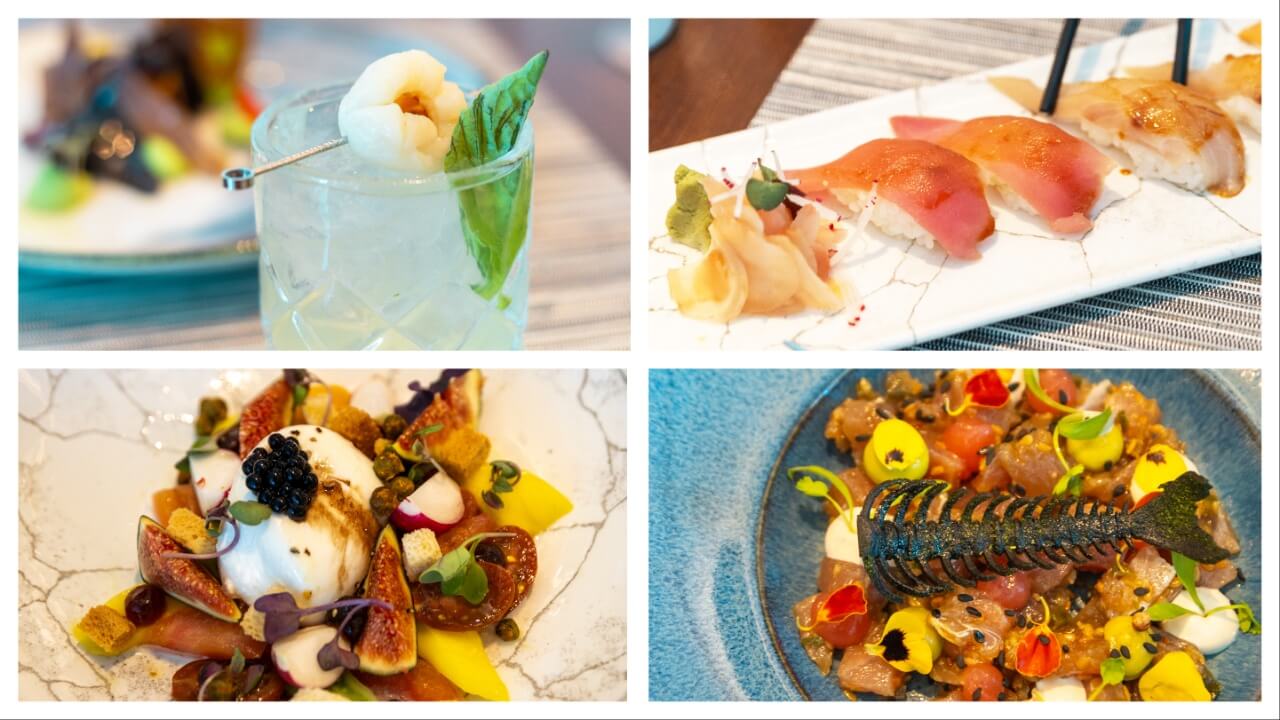
Raw seafood has become increasingly popular, with dishes like sushi, sashimi, and ceviche gaining a global following. While the raw seafood trend has been around for centuries in certain cultures, its popularity in Western dining has surged in recent years. This trend has led to the rise of specialized raw bars and seafood-centric restaurants that showcase the freshest fish and shellfish in their purest form. In addition, the raw seafood trend has sparked interest in sustainable sourcing practices, as high-quality, responsibly harvested fish are critical for these dishes.
c. Seafood as an Exotic Delicacy:
In some circles, seafood is no longer just about a meal—it’s about an experience. Lobster, oysters, and caviar have long been considered luxurious foods, but in recent years, new and lesser-known seafood options are entering the spotlight. Dishes like uni (sea urchin roe), abalone, or monkfish liver are becoming increasingly popular in fine dining settings, driven by chefs’ curiosity and the growing desire for exotic, unique flavors. As these delicacies gain popularity, so too does the demand for sustainable sourcing, with chefs and consumers alike recognizing the need to protect these vulnerable species.
d. Sustainable Seafood Trends:
Some seafood trends, such as the rise of seaweed, are directly linked to sustainability. Seaweed, for example, has become a culinary star, thanks to its nutrient-rich profile, versatility, and minimal environmental impact. As an abundant and fast-growing marine resource, seaweed is considered a sustainable alternative to other forms of agriculture. It’s used in everything from sushi rolls to salads to plant-based seafood alternatives. In the coming years, expect to see more chefs incorporating this ocean superfood into their dishes as part of their commitment to sustainability.
:max_bytes(150000):strip_icc()/__opt__aboutcom__coeus__resources__content_migration__serious_eats__seriouseats.com__images__2016__07__20160714-chilled-seafood-recipes-roundup-01-90aa0cced63d4a0988f0a67bfebe6eec.jpg)
4. Sustainability vs. Trend: The Tension
Despite the undeniable shift toward sustainable practices, seafood cuisine remains a paradox. While some chefs and consumers are focused on sustainability, others remain more concerned with what’s hot right now. The proliferation of trendy ingredients and extravagant presentations in seafood dishes can sometimes overshadow the fundamental issues of marine conservation. How can we ensure that trends in seafood cuisine don’t contribute to environmental degradation?
One of the key challenges is the need for greater transparency in sourcing. While some high-end restaurants and food brands champion sustainability, the broader food industry still faces challenges related to traceability. For consumers to make informed choices, they need access to clear information about where and how their seafood is sourced. The lack of consistent labeling and certification standards across all seafood products complicates the situation.
5. A Balanced Future: Navigating Sustainability and Trend
The future of seafood cuisine doesn’t have to be an either-or proposition. With the right balance, trends and sustainability can coexist, driving innovation without sacrificing the health of the planet. Here are some ways that the industry can find harmony between these two forces:
a. Educating Consumers:
One of the most powerful tools in the fight for sustainable seafood is education. As consumers become more knowledgeable about the environmental impact of their choices, they are more likely to support sustainable practices. By understanding the sourcing, farming methods, and ecological footprint of the seafood they consume, diners can make more responsible choices, pushing the market toward sustainability.
b. Chefs as Catalysts for Change:
Chefs are powerful influencers in the world of food. By prioritizing sustainable sourcing in their menus and highlighting the importance of responsible seafood choices, chefs can help guide consumer demand. Whether through using certified sustainable seafood or by creatively incorporating lesser-known, underutilized species into their dishes, chefs have a unique opportunity to change the narrative around seafood cuisine.
c. Leveraging Technology:
Technology will play an essential role in shaping the future of sustainable seafood. From advances in aquaculture to innovations in plant-based seafood, the potential for technology to solve some of the most pressing issues in the industry is immense. Moreover, food-tech companies are working on solutions like lab-grown seafood, which could provide a scalable and sustainable source of seafood without putting pressure on wild fish populations.
d. Cultural Shifts:
Cultural shifts will also drive the evolution of seafood cuisine. The growing emphasis on plant-based diets, environmental responsibility, and mindful consumption will continue to influence the choices made by consumers, chefs, and restaurateurs alike. As these cultural trends intersect with the culinary world, they could create a new paradigm where seafood is no longer simply a luxury or a trend, but a sustainable and integral part of a more eco-conscious food system.
Conclusion
The future of seafood cuisine will undoubtedly be shaped by both sustainability and trends, but it’s essential that these two forces work in tandem, rather than in opposition. Sustainability is not just a passing trend; it’s a necessity for the survival of marine ecosystems and the long-term viability of the seafood industry. At the same time, the constant evolution of culinary trends brings new flavors, techniques, and cultural influences to the table, allowing for innovation that can drive positive change.
As consumers, chefs, and the food industry at large continue to grapple with these issues, the hope is that seafood cuisine will evolve into something that is both trendy and sustainable—a reflection of our growing commitment to the health of our oceans and the planet as a whole.