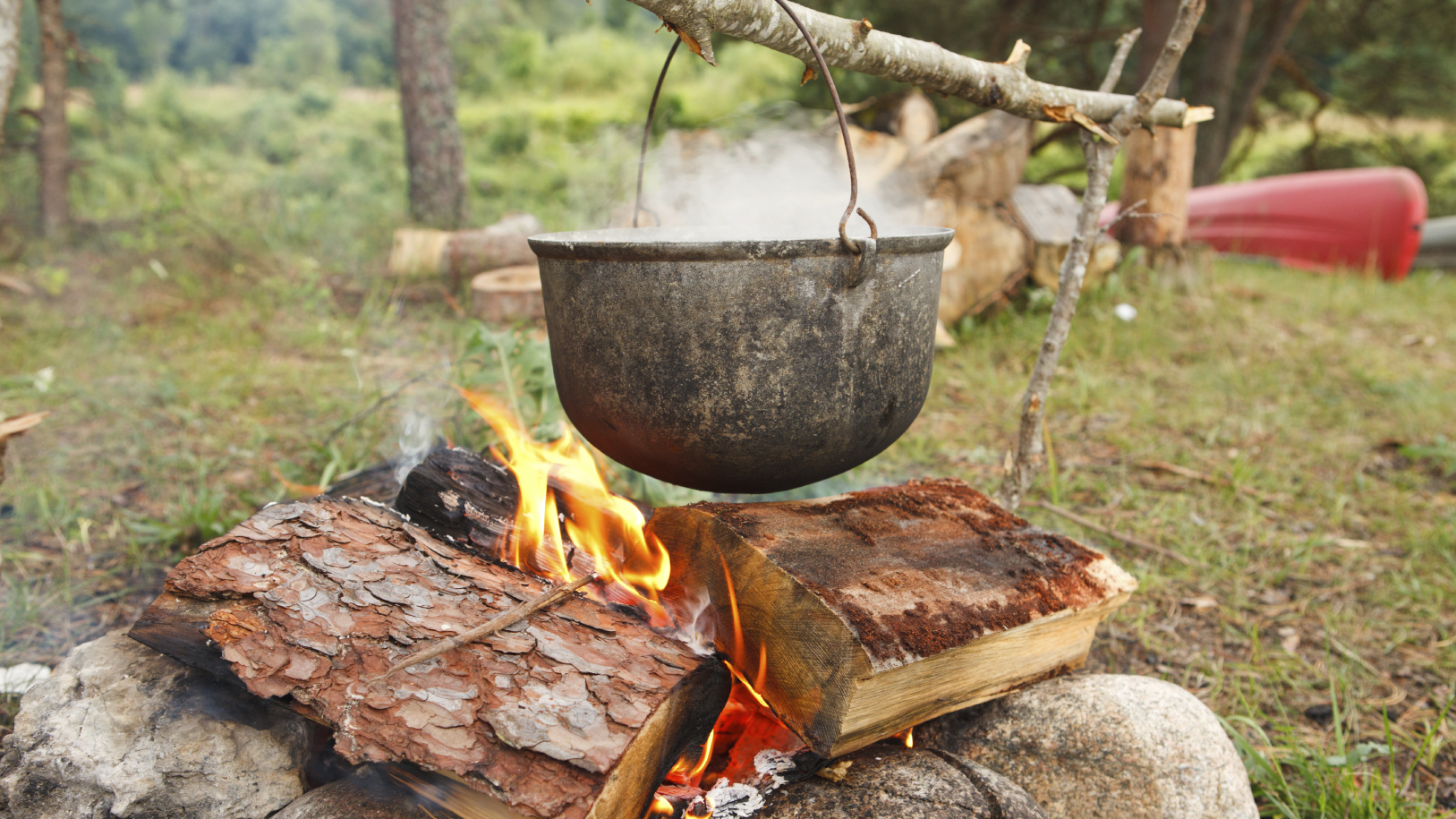




Cooking has always been an art, a science, and a cultural practice that transcends generations. The methods used to prepare food today are, in many ways, shaped by thousands of years of culinary tradition. Whether it’s the rustic hearth, the primitive stone oven, or the intricate fermentation processes, ancient cooking techniques continue to play a significant role in contemporary cuisine. This article explores how these ancient methods have influenced modern dishes, drawing connections between the past and the present in ways that highlight both continuity and innovation in the culinary world.
Ancient Cooking Techniques: A Brief Overview
To understand the influence of ancient cooking on contemporary dishes, it’s essential to look back at some of the oldest cooking techniques that shaped early human civilization. These methods were often born out of necessity, shaped by the availability of ingredients, and evolved through trial and error. Here are a few core techniques that have persisted through the ages:
1. Open Flame Cooking
The use of an open flame, whether from wood or coal, is one of the earliest forms of cooking. Early humans cooked over fire to prepare their food, and the principle of cooking with direct heat has remained a cornerstone of modern culinary practices. The flavor imparted by an open flame—be it from grilling, roasting, or smoking—is something that chefs still prize today.
In contemporary cuisine, this technique is found in methods like barbecuing, grilling, and open-flame roasting. Many of today’s popular dishes, like grilled meats, roasted vegetables, and flame-cooked pizzas, owe their origins to ancient fire-based cooking methods.
2. Fermentation
Fermentation is one of the oldest food preservation methods, dating back thousands of years. By harnessing the power of bacteria, yeast, and other microorganisms, ancient peoples were able to create fermented foods that could be stored for long periods. This process not only preserved food but also enhanced its nutritional value and flavors.
Modern dishes influenced by fermentation are abundant. Bread-making (especially sourdough), cheese, yogurt, pickles, and alcoholic beverages like beer and wine all rely on fermentation. The global interest in fermented foods, driven by both health benefits and flavor complexity, has seen a resurgence in contemporary kitchens.
3. Steaming
Steaming, a technique that involves cooking food with steam from boiling water, has ancient origins in many cultures, including China, Egypt, and indigenous civilizations across the world. This cooking method preserves the food’s moisture, nutrients, and flavor, which is why it was favored by ancient cultures.
Today, steaming remains an important technique, particularly in Asian cuisines. Modern dishes like dim sum, bao buns, and fish en papillote are direct descendants of ancient steaming methods. Steam ovens and electric steamers, though modernized, still owe their existence to the ancient practice of steaming food.
4. Slow Cooking
Slow cooking has been practiced for thousands of years, particularly in societies where food needed to be cooked over long periods to tenderize tough cuts of meat or to extract maximum flavor from ingredients. This technique is often associated with cooking in earthenware pots or clay vessels.
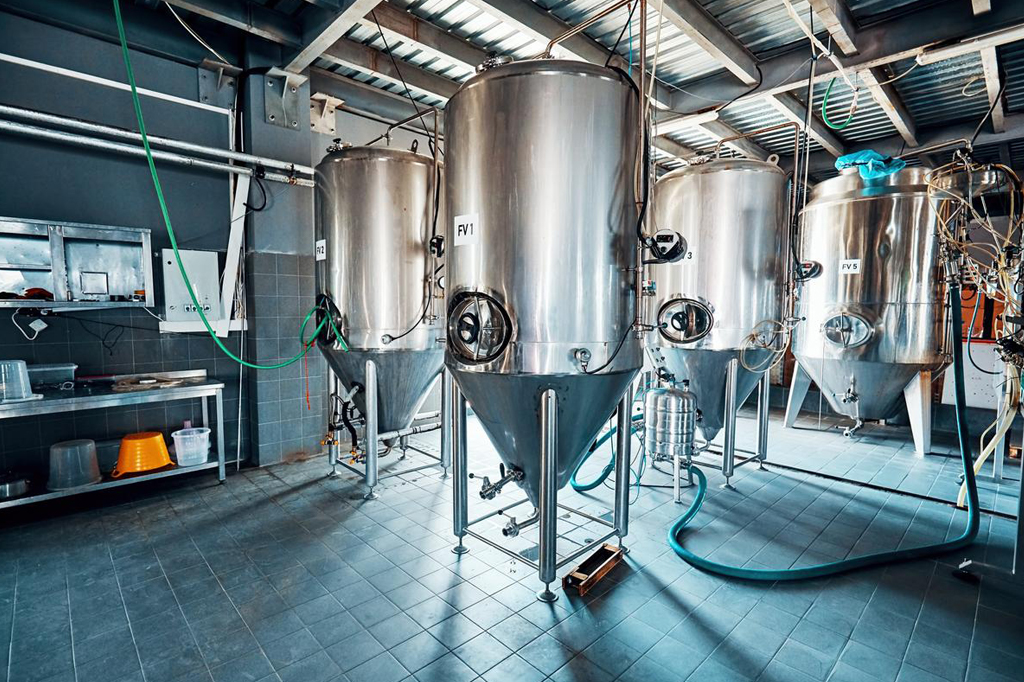
The modern version of slow cooking, seen in dishes like stews, braises, and roasts, uses slow-cookers or slow-braising techniques to achieve tender, flavorful results. Contemporary comfort foods such as beef bourguignon or coq au vin would not exist without this ancient influence.
5. Smoking
Smoking is an ancient preservation technique that involves exposing food to smoke from burning wood or other substances. While it was originally developed as a way to extend the shelf life of meats and fish, smoking also imparts a distinct flavor that has remained popular in various cuisines around the world.
In modern culinary practice, smoking is still used to prepare dishes like barbecued ribs, smoked salmon, and charcuterie. The complex flavors derived from smoking—whether through hot smoking or cold smoking—are staples in both home kitchens and high-end restaurants.
6. Drying
Drying was another key method of food preservation in ancient times. By removing moisture from foods like meat, fish, fruits, and grains, ancient cultures were able to extend the shelf life of their food supplies, particularly in regions with harsh climates or long winters.
Today, drying is still an integral part of cooking. Jerky, dried fruits, and sun-dried tomatoes are just a few examples of modern foods that trace their origins back to ancient drying techniques. In addition, the modern technique of dehydration, often used in making snacks and convenience foods, is a high-tech evolution of this ancient practice.
How Ancient Techniques Shape Contemporary Dishes
With the foundation of ancient culinary practices in mind, it’s fascinating to observe how these techniques continue to influence the creation of modern dishes. From flavor profiles to preparation methods, ancient cooking practices are deeply woven into the fabric of contemporary cuisine. Let’s look at a few ways these ancient techniques shape the food we eat today.
1. Grilled and Barbecued Dishes
Grilling and barbecuing are perhaps the most obvious examples of ancient cooking techniques that have survived into modern times. The open flame was an essential part of ancient cooking, and its influence can be seen in the contemporary passion for grilled meats and vegetables.
In many cultures, grilling is not just a cooking technique, but a social event. Modern barbecues, for example, often revolve around communal cooking. Dishes like hamburgers, steak, and grilled vegetables have their roots in the ancient tradition of cooking over an open flame. However, today’s barbecue culture also brings in regional and modern twists, such as smoked brisket, kebabs, and even grilled pizza.
2. Fermented and Pickled Foods
Fermentation has enjoyed a resurgence in contemporary cooking, partly because of its health benefits—especially its role in gut health. Foods like kimchi, sauerkraut, and kombucha are examples of ancient fermentation methods making a comeback.
Pickling, too, has ancient roots. In ancient civilizations like Egypt and Mesopotamia, vegetables and fruits were preserved in vinegar or brine. In modern kitchens, this technique has expanded to include everything from pickled onions to canned vegetables, and is a key element in cuisines around the world, including Indian, Korean, and Mediterranean.

3. Slow-Cooked Stews and Braises
Ancient civilizations, especially those in colder regions, frequently used slow cooking to tenderize tougher cuts of meat and blend flavors over extended periods. The slow-cooked stews of today—whether a French beef bourguignon or an American chili—are direct descendants of these ancient traditions.
Modern slow-cookers, such as the popular Instant Pot or crockpot, have made slow cooking even more accessible. These modern devices replicate the cooking techniques used by ancient peoples, allowing for rich, hearty dishes with minimal effort.
4. The Global Influence of Asian Cooking Techniques
Ancient Asian techniques, such as steaming, wok cooking, and fermentation, have become some of the most influential in modern cuisine. Chinese, Japanese, and Korean culinary practices, rooted in millennia of tradition, are now global staples.
Dim sum, sushi, kimchi, and ramen are just a few examples of how ancient Asian methods have been adapted to modern tastes. The use of fermented soybeans to make soy sauce, for instance, is a prime example of how ancient practices continue to define flavor profiles in contemporary dishes.
5. Smoking for Flavor
Smoking food has transcended its origins as a preservation method to become a celebrated culinary technique. Whether it’s the charcoal grilling seen in Brazilian churrasco, the smoked meats of American barbecue, or the smoked fish of Scandinavian cuisine, the process of exposing food to wood smoke has an undeniable influence on contemporary flavor profiles.
Chefs today use specialized equipment like smokehouses and smokers to replicate ancient methods, creating complex flavors that bring depth to dishes ranging from smoked chicken wings to smoked cheese.
6. Breads and Pastries: A Legacy of Ancient Baking
Bread-making is one of the oldest culinary techniques, with evidence of leavened bread dating back to ancient Egypt. Today, techniques like sourdough fermentation, kneading, and proofing continue to form the backbone of many of the world’s best-loved bread recipes.
Sourdough bread, a product of wild fermentation, has recently seen a resurgence, with many modern chefs and home bakers embracing the tradition of crafting their own starter cultures and cultivating the perfect loaf. In addition to bread, ancient pastry techniques have influenced contemporary dessert-making, with croissants, danishes, and pies all tracing their origins to ancient European baking practices.
Conclusion: A Bridge Between Eras
Ancient cooking techniques continue to shape the food we eat today in ways both subtle and significant. From the smoky flavors of barbecue to the complex tang of fermented foods, ancient methods are woven into the fabric of contemporary cuisine. As modern chefs and home cooks explore new techniques, they often draw on the wisdom of past generations, blending traditional methods with cutting-edge technology to create new culinary experiences.
In this way, ancient cooking techniques not only serve as a link to our past but also help define the future of food. The next time you enjoy a grilled steak, a bowl of slow-cooked stew, or a slice of freshly baked sourdough, remember that you’re partaking in a culinary tradition that stretches back thousands of years—an enduring legacy that continues to influence and inspire.