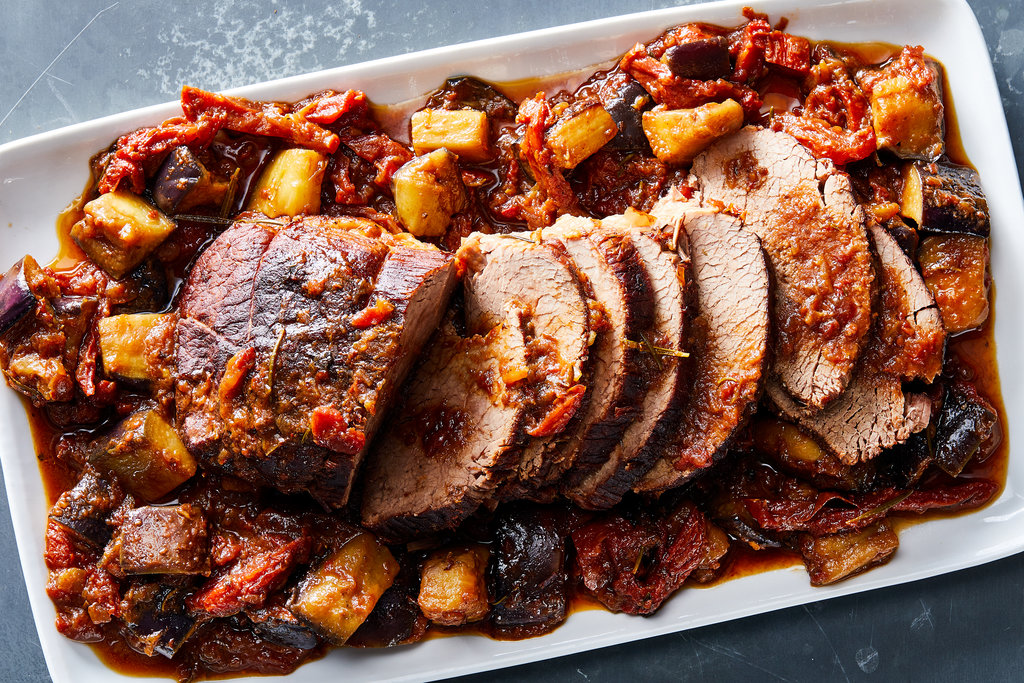




The idea that some dishes taste better with age is one that resonates deeply with food lovers. Think about the complex flavors of a well-aged cheese, the richness of a slow-cooked stew, or the profound depth of a mature bottle of wine. But what makes certain foods improve with time, while others don’t? Is it magic, science, or just the power of patience?
In this article, we will explore the science behind why some dishes get better with age, delve into the factors that influence flavor development, and discover the secrets behind the aging process in different foods.
1. The Science of Flavor Development: A Breakdown
At its core, aging food is all about chemical reactions. When food ages, it undergoes a transformation driven by enzymatic and microbial activity. These processes break down complex molecules into simpler compounds, and over time, new flavors are released or enhanced. The key elements that contribute to aging are:
- Proteins: As proteins break down, they often form smaller peptides and amino acids, which can contribute to umami flavors (the savory taste associated with meats, broths, and aged cheeses).
- Fats: Fats oxidize and can produce new aromatic compounds. In some dishes, fat breaks down into flavorful molecules that become more pronounced as time passes.
- Carbohydrates: Sugars can ferment or caramelize, leading to sweet or complexly savory flavors, as seen in dishes like caramelized onions or slow-cooked braises.
- Microorganisms: Bacteria and yeast are often involved in fermentation, transforming raw ingredients into something more flavorful and aromatic over time, as is the case with kimchi, sauerkraut, or sourdough bread.
The result? A complex tapestry of flavors that would have been impossible to achieve if the dish was eaten immediately after it was made.
2. Why Stews and Braises Get Better with Time
Stews, soups, and braises are classic examples of dishes that often improve with age. Why does the slow simmering process and the passage of time enhance their flavors?
- Breakdown of Tough Cuts of Meat: Braised dishes are typically made with tougher cuts of meat, such as chuck, brisket, or short ribs. These cuts contain a lot of connective tissue, which, when slow-cooked over time, breaks down into gelatin. This transformation results in a silky, rich texture and an intense flavor profile that only deepens after a day or two of resting in the fridge.
- Flavor Concentration: During the cooking process, the liquid in a stew or braise reduces, concentrating the flavors. When these dishes are stored and reheated, the flavors have more time to meld and infuse each other, creating a harmonious blend that is more complex and deep than when freshly cooked.
- Maillard Reaction and Caramelization: Many stews and braises rely on the Maillard reaction — a complex chemical reaction between proteins and sugars that happens at higher temperatures — to create rich, savory flavors. This process continues to evolve over time, especially if the dish is allowed to rest and develop in the refrigerator.

3. The Magic of Fermentation: Aged Foods and Beverages
Fermentation is one of the most ancient and complex processes responsible for aging food. Fermented foods undergo microbial activity, which can transform raw ingredients into something far more flavorful. Common examples of aged and fermented foods include cheese, wine, beer, pickles, and sauerkraut.
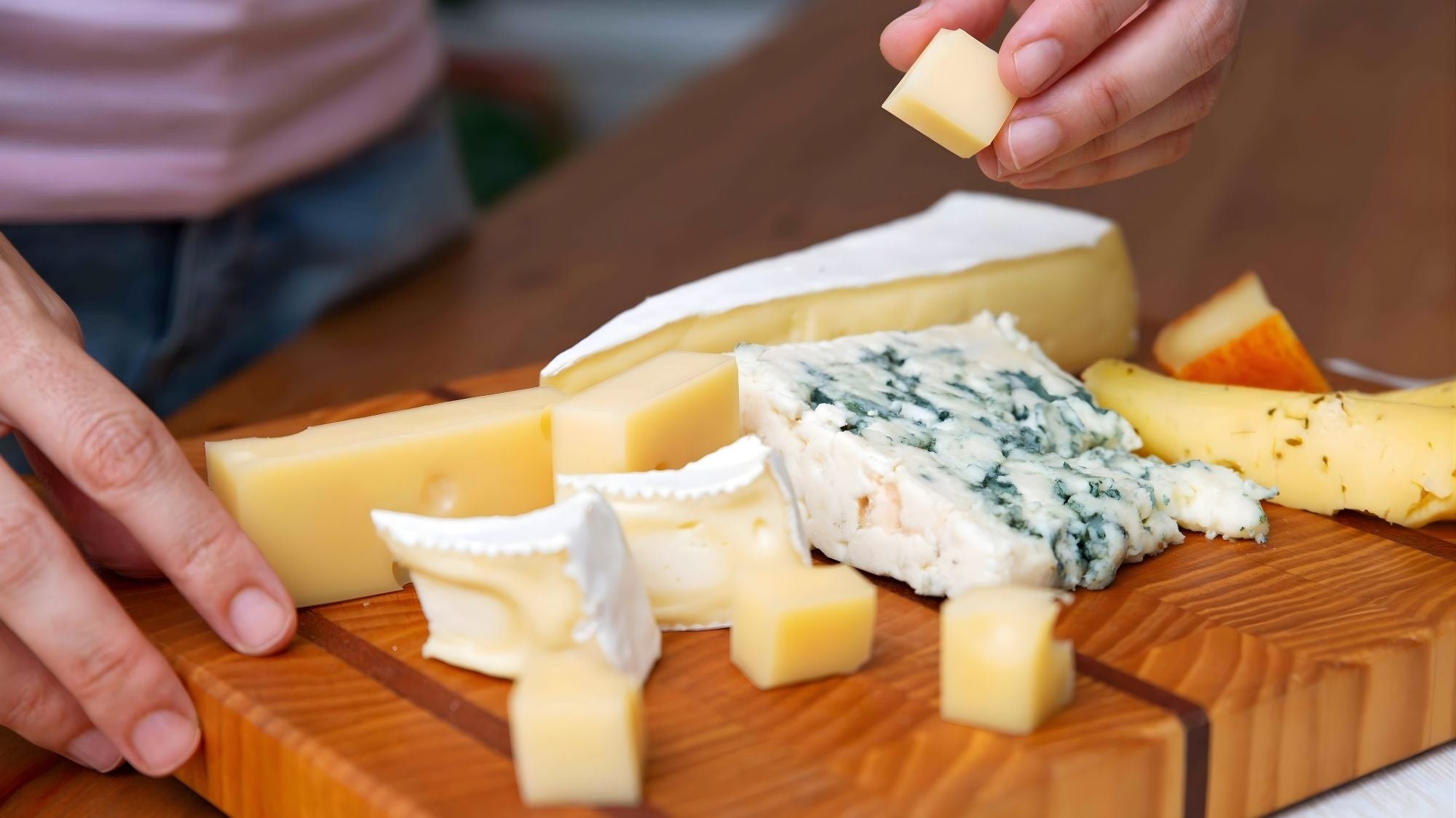
- Cheese: Aged cheeses are a prime example of how food improves with age. When cheese ages, the proteins break down, resulting in a more pronounced flavor. The texture can change as well, becoming firmer, crumblier, or creamier, depending on the cheese type. The microbial culture present in the cheese contributes to the development of unique flavors, which can range from nutty and earthy to tangy and sharp.
- Wine: The aging of wine involves complex chemical changes in the wine’s composition, which contributes to its evolving flavor profile. Tannins in wine, which are compounds found in grape skins, seeds, and stems, soften over time. This softening process, along with the interaction of the wine with oxygen in the barrel, leads to a smoother, more balanced taste. Older wines often have subtler, more complex aromas and flavors, including hints of dried fruit, leather, and spices.
- Beer: While many beers are best enjoyed fresh, certain styles (like stouts, barleywines, and Belgian ales) benefit from aging. The hops in these beers mellow out over time, while the malt character becomes more pronounced. Some brewers even encourage aging as a way to increase the complexity of the beer, giving it notes of caramel, dark fruit, or tobacco.
- Pickles and Sauerkraut: Fermented vegetables undergo changes that enhance their tanginess and develop deeper, more umami-like flavors as they age. As the lactic acid bacteria work on the vegetables, they break down sugars and produce acid, which preserves the food while also making it more flavorful over time.
4. The Role of Fat in Aging Dishes
Fat is another key player in aging certain dishes. As fats age, they can undergo oxidation, which changes the composition of the fat molecules and produces a wide range of flavor compounds. For example:
- Aged meats: The fat in aged meats (like dry-aged beef) changes chemically, contributing to the distinct, nutty, and earthy flavors. Dry aging allows the meat to concentrate in flavor while enzymes break down the muscle fibers, resulting in a tender, juicy texture.
- Duck or Goose Fat: Confit dishes, where meat is slowly cooked in its own fat, become richer and more flavorful with time. The slow cooking process allows for flavor development, and when stored, the fat itself becomes infused with the essence of the meat.
5. How Ingredients Like Tomatoes and Beans Change Over Time
Certain vegetable-based dishes also improve with age, especially those that are slow-cooked or left to rest. Take, for instance, the transformation of tomatoes or beans when they’re simmered for a long time:
- Tomatoes: When you cook tomatoes, they release natural sugars that intensify as the sauce simmers. Over time, these sugars caramelize, and the acidity mellows out, leaving behind a sauce that’s sweeter, richer, and more balanced. This is why tomato sauces, especially those made from scratch, often taste better the next day.
- Beans: Beans absorb flavors from the seasonings they’re cooked with, and as they sit, they continue to develop flavor. The starches in beans also break down, making them softer and creamier. This is why dishes like bean soups, chili, or baked beans are often tastier after a day or two.
6. The Impact of Salt in Aging Dishes
Salt is a powerful ingredient when it comes to aging food. In many cases, salt helps preserve the dish and acts as a catalyst for flavor development.
- Cured Meats: Salt is used in curing meats like ham, bacon, or prosciutto. The curing process not only preserves the meat but also enhances its flavor. As the meat ages, the salt penetrates deeper into the fibers, drawing out moisture and concentrating the flavors.
- Aged Fish and Seafood: Fish like aged anchovies or salted cod undergo a transformation when preserved in salt. The salt draws out water, intensifying the fish’s umami flavor. This can lead to a more complex, richer taste that’s often used in sauces and stews.
7. Is It Just Time, or Does Technique Play a Role?
While aging is certainly a key factor in improving the flavor of certain dishes, technique also plays a vital role. Time alone may not always produce better flavors. Proper cooking techniques — slow cooking, braising, fermenting, or even smoking — are essential for creating depth and complexity in dishes that will improve with age.
For example, a well-braised short rib that is simmered slowly for hours will produce a far richer, more flavorful dish than a steak that is cooked too quickly. Similarly, fermented foods like kimchi rely on specific fermentation conditions, such as temperature and humidity, to develop optimal flavors over time.
8. Why Do Some Dishes Not Improve with Age?
Not all dishes benefit from age. Some foods, particularly those that are delicate or rely on fresh flavors, can lose their appeal over time. Fresh salads, seafood, and lighter fare often taste best when prepared and consumed right away. Aging these dishes could result in a decline in texture, flavor, and freshness.
Conclusion: The Waiting Game
The phenomenon of aging food is one of those rare instances in the culinary world where time truly is of the essence. The transformation that occurs in certain dishes over time is a testament to the magic that happens when ingredients are allowed to develop, meld, and deepen in flavor. Whether it’s the savory richness of a stew, the tang of fermented foods, or the complexity of an aged cheese or wine, patience rewards us with something greater than the sum of its parts.
Next time you’re preparing a meal that can benefit from a little rest — or if you’re lucky enough to have leftovers — remember that sometimes, the best things come to those who wait.