



Pasta—one of the most beloved and versatile foods on the planet. Whether it’s twirling onto your fork, absorbed in a rich tomato sauce, or simply dressed with olive oil and a sprinkle of parmesan, pasta is a staple in kitchens worldwide. But when it comes to choosing between fresh and dried pasta, many home cooks and chefs alike face a perplexing question: does the type of pasta truly affect the taste?
To unravel this mystery, we need to explore how fresh and dried pasta are made, their texture differences, how they absorb sauces, and most importantly, how they interact with our taste buds. In this article, we will delve into the distinct qualities of each type of pasta, evaluating their flavor, texture, and culinary applications. By the end, you’ll have a clearer understanding of whether you can really taste the difference between fresh and dried pasta, and when each type should be used for the best gastronomic experience.
1. The Basics of Pasta Production: Fresh vs. Dried
Fresh Pasta
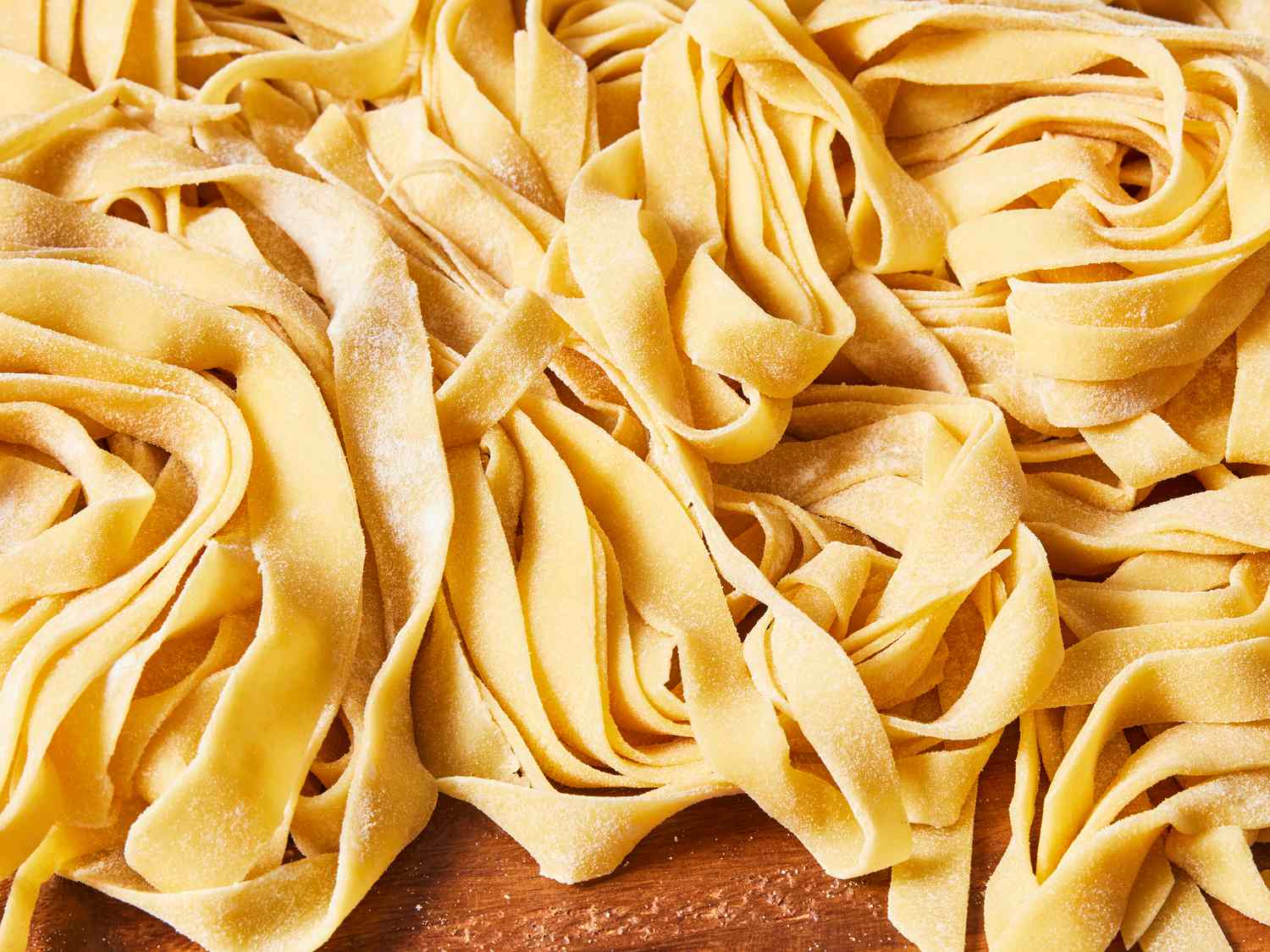
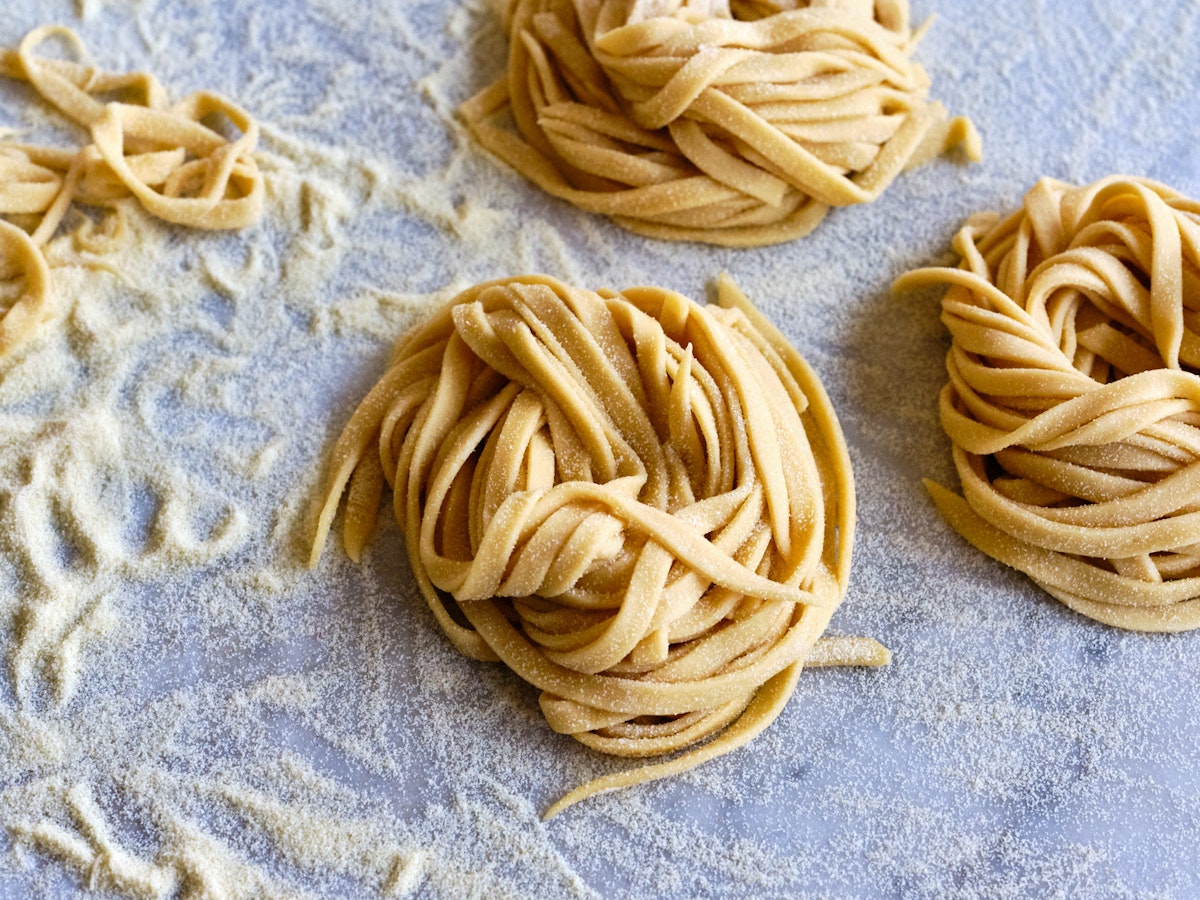
Fresh pasta is made from simple ingredients: flour, eggs, and water. The dough is usually mixed, kneaded, and then rolled out into thin sheets or shaped into various pasta forms. Fresh pasta is often prepared at home or purchased from specialty markets, particularly in regions where Italian cuisine is deeply embedded in culture, such as Italy itself.
The preparation process for fresh pasta is quick. The dough is soft and pliable, making it easy to roll out, cut, and shape. However, fresh pasta requires a shorter cooking time than its dried counterpart, typically just 2-4 minutes. The key ingredient that sets fresh pasta apart is the presence of eggs. The eggs lend a richer flavor, a smoother texture, and a slight yellow hue to the dough. This gives fresh pasta a luxurious mouthfeel and flavor profile that some people find superior.
Dried Pasta
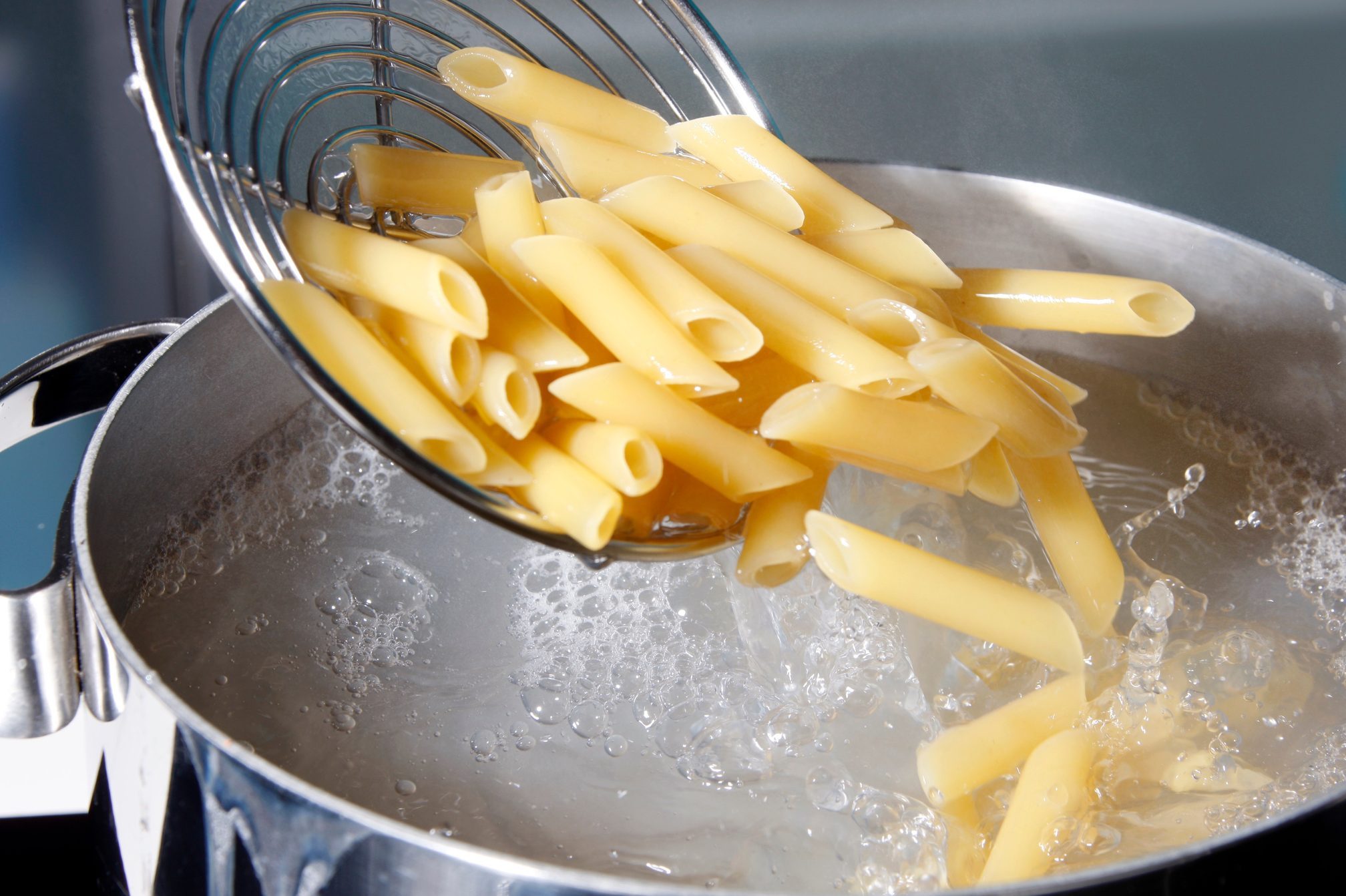
Dried pasta, on the other hand, is made from durum wheat semolina flour and water. Unlike fresh pasta, dried pasta is typically produced in large quantities and stored for longer shelf life. The dough for dried pasta is kneaded and then extruded into different shapes, after which it is dried over an extended period (anywhere from several hours to days), allowing it to become shelf-stable.
Because of the way it’s dried, dried pasta absorbs water differently, and it needs a longer cooking time than fresh pasta—usually around 8-12 minutes depending on the shape and size. Despite its longer cooking time, dried pasta holds its shape and firmness well and has a slightly firmer texture after cooking compared to fresh pasta.
2. The Flavor Profile: Fresh vs. Dried
Now that we understand how each type of pasta is made, it’s time to talk about flavor. While both fresh and dried pasta start with humble ingredients—flour and water—the cooking process and the addition of eggs in fresh pasta create different taste experiences.
Fresh Pasta Flavor
Fresh pasta has a distinctly rich and eggy flavor, which comes from the high proportion of eggs used in the dough. The egg yolks give the pasta a silky, smooth texture, and they add a subtle but undeniable flavor that fresh pasta enthusiasts swear by. This egg-forward flavor makes fresh pasta ideal for pairing with lighter, more delicate sauces—think butter and sage, or a simple garlic and olive oil dressing.
Fresh pasta has a much more pronounced, almost custard-like flavor that can complement high-end ingredients such as truffles, seafood, or freshly grated cheese. The lighter and more delicate nature of fresh pasta also allows the sauce to adhere better to the pasta, meaning each bite can carry the flavor of the sauce more effectively.
Dried Pasta Flavor
Dried pasta, while simpler and more neutral in flavor, offers a different experience. It has a slightly nutty flavor due to the use of durum wheat semolina flour. Durum wheat is a hard wheat that contributes to a higher gluten content, giving dried pasta its characteristic firmness. While dried pasta lacks the richness of eggs, the semolina gives it a satisfying texture and bite, which makes it better suited to heartier, more robust sauces like ragu or Bolognese.
The flavor of dried pasta is often described as more “neutral” or “wheat-forward.” Because it doesn’t have eggs, it acts as a canvas for sauces and other ingredients. Dried pasta can also take on the flavors of the sauce better during cooking, absorbing the liquid and intensifying the overall dish.
3. The Texture Experience: Fresh vs. Dried
Texture plays a crucial role in determining the overall enjoyment of pasta. While taste is important, the way pasta feels in your mouth—the bite, the chew, and the overall mouthfeel—can often make or break the dish.
Fresh Pasta Texture
Fresh pasta has a tender, silky texture that cooks quickly and retains its softness. When you take a bite of fresh pasta, it practically melts in your mouth, with a smooth, delicate feel that’s unparalleled. The presence of eggs in the dough creates an elasticity that contributes to this soft and supple texture. Fresh pasta is often favored in dishes that require a softer, more luxurious texture, such as stuffed pasta like ravioli or tortellini.
However, the tenderness of fresh pasta can sometimes be a drawback, especially when paired with heavy sauces. The delicate nature of fresh pasta can get lost in a rich sauce, as it may not hold its shape as well as dried pasta. That being said, it’s perfect for lighter dishes where the pasta needs to be the star, not just the vessel for the sauce.
Dried Pasta Texture
Dried pasta, in contrast, offers a firmer, chewier bite. This characteristic texture is essential in many pasta dishes, especially when the pasta needs to stand up to dense sauces like meat ragus or creamy Alfredo. The longer cooking time and higher gluten content of dried pasta contribute to its sturdiness and ability to hold its shape without becoming too soft.
The chewier texture of dried pasta is also an advantage when it comes to dishes that require pasta to absorb sauce. Dried pasta’s ability to absorb liquid and become infused with the sauce’s flavor means that it can better integrate with bold, complex dishes. Whether it’s lasagna, spaghetti, or penne, dried pasta often provides a more substantial mouthfeel that works in perfect harmony with the sauce.
4. Culinary Applications: When to Use Fresh vs. Dried Pasta
While the flavor and texture of fresh and dried pasta differ, it’s also important to consider when and where each type should be used. Each type of pasta is best suited for certain culinary situations, depending on the dish you’re preparing.
Best Dishes for Fresh Pasta
- Delicate Sauces: Fresh pasta is ideal for light, delicate sauces that won’t overwhelm the soft texture of the pasta. Think butter and sage, or a simple pesto.
- Stuffed Pastas: Fresh pasta is commonly used for filled pasta like ravioli, tortellini, and agnolotti. The softness of the dough helps to seal in fillings and ensures that the pasta won’t overpower the stuffing.
- Quick-Cooking Dishes: Since fresh pasta cooks in just 2-4 minutes, it’s perfect for quick meals that require minimal preparation, such as carbonara or cacio e pepe.
Best Dishes for Dried Pasta
- Hearty Sauces: Dried pasta excels in dishes with rich, heavy sauces. It can stand up to thick ragus, meaty Bolognese, or creamy sauces that benefit from the firmer texture of the pasta.
- Pasta Salads: The firmer texture of dried pasta makes it ideal for pasta salads, as it can hold up to dressing and stay firm even when cold.
- Baked Dishes: Dried pasta, especially shapes like ziti, penne, or lasagna sheets, works perfectly in baked pasta dishes like lasagna or baked ziti. Its structure helps maintain its shape through the baking process.
5. Can You Really Taste the Difference?
The question that often lingers in the minds of pasta lovers: does it really matter whether the pasta is fresh or dried? Ultimately, the answer depends on personal preference, as well as the type of dish you’re preparing. In terms of flavor, fresh pasta offers a richer, more eggy profile, while dried pasta provides a more neutral, wheat-forward taste. The texture differences—tenderness versus chewiness—also influence the overall eating experience.
That being said, many people find that fresh pasta enhances the flavor of lighter, more refined dishes, while dried pasta complements heavier, more complex sauces. While some discerning pasta eaters may prefer the luxury of fresh pasta, others might argue that dried pasta delivers a more satisfying chew and structure for certain dishes.
The bottom line is that both types of pasta have their place in the kitchen. If you’re making a dish with a delicate sauce or want a tender, soft bite, fresh pasta is the way to go. But for heartier, more robust meals where the pasta needs to stand up to heavy sauces, dried pasta is often the better choice.
Conclusion: Fresh vs. Dried Pasta—What’s Your Preference?
In the end, the difference between fresh and dried pasta comes down to personal taste and the specific needs of the dish. Both types offer unique qualities that enhance the eating experience, whether you prefer the delicate richness of fresh pasta or the firm, satisfying bite of dried pasta. The real question is not whether you can taste the difference, but which type of pasta you prefer and when to use it for the best culinary results.